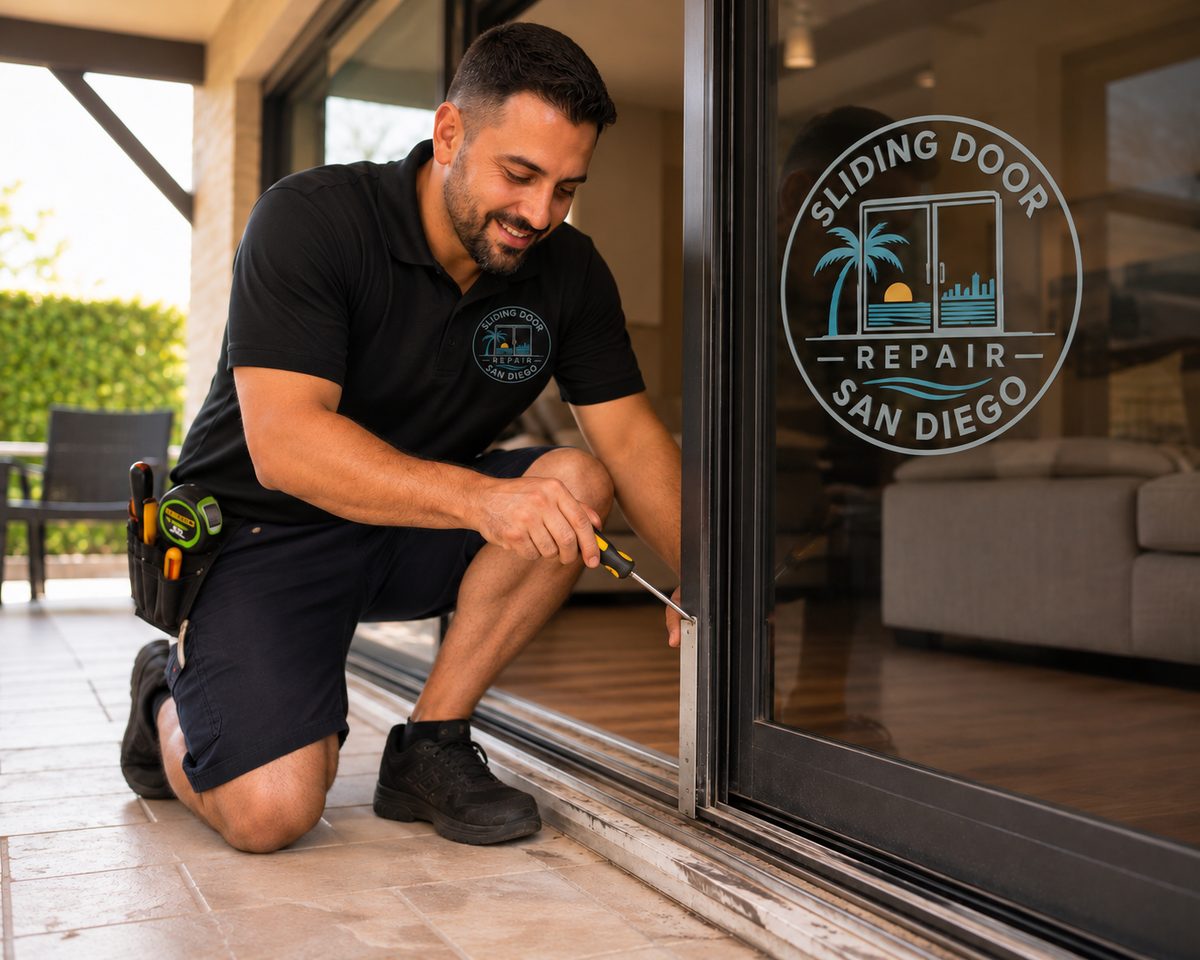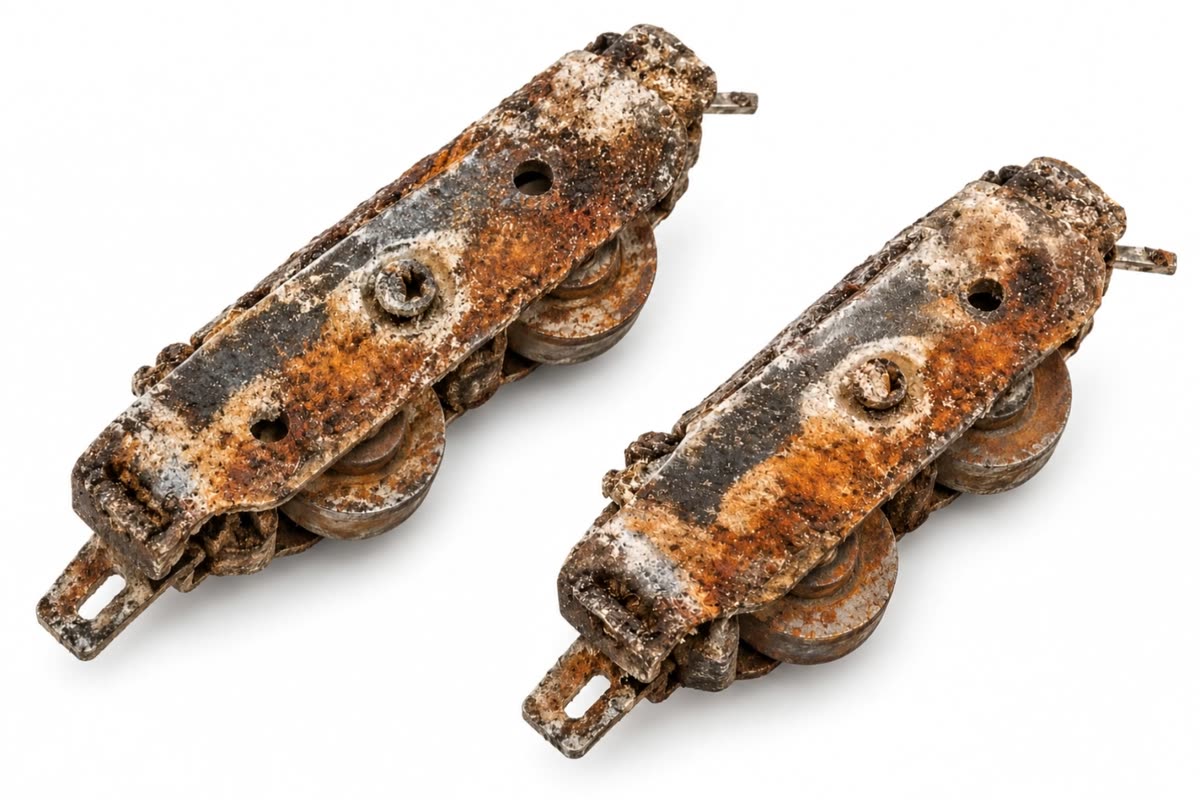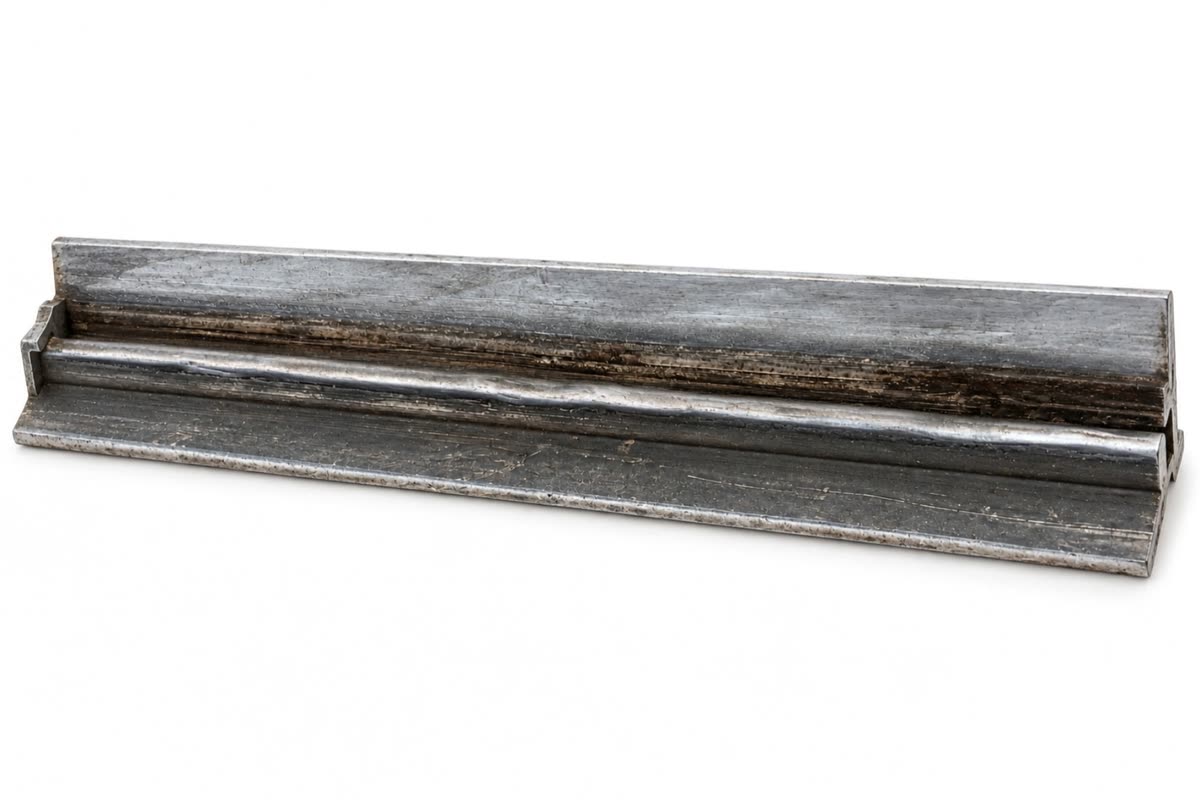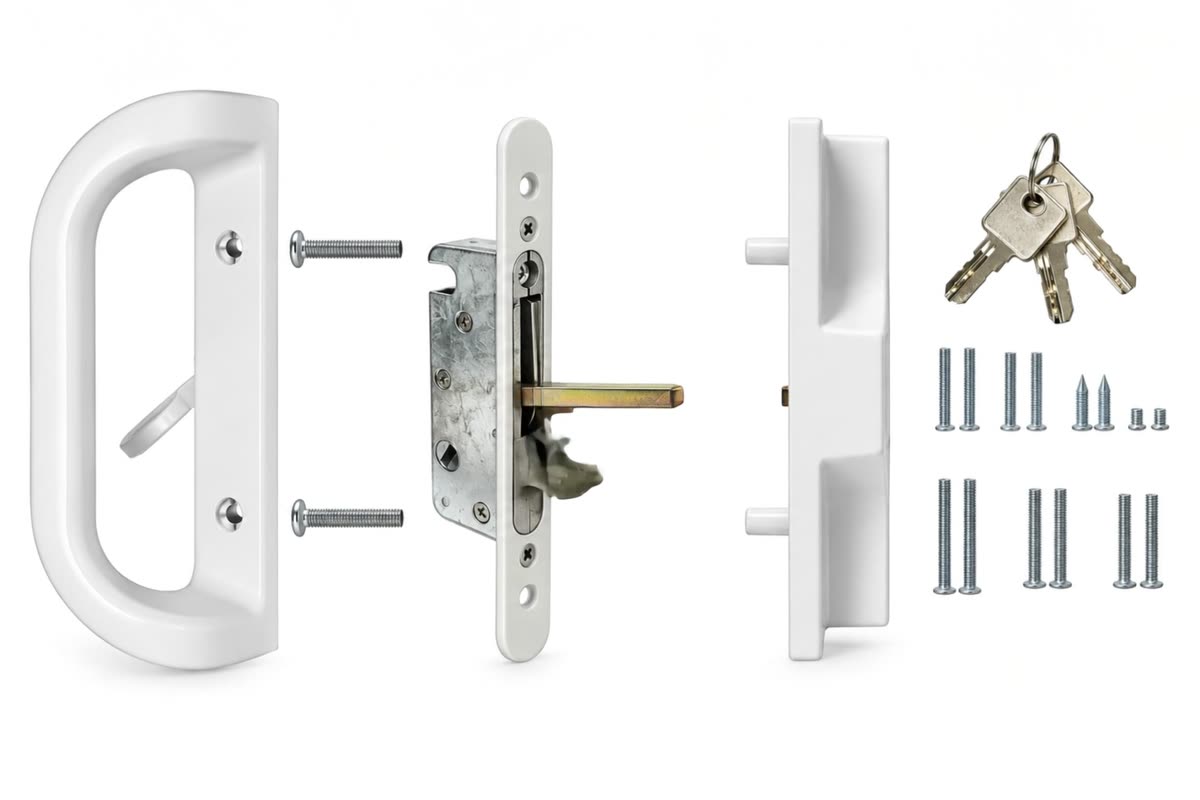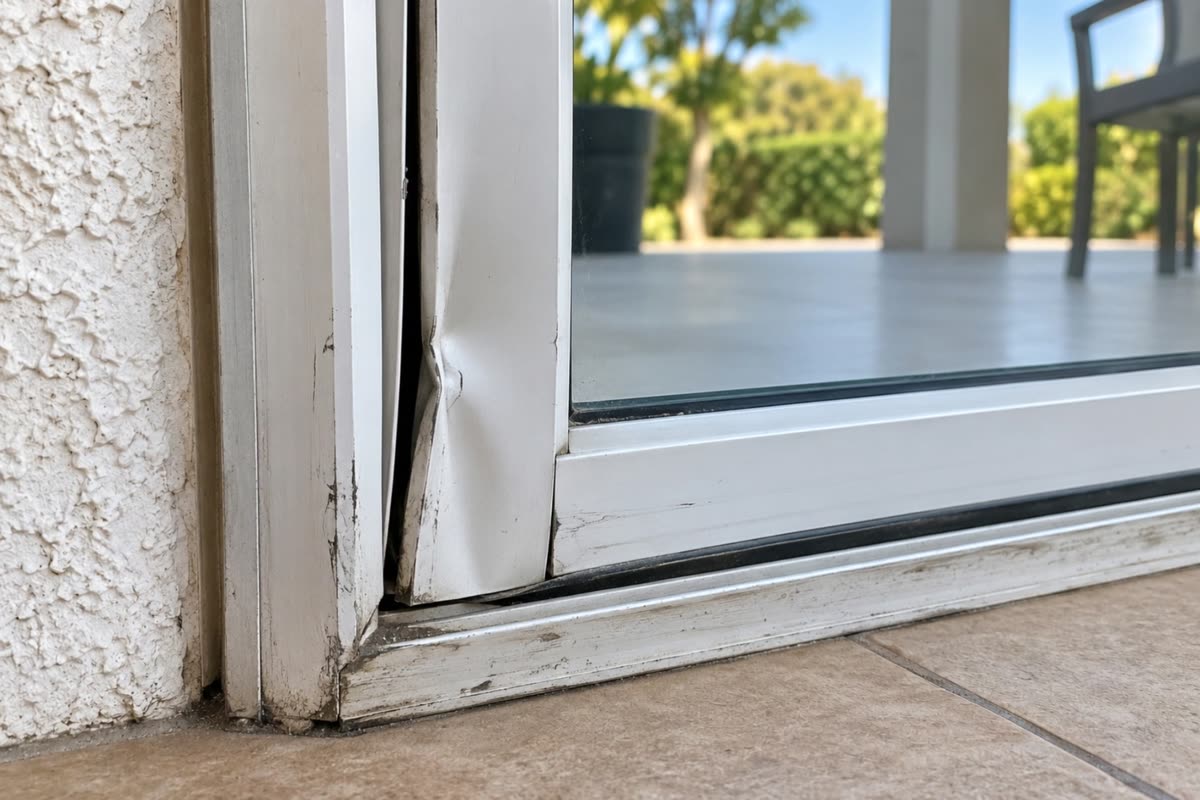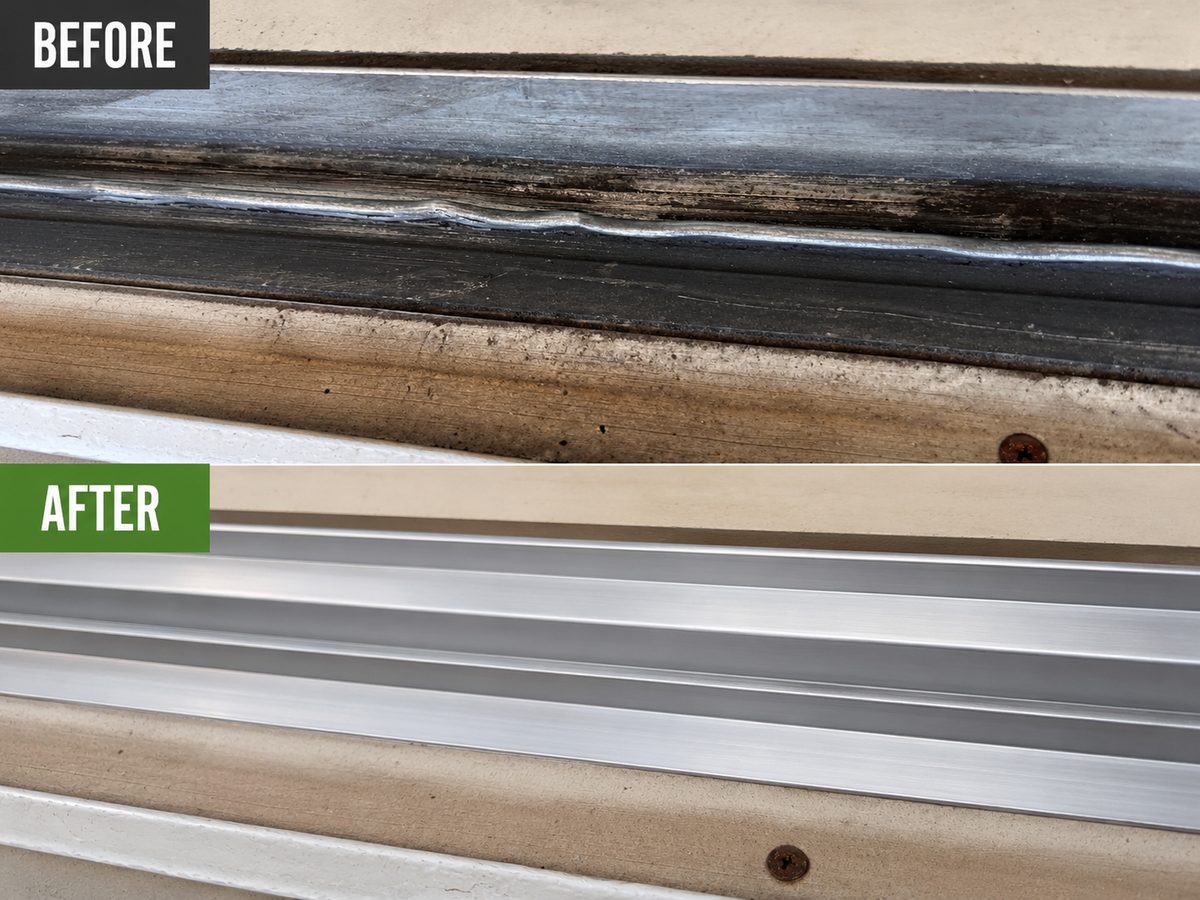
Weatherstripping is the material a sliding panel meets or brushes against as it closes and travels. It can wear flat, pull away or harden over time. A damaged strip can let air through, change how the door feels at the jamb or make a noticeable sound when the panel moves. The right replacement profile depends on the door and the location of the seal.
Locate the strip that needs attention
Check where the air or light first appears. A strip at the closing edge can work differently from a pile or fin seal along the moving path or at the meeting edges. If the existing strip has come loose, a photo of its position and shape is useful. Tell us if there is a rub, a problem with the latch or a repeat bump elsewhere on the door. Those symptoms can call for a fit or wheel check as well.
Match the replacement to the panel
We look at how the old strip attaches, how much clearance there is and which surfaces are meant to touch. A strip that is too thick can make the panel harder to close or change the latch effort. One that is too small may leave the original gap. Product labels and earlier repair paperwork can help identify the original profile. The technician checks the actual opening before fitting a part.
Coastal exposure around San Diego can affect accessible finishes and hardware. On inland properties, fine dirt may collect near the sill. Tell us what is happening at your door and whether the strip is exposed, sheltered or affected by earlier work.
Test how the door closes after the change
We check movement, fit, the closing edge and the latch. If the strip wore because the panel was sitting out of position, panel adjustment can help address the underlying problem. If there is a wider gap around one corner, start with sliding door gap repair. Where moisture reaches the indoor floor, we can also assess visible sill drainage conditions.
Is weatherstripping the same as sealing every opening at the sill?
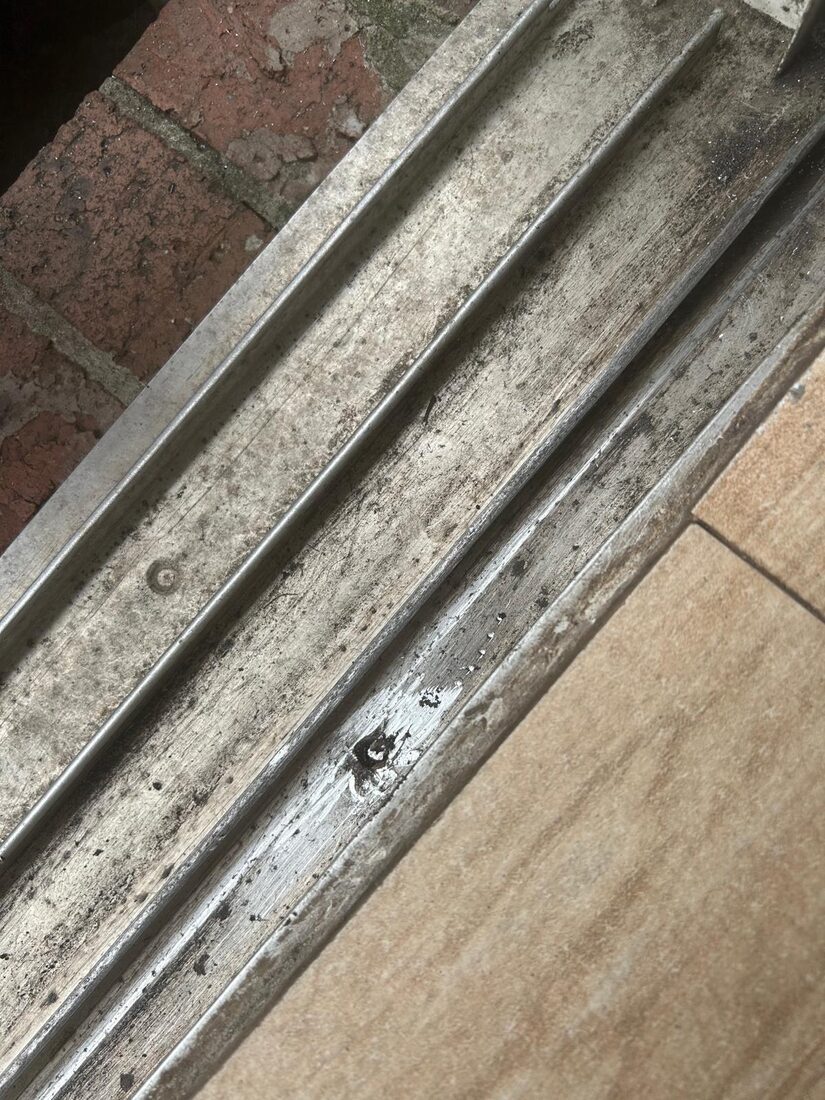
Weatherstripping works at surfaces the panel is designed to meet. Sill drainage outlets have a different purpose and need to stay functional. We identify the seal and drainage path before discussing work.
Call 619-389-3123 or request service for a loose or worn door seal.