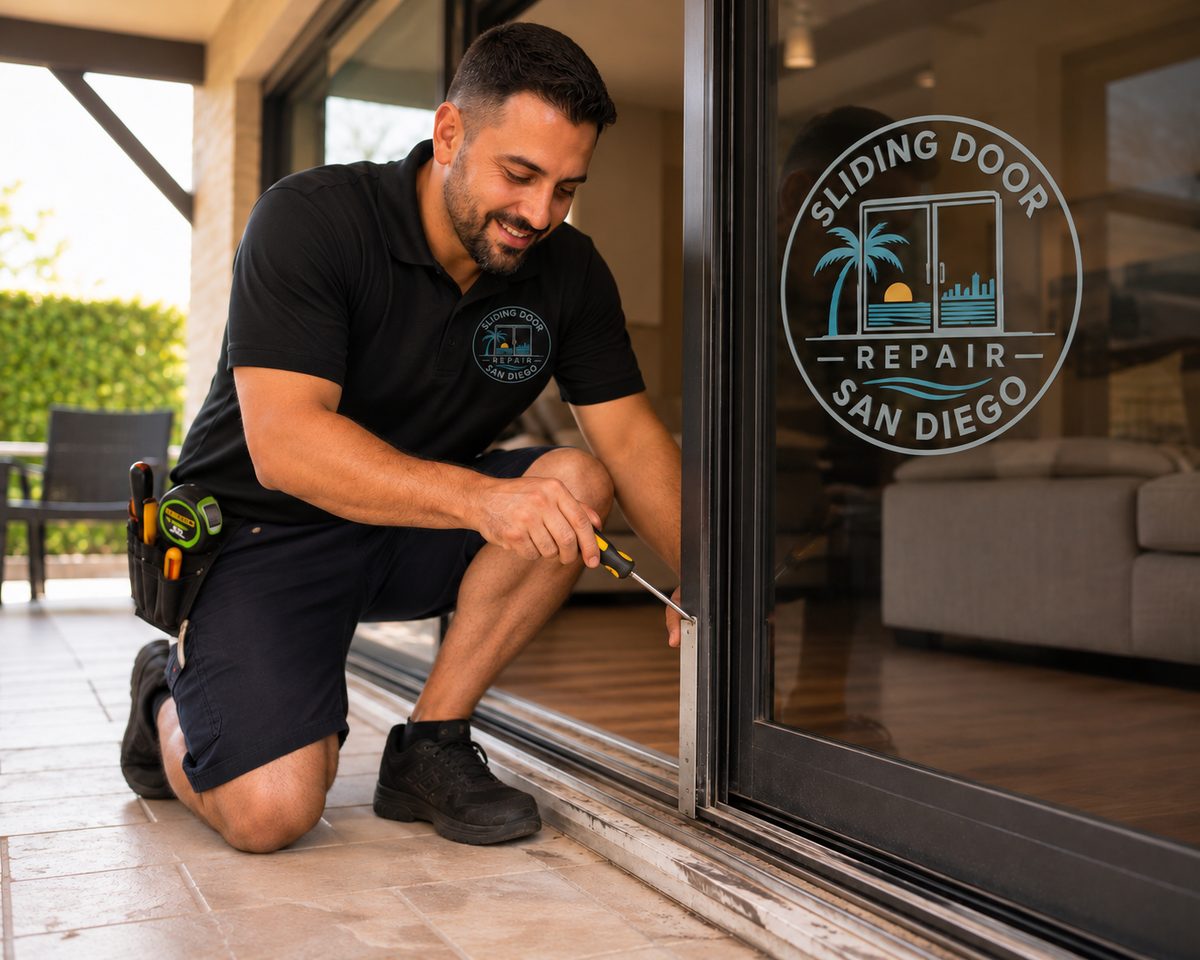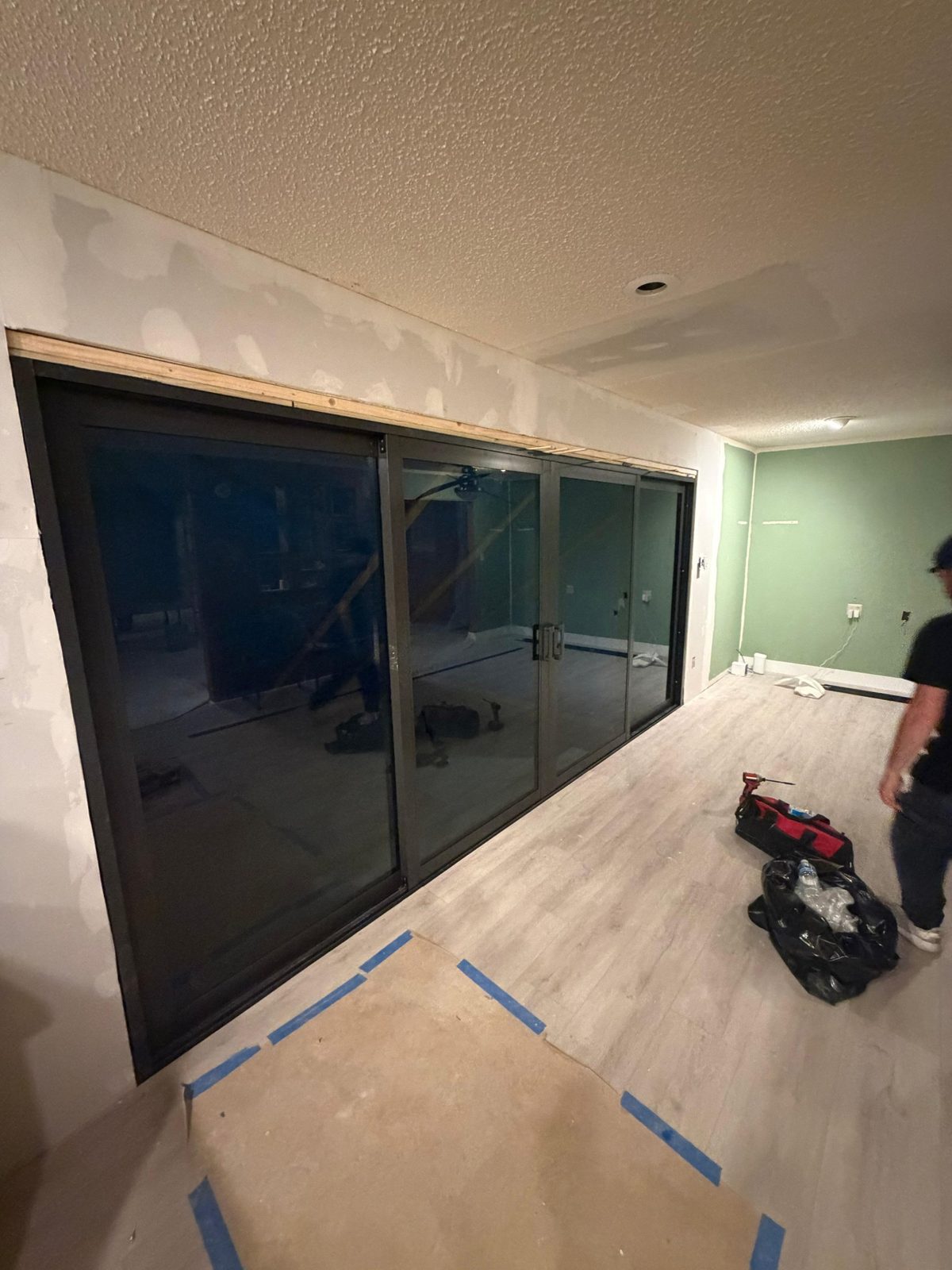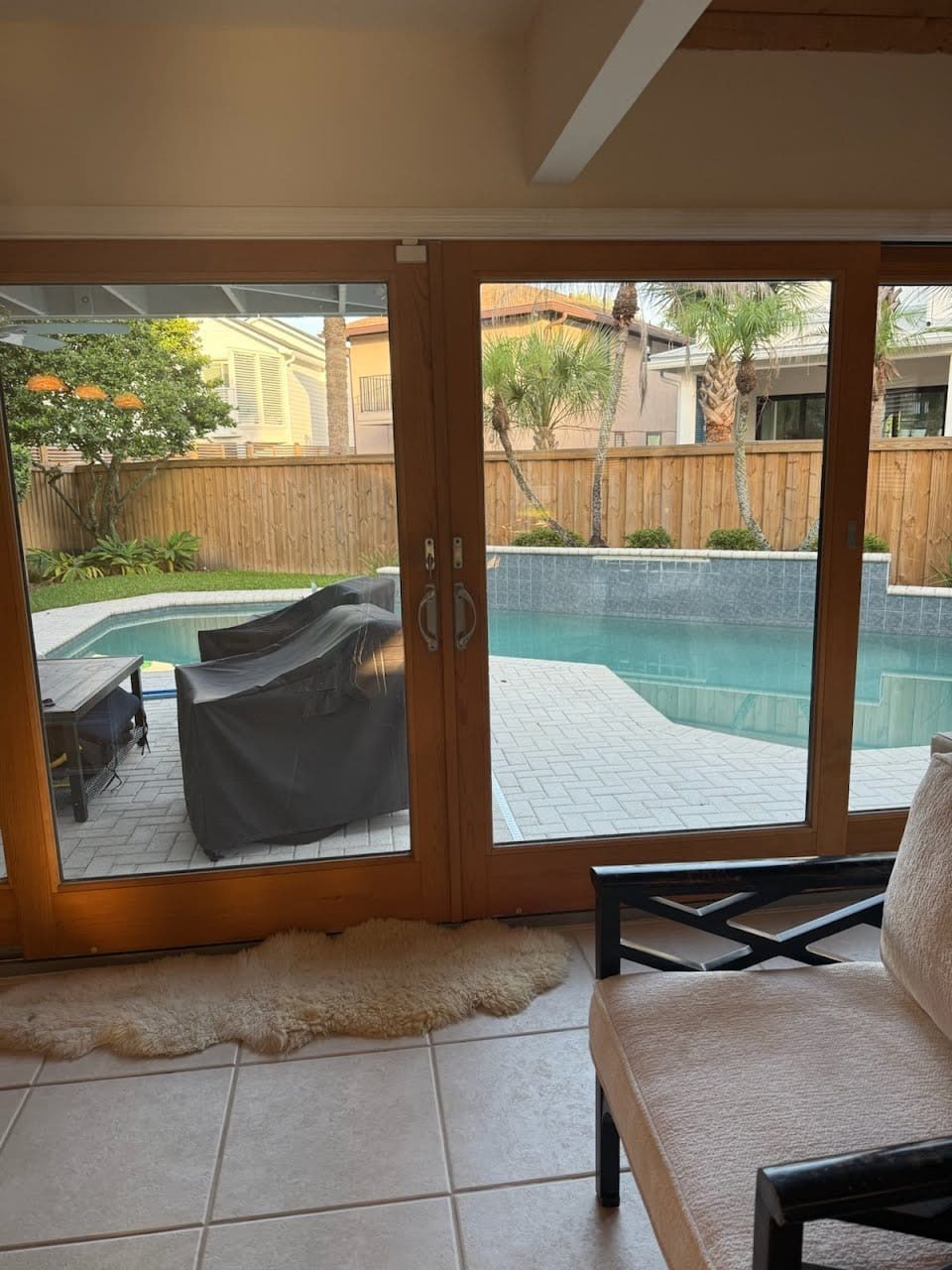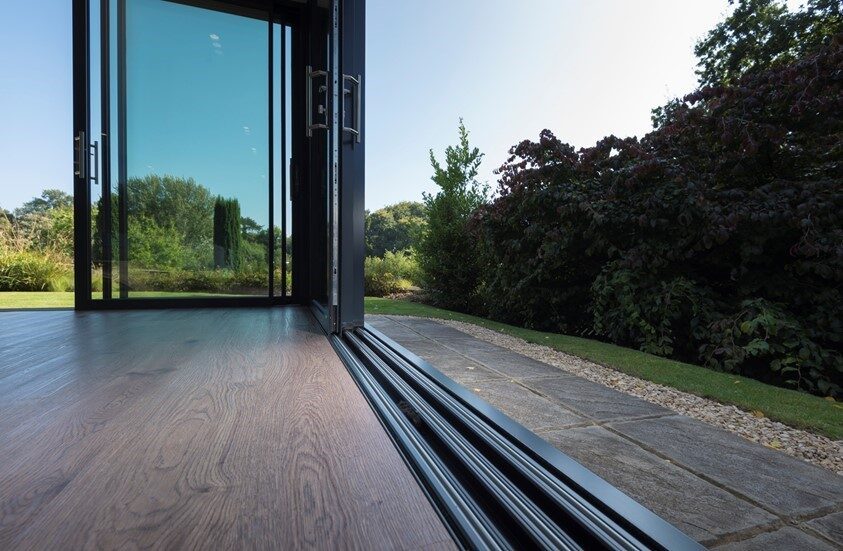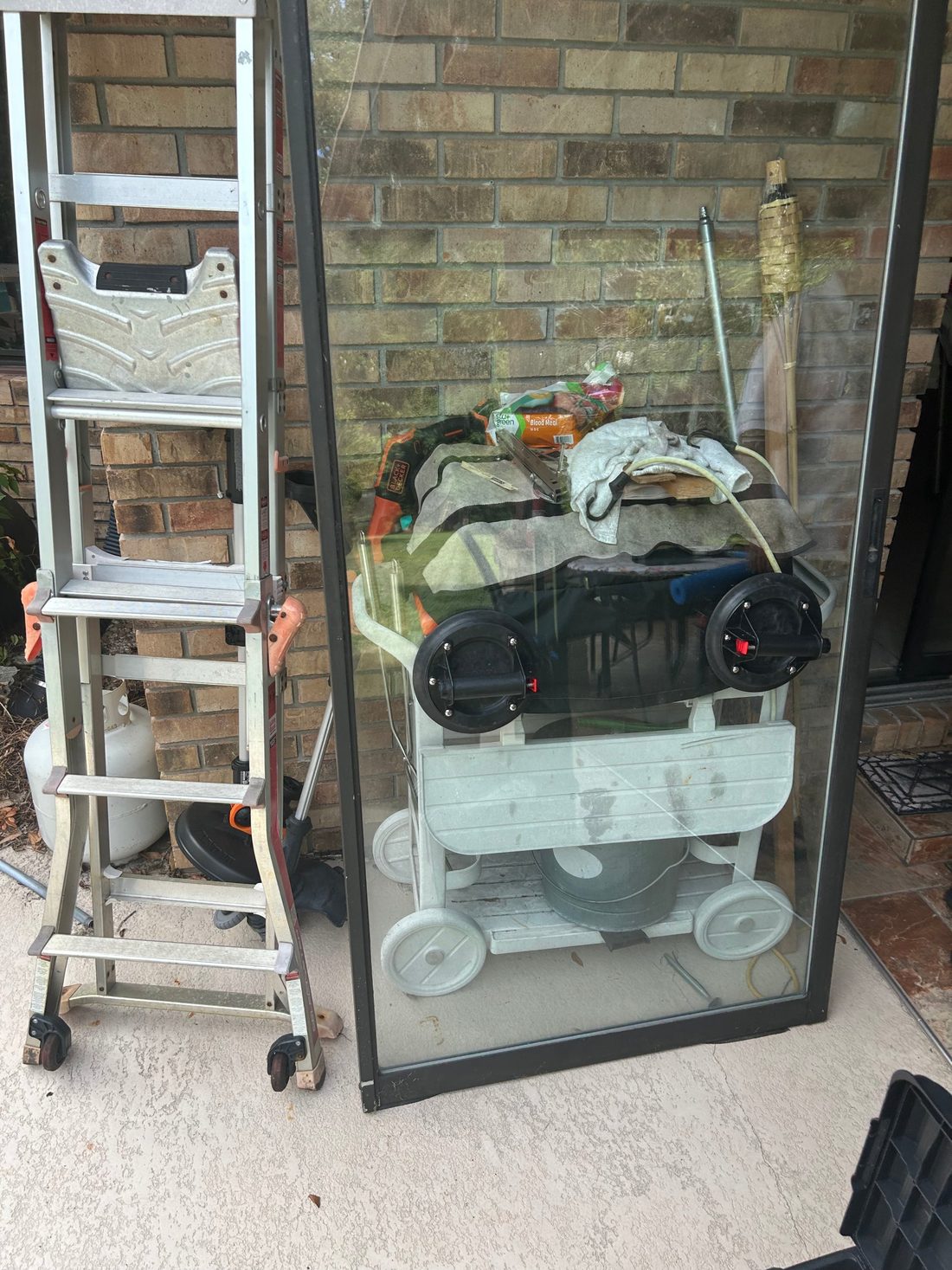
Panel adjustment makes sense when the moving door and its hardware are still able to hold their intended position. A small difference in height can show up in several ways. The bottom can rub the sill, one corner can reach the jamb early and the latch can miss. We inspect the support and fit before deciding whether adjustment can restore normal movement.
What can be corrected at the moving panel
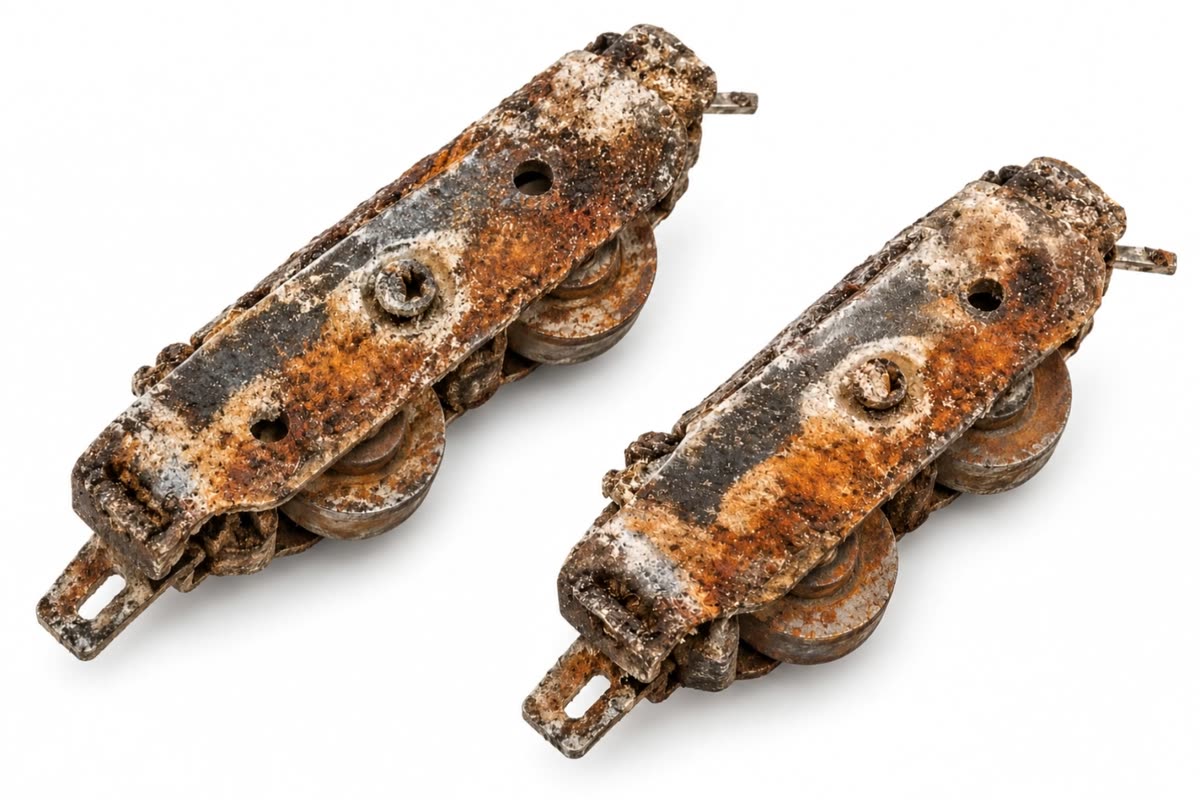
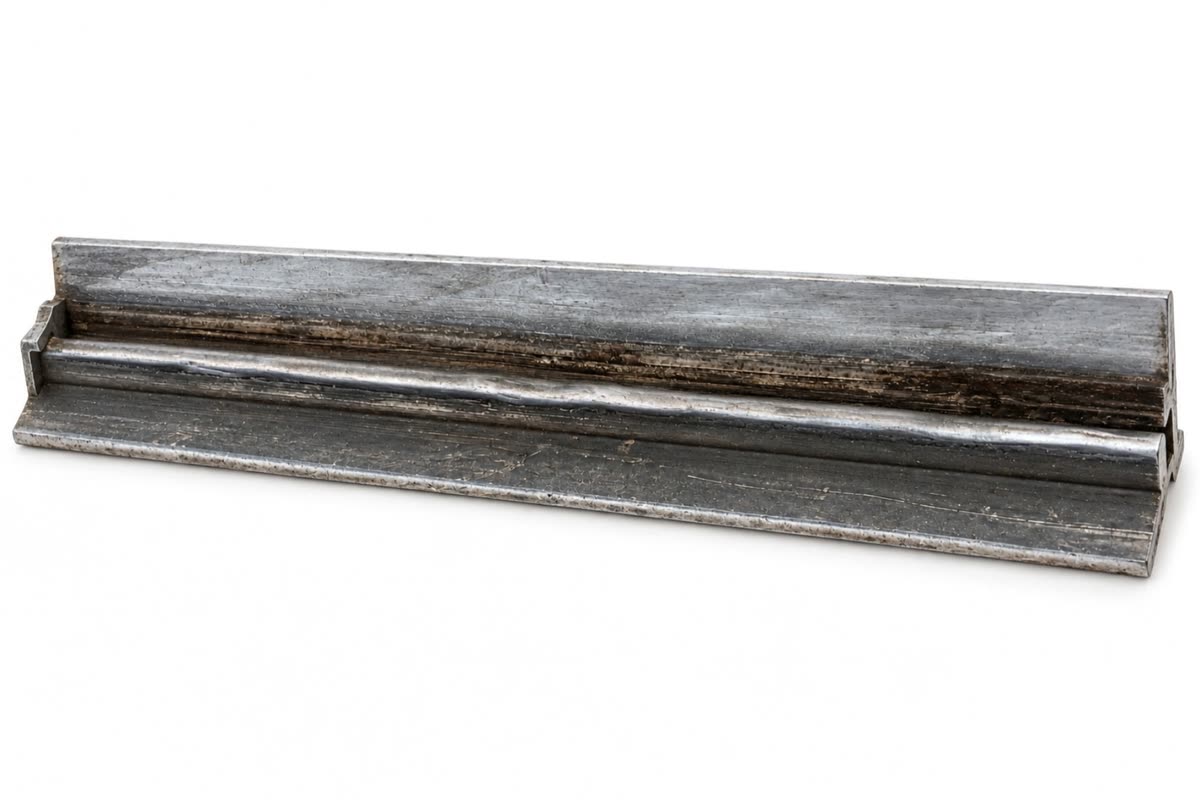
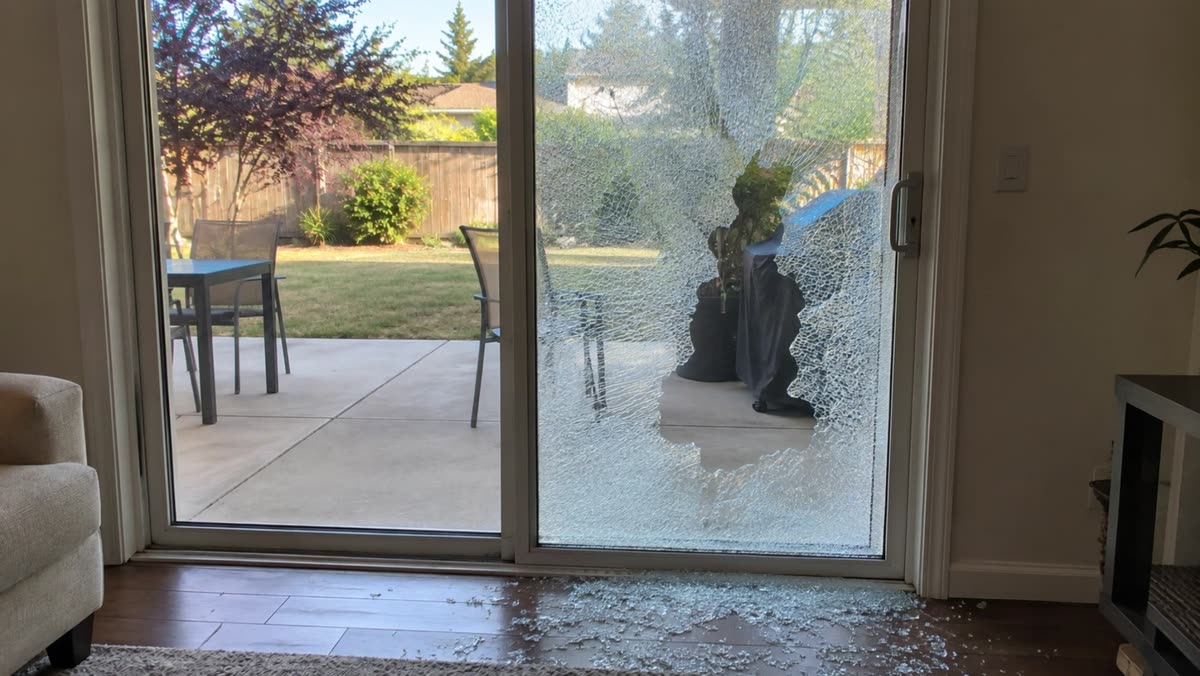
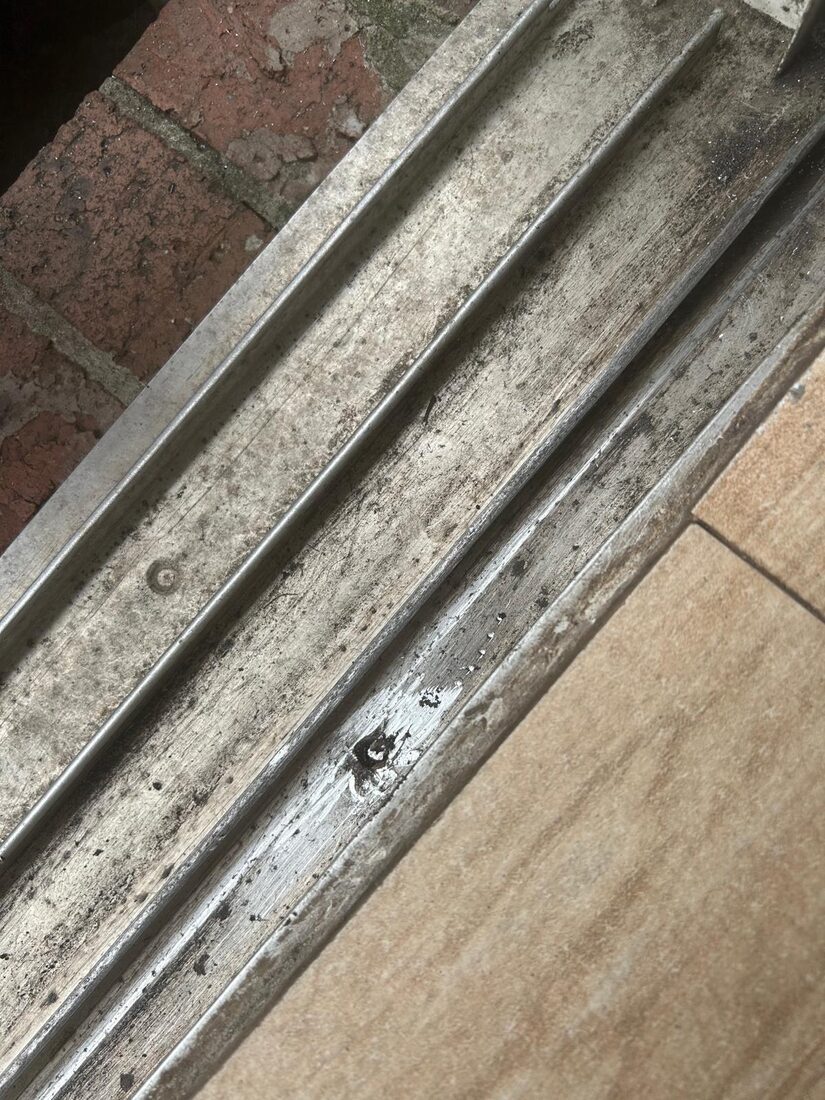
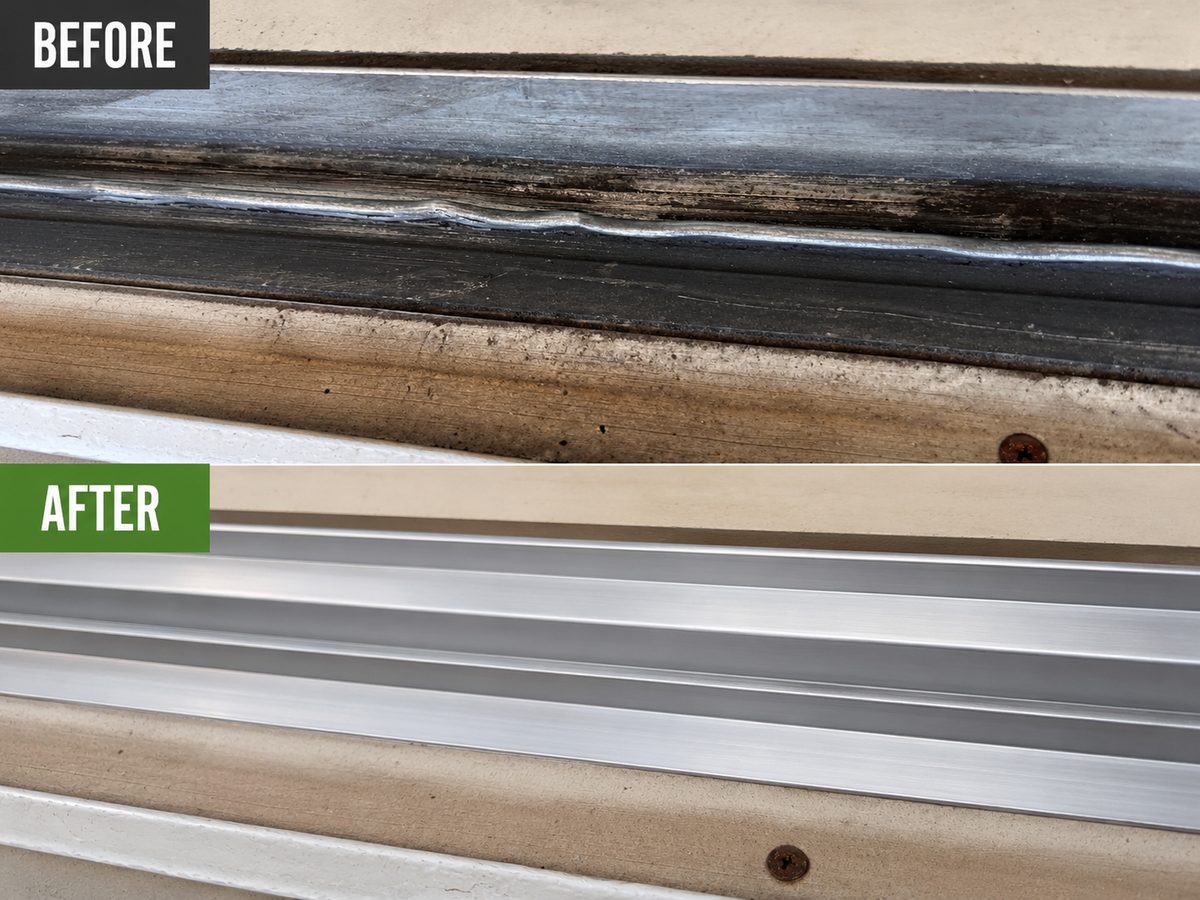
We check the clearance at each end and the gap as the door reaches the jamb. When the unit supports adjustment and the underlying hardware is sound, changing the panel position can bring the edges and latch back into alignment. We test the full travel path afterward. If a worn roller cannot maintain its position or the rail is uneven, roller replacement or track repair may be needed for a lasting result.
Distinguish the panel from the frame
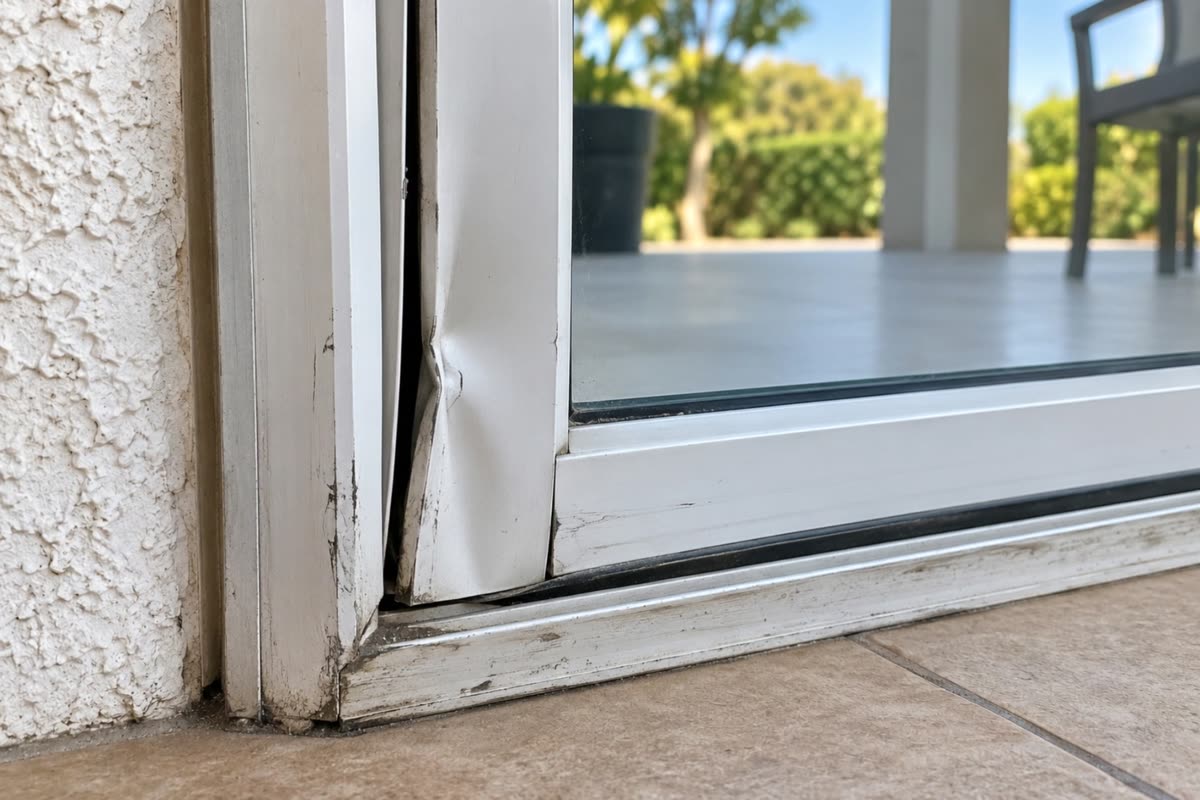
A stationary jamb or sill can be out of line even when the moving panel is in good condition. If we see bowing, movement or contact from a changed floor transition, we evaluate whether the opening needs frame repair and alignment or threshold repair. A door should move and close properly after the work. Simply moving one corner away from a scrape can leave another part out of position.
Useful details before we visit
Describe whether the door rubs at the beginning, in the middle, or only at the last inch of closing. Say if the latch works when the handle is lifted. If an earlier adjustment briefly made the door work better, tell us how long it helped. For a wide patio door or a second-floor balcony, identify the affected moving panel and how it can be reached.
Do I need a new lock if the door misses the keeper?
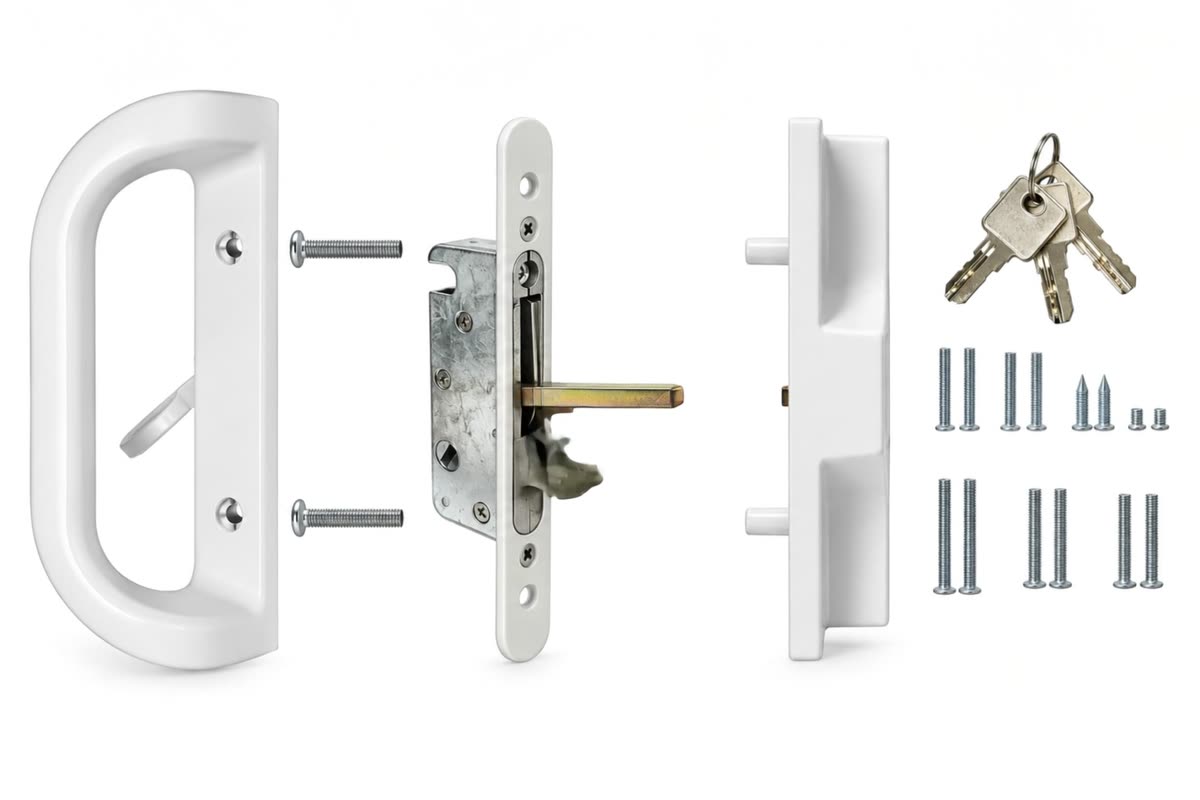
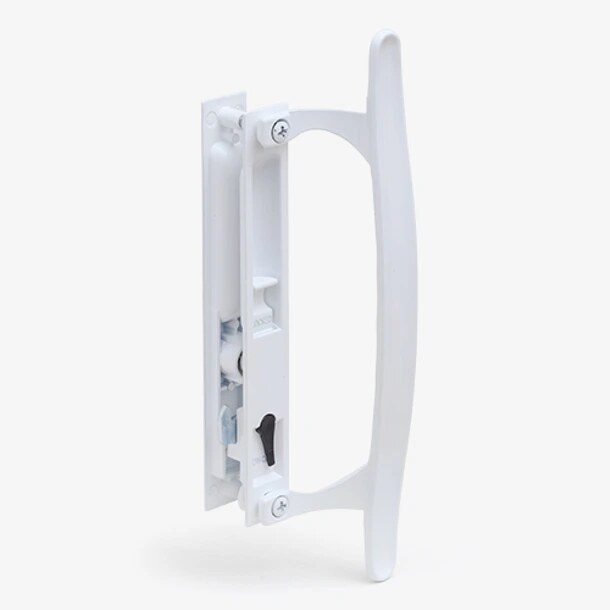
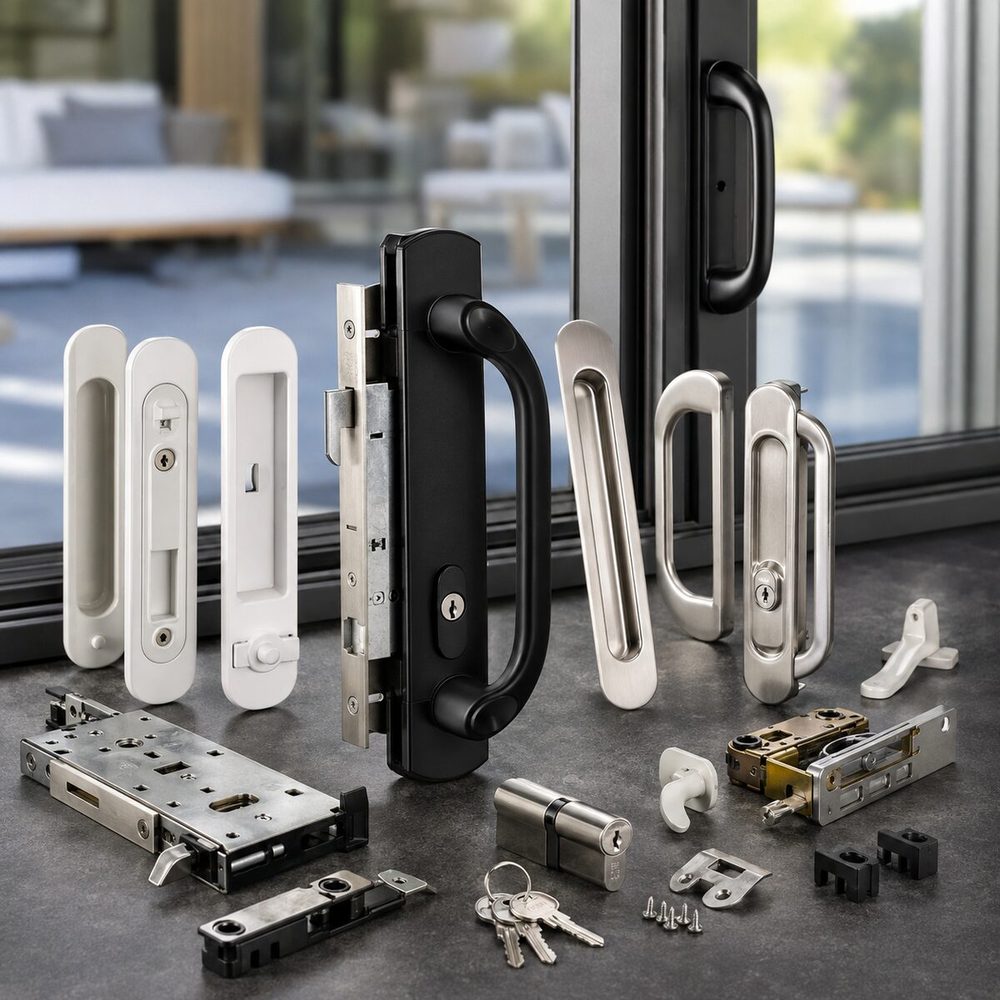
A sound latch can miss if the panel sits at the wrong height. We check how it meets the keeper after assessing panel position. If the mechanism is also worn, we can discuss lock repair as its own part of the job.
Call 619-389-3123 or request a panel fit assessment.