A quote for patio door glass should identify the actual safety glazing and the way it fits the door. “Tempered” and “laminated” describe different products and break behavior. The right choice depends on the application, what the door can support and the applicable specification for the project. This guide helps you read a quote and ask for details you can compare.
Understand the break pattern of tempered glass
Treat the small fragments as glass that needs safe handling. Ask how the new piece will be measured before it is made for the panel.
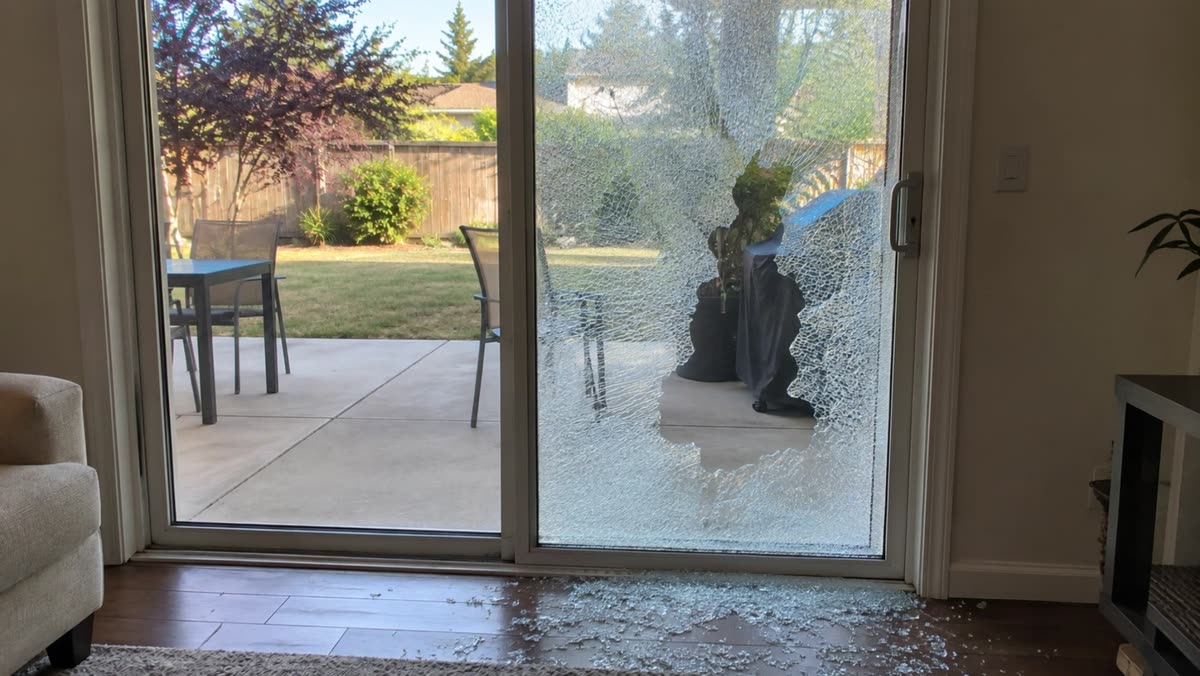
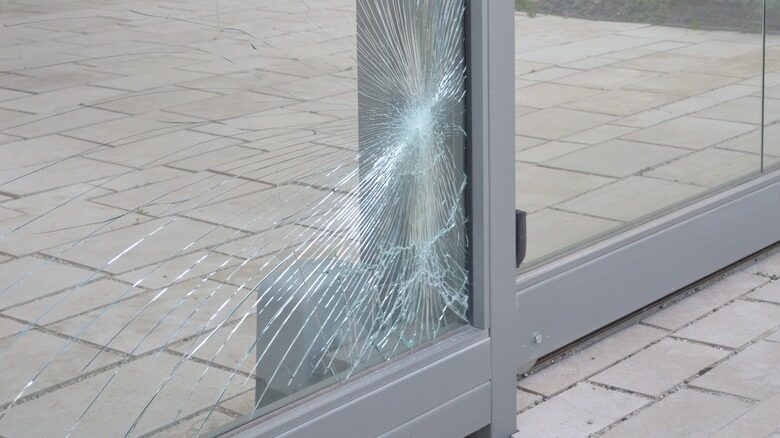
Tempering changes the way glass breaks. When fully tempered glass fails, it tends to break into many small fragments compared with ordinary annealed glass. Those fragments still need safe handling. A piece that has been tempered is prepared to its required shape before treatment, so the glass order needs the actual dimensions and the product requirements. Marks on the pane and paperwork can help identify what was originally installed. The door professional should confirm the safety glazing specification for the current opening and the exact glass unit that can fit its retainers. Keep people away from a pane that has already fractured.
Understand the role of a laminated interlayer
If laminate is proposed, ask what the interlayer and glass assembly are intended to do. Discuss weight and compatibility with the existing panel.
Laminated glass uses an interlayer between pieces of glass. In a break, the interlayer can help hold fragments together. Performance depends on the actual assembly, and a cracked laminated pane still needs evaluation. Thickness, weight and how the door panel retains the glass matter if someone is proposing to change from another glazing type. Ask whether the panel and rollers are intended for the new unit and whether the product meets the applicable safety standard for the opening. An association's preferred appearance or a sales label does not by itself establish that the unit is a suitable fit for the existing door.
Confirm that the product is specified for the opening
Ask the provider to identify the applicable safety glazing requirement and supply the actual glass specification rather than a description based on appearance.
Federal safety glazing rules cover patio-type sliding glass doors. A repair professional should verify the applicable specification and the product documentation before placing the order, including any requirements that apply to the location and project. Get the description of the actual glass assembly being quoted. On an insulated glass unit, the specification can cover more than one piece of glass. Tint, coating or visible thickness cannot establish that the chosen product has the necessary performance. If you have a legible label or old order, share it as a starting point. An assessment must also account for what the frame and glazing pocket can retain.
Identify each pane in an insulated unit
A double-pane unit can include a particular combination of layers and coatings. Ask what will be supplied for the complete assembly.
The goal is a glass description that a supplier and installer can use for the same opening. It should identify the relevant safety requirements, dimensions, thickness, construction and any appearance details. Ask which part of the existing panel or sash will retain the unit and whether the proposed product affects its weight. If you are preserving the exterior look, include a photo or original record of tint and grids. A product name on a generic estimate cannot answer all of those questions. Get the exact specification for the quoted configuration before ordering and keep it for later repair or maintenance.
Check the pocket and the retainers
The unit has to fit into the panel at its edges. Ask how the specified thickness and support match the original opening.
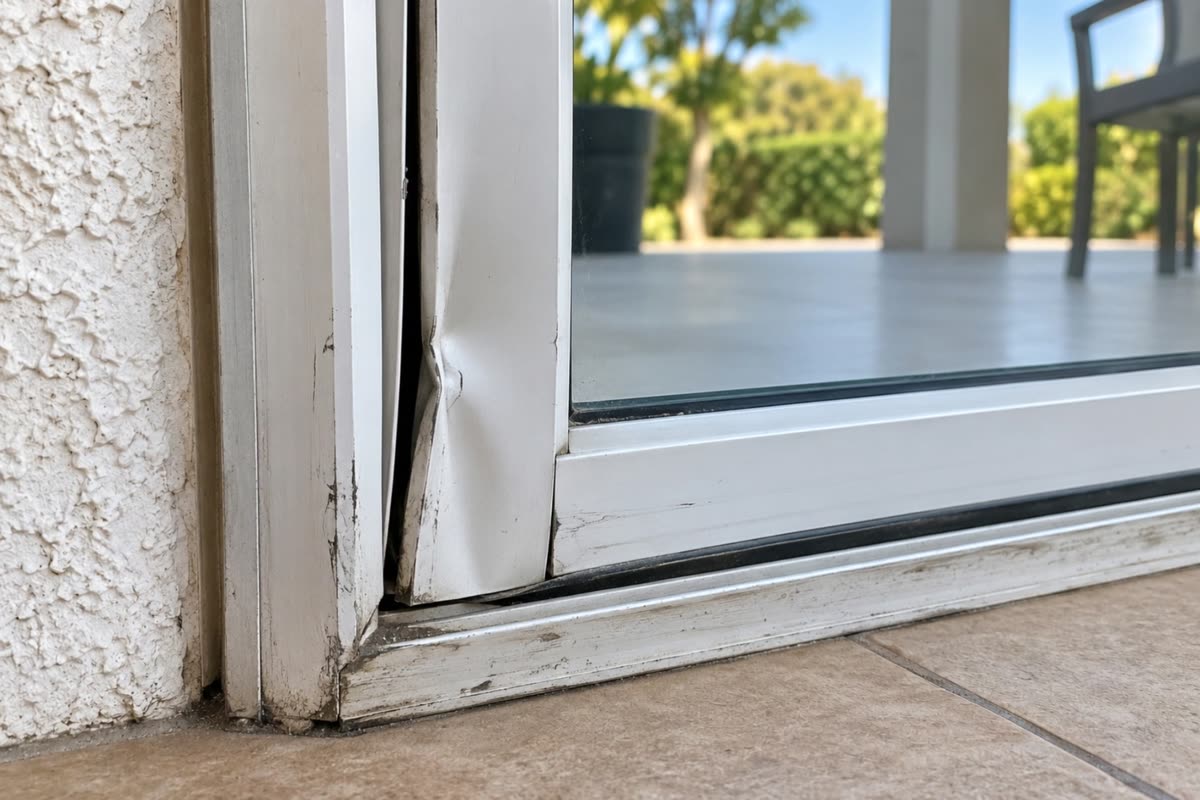
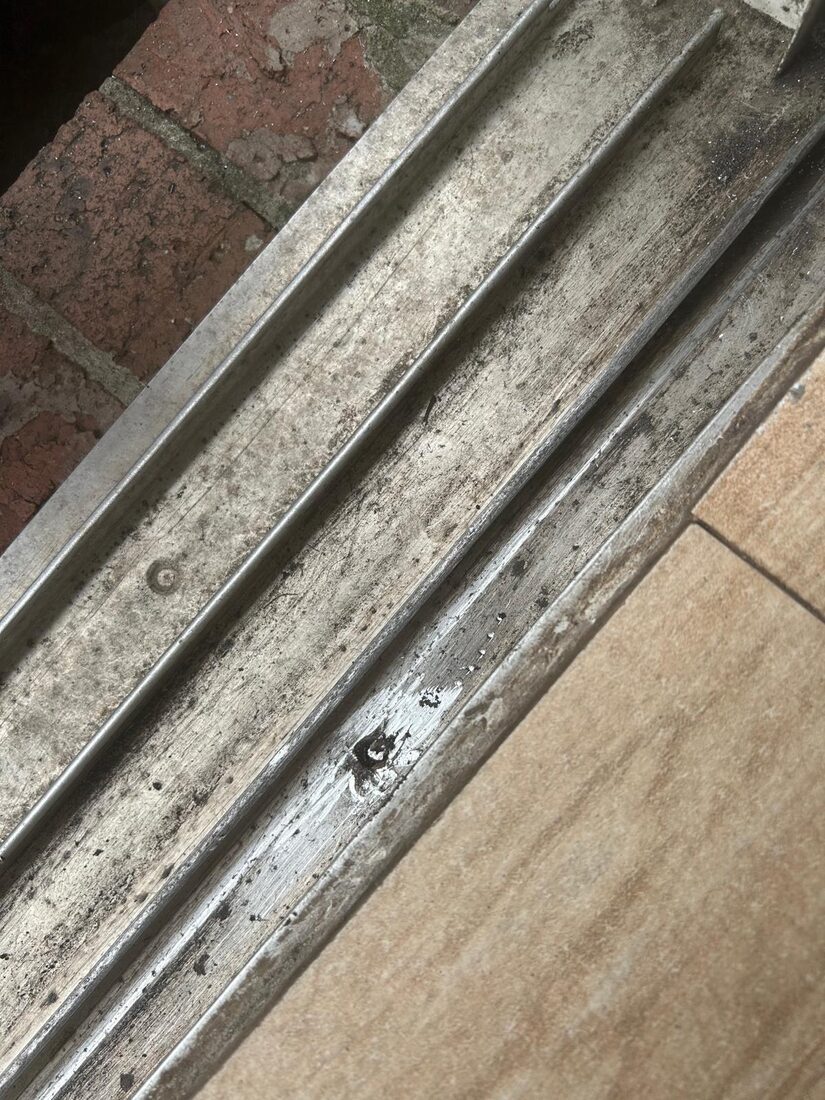
The part of the frame that captures the glass has its own dimensions, support and retainers. A pane ordered only from the visible size may not fit into that pocket. The thickness and edge of a replacement insulated unit also need to work with the existing sash or door panel. A warped panel or damaged retainer can change whether glass-only work is practical. Ask which components will be reused and what the technician found at the support points. On a door that also drags, check the running hardware separately. Replacing the glass addresses a glass problem while the panel still needs to travel and close correctly.
Check the panel and movement if the glass type changes
If a proposed unit changes panel weight, discuss whether the wheel assemblies and rail can support the configuration. Have the complete door evaluated.
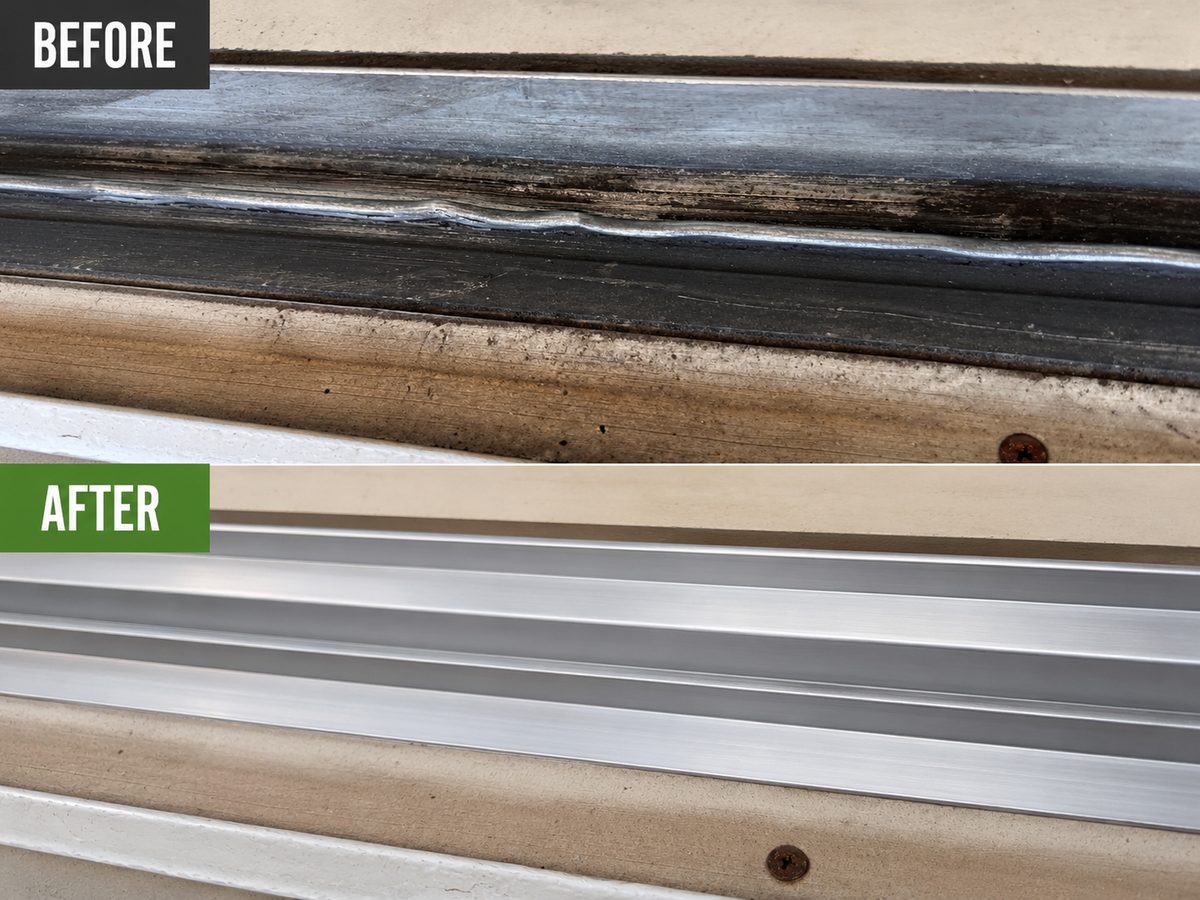
The way a door behaves under load can reveal a roller problem that is hard to see when the panel is still. A wheel may be able to turn with very little force on it but feel rough once it carries the glazed panel. A bearing, wheel tread and housing can each change the outcome. Ask the technician to show which end carries the symptom and what the rail looks like at the point of contact. A good part match should account for travel, height and how the assembly attaches. A comparison with a similar moving panel is helpful only when its construction and weight are comparable.
Keep distance from a pane that has fractured
A cracked laminate or broken tempered pane still requires safe handling. Report whether the affected glass is in the moving or fixed panel and keep it still.
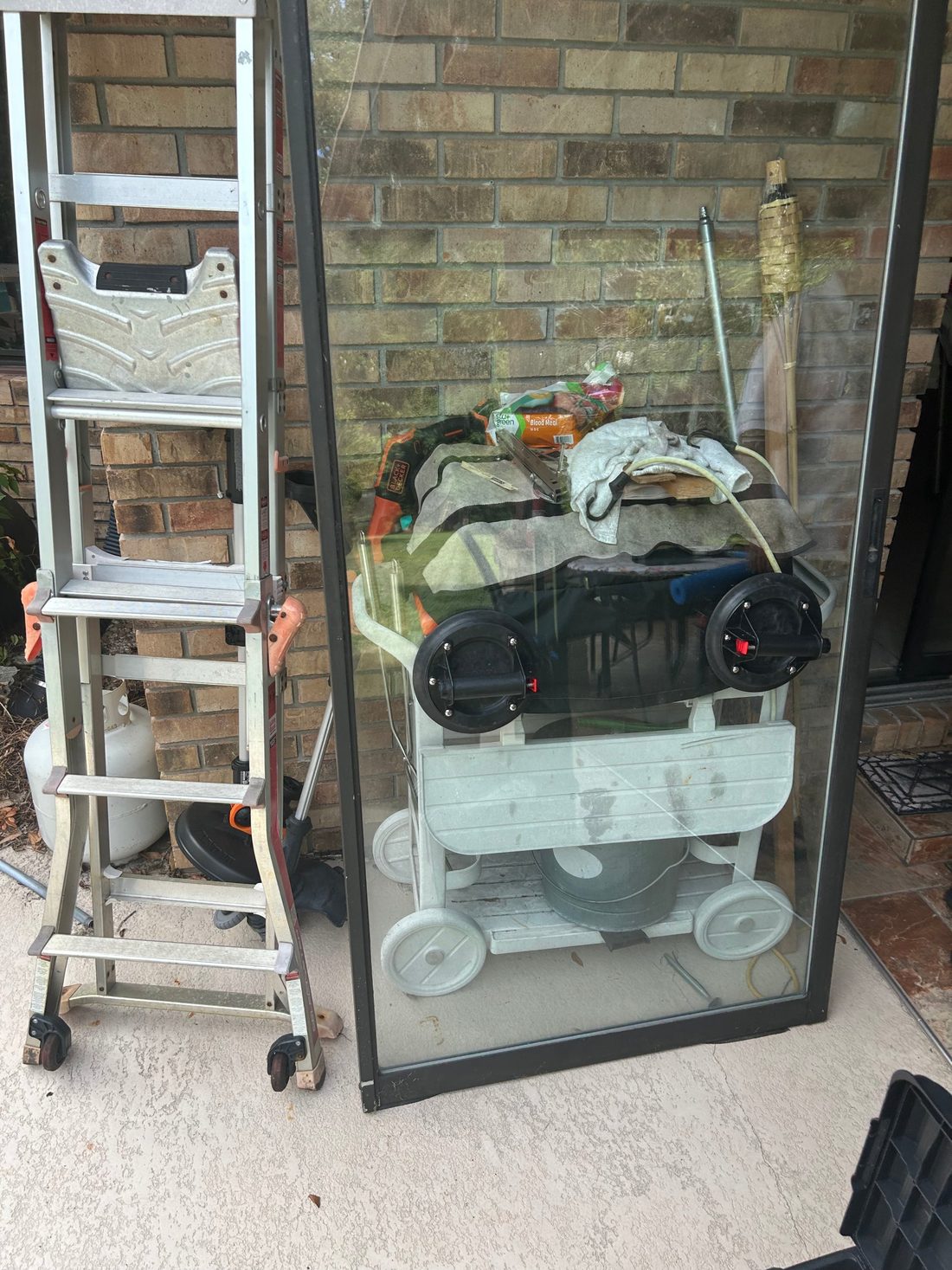
Cracked or shattered glass changes how an opening should be approached. Keep people and animals away and leave the panel still. A fracture can continue spreading with movement, and loose glass can fall where it is difficult to see. Report whether the opening is accessible from outside and whether the door or any loose piece is unstable. A technician will need to identify the glass, the type of unit and how the panel can be secured or handled. Use a photo from a safe distance if it can be taken without reaching over the damage. Mention any exit or exterior access concern when you call.
Record the label and quote the series accurately
Use a visible mark or earlier paperwork as a starting point. The seller should verify the actual assembly before you commit to it.
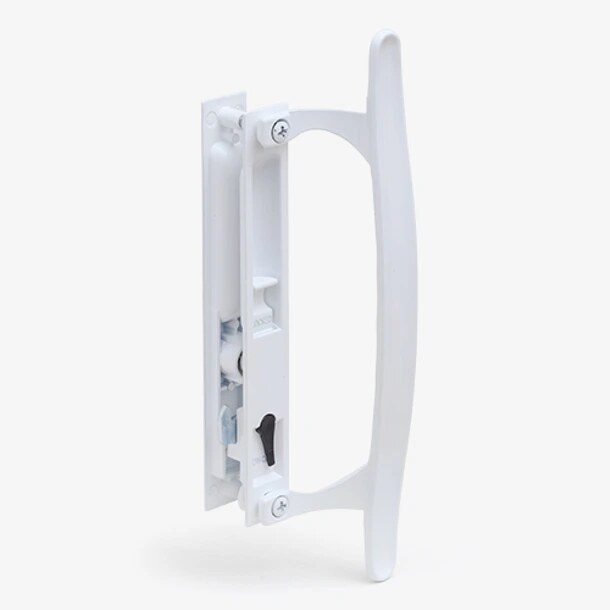
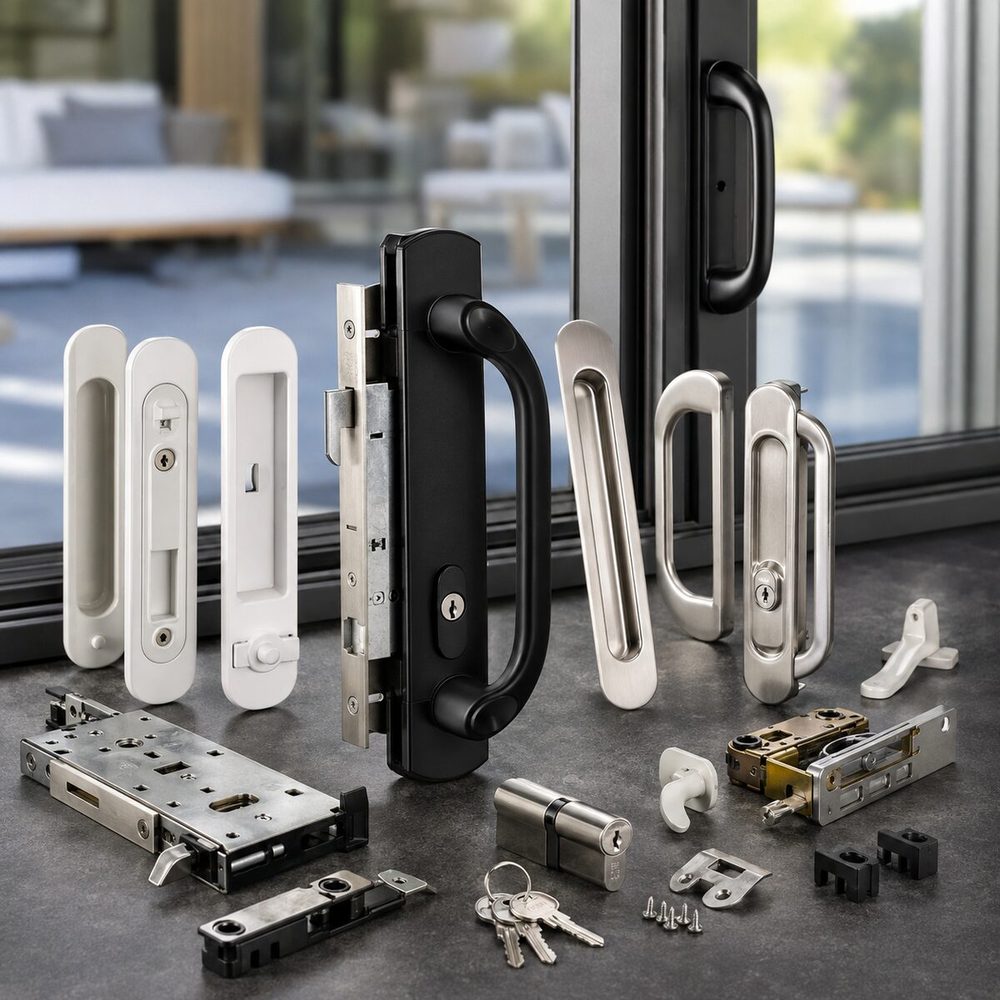
Use the clearest record you already have. The manufacturer's product name, a glass mark and an invoice can each identify a different part of the opening. Write down where you saw the detail. A label on a handle may identify only that hardware, while a door serial number can identify the original frame series. Keep a wide photo with the information so a technician can match the record to the right opening. If a previous owner changed the glass or wheels, bring the paperwork if available. A verified measurement or fitting check should still be part of selecting a component for the actual door.
Ask about appearance from the outside
Show any grids, tint and reflection that need to match. At a managed property, give the written exterior requirement to the person specifying the glass.
Look at the affected door alongside the visible surfaces it should match. Check what is controlled by the property, such as frame color, grid layout or exterior glass reflection. Write down which part actually needs work and ask whether it changes the visible surface. If an outside finish is retained, include that in the scope. A finish sample can support a discussion with management while the repair provider verifies compatible hardware and glass. Those are different checks and both can matter for the finished opening. A simple daylight photo can help everyone refer to the same appearance without reaching an unsafe exterior side.
Decide how the glass will reach the opening
Give the floor and the route to the door. A heavy or large unit may require a planned handling path even when the glass fits the frame.
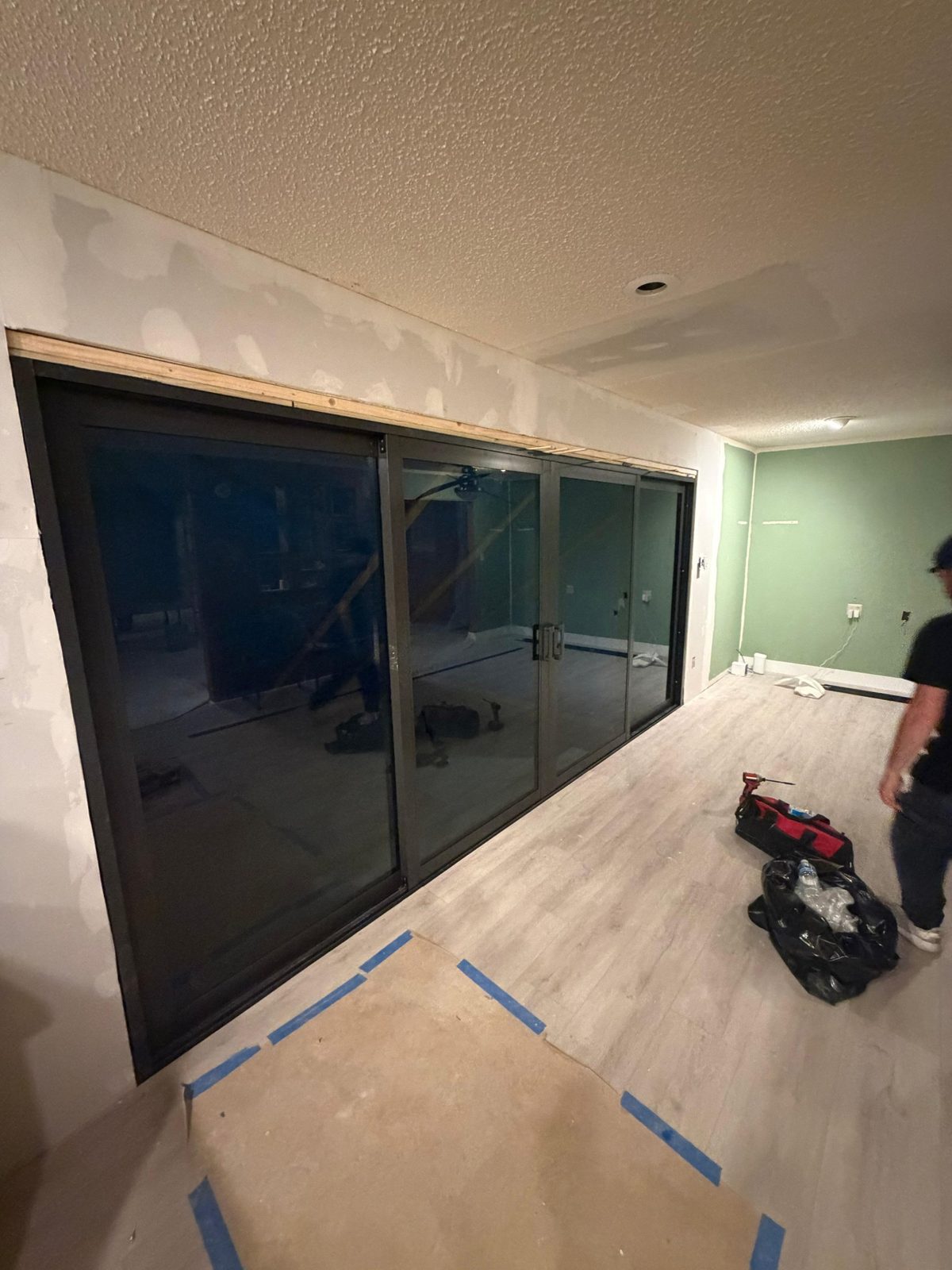
A wide panel affects how work gets to the opening as well as what fits in it. For a multi-story unit, ask about the loading area, elevator and landing size. For a home, account for stairs, tight turns and the safe approach to the patio. Someone who knows the building can confirm the usable access before the visit. Identify the fixed and moving panels and whether the existing unit can be left closed or needs assessment sooner. When a part must be ordered, ask what remains in place and who will coordinate the next visit. Timing and site access can be important even when the repair part itself is small.
Compare quotes for the same glass and scope
Ask each proposal to describe the panel, glass assembly, removal and fit check. A material name on its own is hard to compare.
When comparing written proposals, separate the stated problem, labor, parts, access and any follow-up. A quote with a clear diagnosis can still depend on what is found when a hidden component is reached. Ask what approval is needed if the scope changes and what the technician expects to show you when finished. Costs can differ because the proposals include different things, such as new wheels and adjustment in one estimate and only cleaning in another. Keep the proposals tied to the same opening and desired outcome. Discuss availability and separate building work as part of the decision rather than assuming they are included.
Local examples in Coronado and Del Mar
A Coronado property may have an exterior exposure that changes the handling plan, while a Del Mar or La Jolla condo can have a formal approval for glass appearance. Give the same specification to the provider and management. A glass quote should also identify whether the damaged piece is fixed or moves with the door. That distinction can affect access and the hardware check after replacement.
Questions to ask
Can I choose any safety glass that looks similar?
Ask the professional to verify the required standard and the assembly the opening supports. Fit, thickness, retainers and product documentation all matter.
Does laminated glass make a patio door secure by itself?
Security depends on the entire opening, including the panel, frame and lock. Ask what a proposed assembly is rated to do and what it changes in daily use.
Should I keep a photo of the glass label?
Yes, if it can be photographed safely. Save the new specification with the invoice so a future service provider can identify what was installed.
Local service and related pages
Explore Sliding Door Glass Replacement, Sliding Door Panel Replacement. Service-area details are available for Coronado, Del Mar, La Jolla. Call 619-389-3123 or send a service request to describe the opening at your property.