Good security starts with a patio door that closes correctly and a household that can tell when it is latched. A secondary device, compatible handle or better closing fit can all be part of a plan, depending on the opening and who uses it. Start by describing what the current door actually does and which changes the building or household can use safely.
Begin with reliable everyday latch engagement
Use the existing lock as intended on a stable door. If it engages only with extra pressure, identify where the keeper and latch meet and request an inspection.
Most sliding door locks rely on the panel meeting a keeper at the correct height and depth. A latch that turns normally with the panel open but misses when closed often leads to an alignment check. A lever that spins or feels disconnected leads toward the link between handle and lock or the mechanism itself. Look at the relation of those parts without repeatedly forcing the lever. Ask what changed and which component is actually worn. After service, use ordinary closing force and confirm that engagement is clear. Mention if the latch issue leaves the opening unsecure or the patio route needed by occupants cannot be used.
Account for someone who needs the patio route
Discuss which residents or visitors use the opening and how they would exit when needed. Extra hardware needs to work with the use and requirements of that door.
Some doors are important routes for the people who live or work in a building. Before changing a lock or placing anything near the opening, think about who needs to use it, whether there is a building procedure, and how the person would open it during an urgent situation. An extra device can affect how the door works and how much effort it takes to exit. Discuss intended use and relevant requirements with the property owner or appropriate professional. If a door cannot be secured or a required route is affected, identify that in the service request so the building can manage access and the repair can be planned accordingly.
Observe the panel instead of forcing the lever
Look at the closing gap from the room. If it narrows sharply at the top or bottom, describe how the door sits and whether ordinary movement has changed.
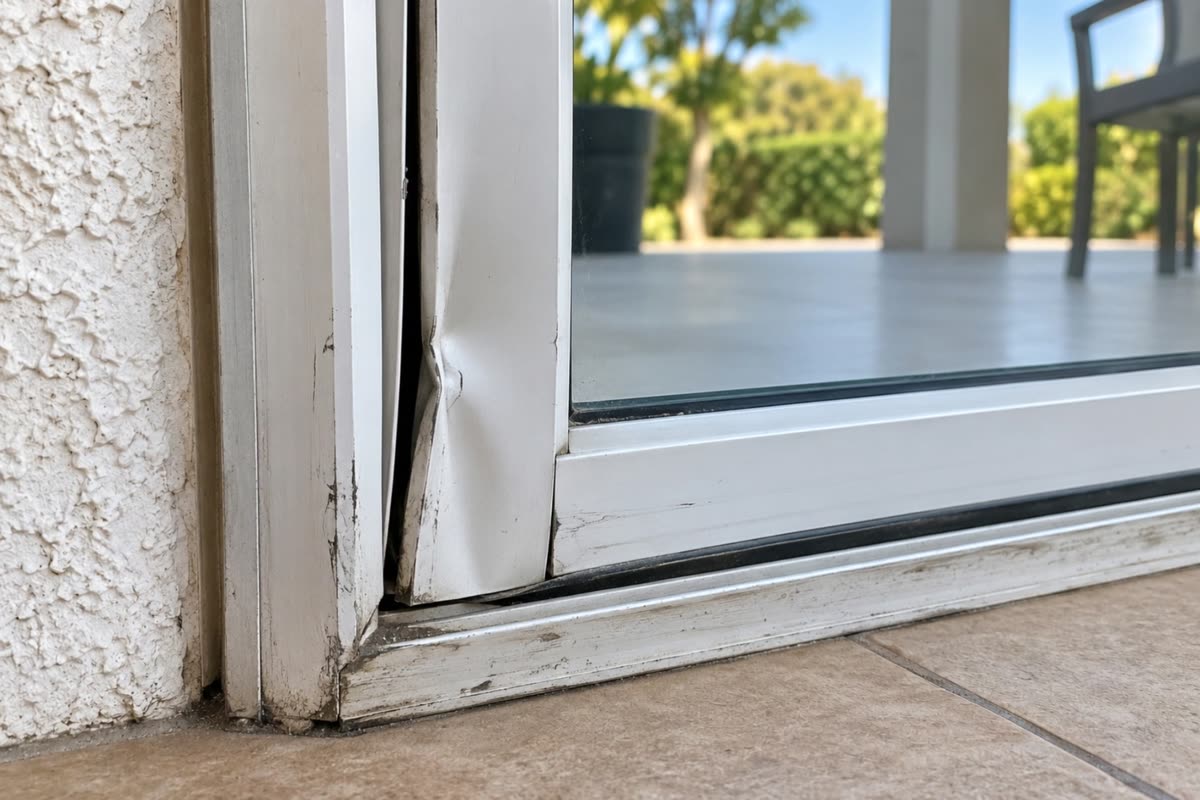
A level-looking door can still miss an opening that is slightly bowed or out of square. A technician checks the relationship between the door and frame at multiple points. A narrow gap at one corner, repeated contact at the same trim location and a changing lock position provide a more complete picture than one isolated measurement. It is useful to mention any recent flooring, threshold or surrounding frame work. Some problems can be corrected by adjusting a sound panel, while others come from a damaged component or movement around the opening. Ask where contact occurs and what needs to be stable for the adjustment to hold.
Check what the pull and lock share
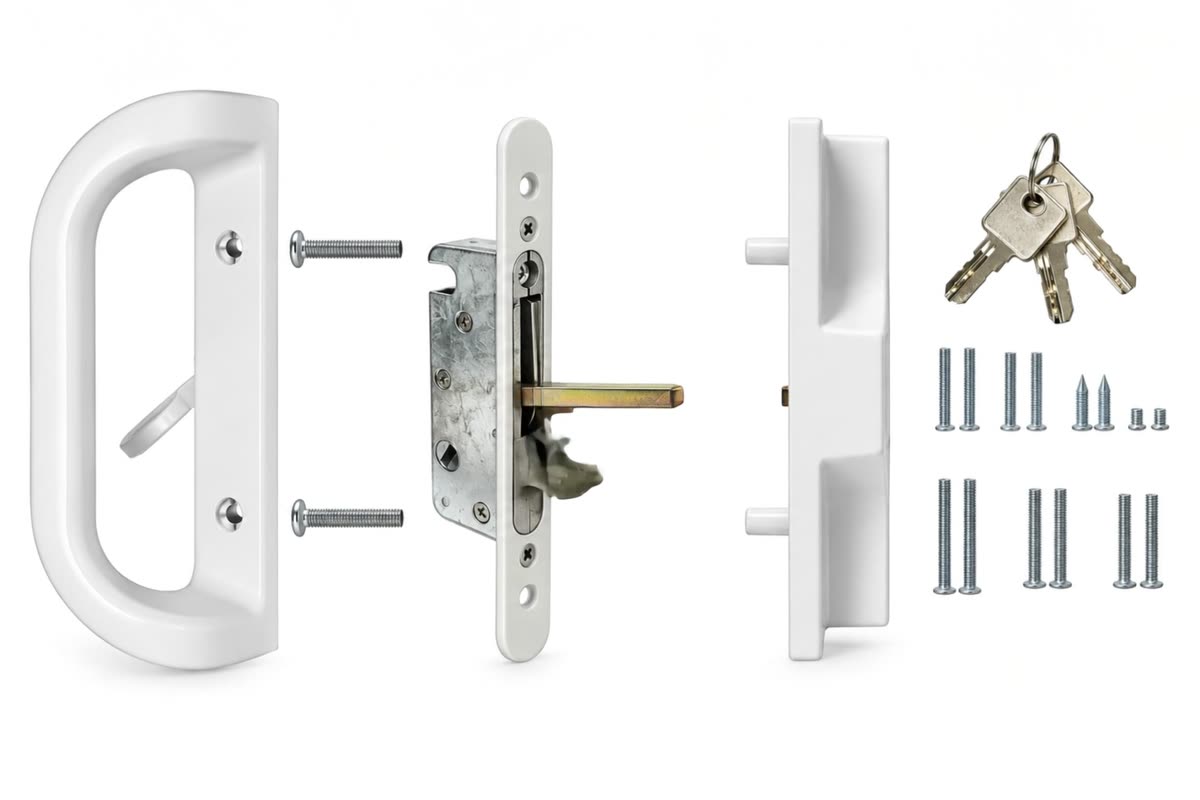
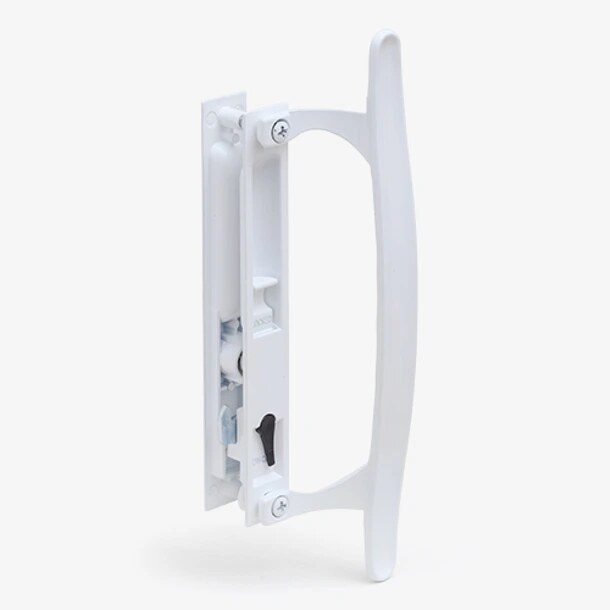
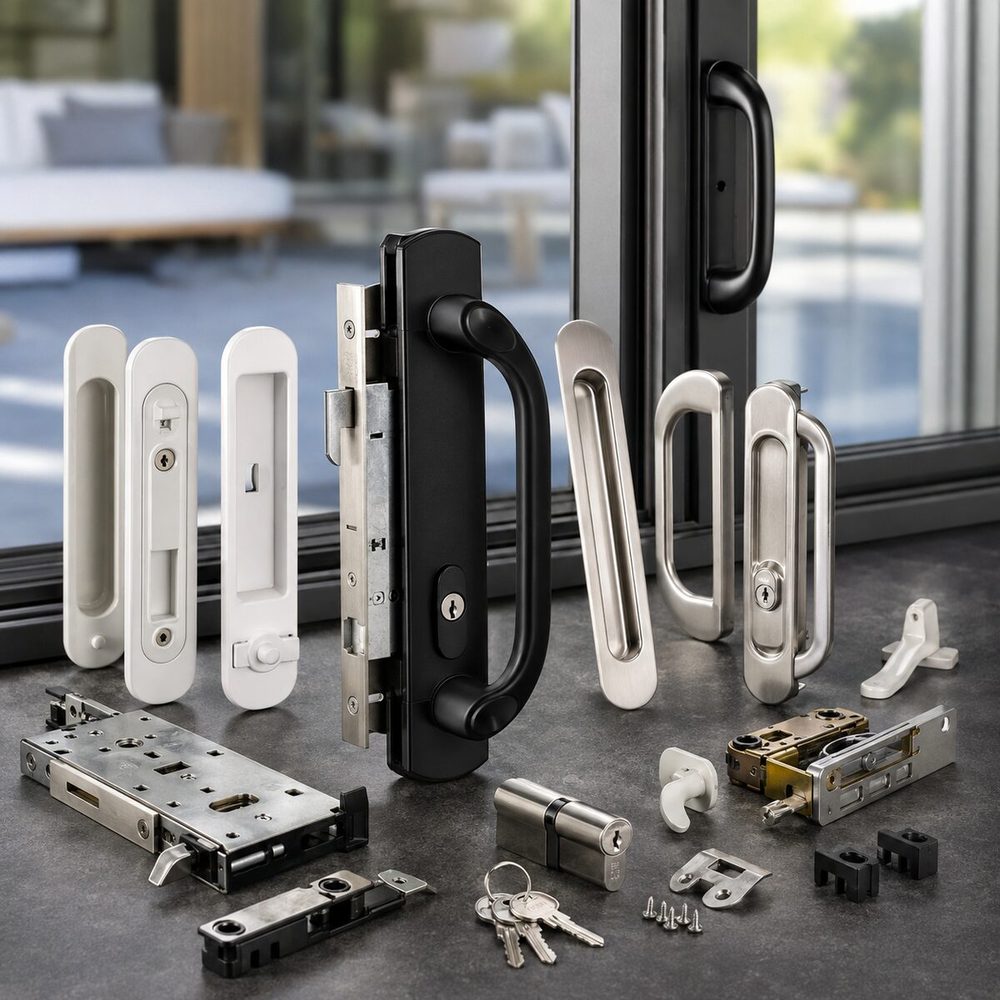
A lock change can require a compatible pull, lever or cylinder. Confirm the parts and outside clearance for the existing door before selecting a new set.
Try to identify the failed connection in the handle assembly. The pull may no longer sit firmly on the panel, the thumb lever may have lost its connection to the lock, or the outside piece may interfere with a neighboring frame. A photo of the shape alone usually misses one of those details. Give a view of the attachment, closing edge and gap to the screen where those parts are accessible. Before fitting another handle, ask how the panel moved before the failure. That helps account for the load that loosened the original screws or mounting face. A compatible part has to stay in place during ordinary use.
Plan for a rental or shared property
Ask the property contact who can approve hardware changes, who will have access and how occupants will be informed about the new operation.
A tenant can describe the symptom well even when the owner has to approve the repair. Ask the occupant which opening, what has changed and whether it can be left secure. Then identify the person who can authorize the visit and parts, plus any property management rules. It helps to give the tenant and technician the same label for the unit and opening. Someone who writes “back slider” may mean a different door from the person arranging access. Keep the work order, approved scope and follow-up notes in one place. When several tenants report a problem, distinguish their doors rather than combining everything into one diagnosis.
Confirm any exterior appearance rules
In a property with matching balcony doors, describe proposed exterior changes before ordering. A finish requirement and a lock operation concern both deserve a place in the scope.
Look at the affected door alongside the visible surfaces it should match. Check what is controlled by the property, such as frame color, grid layout or exterior glass reflection. Write down which part actually needs work and ask whether it changes the visible surface. If an outside finish is retained, include that in the scope. A finish sample can support a discussion with management while the repair provider verifies compatible hardware and glass. Those are different checks and both can matter for the finished opening. A simple daylight photo can help everyone refer to the same appearance without reaching an unsafe exterior side.
Consider glass and panel condition
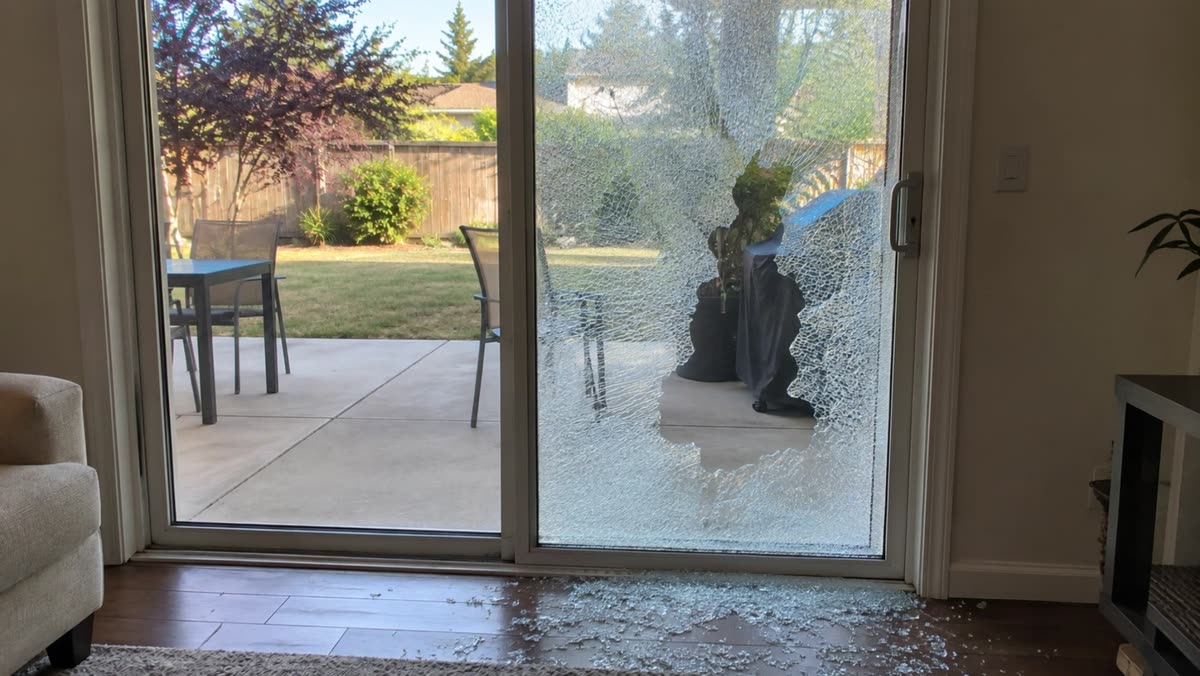
Visible cracked glazing or damaged retention needs its own evaluation. Ask how a properly specified glass unit and sound panel support the use of the opening.
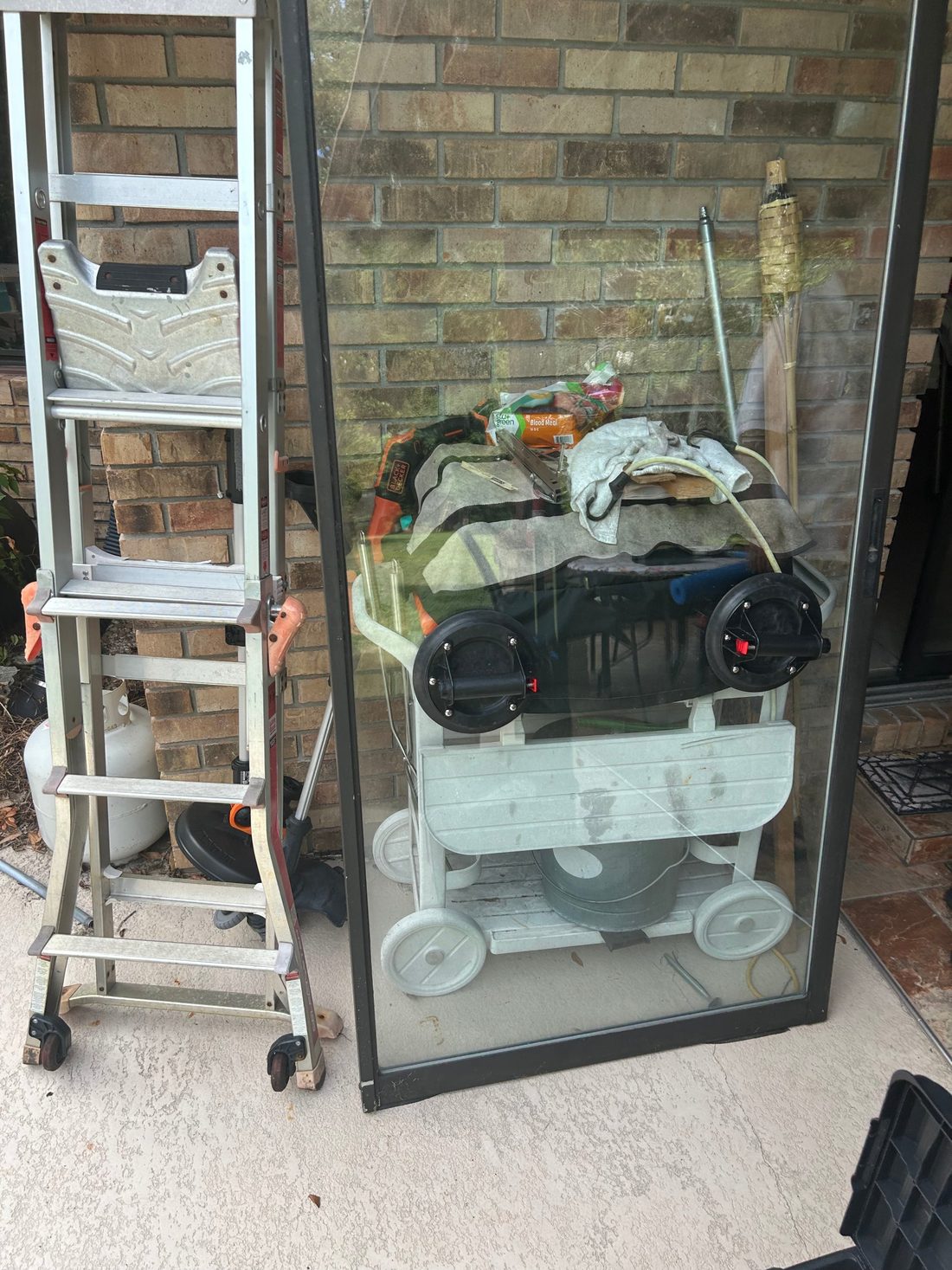
Glass in patio doors is a product selected for the application, not simply for appearance. A replacement needs the dimensions, safety requirements, thickness and type of unit that the panel can support. Nearby panes may have particular tint, coatings or grids. A visible mark can help identify the existing glass, while the installer still needs to confirm the specification for the opening. Ask for the planned glass type in writing and how it was selected. If an association controls the outside appearance, verify that requirement before ordering. Think about how the panel will hold the replacement as well as how the new glass will look from the room.
Talk through realistic repairs and upgrades
Ask for the scope to identify the immediate repair, any optional device and how each changes use. Keep regular operation, appearance and authorization on the same page.
Write the desired outcome next to the symptom before approving work. For a door that catches, it could be normal effort over the original trouble spot and a latch that engages without lifting. For a glass job, it could be a specified replacement unit in a sound frame and a panel that closes normally. Ask what parts are covered, what remains in place and what would require a separate decision. For a powered entrance, include the site contact and operating checks. The written scope should let you and the provider agree on which opening and function are being addressed, even if an inspection changes the proposed work.
Test security under normal use
Ask every household member who regularly uses the door to learn how it latches. Check for lift, hard pressure or another step that someone might skip.
Use the action the occupant performs in daily life as the finish check. Bring the door from rest through the original hard spot and let it reach the closing edge with normal effort. Confirm any seal or gap that was part of the scope. Pay attention to the threshold and how the latch feels if those affect use. Ask what a future change might look or sound like and where to find the care information for the installed part. A demonstration is more useful when it reflects the person and route that originally prompted the call. Give the technician a chance to see any issue that remains.
Leave a clear record of the change
Write down which hardware was installed and who can request service. Include model details and any approved operating instructions for the next occupant.
Document the condition of the opening after the visit while it is fresh. Include what was serviced, which components remained in place, and whether the door traveled, closed and latched in ordinary use. If a second visit is needed, capture the part or approval required and who is responsible for arranging access. Keep a short care note from the product instructions. This is especially helpful for a rental or commercial site where the person reporting the issue is different from the person who approved the work. A clear handoff prevents a follow-up call from starting with the same unanswered questions about the opening.
Local examples in Imperial Beach and San Diego
An Imperial Beach household may first notice that an exposed patio latch is hard to turn during part of the day. A San Ysidro rental may have a tenant report that the door will not secure at all. The first request should describe the timing and closing fit. The second needs the unit, access and authorization contacts, and an account of the opening's current condition. Both benefit from a clear check of the existing hardware before changes are proposed.
Questions to ask
Should I add another device to every slider?
Start with ordinary closing, engagement and the purpose of the route. Discuss compatibility, ease of exit and any building requirements for the actual door.
What if a tenant has added their own hardware?
Tell the owner or property manager and document what is there. Have the technician evaluate its effect on the panel and how people use the opening.
How can I tell what the repair fixed?
Ask for a normal open and close demonstration and a description of which part now keeps the panel secured.
Local service and related pages
Explore Sliding Door Lock Repair, Sliding Door Handle Repair, Sliding Door Frame Repair and Alignment. Service-area details are available for Imperial Beach, San Diego, San Ysidro. Call 619-389-3123 or send a service request to describe the opening at your property.