A door that lifts or tips feels different from a slider that is simply stiff. The concern is where the panel is sitting now and whether it can stay there without anyone operating it. You can give a technician a useful account of what happened while leaving the opening alone. Start with the people using the room, the panel's position and whether the doorway can be secured or bypassed.
Keep the area around the panel clear
A panel that is tilted or no longer seated in its normal path needs space. Move people and pets away and avoid using the slider to demonstrate the issue.
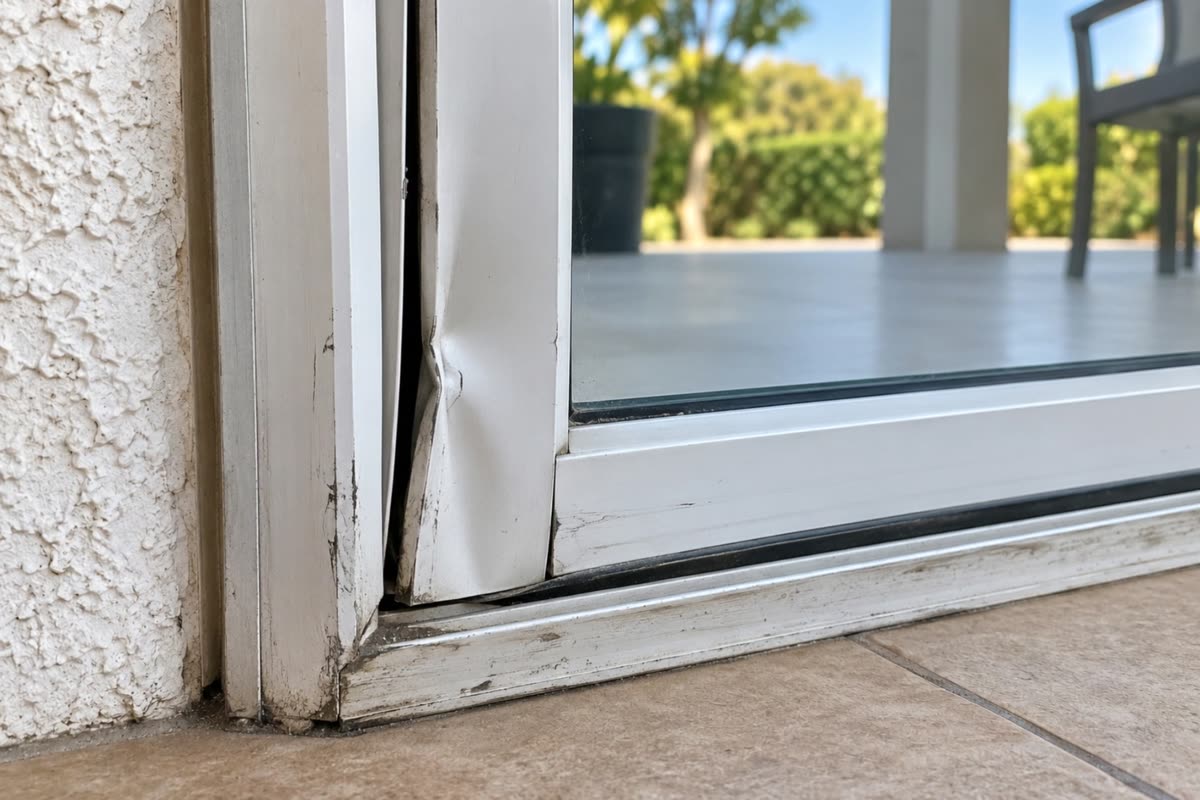
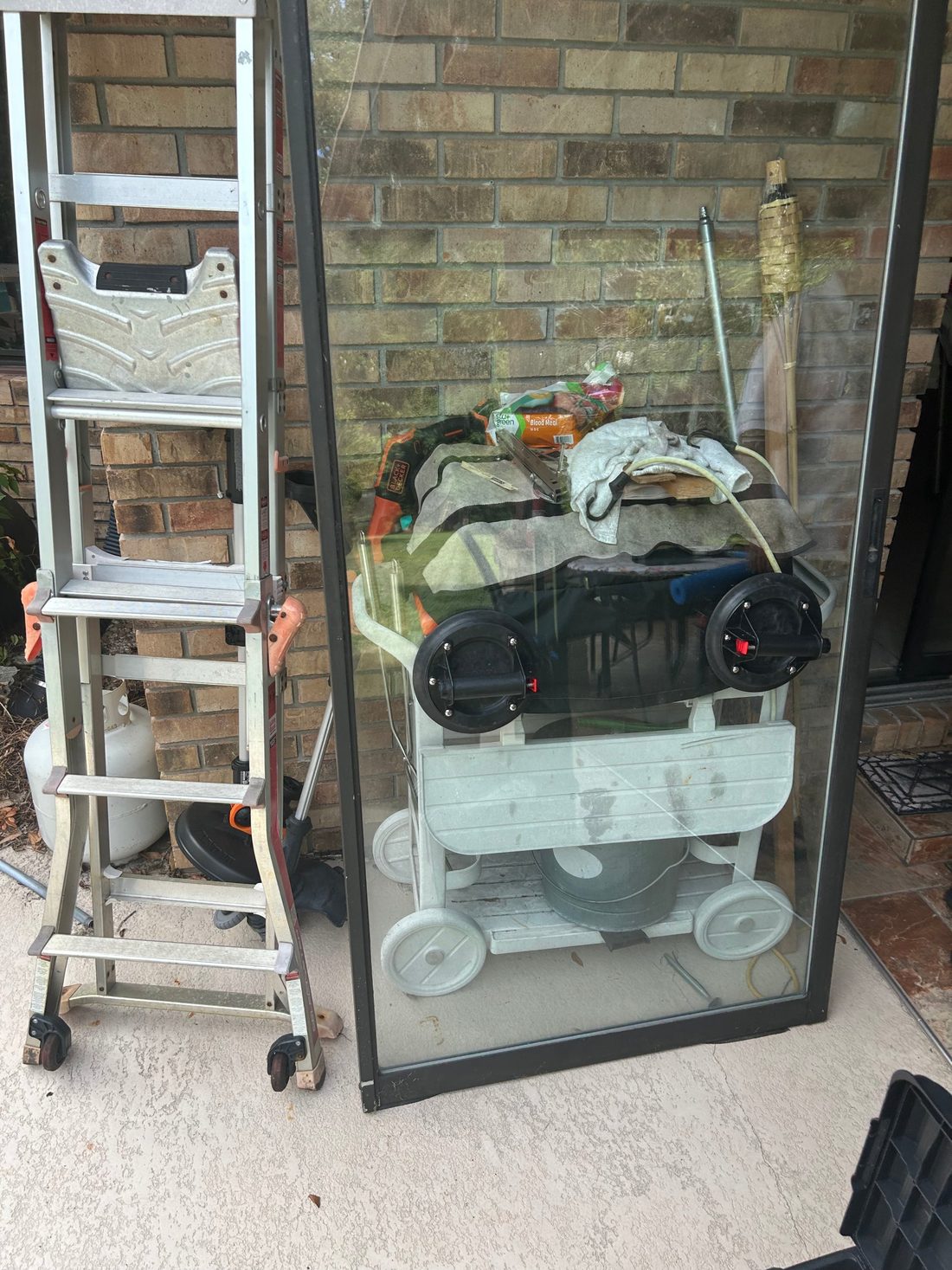
If the panel appears to have lost stable support, treat that observation as the first thing the service provider needs. Keep the room or patio side clear and record the position from a safe place. An opening that was left partly open can raise access and security questions even before the part failure is known. Tell the responsible property contact whether people can approach it from either side. The technician can plan the required support after seeing the panel and approach. A heavy glass door can move unexpectedly when someone tries to hold or lift it, so use a description of the current state instead of demonstrating it.
Report glass condition separately
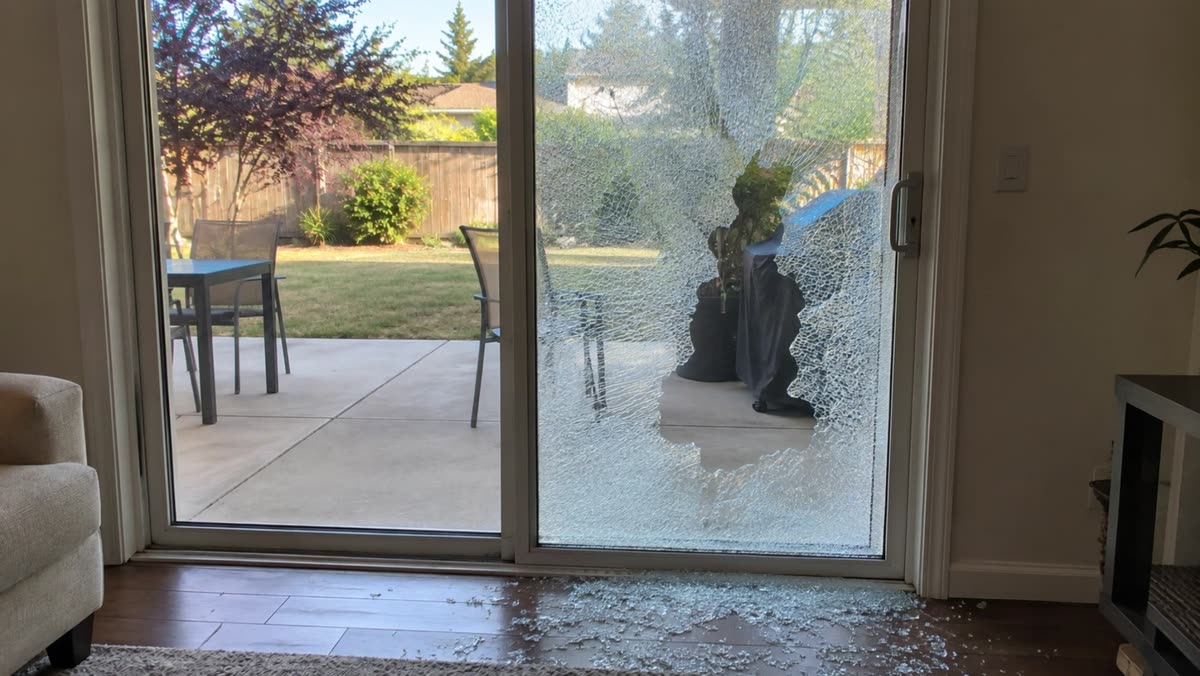
Say whether you see a crack, loose glazing or pieces on the floor. A door can shift without breaking, and visible damage changes how the visit can be planned.
Cracked or shattered glass changes how an opening should be approached. Keep people and animals away and leave the panel still. A fracture can continue spreading with movement, and loose glass can fall where it is difficult to see. Report whether the opening is accessible from outside and whether the door or any loose piece is unstable. A technician will need to identify the glass, the type of unit and how the panel can be secured or handled. Use a photo from a safe distance if it can be taken without reaching over the damage. Mention any exit or exterior access concern when you call.
Identify which panel left its normal position
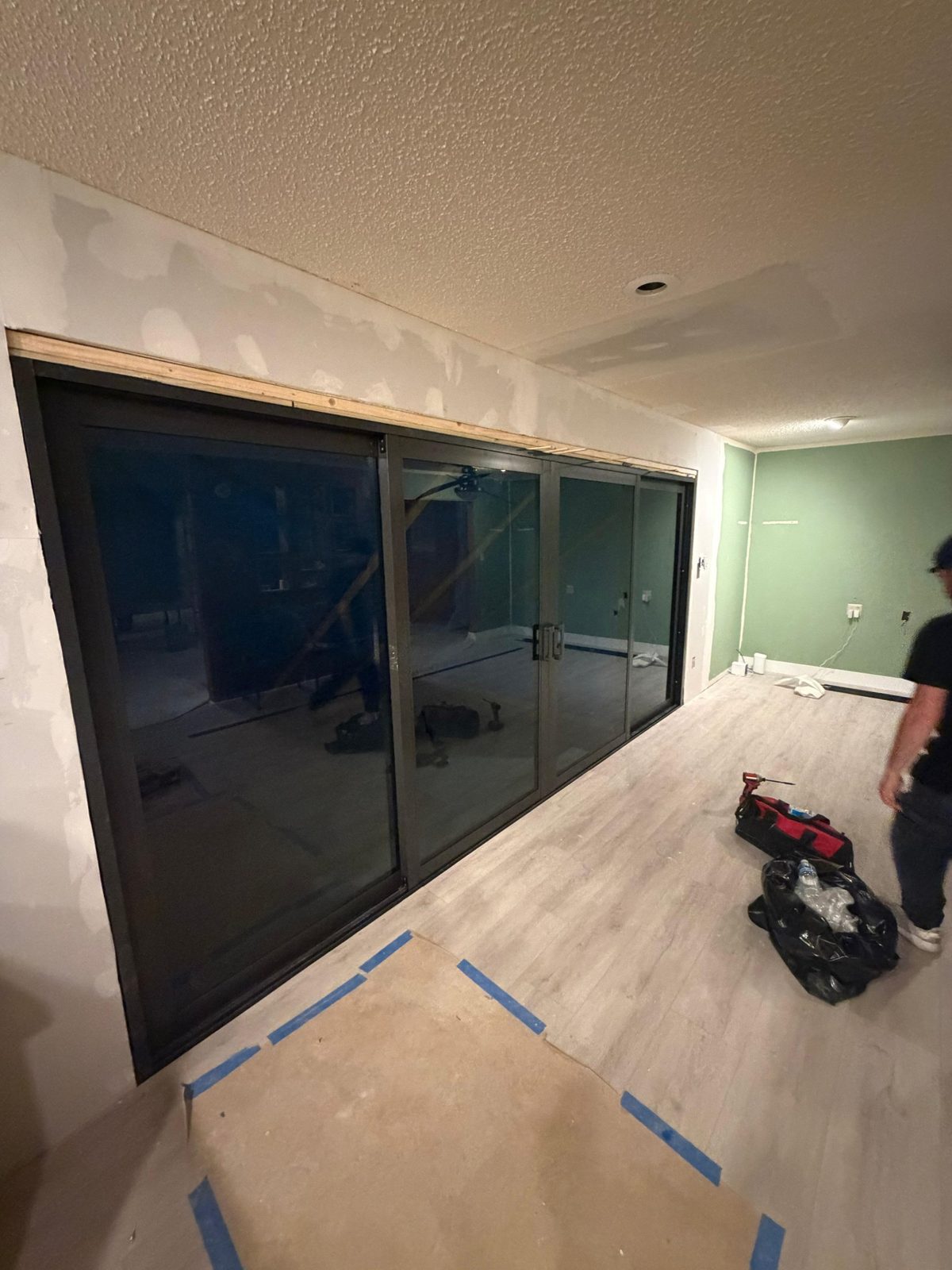
For a wide opening, name the moving section as viewed from indoors. Tell us whether a nearby fixed panel or second moving panel appears affected.
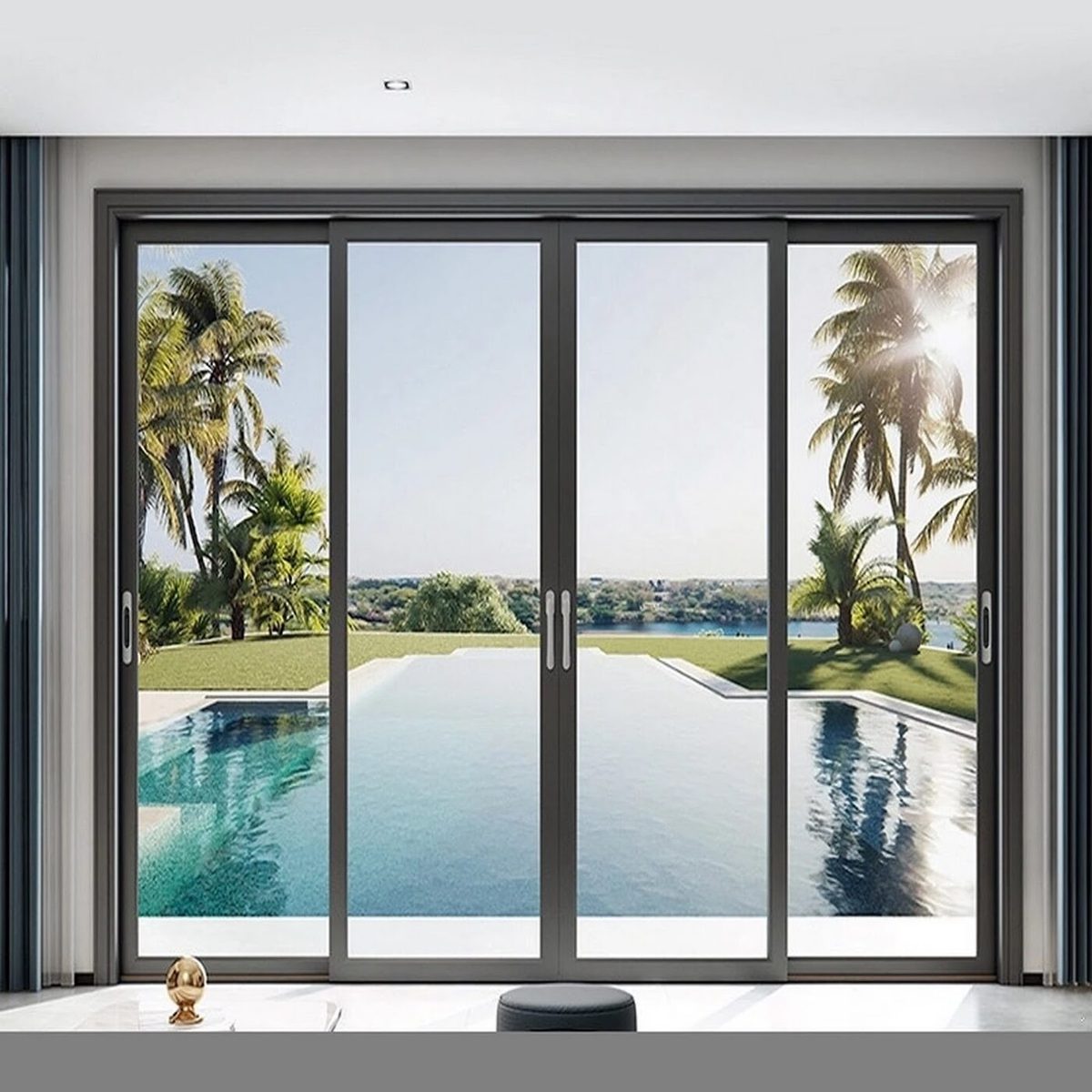
Identify which pieces of a sliding system actually move. Some openings have one active panel, some have more than one, and a stationary panel can look almost identical from inside. Use a room name and describe the affected panel from a fixed viewpoint, such as looking out from the living room. If two panels share a sill, note whether both feel rough over the same section. If the concern is glass, specify the exact pane or panel. This information helps distinguish a common track or frame problem from a defect limited to one moving unit and avoids assuming the wrong panel needs to be ordered or serviced.
Explain whether the opening is a route people rely on
Tell the property contact if the panel blocks access to a yard, balcony or other route. Share the condition of the latch and whether the opening is accessible from outside.
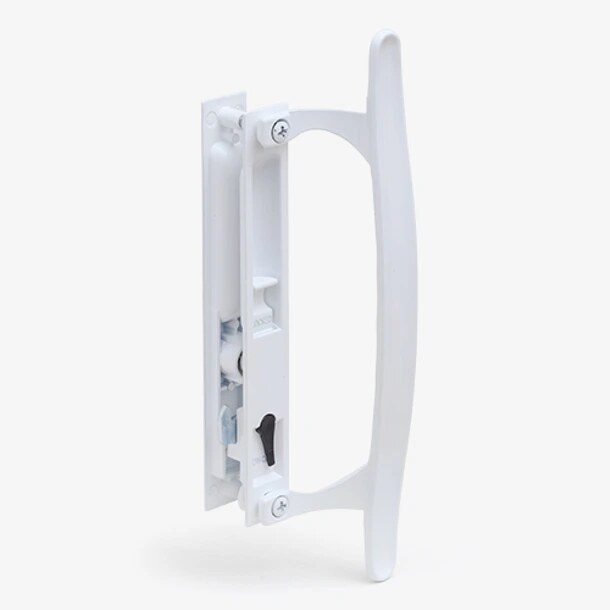
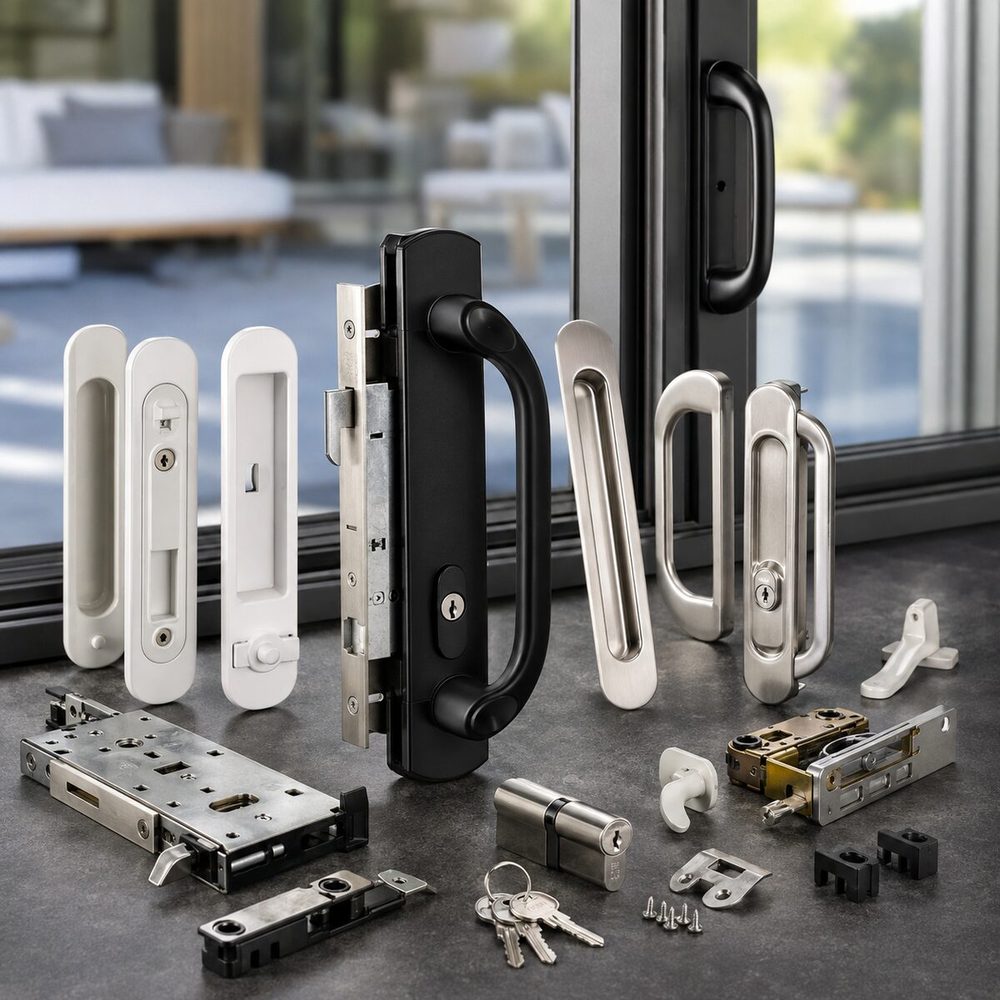
Some doors are important routes for the people who live or work in a building. Before changing a lock or placing anything near the opening, think about who needs to use it, whether there is a building procedure, and how the person would open it during an urgent situation. An extra device can affect how the door works and how much effort it takes to exit. Discuss intended use and relevant requirements with the property owner or appropriate professional. If a door cannot be secured or a required route is affected, identify that in the service request so the building can manage access and the repair can be planned accordingly.
Describe the moment the door lifted
Was there a hard bump, an impact or gradual deterioration before the panel moved off its path? Keep those details in order so the technician can evaluate the change.
The order of events can narrow a service request. Record whether the problem followed a storm, flooring work, a rail adjustment, glass replacement or an impact, or whether it developed gradually with daily use. Those details give a technician a reason to look for a changed clearance, damaged component or condition that is recurring. A short timeline is more useful than guessing why the first service did not last. Include any earlier receipt or part description that identifies what changed. If the issue disappeared briefly and returned, note how the door behaved during that interval and whether the same location or latch is affected now.
Give the technician a wide view of the lower path
A wide photo from a safe location can show where the panel left the rail and whether a previous cover is present. Leave close inspection to the service visit.
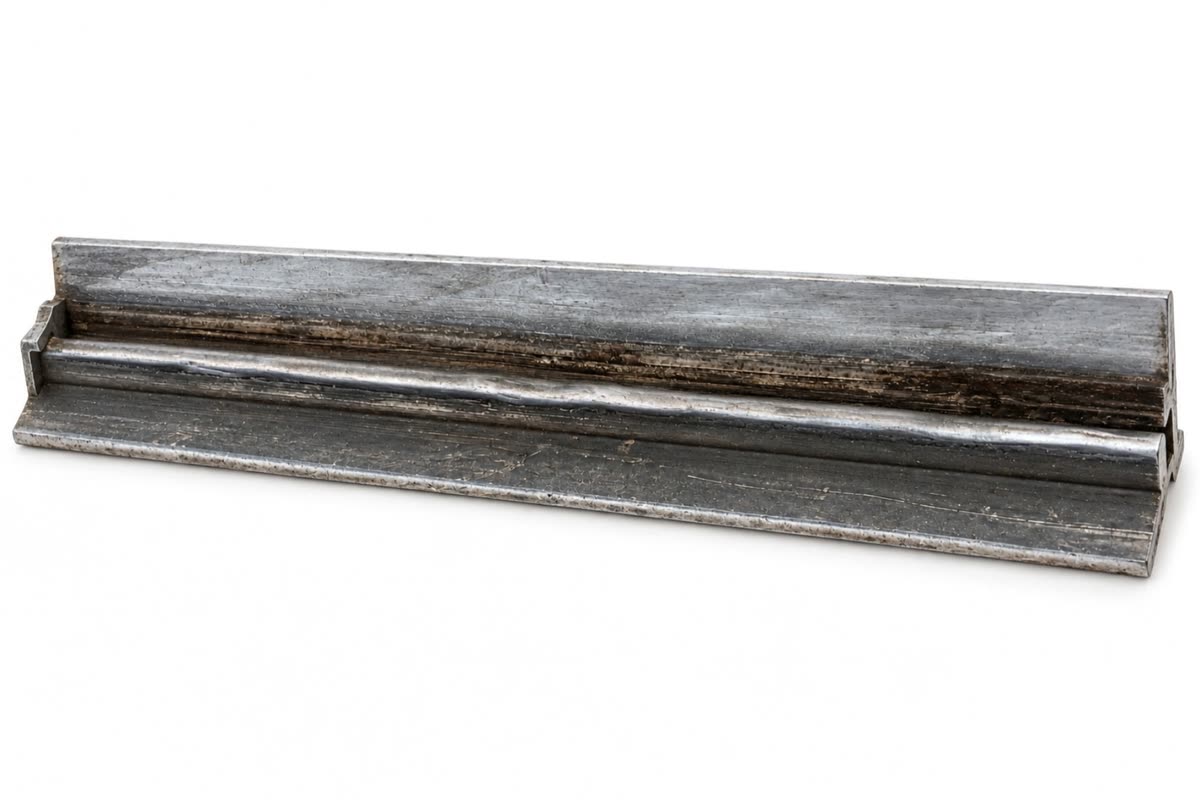
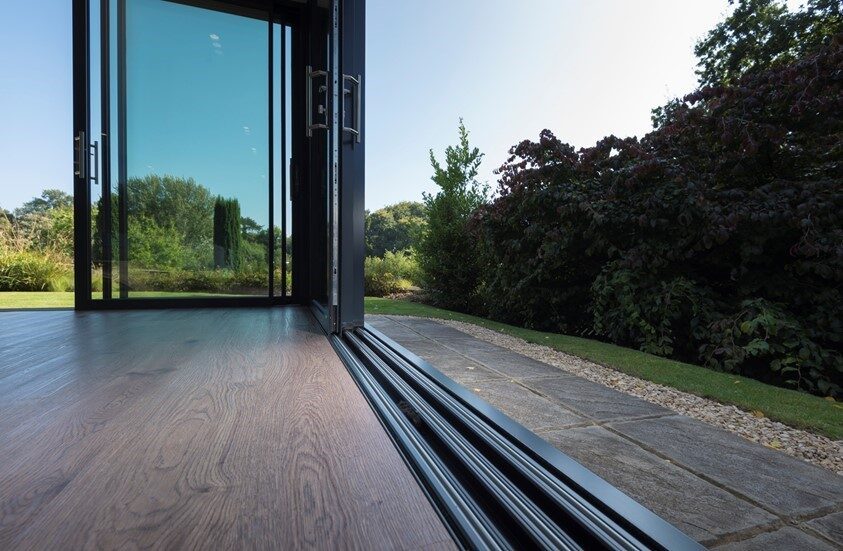
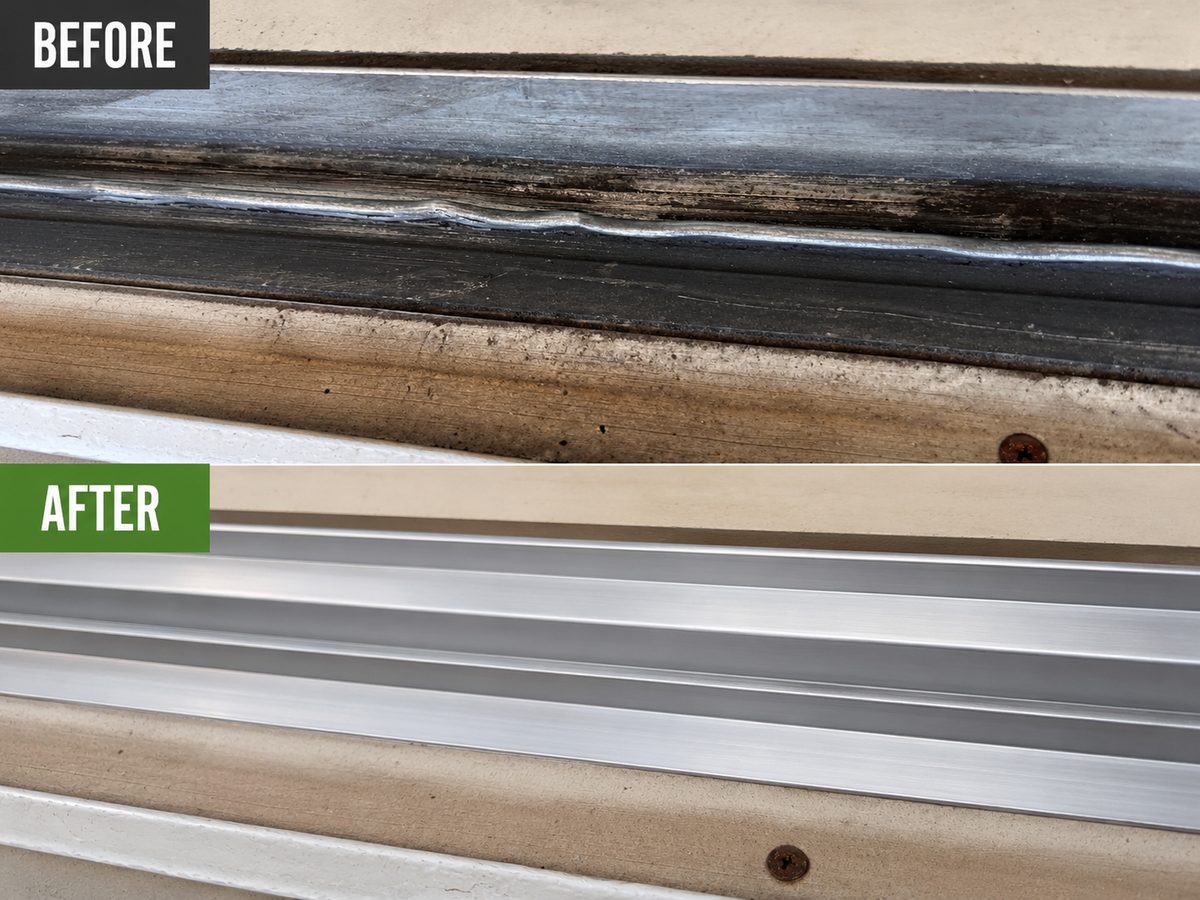
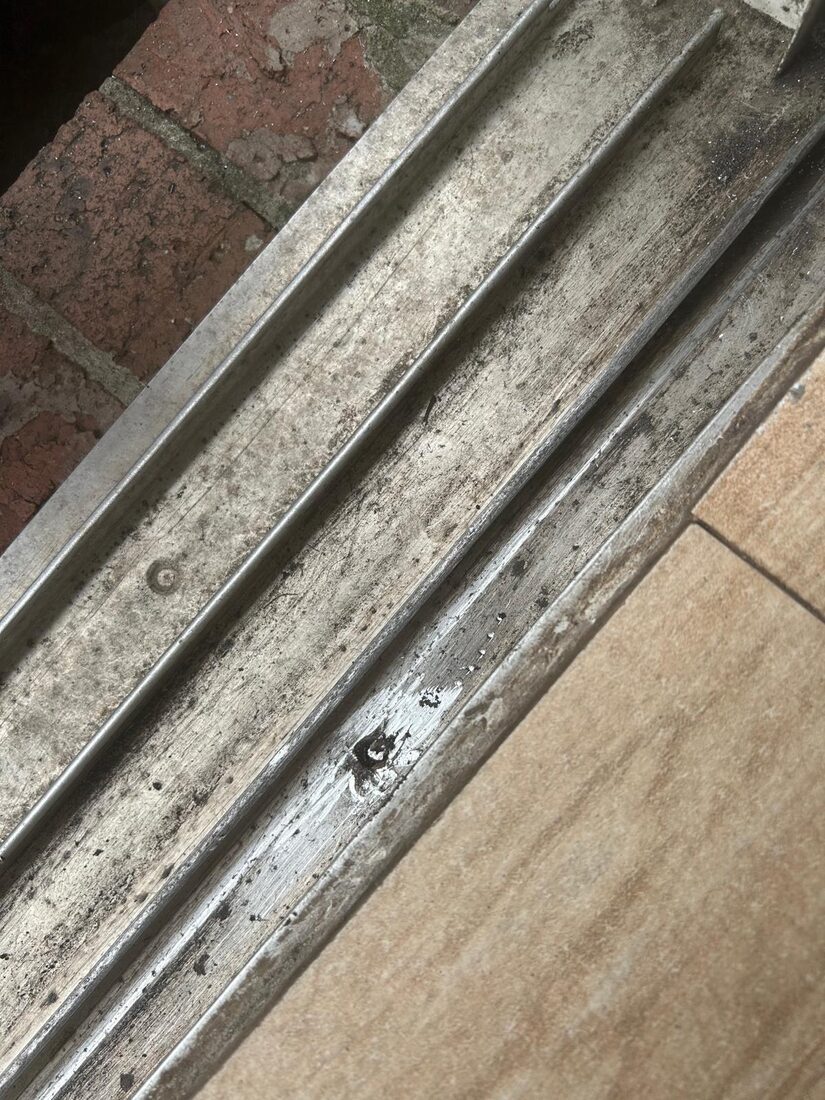
Think of the rail as part of the load path from the glass to the sill. Wear that follows the entire width of a busy opening is a different project from a short interruption near a joint. Ask which material is carrying the door and which layer is only a cover. If a previous repair profile is present, it changes how wheel position and panel clearance should be assessed. Point out whether the threshold moves when crossed, since that may be a support concern separate from a rough wheel path. A clear estimate states the length of damage and how the proposed repair will restore stable contact.
Mention earlier grinding or height changes
If you heard roughness for weeks before the event, report it. If the door was adjusted recently, note which part of its travel improved and how long that lasted.
The way a door behaves under load can reveal a roller problem that is hard to see when the panel is still. A wheel may be able to turn with very little force on it but feel rough once it carries the glazed panel. A bearing, wheel tread and housing can each change the outcome. Ask the technician to show which end carries the symptom and what the rail looks like at the point of contact. A good part match should account for travel, height and how the assembly attaches. A comparison with a similar moving panel is helpful only when its construction and weight are comparable.
Describe the fit at the top and sides
Tell us if one end sits closer to the jamb or the top than before. A wide image can show the position without anyone pushing the door to see what happens.
A level-looking door can still miss an opening that is slightly bowed or out of square. A technician checks the relationship between the door and frame at multiple points. A narrow gap at one corner, repeated contact at the same trim location and a changing lock position provide a more complete picture than one isolated measurement. It is useful to mention any recent flooring, threshold or surrounding frame work. Some problems can be corrected by adjusting a sound panel, while others come from a damaged component or movement around the opening. Ask where contact occurs and what needs to be stable for the adjustment to hold.
Prepare access for panel handling
At a second-floor opening or narrow patio, tell the service team how the panel can be reached from each side. Give the site contact before the appointment.
A wide panel affects how work gets to the opening as well as what fits in it. For a multi-story unit, ask about the loading area, elevator and landing size. For a home, account for stairs, tight turns and the safe approach to the patio. Someone who knows the building can confirm the usable access before the visit. Identify the fixed and moving panels and whether the existing unit can be left closed or needs assessment sooner. When a part must be ordered, ask what remains in place and who will coordinate the next visit. Timing and site access can be important even when the repair part itself is small.
Ask what keeps the panel seated after repair
A repair plan should identify the affected parts and where the panel is supported. Ask how the technician will check the running path and stable fit before normal use resumes.
A good scope names the opening, explains the observed problem and lists the parts or work that address it. It can also identify which sound components will stay and what condition could lead to a separate quote. That makes it possible to compare a minor adjustment, a component repair and a larger replacement on the same terms. Ask how the completed work will be tested and who will approve any additional work once the opening can be fully inspected. If access or a needed part could require a return visit, discuss that before work begins. Keep those details with the address and the affected room or entrance.
Local examples in Chula Vista and La Mesa
In a Chula Vista home, the problem might involve a wide glass panel leading to the family patio. Share whether people can use a different door and how a technician can reach the outside. In a La Mesa unit with a narrow landing, report the floor and which side of the panel can safely be reached. A large panel may need a different access plan from a small screen, even if both are described as off track.
Questions to ask
Is a single hard bump the same as a derailed panel?
A bump can happen while the panel stays seated. Leaning, lifting or visibly leaving the normal path changes the immediate concern. Share exactly what you see and how the opening can be kept clear.
Should someone hold the door while I take a picture?
Take a wide picture only from a safe location. Arrange professional support and access before attempting to reposition a heavy or unstable panel.
What should I ask after it is repaired?
Ask what caused the loss of seating, which parts were inspected or replaced, and how the door's travel and fit were checked.
Local service and related pages
Explore Sliding Glass Door Repair, Sliding Door Track Repair, Sliding Door Frame Repair and Alignment. Service-area details are available for Chula Vista, La Mesa, San Diego. Call 619-389-3123 or send a service request to describe the opening at your property.