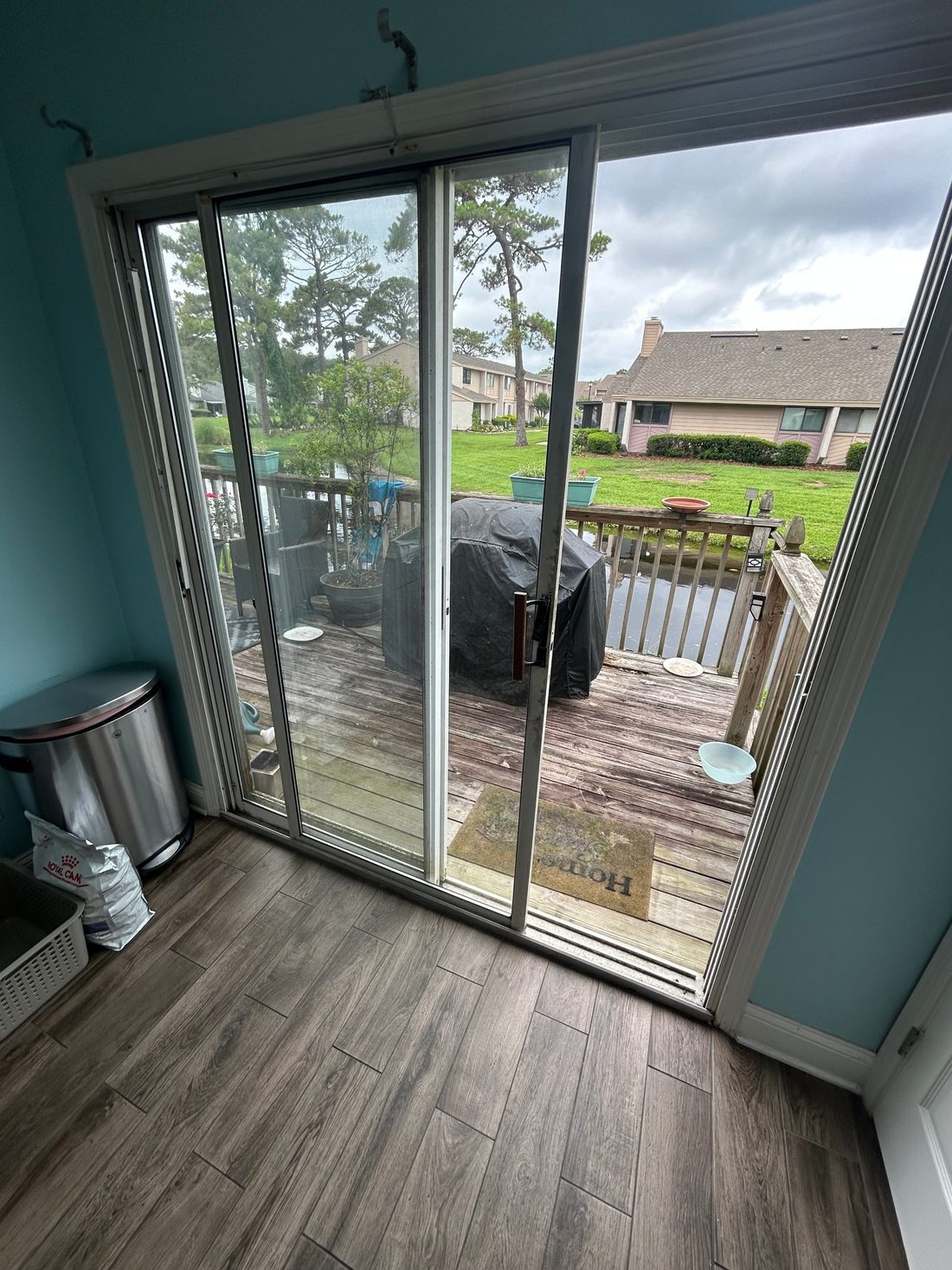
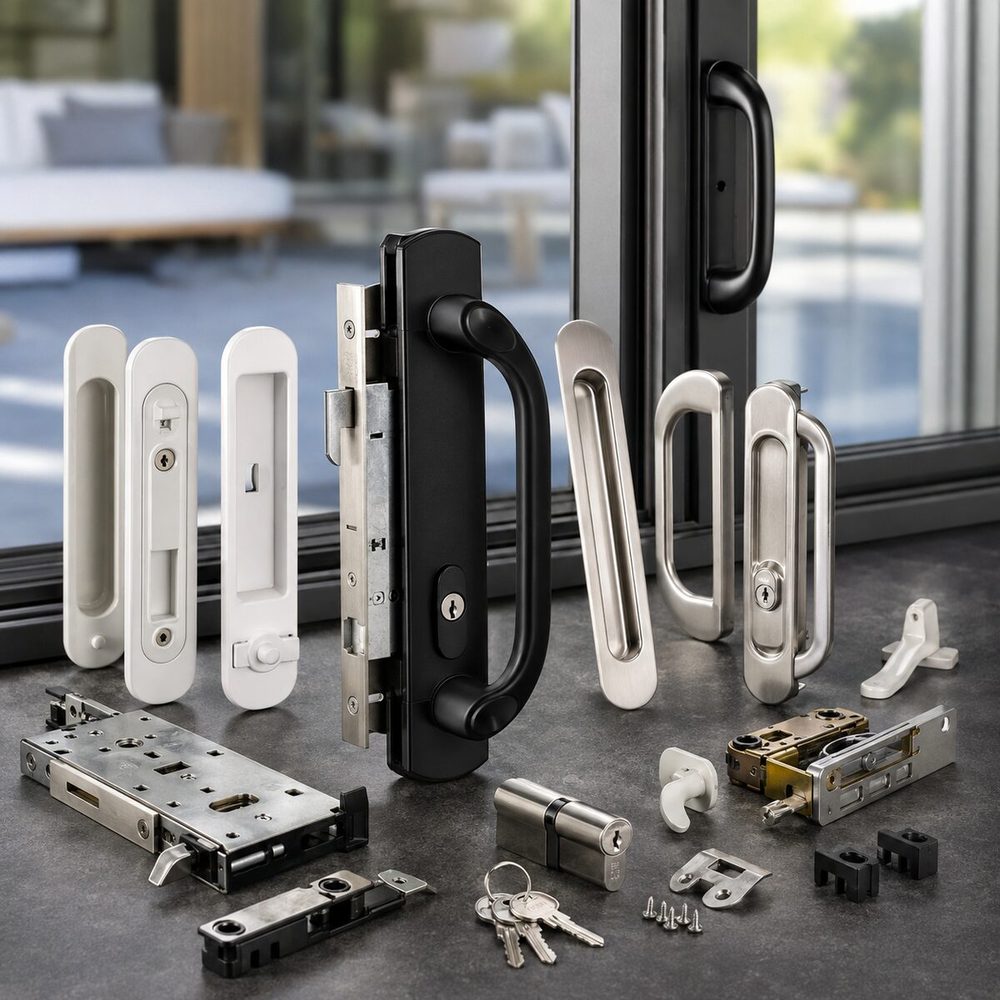
Your patio door reaches the end of the rail, and the thumbturn suddenly refuses to engage. You can save time by describing whether the problem is in the lever, the latch meeting the frame or the way the panel sits as it closes. The inspection begins with the door's current ability to secure and the exact place where ordinary closing stops working.
State whether the opening can be secured now
Give the practical concern first if a patio opening is exposed or a resident relies on it. Tell us whether there is a different usable route or access point.
The opening may serve someone who depends on it even if it is only one of several doors in the building. Tell the property contact who uses the route and under what conditions. Ask how access will be managed if the opening cannot be used while service is pending. Before adding hardware, discuss how normal entry and exit will work and whether the change affects a designated route. At a business, the responsible site contact should apply its procedures and accessibility requirements. At a home, include the needs of the people who use the patio so the plan works after the visit as well.
Notice where the latch meets the keeper
A mark above or below the receiving slot is useful in a safe indoor photo. Say whether the lever can move normally before the panel reaches the jamb.
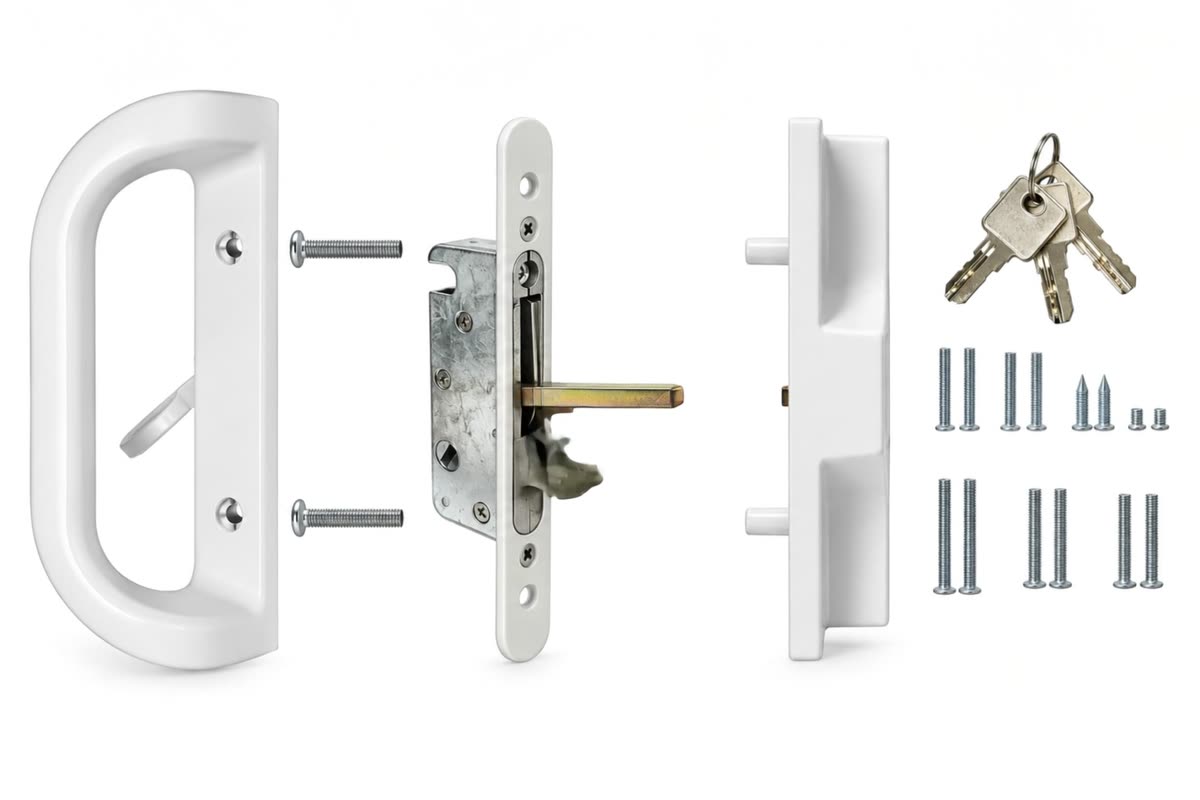
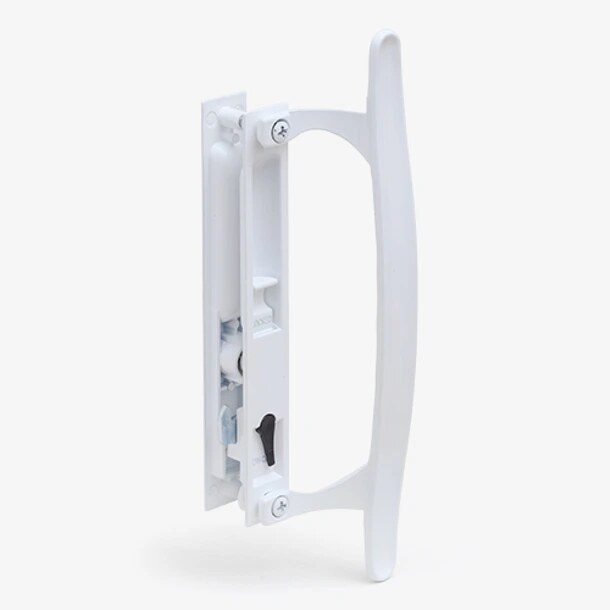
Most sliding door locks rely on the panel meeting a keeper at the correct height and depth. A latch that turns normally with the panel open but misses when closed often leads to an alignment check. A lever that spins or feels disconnected leads toward the link between handle and lock or the mechanism itself. Look at the relation of those parts without repeatedly forcing the lever. Ask what changed and which component is actually worn. After service, use ordinary closing force and confirm that engagement is clear. Mention if the latch issue leaves the opening unsecure or the patio route needed by occupants cannot be used.
Describe a lock that works only with a lift
If the lock catches when you raise the pull, describe which end looks low. The panel may need a height check before any lock body is chosen.
Panel height affects more than the bottom of the opening. A door held a little lower at one end can touch the jamb early, leave a wedge-shaped gap and miss the keeper. That explains why the effort at the handle, the closing fit and the lock often change together. A technician can compare clearances at both ends and establish whether the change is a supported adjustment or evidence of a component that will no longer hold its position. An adjustment that moves the panel away from one contact point should also be checked across the full travel and at the latch. Share any earlier adjustment and how long it held.
Separate a loose handle from a disconnected lever
Tell the technician whether the whole pull rocks or the thumb lever moves without shifting the latch. A photo of the handle edge and mounting surface can help.
The handle transfers force from your hand to the panel or to the lock mechanism. A loose pull may be the result of repeated hard opening after the panel became difficult to roll. The mounting face and holes can wear as the pull moves, so a visually similar replacement needs a sound attachment point. Lever length and clearance can also matter beside a screen or neighboring frame. If the new pull is intended to operate a lock, its connection to the lock must match. Describe both the condition of the pull and how the door moved before the handle loosened, so the repair addresses the load the new handle will see.
Look at the closing gap from indoors
Note whether the top touches before the bottom. If the gap changed after flooring or patio work, say when the change appeared and which surface was worked on.
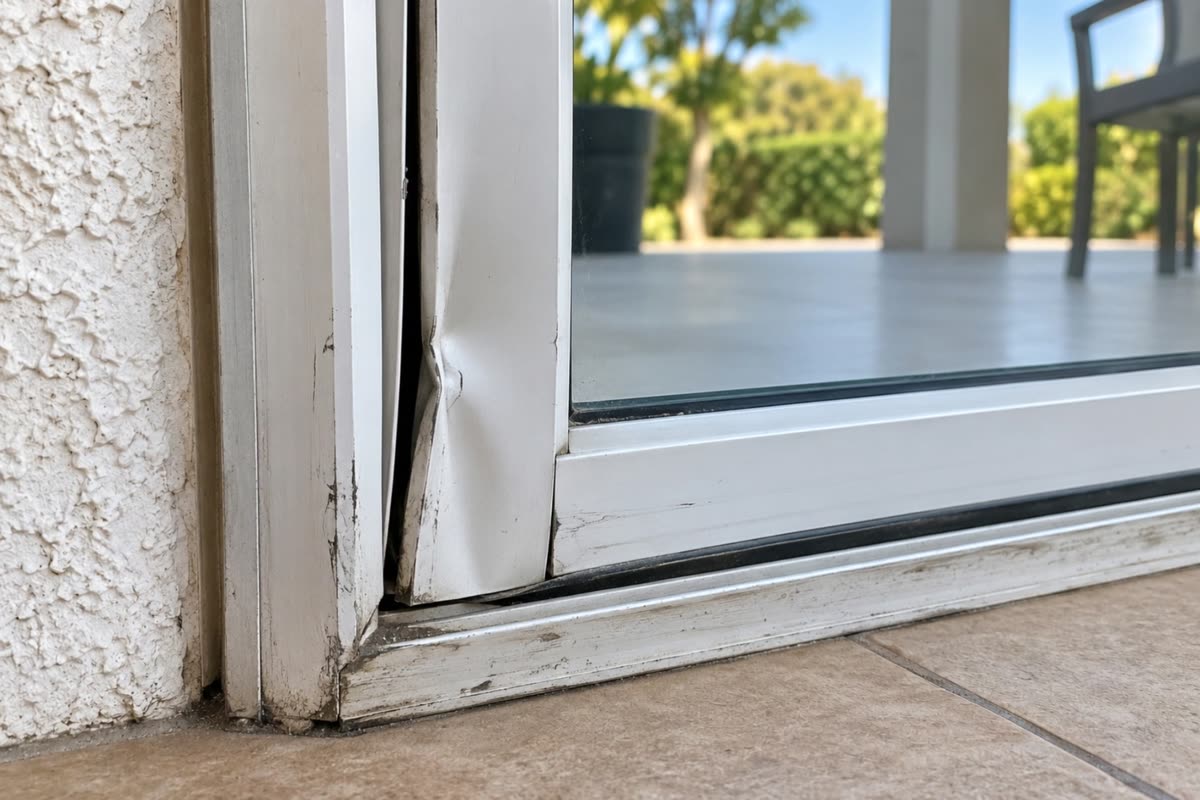
A panel can appear centered in a distant photo even though one corner touches too early. Have the technician identify the first contact and show how it relates to the surrounding frame. A gap along a full edge, a wedge shape and a rub near one point tell different stories. The support under the sill and the condition of the jamb can affect how a panel stays aligned. If a new floor, seal or hardware preceded the change, say so early. Ask which parts can be adjusted and which require repair. The goal is stable clearance through travel and an even fit at closing.
Check whether the rail issue came first
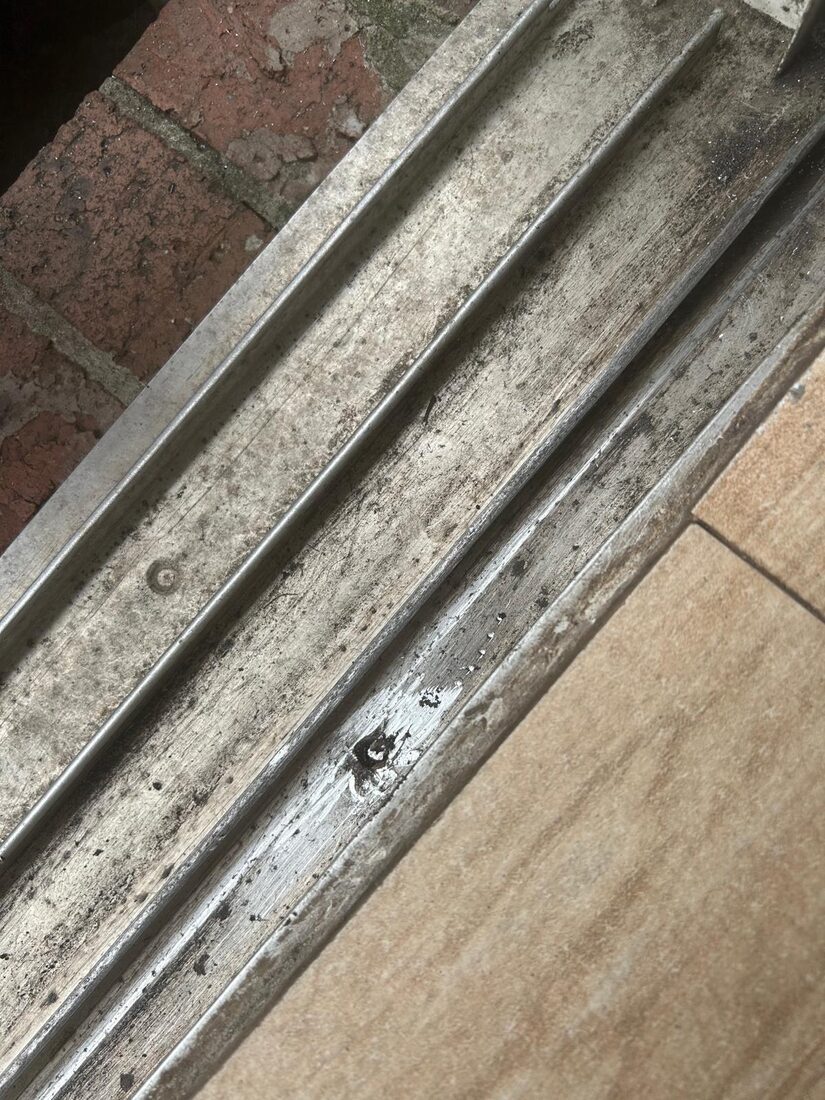
A door that began jolting over one spot before it stopped locking deserves a look at the running surface. Identify the jolt without repeatedly forcing the lock.
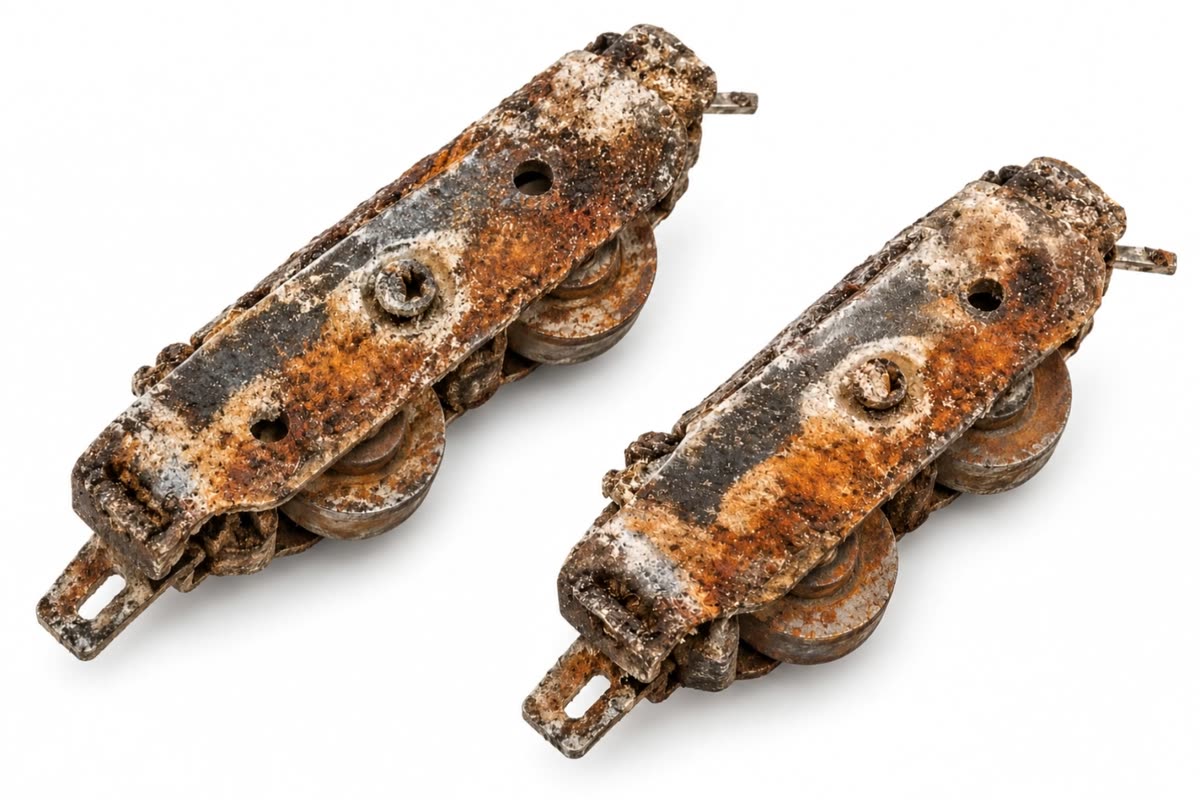
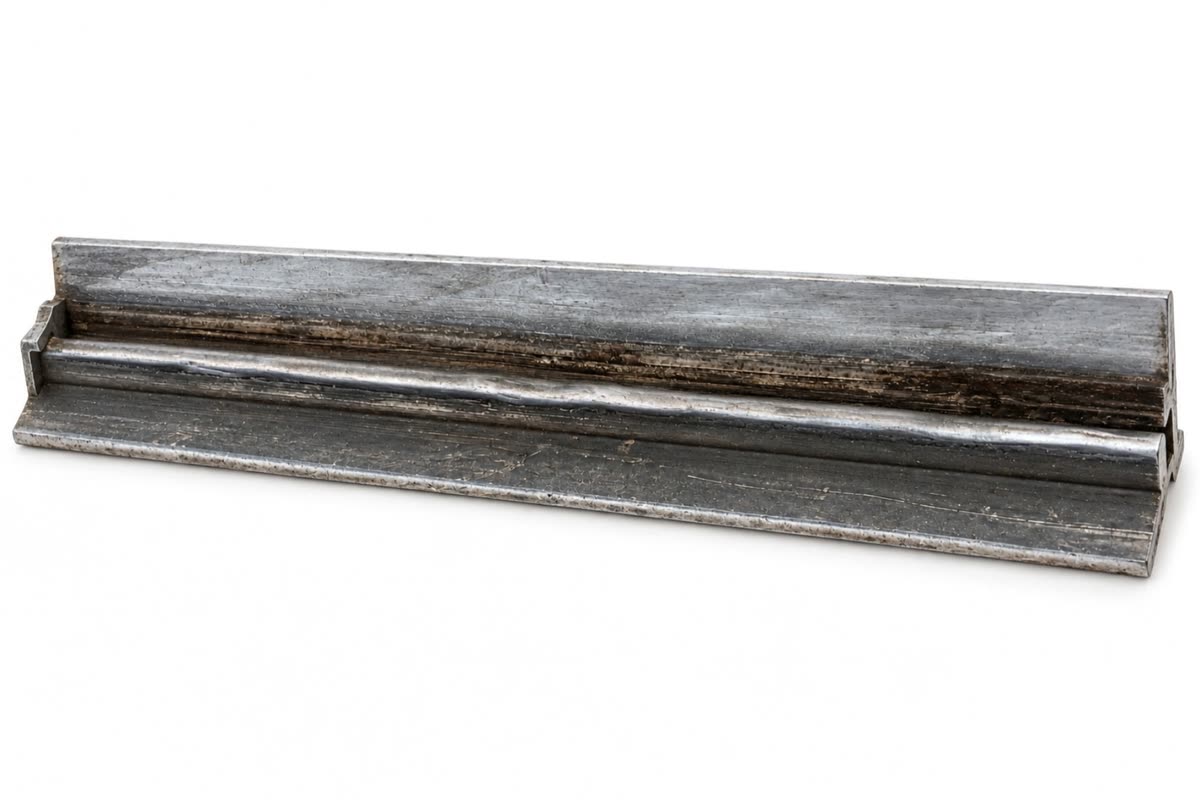
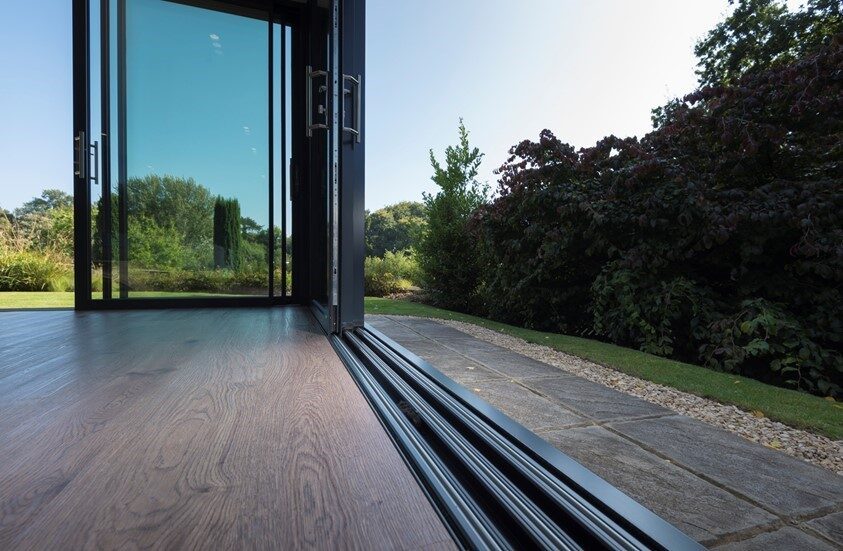
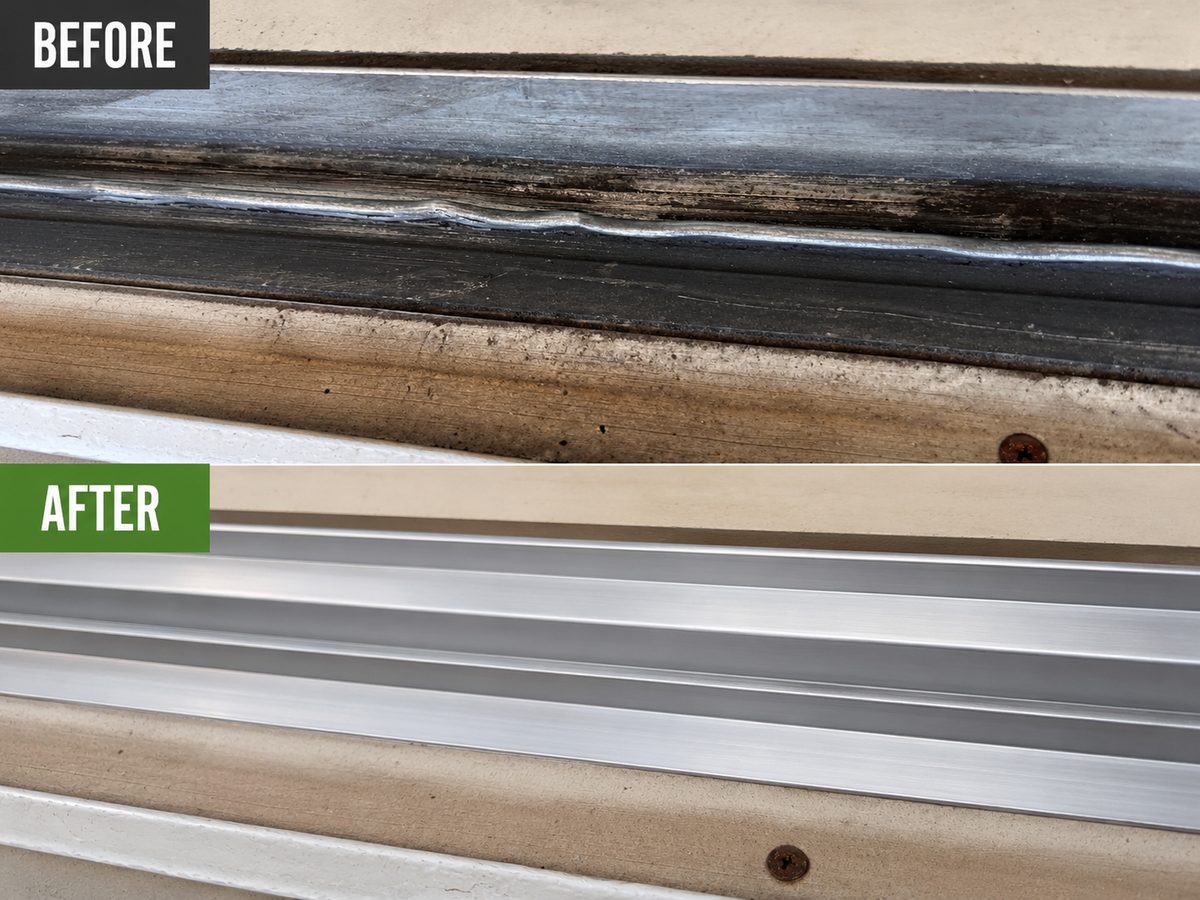
A rail supports weight on a narrow running edge. When the edge is worn flat, dented or interrupted at a joint, it can move the wheel slightly up, down or sideways as it passes. The rest of the sill might still be sound. A helpful examination looks at the length of affected rail, whether it has stable support, and whether its shape matches the wheel. Note the spot from the closed end of the opening, since the position of the handle changes according to which wheel is crossing the mark. Give the whole sill in a photo so the repair team can orient itself.
Consider the contact strip at the jamb
Report whether the panel seems to spring back in the final inch. Tell the technician if a weatherstrip was installed or moved before the latch became difficult to use.
Some of the pressure at closing comes from the materials intended to seal where the panel meets the frame. A loose or compressed strip may leave a gap. A displaced strip can contact the moving panel too early or change the effort needed for the latch. Seals and wheels solve different conditions. Ask the technician to show whether the panel sits properly against its intended contact surfaces before specifying a new seal. A generic strip that looks similar can have a different profile or thickness. The right part should allow normal movement and closing while working with the existing drainage and hardware arrangement.
Find the product information you already have
A clear photo of the latch side and a name or prior invoice can narrow the options. Keep any broken part available if it has already come away.
A visible brand mark can help identify a product family. An invoice, installer record or a legible label may include the model and age. Record the details exactly instead of guessing the version. Similar products can use different glass thicknesses, rollers and hardware at different times. An exterior photo shows the layout but may not reveal a hidden part or adjustment geometry. Bring together a wide shot and the identifying detail if it can be reached safely. Save the old parts or paperwork if available. This information can narrow choices before a visit while leaving the final match to an inspection of the actual opening.
Choose the scope after the movement check
Ask the technician to explain whether the keeper, handle, lock body or fit needs work. Confirm which parts will stay if adjustment can restore engagement.
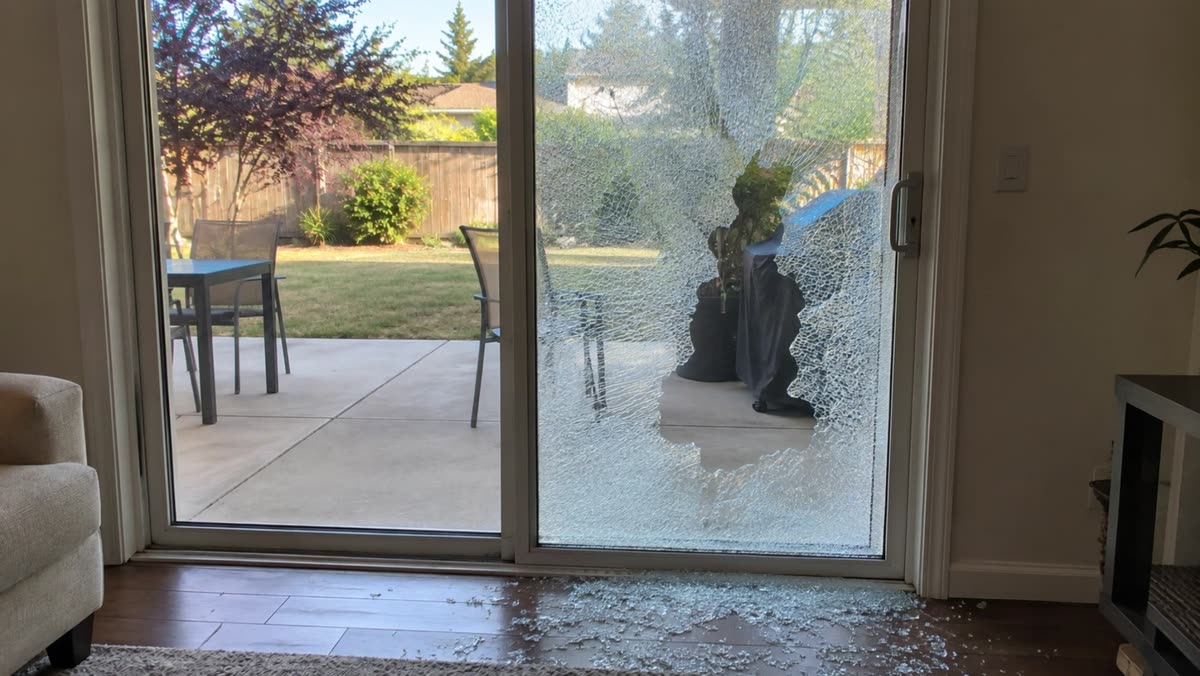
Write the desired outcome next to the symptom before approving work. For a door that catches, it could be normal effort over the original trouble spot and a latch that engages without lifting. For a glass job, it could be a specified replacement unit in a sound frame and a panel that closes normally. Ask what parts are covered, what remains in place and what would require a separate decision. For a powered entrance, include the site contact and operating checks. The written scope should let you and the provider agree on which opening and function are being addressed, even if an inspection changes the proposed work.
Verify normal engagement after service
Close the door without lifting it and check that the latch engages under normal use. Tell the technician if another occupant uses the handle differently or needs lower effort.
The most useful final check repeats the ordinary action that was difficult before the visit. Open the panel gently, move through the original problem area and close it fully. Then check the latch, the transition at the threshold and any separate screen. Look for scraping or gaps from a safe position. Ask the technician which care instructions apply and which changes would justify calling again. It is easier to describe a remaining issue while everyone is still looking at the same opening. A property with several users can benefit from a short note about normal operation so the next person understands how to confirm it is secure.
Local examples in La Mesa and Normal Heights
A La Mesa resident might report a patio door that moves freely until the final inch. A Normal Heights homeowner might hear scraping all the way along the sill and notice a latch that misses below the keeper. Both requests involve security, but the first puts attention on the closing contact and the second also calls for looking at the panel height and wheels. In a Chula Vista rental, include the tenant and authorization contacts so the right opening can be checked.
Questions to ask
Can the door lock need work even if I hear a click?
Yes. The sound could come from movement inside the handle or latch. Check whether the panel is actually held when secured and tell the technician what happens.
Will a new keeper fix it?
It can when the keeper is the damaged or incorrect part. If the panel sits low or out of square, correcting the fit is part of a durable repair.
Can I send a picture while the door is stuck?
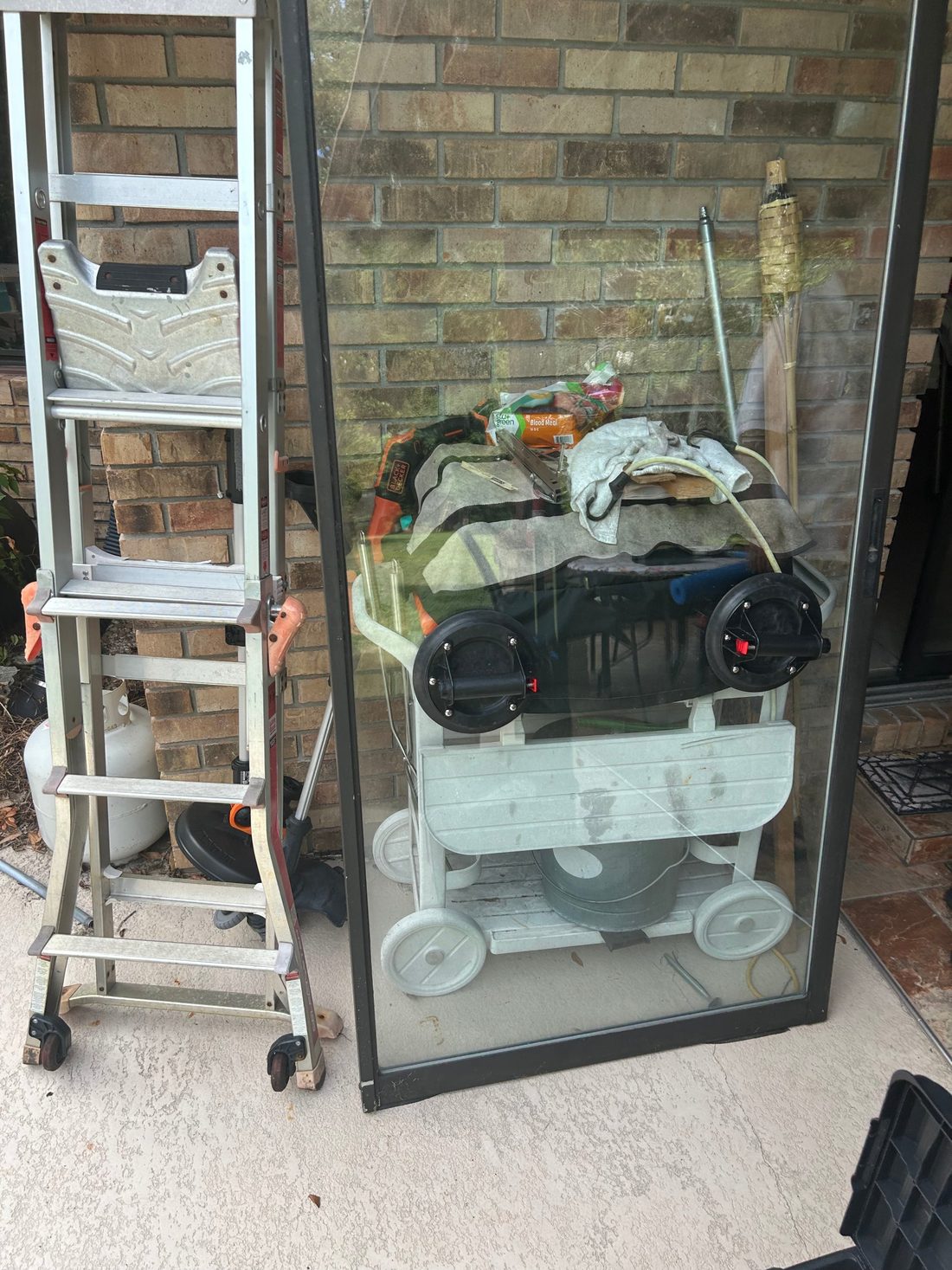
A wide picture of the closing gap and a close view from a safe standing position are helpful. Leave a loose or damaged panel in place.
Local service and related pages
Explore Sliding Door Lock Repair, Sliding Door Frame Repair and Alignment, Sliding Door Roller Replacement. Service-area details are available for La Mesa, Normal Heights, Chula Vista. Call 619-389-3123 or send a service request to describe the opening at your property.