A sliding patio door can feel like it is climbing a curb each time it crosses the same spot. The homeowner points at the bottom of the opening and asks whether the whole track has to come out. The answer depends on the surface that carries the panel, how far the damage extends and what the sill underneath can support. It also depends on the wheels. A damaged wheel may have worn the rail, or the rail may be the reason a newer wheel is already having trouble.
A track repair and a track replacement should both solve a defined problem. The first can make sense if a limited area is damaged and the underlying sill is sound. The second may be the better fit if wear extends along much of the running edge or a damaged component can be replaced as part of the existing system. If the opening itself is compromised, either approach may need a broader assessment.
Locate the actual running surface
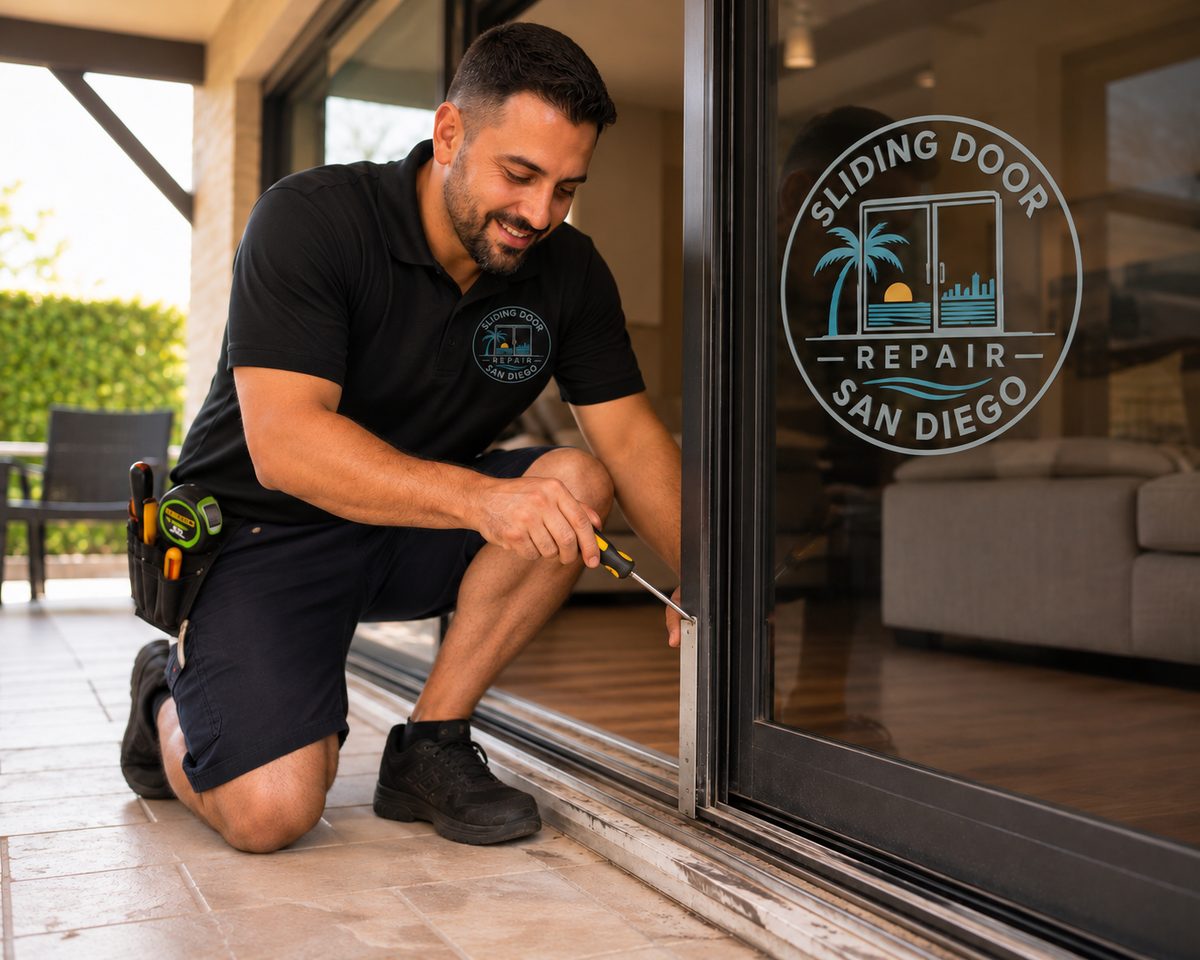
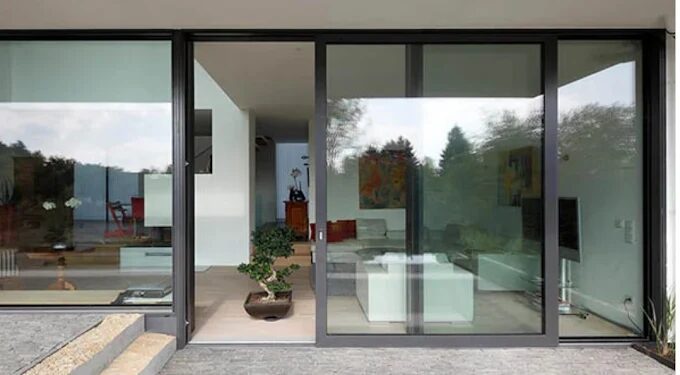
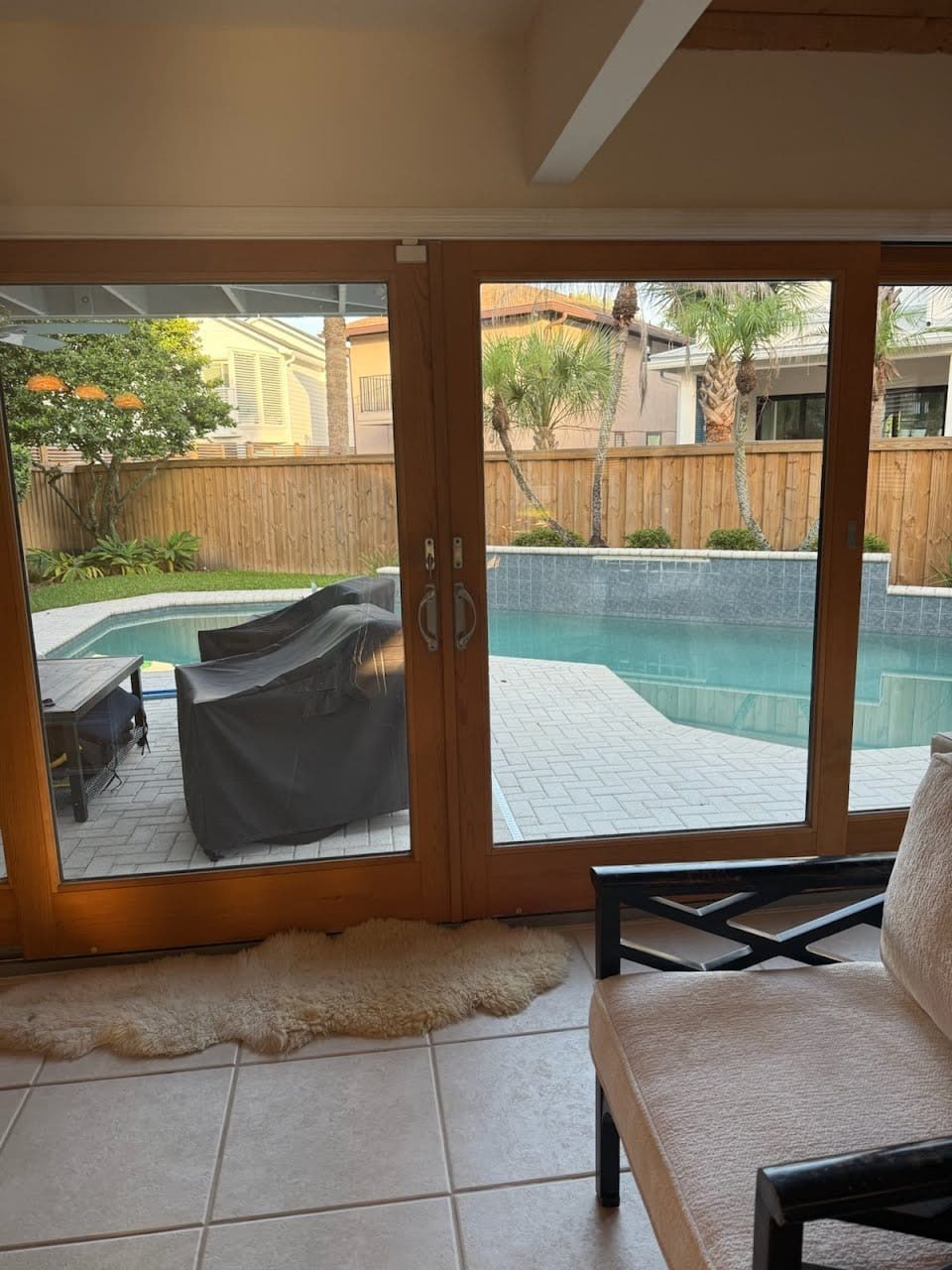
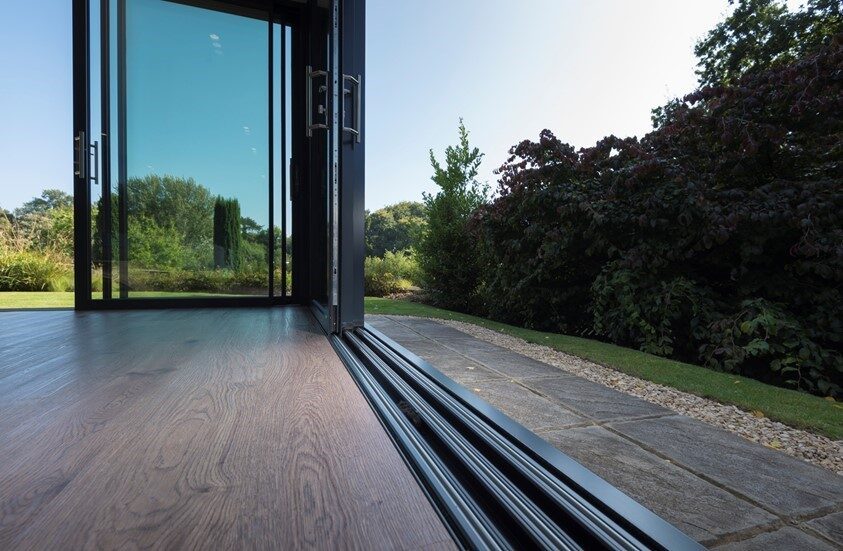
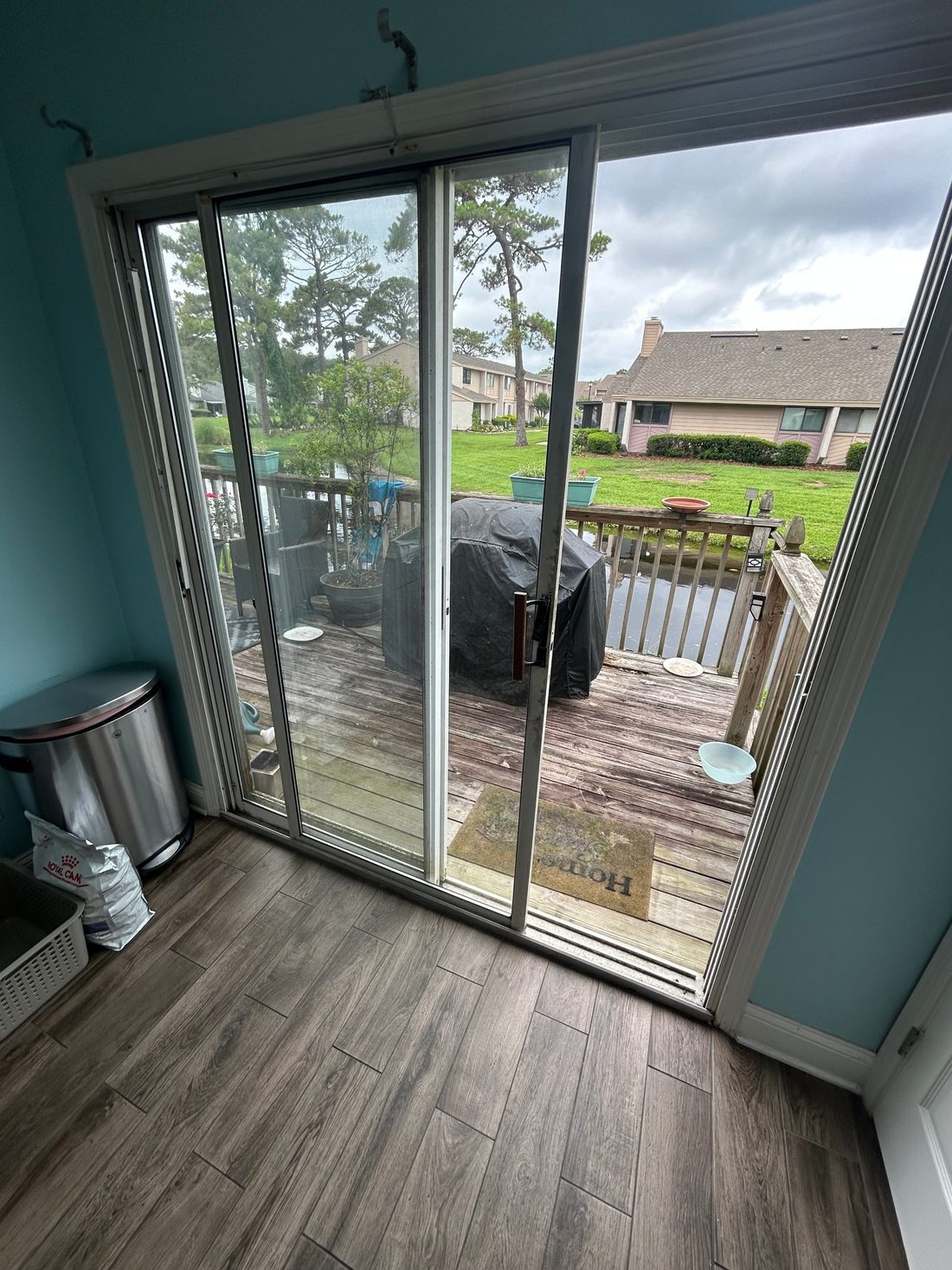
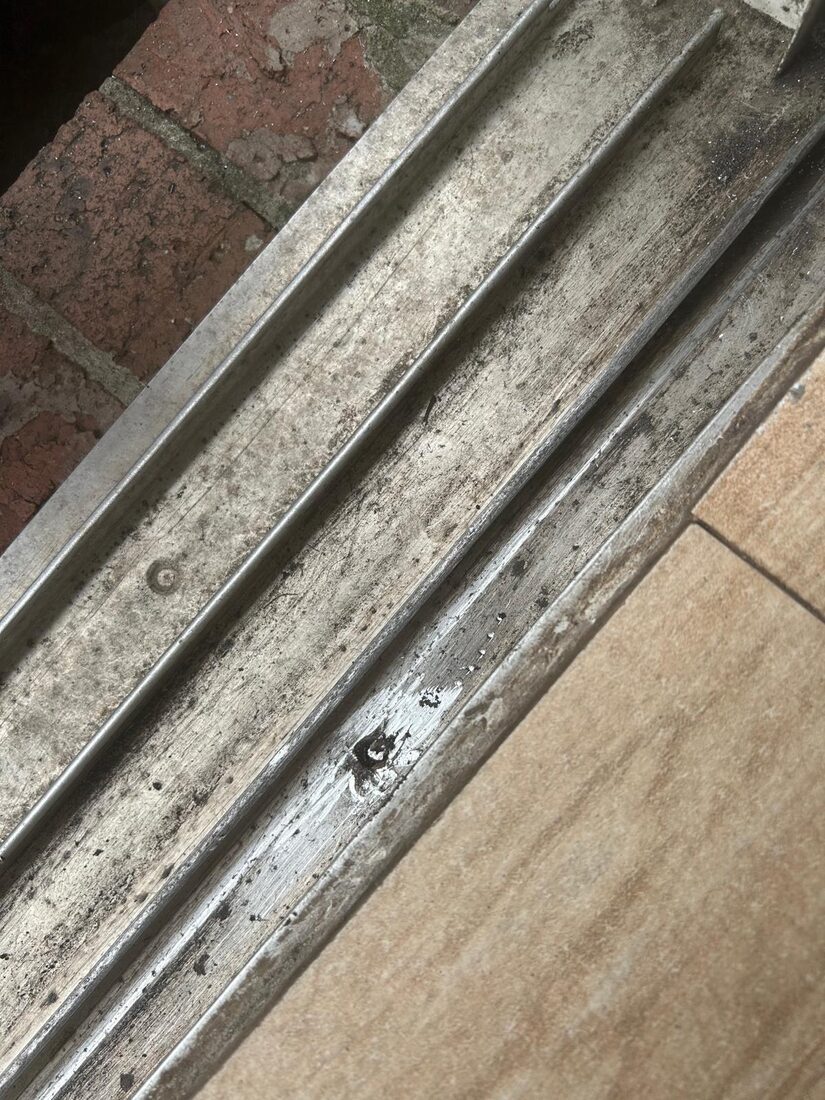
A patio sill is often a small system of channels rather than a single groove. Some sections guide the screen. Others collect incidental water so it can drain. The wheel path is the part that supports the glass panel as it travels. Identify that path by looking at the alignment of the moving panel and the visible strip underneath, without moving the panel if it appears unstable. A wide photo with the closed side visible can help the technician locate the relevant part of the sill.
Describe the point of resistance relative to something easy to find. If the door bumps “as the leading edge crosses the middle meeting line,” it is easier to map the wheel position than if you simply say “it sticks sometimes.” If the panel jolts twice, one damaged point may be crossed by both wheels at different stages. A rail issue and a rough wheel can also occur together. An inspection distinguishes the two.
When local repair is worth considering
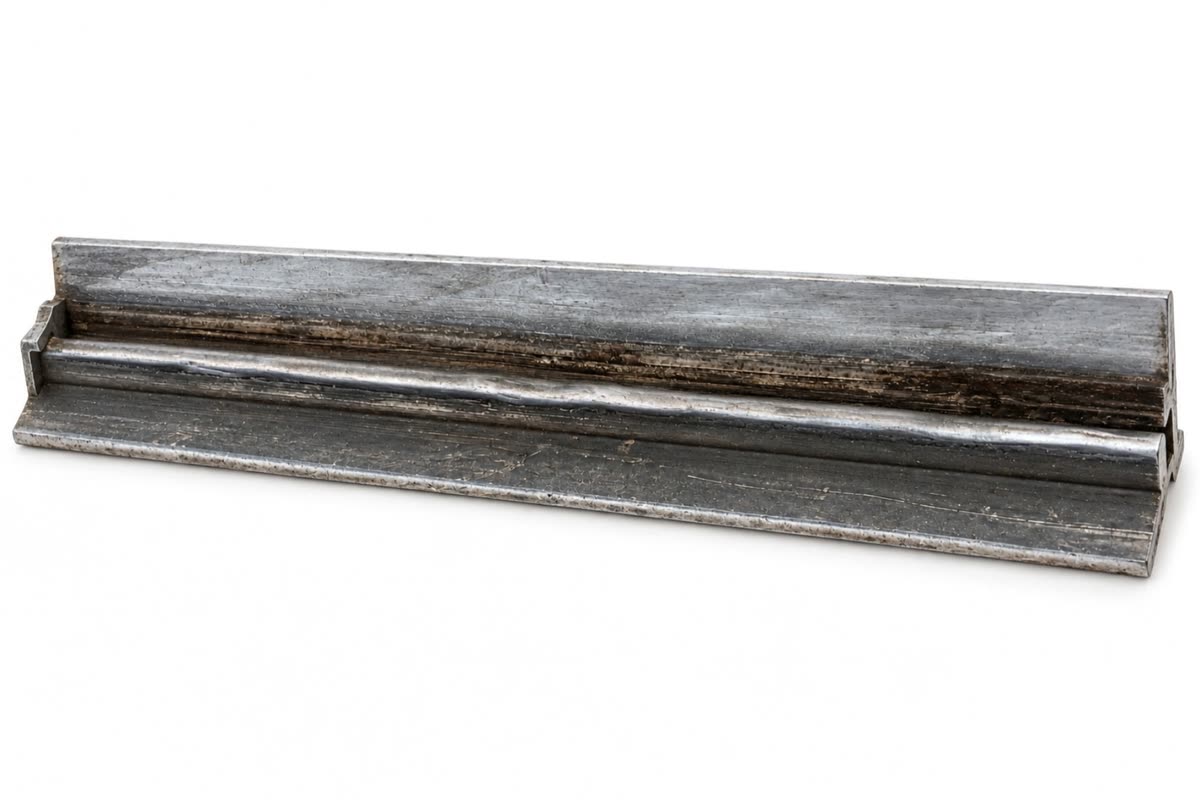
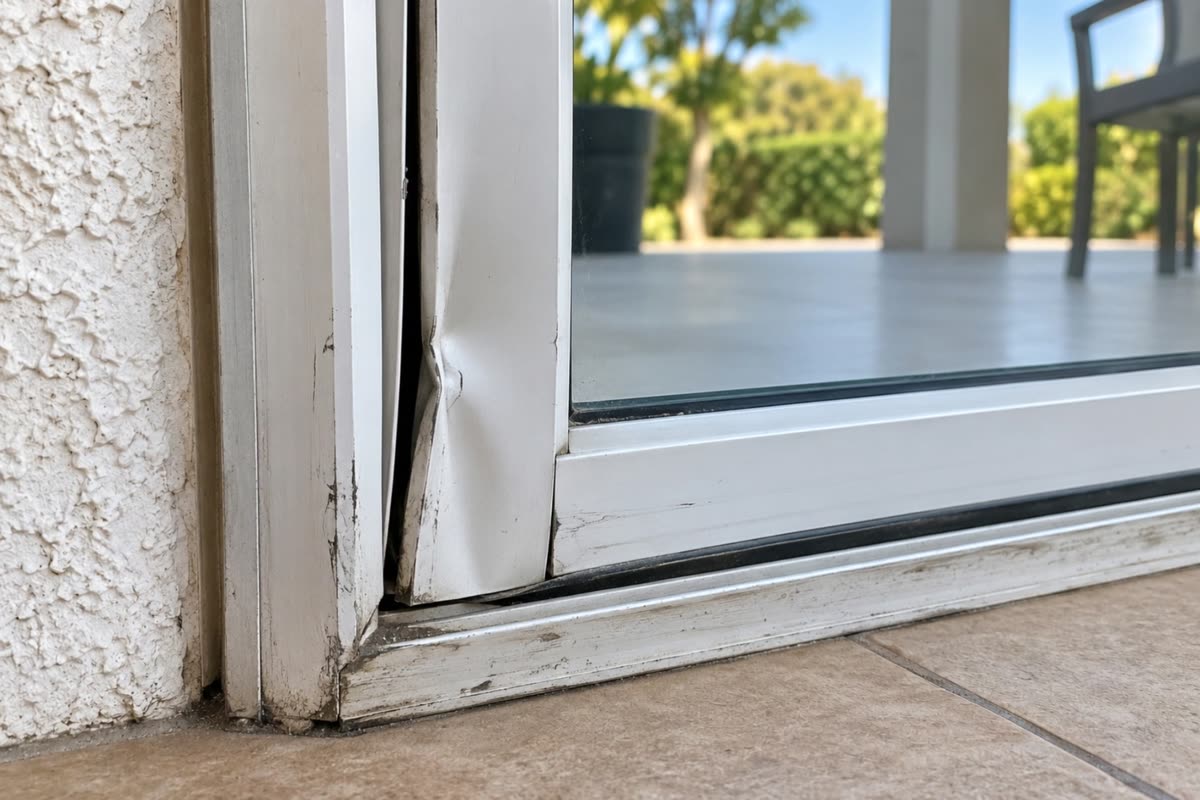
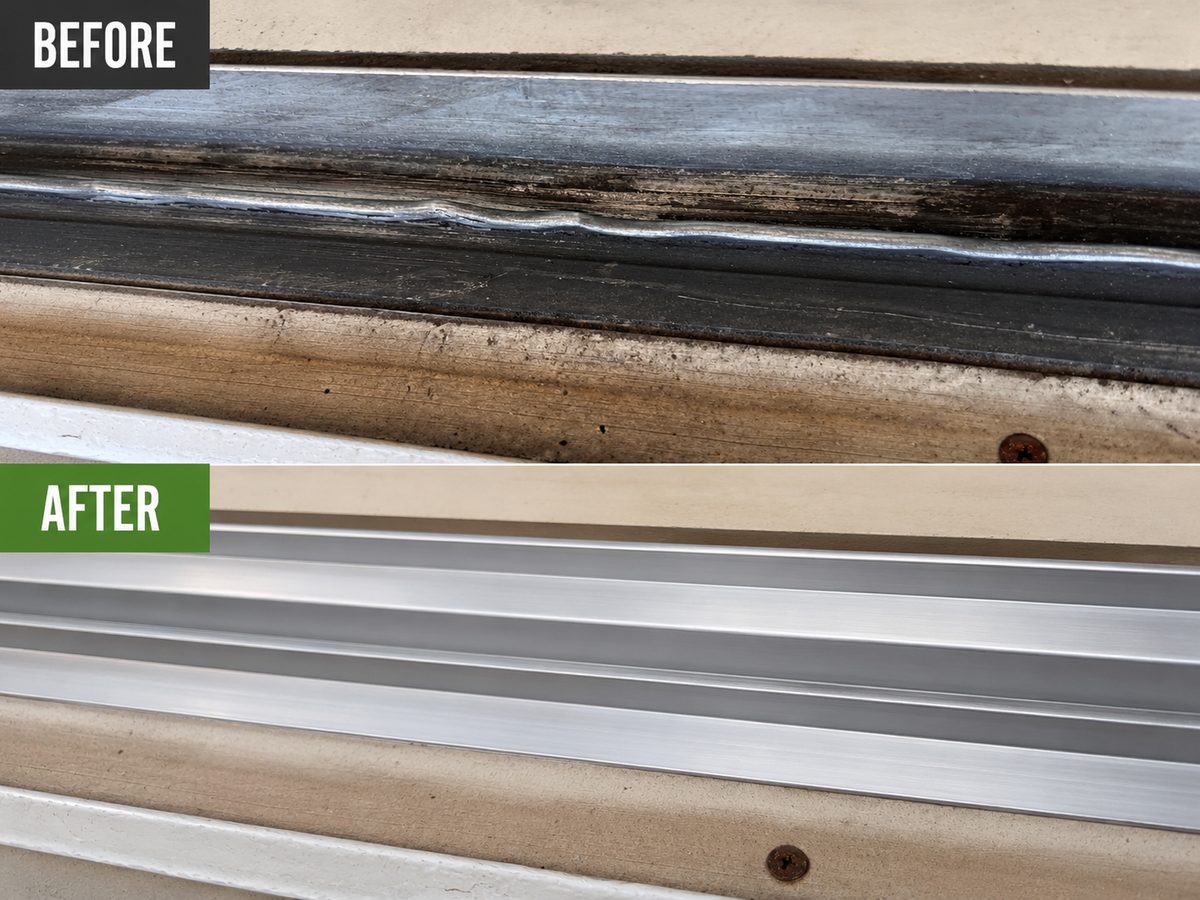
A limited dent, a short area of wear or an interruption in an otherwise sound rail is often a reason to ask about a localized repair. The technician will want to check the material, the length of the problem and how a repair would fit the wheel profile. The rest of the sill needs to support the repair. Its drainage and threshold function also matter. A profile that changes the door height can affect the closing gap or latch.
Ask what material is damaged and which part the technician intends to restore. If you can see a cover already on the rail, point it out. A previous repair affects the available clearance and the condition of the original surface beneath it. When an earlier solution stopped working, the useful question is what made it fail and whether the next approach addresses that cause.
When replacement changes more than the strip you see
Some doors have a running rail that can be replaced independently. Other units integrate the running edge into a sill or frame. A deeper crack, deformation along a long section, unstable support or corrosion in the sill can change the scope. The technician needs to know how the original component is attached and what remains sound around it. If the proposed rail is new but the base is moving, replacing the visible strip can leave the same symptoms.
Request a scope that identifies which section will be replaced and how the original height, alignment and drainage will be handled. On a threshold with different flooring levels on the two sides, ask if the repair changes the transition. For someone using a mobility aid or moving equipment through the opening, even a small change can matter. That is something to discuss before parts are ordered.
Check the relationship between the rail and wheels
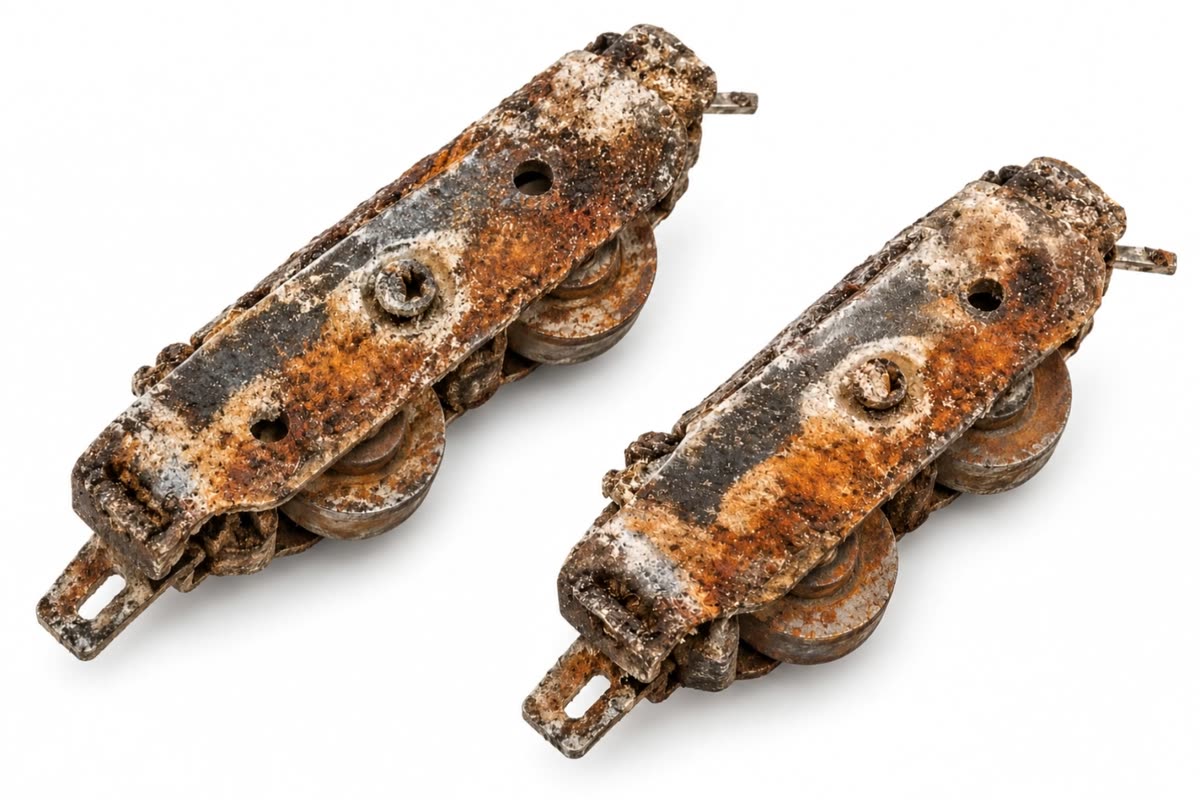
A smooth wheel uses the running surface in a predictable way. A wheel with a worn profile can make a narrow contact mark or repeatedly strike the side of the rail. A damaged rail can, in turn, make the panel jolt even after a replacement wheel is fitted. If only one component is proposed for repair, ask what the inspection showed about the other. You want to know why it can stay and what to watch for afterward.
An El Cajon homeowner might see an old rail cover and a worn line on one edge. If the door is noisy along most of the path, that could be related to the wheel position or the fit of the cover as well as the material underneath. A Santee homeowner with one distinct bump after outdoor work might first need a check for a localized obstruction or rail mark. The two homes can have similar thresholds with different causes and repair choices.
A local example with a managed property
Picture a Costa Mesa condo where the patio door rolls reasonably well except for a jolt at a rail joint. Management wants to maintain the exterior appearance of every unit and limits how work can be staged on the balcony. The owner can ask for two separate pieces of information. The first is whether the running surface can be addressed without altering the visible frame. The second is how the door will be safely supported given the landing and access. The service scope can then be reviewed alongside the association's requirements.
This approach is also useful at a detached home. If a floor change made the threshold a little higher, note what that means for the clearance around the panel and how someone steps outside. The goal is stable travel through the door and a threshold that still works for the people who use it. A repair that restores the rail while introducing a problem at the floor misses part of that goal.
How to compare estimates for the same opening
- Ask which part is failing. Is the mark a dent in the rail, a failed earlier repair, an unstable sill or something related to the wheel position?
- Get the proposed scope in writing. Identify whether it covers a local repair, a replacement rail, additional roller work or evaluation of the frame and support.
- Confirm what stays in place. Glass, frame, sill, seals and drainage all interact with the running surface. Ask what the technician expects to reuse and why.
- Ask how the result will be checked. The panel should travel through the full opening, including the former rough spot, and reach the jamb and lock with normal effort.
- Share an access or threshold concern. Mention stairs, balcony restrictions or the need for clear movement across the transition before choosing between options.
A modest repair can make sense when it addresses the whole cause. If a more extensive replacement is proposed, ask what condition makes the smaller repair unsuitable. You can compare the explanations against the actual damage. Pictures of the affected rail before work and a description of the finished configuration can be helpful for later maintenance.
Common track questions
Can a cleaner rail make the panel feel as if it was repaired?
It can improve operation if loose debris was the only problem. A fixed bump, a section of missing material or a panel that still scrapes on a clear path is useful evidence of a different issue. Follow the door maker's routine care guidance and leave a heavy or unstable panel in place.
Does a new track make an old door new?
It restores the running surface that the wheels need. The rest of the door still has to work. Inspect the wheels, panel fit, latch and any separate glass concern. The best answer is a repair scope that describes which components are being changed and how each contributes to normal operation.
What can I do if the track is too damaged for a local repair?
Ask whether the existing sill supports a compatible replacement rail, whether a larger part of the sill needs work or whether the frame needs its own evaluation. The technician can explain the options at the opening and what would remain usable.
Pay attention to what supports the sill
There is a difference between a rail edge that is worn and a larger threshold assembly that shifts under load. The edge may appear smooth in a photo while the support beneath it needs attention. Tell the technician if you hear movement as someone crosses the threshold, see a cover rise at one end, or notice moisture near the base. An inspection can identify which part carries the glass panel and what support the proposed repair will need. It can also show where the existing sill drains and how a repair should preserve that route.
Take a picture from the room and, where safe, one showing how the patio or landing meets the door. If a newer floor was installed, explain which surface moved up and when. A contractor may need to look at surrounding finishes or support separately before work on the running surface can be specified. That does not change the basic diagnostic task. A long worn strip, a loose threshold and a panel that sits low are different observations and each should be represented in the written scope.
For a home where the patio route matters every day, agree how the work will be evaluated before it begins. Ask to compare the original bump, the finished threshold and latch engagement after service. If the new rail requires another component to be adjusted, find out which one and whether anything remains to be evaluated. Keep a photo of the sill after work and the description of any profile or replacement rail. That gives the household a baseline if a different sound develops later.
Local service and related pages
Explore Sliding Door Track Repair, Sliding Door Track Replacement, Sliding Door Roller Replacement. Service-area details are available for Santee, El Cajon, Newport Beach. Call 619-389-3123 or send a service request to describe the opening at your property.