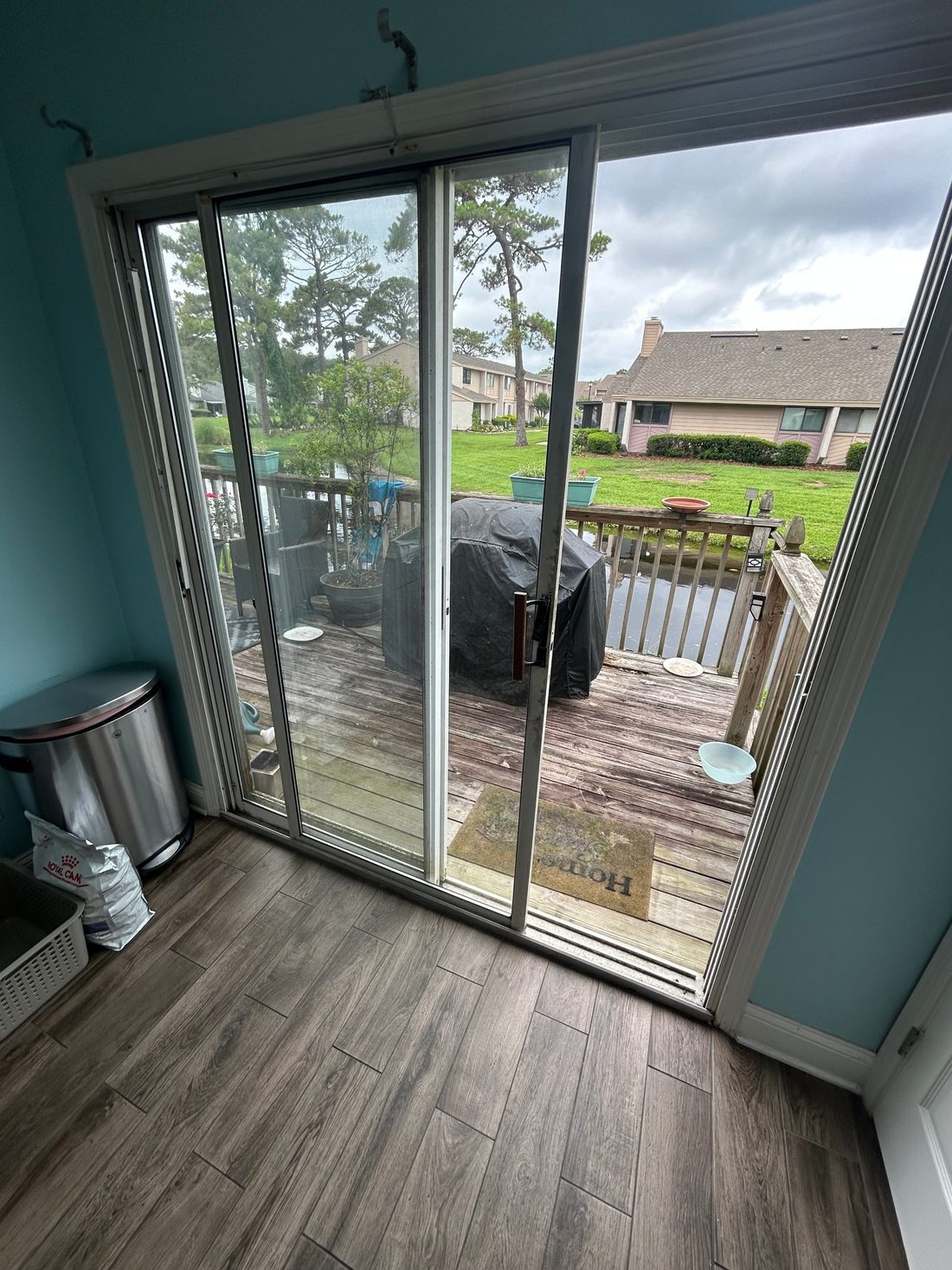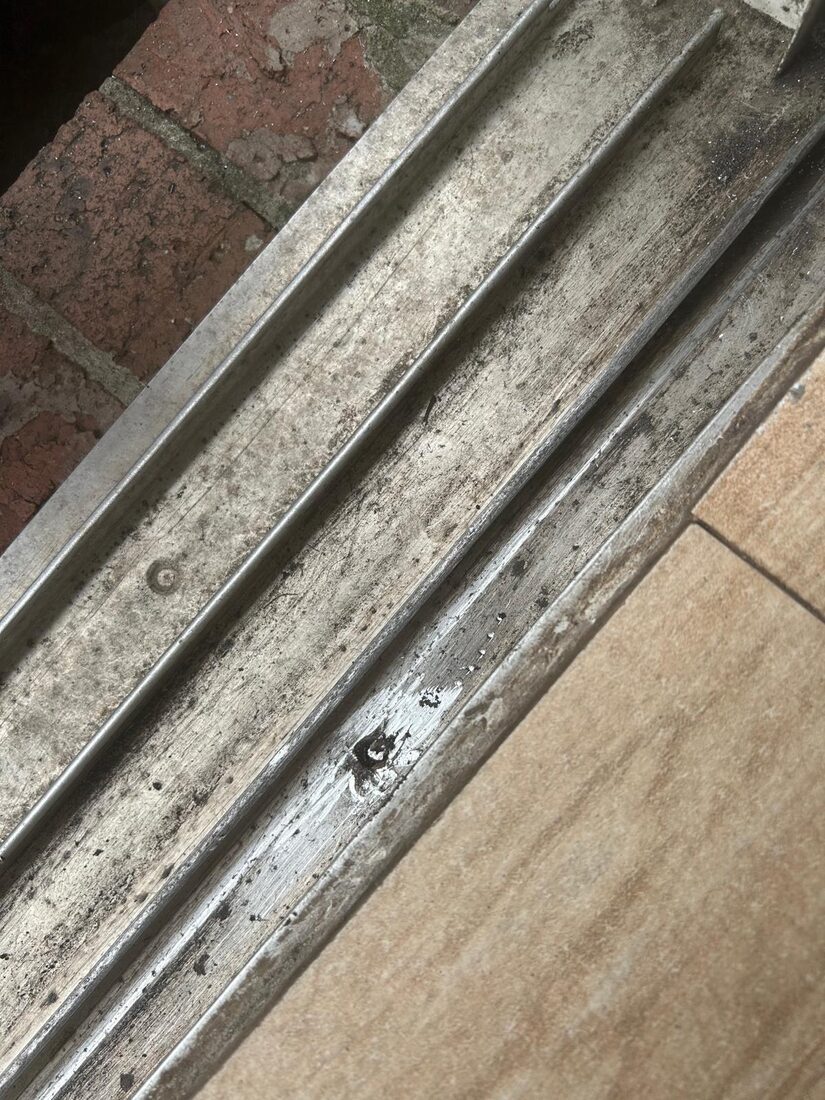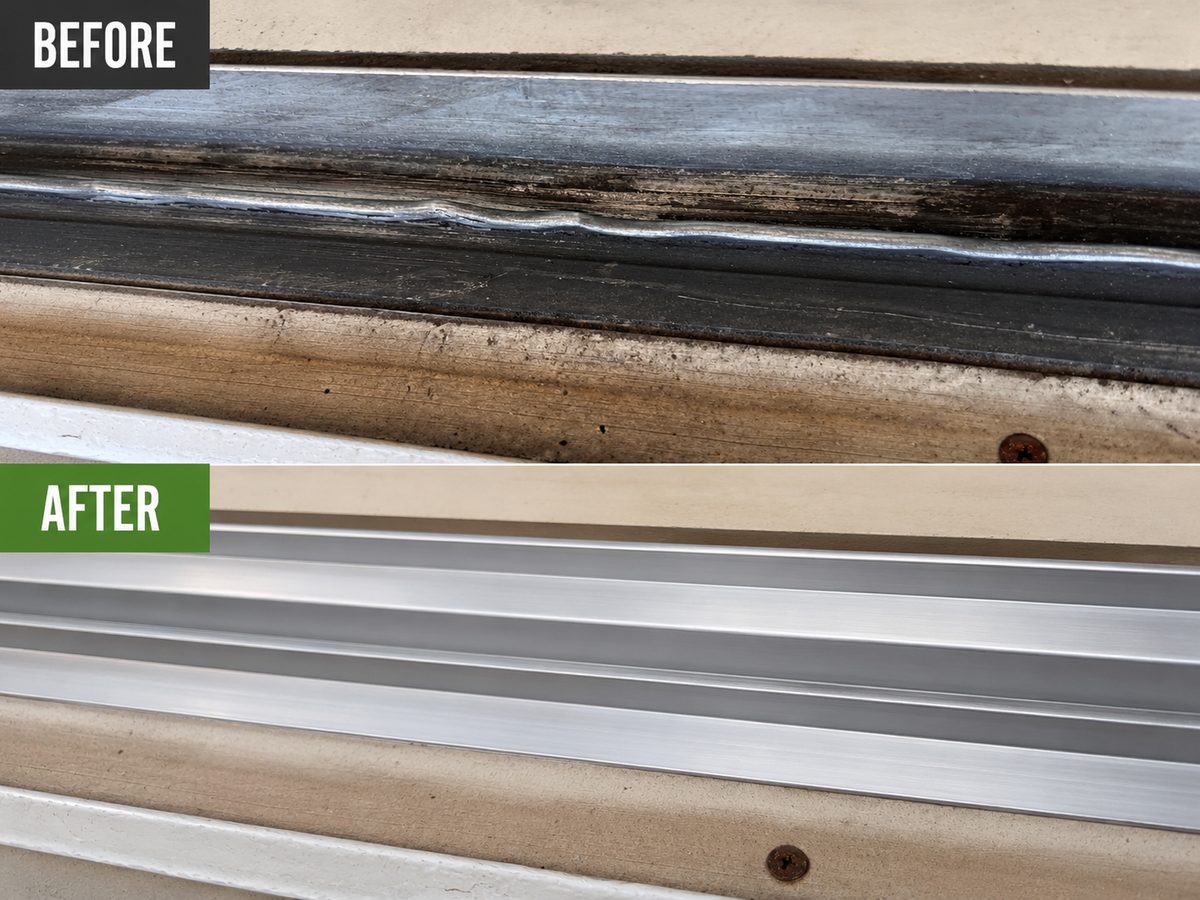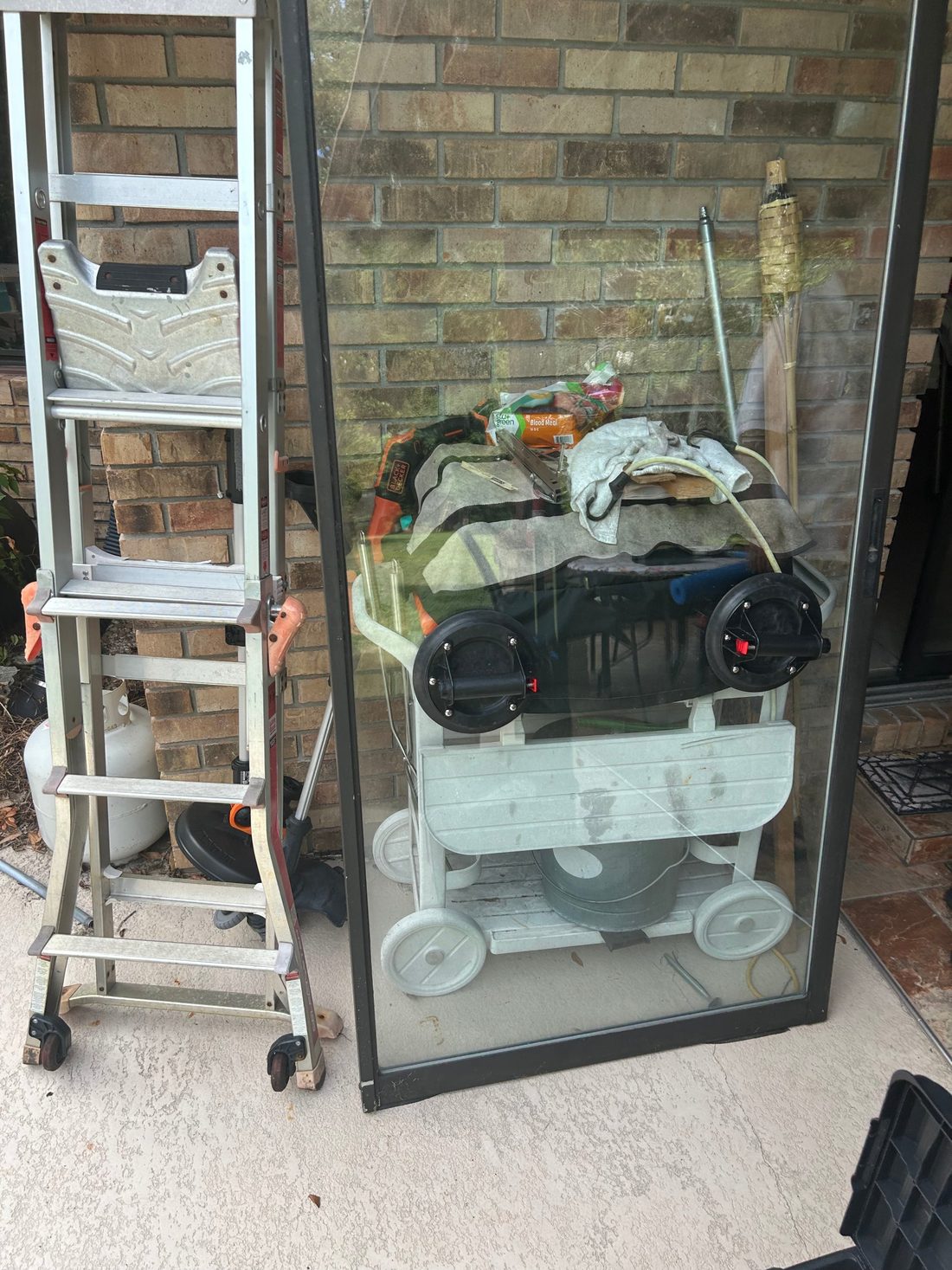
The rollers under a patio door do most of the work you feel in the handle. They carry the moving panel and keep it at the height where it can pass along the rail and meet the latch. They are easy to ignore because the glass, handle and lock are the visible parts of the assembly. When the wheels begin to wear, the first complaints are often about a door that feels heavy, a rumble under one end, or a lock that needs extra effort. Each can be a clue. A replacement makes sense when the inspection identifies wear or a failed assembly and the existing panel can accept compatible parts.
A San Diego County home might have a light secondary slider in a bedroom and a wide insulated panel used to reach a family patio. The fact that both panels slide horizontally does not make their wheels interchangeable. Good roller work begins with the specific door in front of you.
What a wheel symptom feels like in the handle
A wheel that turns poorly adds resistance on a section of rail that appears sound. A bearing or wheel that has worn unevenly can transmit a pulse or rumble as the panel travels. If one end sits lower, the glass panel can feel heavy at the start and scrape at the bottom as it approaches the jamb. Those observations are worth noting, especially when they appeared over months rather than after a single impact.
One fixed bump may come from the rail, even when you feel it through the same handle. If it happens where the wheel crosses a joint or a raised portion of the sill, note the location. More than one wheel can contact that point on different parts of the trip. Say if the problem continues past it. The technician can use the pattern to decide whether to look at the entire set of wheels, the running edge or both.
When adjustment is part of the answer
A panel can sit at the wrong height even when its wheels are usable. A technician can determine whether supported adjustment is available on that model and whether it restores the panel's clearances. In a working assembly, the wheels carry the door while the closing edge and latch line up. An adjustment that briefly makes the door easier to move and then fades can be a clue that the hardware is unable to maintain its position.
Ask about the state of the roller housing and the supporting part of the panel. If a housing or wheel is badly worn, raising the panel may leave roughness on the rail. If the rail has worn down along the common travel path, changing height can affect latch engagement without solving the cause. Those interactions are why it helps to explain whether the door has been adjusted before and how long the result lasted.
Why an assembly is more than a round wheel
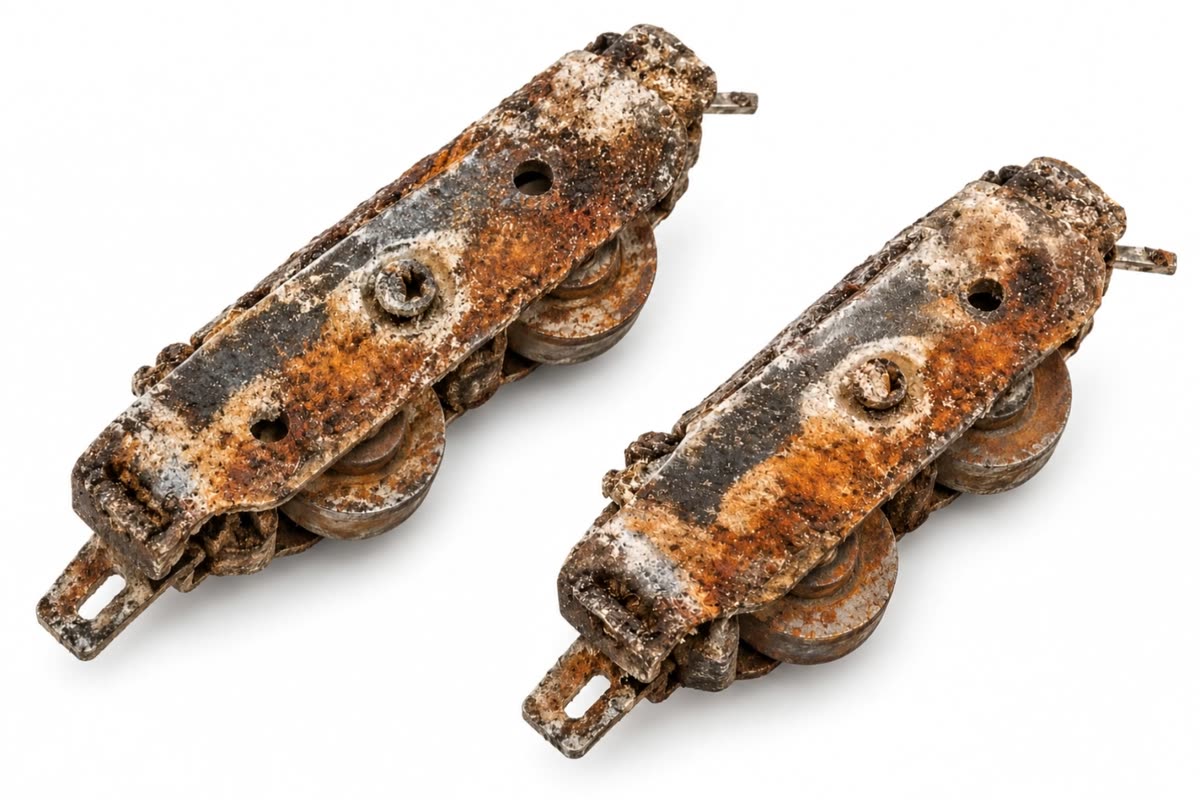
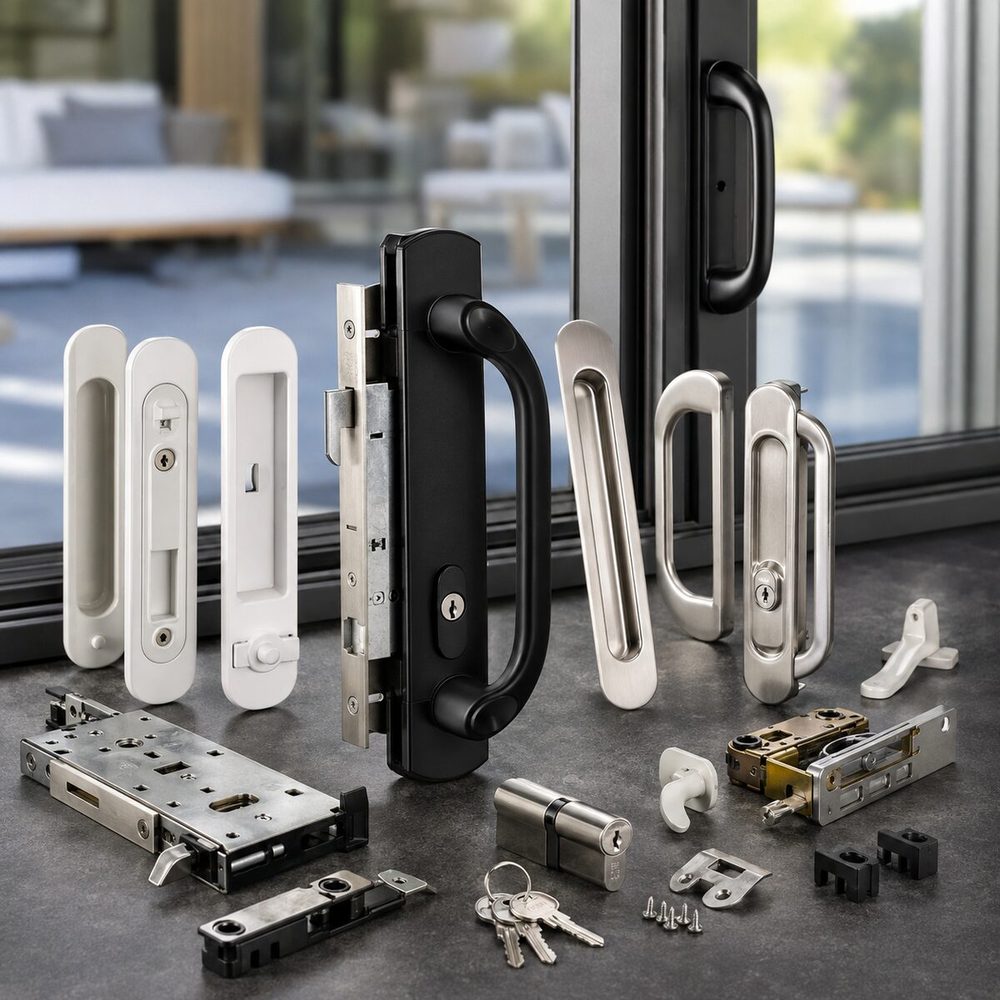
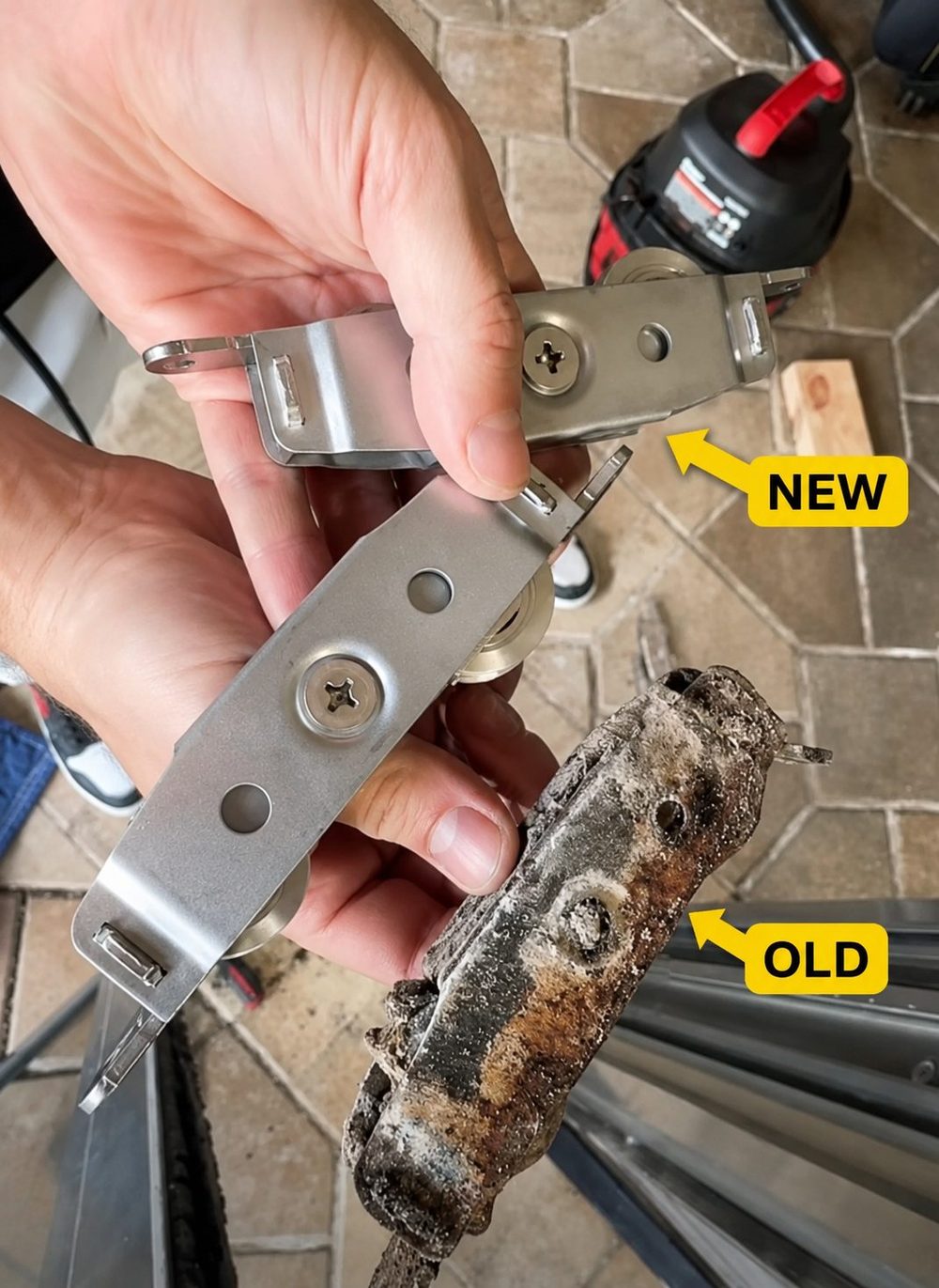
A roller assembly has a wheel or pair of wheels, a housing, and mounting and adjustment details that have to fit the door. Wheel diameter, tread shape and housing depth can affect how the panel rides. Some doors use a single wheel at each end. Others use tandem assemblies. More wheels alone do not make a housing fit a door it was not designed for. The panel weight and the way the manufacturer supports it also matter.
For an older door, a picture of a manufacturer label, handle mark or the original paperwork can help identify a family of parts. Photos of the outside of the door usually do not show the hidden housing. Do not take the panel out just to get a part number. The person measuring it can check the assembly, rail and adjustment clearance together and explain why the replacement fits.
How roller work can affect the lock
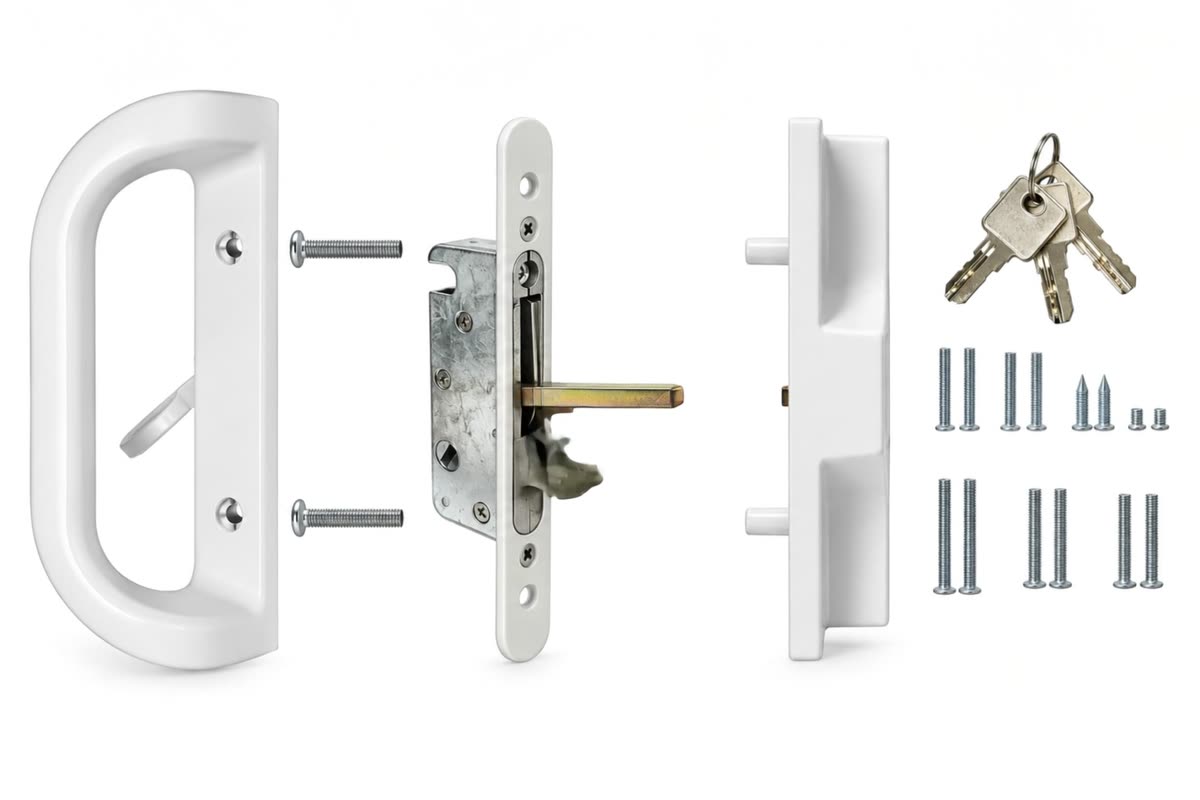
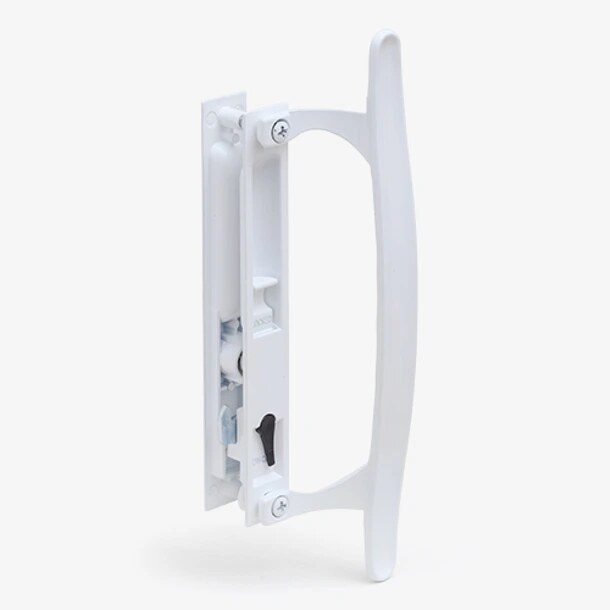
A lowered panel often changes how the latch meets its keeper. If you have been pulling up on the handle to lock the door, tell the technician that before the work begins. It gives them a second condition to test after the rollers are serviced. Adjusting the keeper as a shortcut can leave the panel scraping, and a new wheel assembly may restore the original alignment enough that a separate lock change is unnecessary.
In a Rancho Bernardo home with two sliders, imagine the bedroom door has always moved well but the family room panel begins to drag and misses the keeper below its opening. A comparison is useful if the units are alike. It helps the homeowner describe what has changed without guessing at measurements. The fact that both openings have the same finish is insufficient to conclude that their weight, roller assembly or rail profile matches.
Carlsbad and San Marcos can present different clues
At a Carlsbad opening with more exterior moisture, visible residue or pitting on accessible hardware is worth photographing. If the wheel is stiff even after the exposed rail is clear, describe the remaining resistance. The severity of exposure depends on the side of the building and how sheltered the sill is. A balcony facing the open air and a sheltered first-floor opening can behave differently at the same street address.
In San Marcos, a frequently used door near a yard might collect grit near the start of travel. If the panel still rumbles through a visibly clear part of the rail, say that. The grit might be one contributor while the wheels or rail show separate wear. These examples give the repair crew a reason to inspect the particular door instead of predicting its condition from the city.
Discuss the rail before approving the replacement
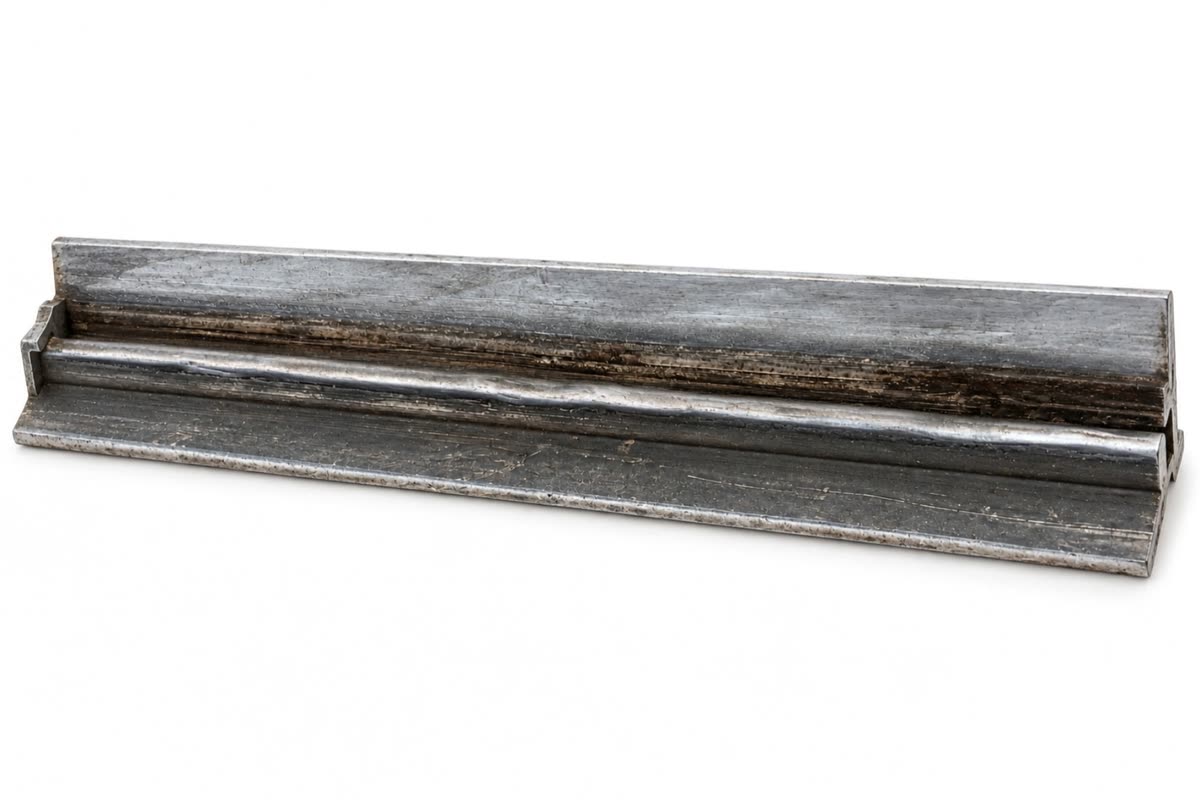
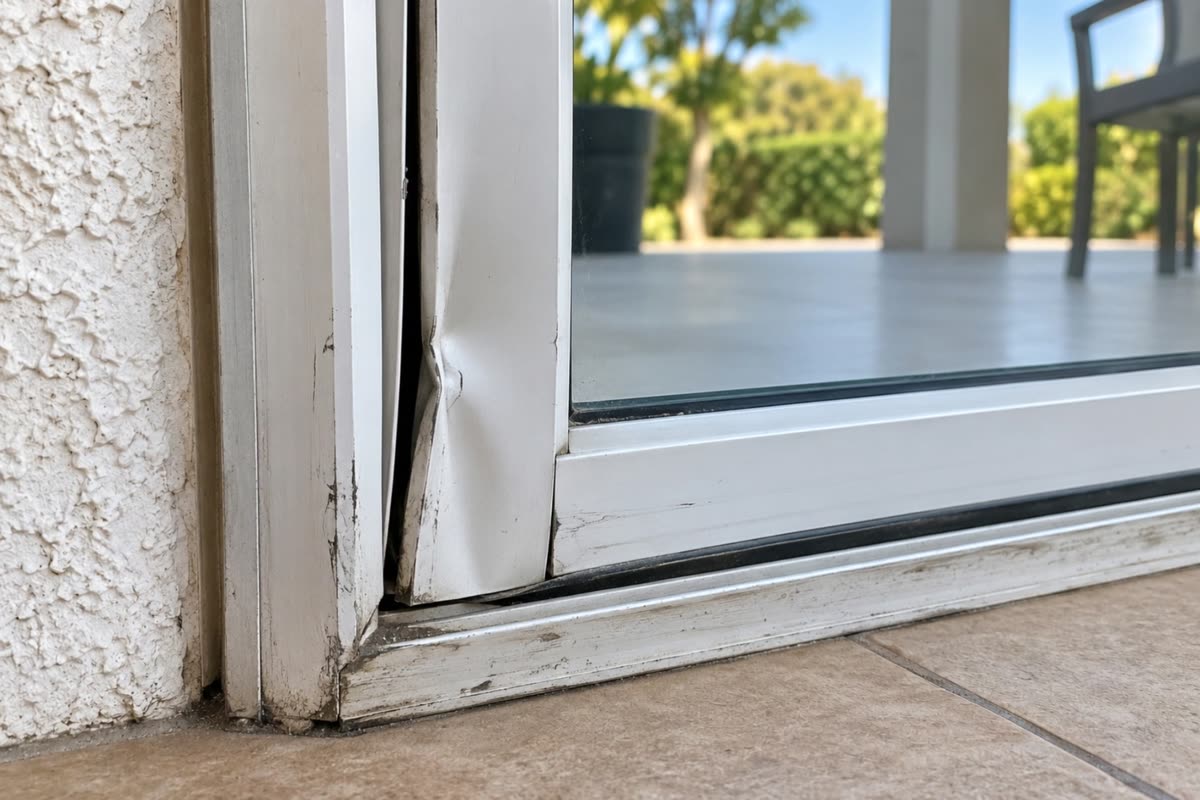
The new assembly will run on the existing surface unless that surface is also repaired. A deeply nicked or flattened rail can make the new wheel encounter the same load and jolt as the previous one. Ask which portion of the track is sound and whether the rail shape matches the new wheel. If the installer recommends a repair at the same time, have them show the affected section and explain how that work fits with the sill and drainage.
You can also ask whether the other end of the panel shows similar wear. Replacing compatible paired assemblies can be appropriate when both are worn or the original setup calls for matched parts. A blanket rule about replacing every wheel on every door is less useful than knowing which parts fail, how the remaining parts were checked, and what the proposed scope includes.
Know what the finished door should do
Walk through the result from indoors with the technician. The first pull should feel more manageable, the panel should travel past the former problem section, and the closing edge should meet the jamb without an extra lift. Confirm the latch in the way you normally use it. If the door has a screen, check that its separate movement still works and the new handle or panel height does not interfere.
If you use the door to move groceries, a stroller or a mobility device between the room and patio, tell the technician at the beginning. The effort, clear passage and threshold affect that use together. After the job, explain any remaining difficulty rather than judging it on the sound of the wheels alone. That is also the time to ask which product-specific cleaning or care routine applies to the running surface.
Questions worth asking
Is the material the first thing to choose?
The assembly's fit, loading and compatibility with the running rail come first. Once the correct assembly is known, ask which versions the manufacturer or supplier specifies for the door and exposure. A material label by itself says little about the housing, bearings or matching wheel profile.
Do I need to take a video?
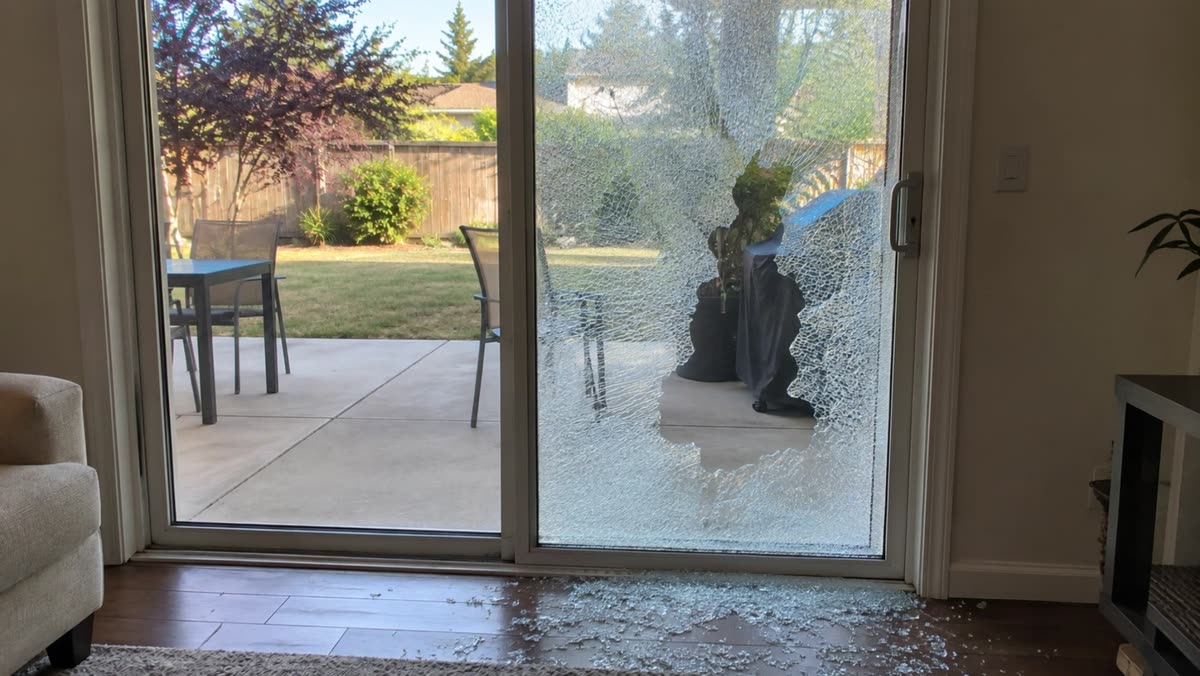
A photo of the full panel and visible sill plus a clear description can be enough. If the panel is stable and you can record without moving it awkwardly, a brief clip of ordinary travel may help. If the panel is loose, tilted or has damaged glass, keep it still and describe the condition.
Will a smooth slide prove the job is complete?
Check the full travel, the panel's fit when closed and the lock. A door can roll more freely while still leaving the latch out of line. The finished door needs to work through the whole opening and close the way the household actually uses it.
Ask why an earlier fix stopped working
A door that ran well for a few days after a wheel or height adjustment and then became heavy again gives a different clue from a door that never improved. Bring the earlier repair description if you have it. It may show whether the parts were replaced, whether only the panel height changed or whether a track cover was already installed. Describe exactly where the roughness returned and whether the closing gap changed at the same time. A technician can compare the current contact and support with what was done earlier.
For a rental, ask the occupant how the panel moved during that brief period. One person may be able to close it by lifting the pull while another finds the same door too heavy to use. Keep the ordinary use and lock test in the new work order. Ask which parts of the earlier work can remain and whether the rail condition or support explains why the adjustment drifted. The useful goal is a repair that holds its position through daily movement, rather than repeating an adjustment without understanding why it changed. Save the new assembly information and the result of the closing check for future maintenance.
Local service and related pages
Explore Sliding Door Roller Replacement, Sliding Door Track Repair, Sliding Door Lock Repair. Service-area details are available for Carlsbad, San Marcos, Rancho Bernardo. Call 619-389-3123 or send a service request to describe the opening at your property.