“Back slider stuck” is a common starting message, but it may be unclear in a property with more than one unit or patio opening. A useful work order connects the occupant's observation to the door, the person who can approve a repair and the route the technician needs. That makes it easier to triage the job and verify the result later.
Use a consistent door label
List building, unit, room and panel from an indoor viewpoint. Use the same label on photos, invoices and messages.
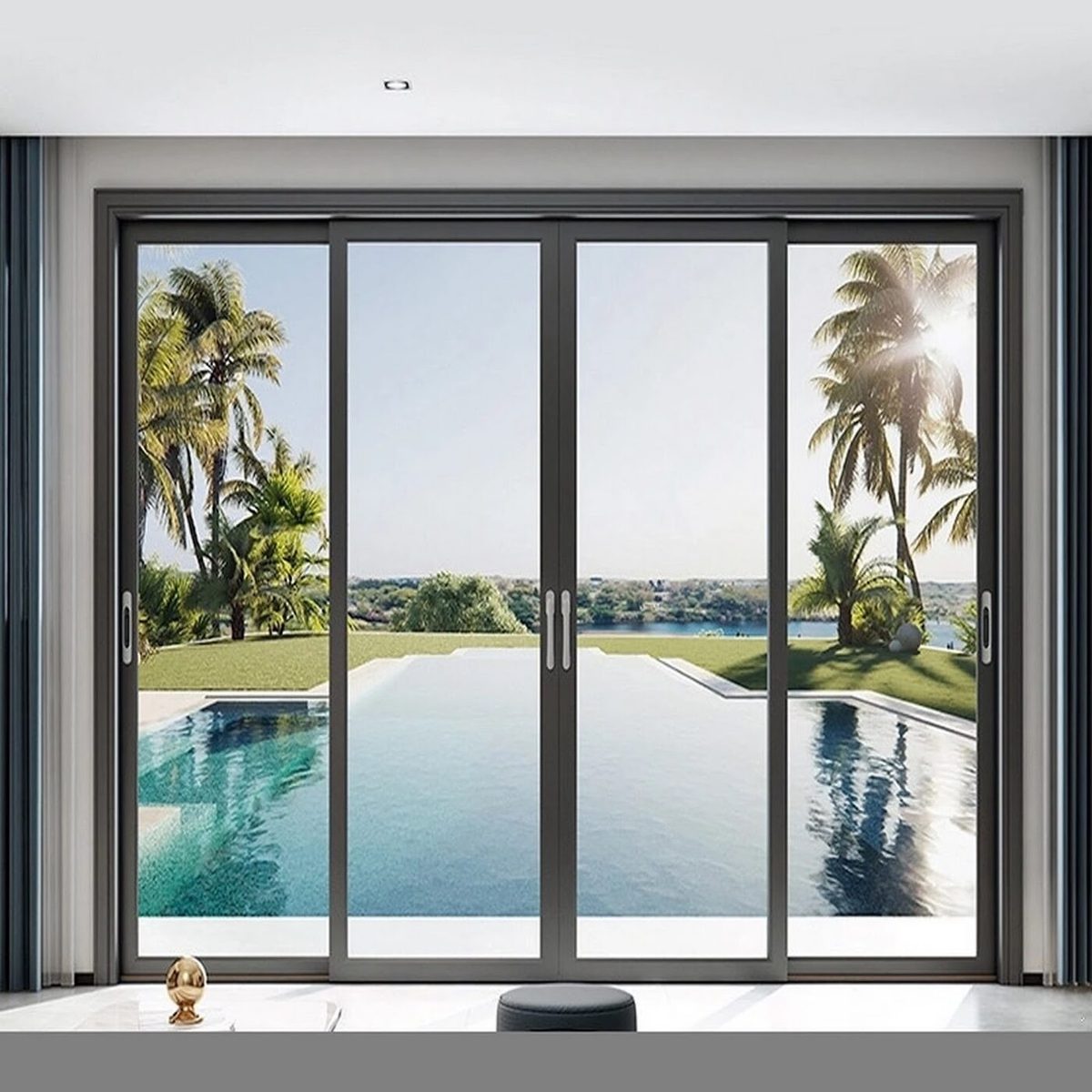
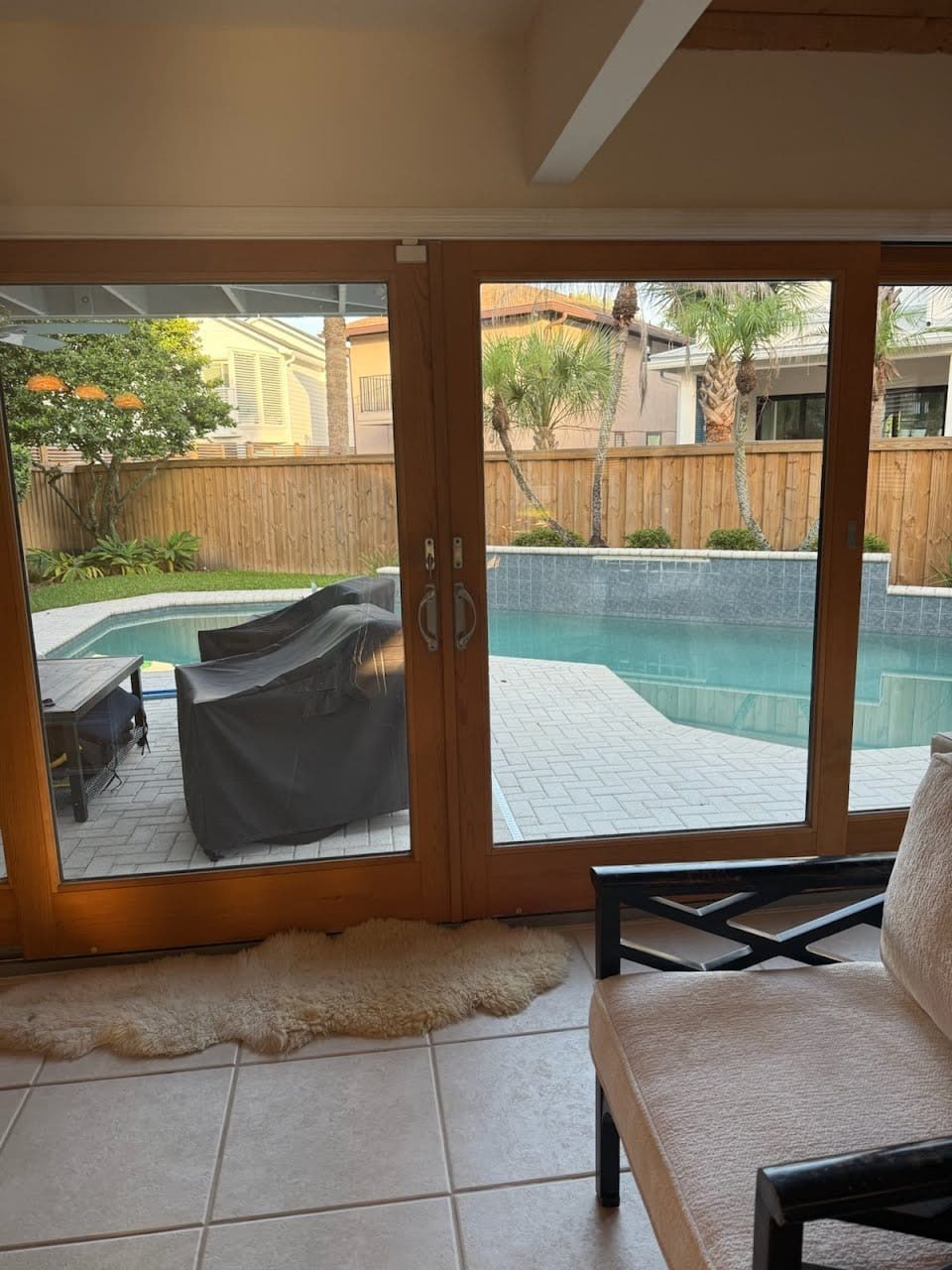
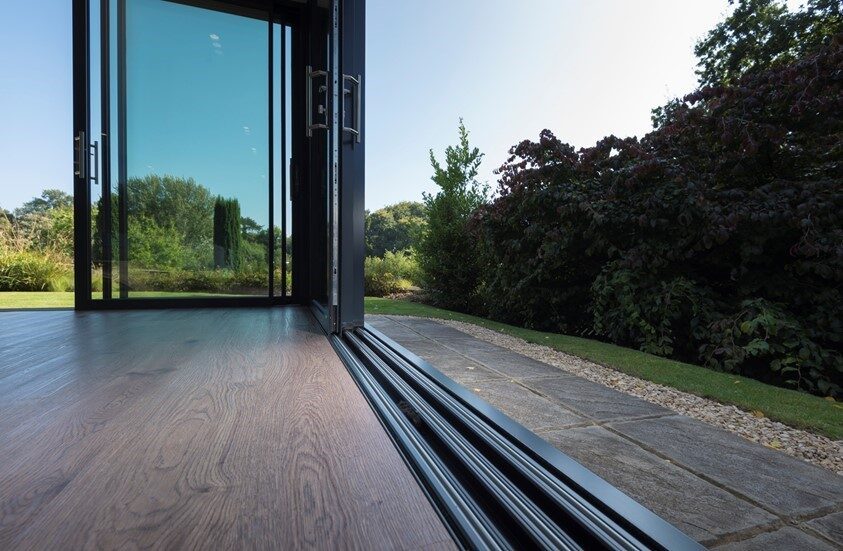
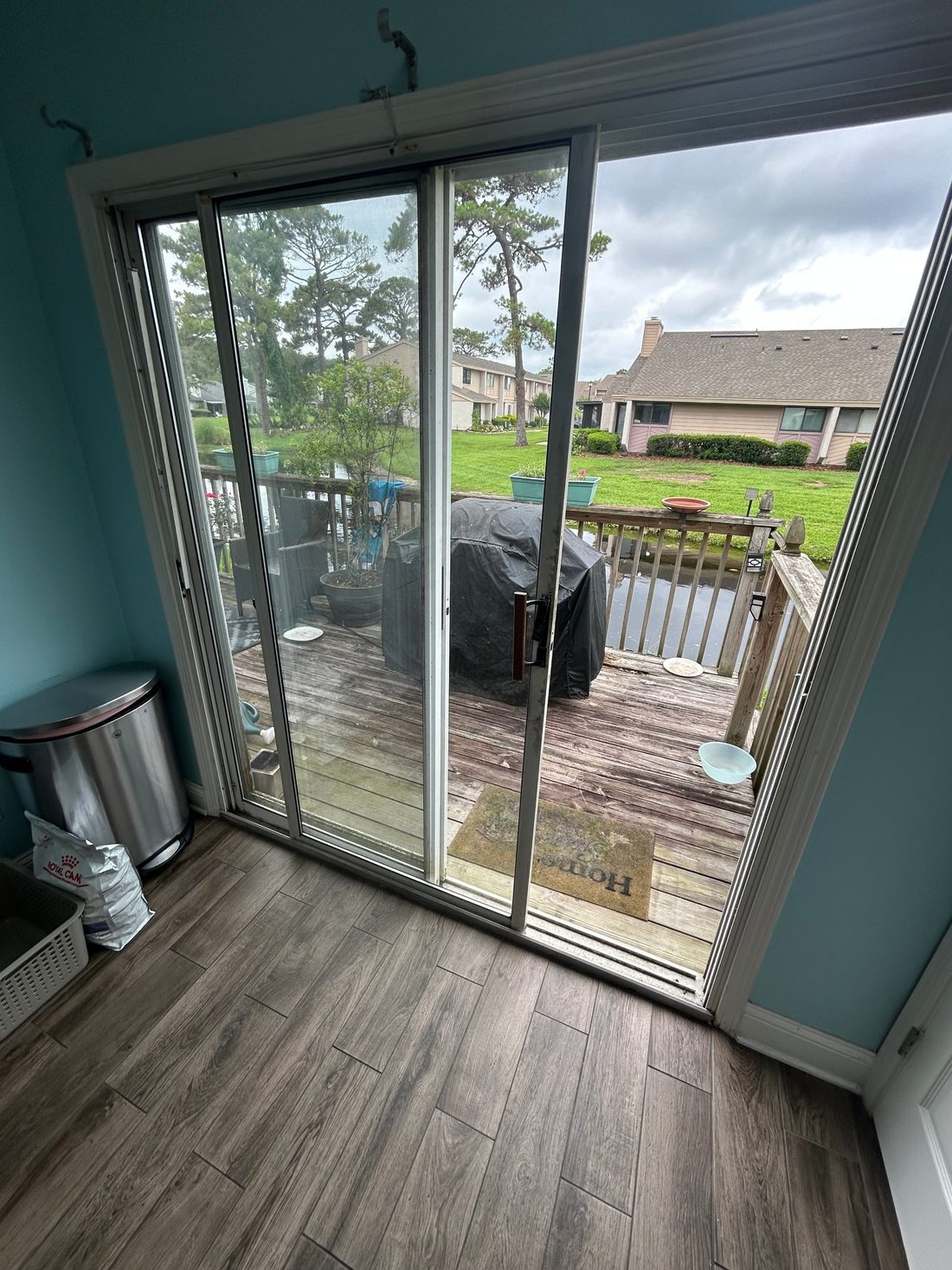
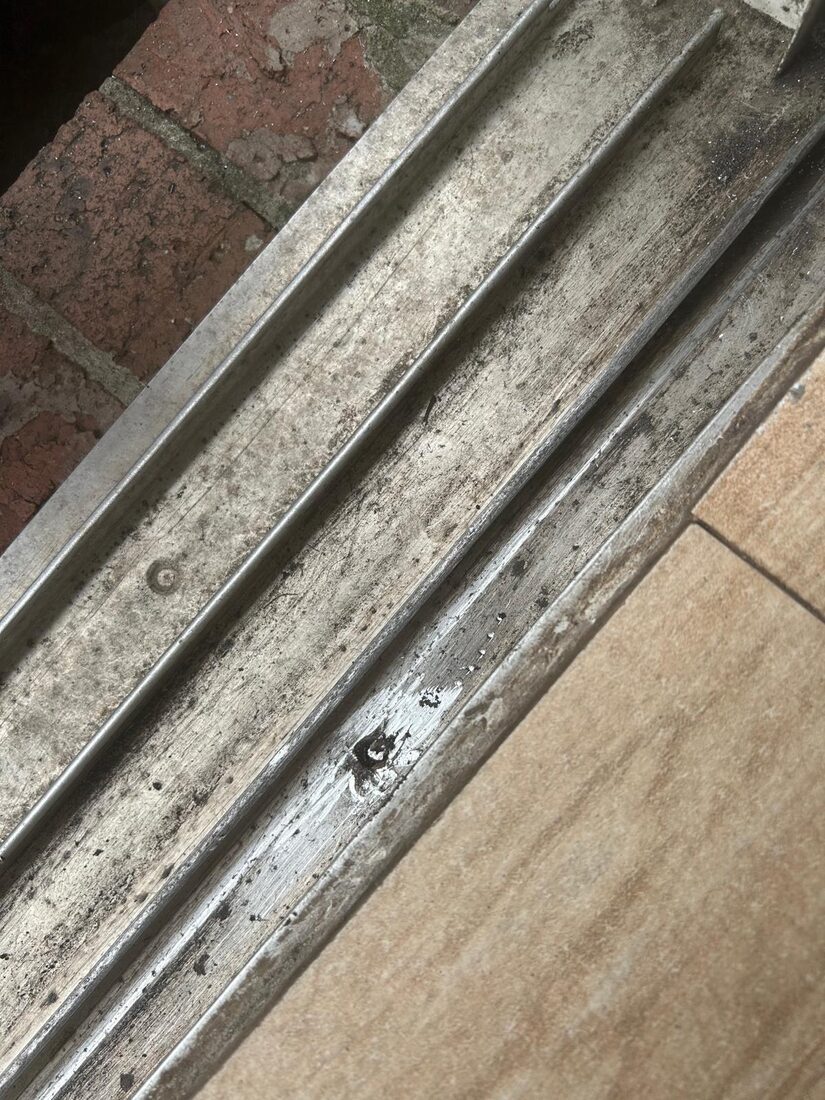
Identify which pieces of a sliding system actually move. Some openings have one active panel, some have more than one, and a stationary panel can look almost identical from inside. Use a room name and describe the affected panel from a fixed viewpoint, such as looking out from the living room. If two panels share a sill, note whether both feel rough over the same section. If the concern is glass, specify the exact pane or panel. This information helps distinguish a common track or frame problem from a defect limited to one moving unit and avoids assuming the wrong panel needs to be ordered or serviced.
Ask what the opening can do right now
Find out whether it closes, locks or appears unstable. Give the technician the current condition and any route affected.
Prioritize conditions by how they affect the people using the building. A cracked pane, unstable panel or entrance that people cannot safely use changes the immediate plan. A persistent rub or draft in a door that can still close and lock can usually be documented while a visit is arranged. Record the condition of each opening and whether there is another route. This is particularly useful where an older resident, child, tenant or customer relies on a particular doorway. Assign a contact who can arrange access and authorize the scope. Tell the service provider what the door can do today as well as the long-term goal.
Distinguish urgency from the likely cause
A hard-to-secure opening or a door used for an important exit needs an access plan even before the specific component is identified.
The opening may serve someone who depends on it even if it is only one of several doors in the building. Tell the property contact who uses the route and under what conditions. Ask how access will be managed if the opening cannot be used while service is pending. Before adding hardware, discuss how normal entry and exit will work and whether the change affects a designated route. At a business, the responsible site contact should apply its procedures and accessibility requirements. At a home, include the needs of the people who use the patio so the plan works after the visit as well.
Give occupants a simple report format
Ask for one normal observation such as a hard first pull or a latch miss. Leave loose or damaged panels still.
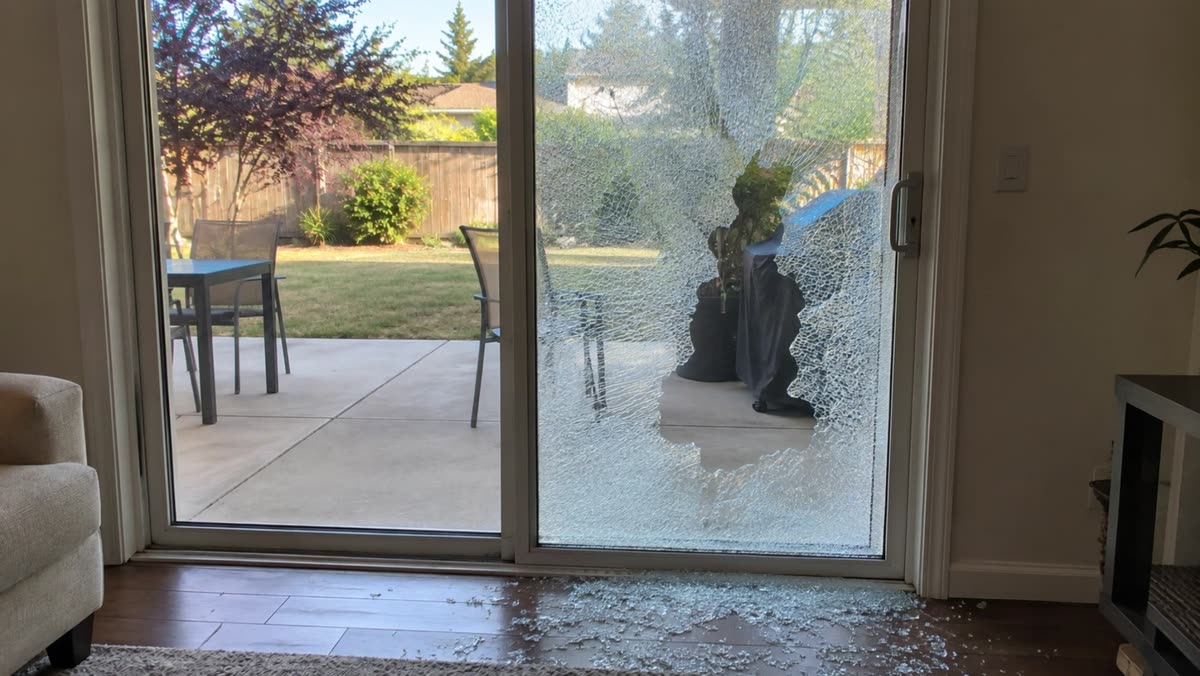
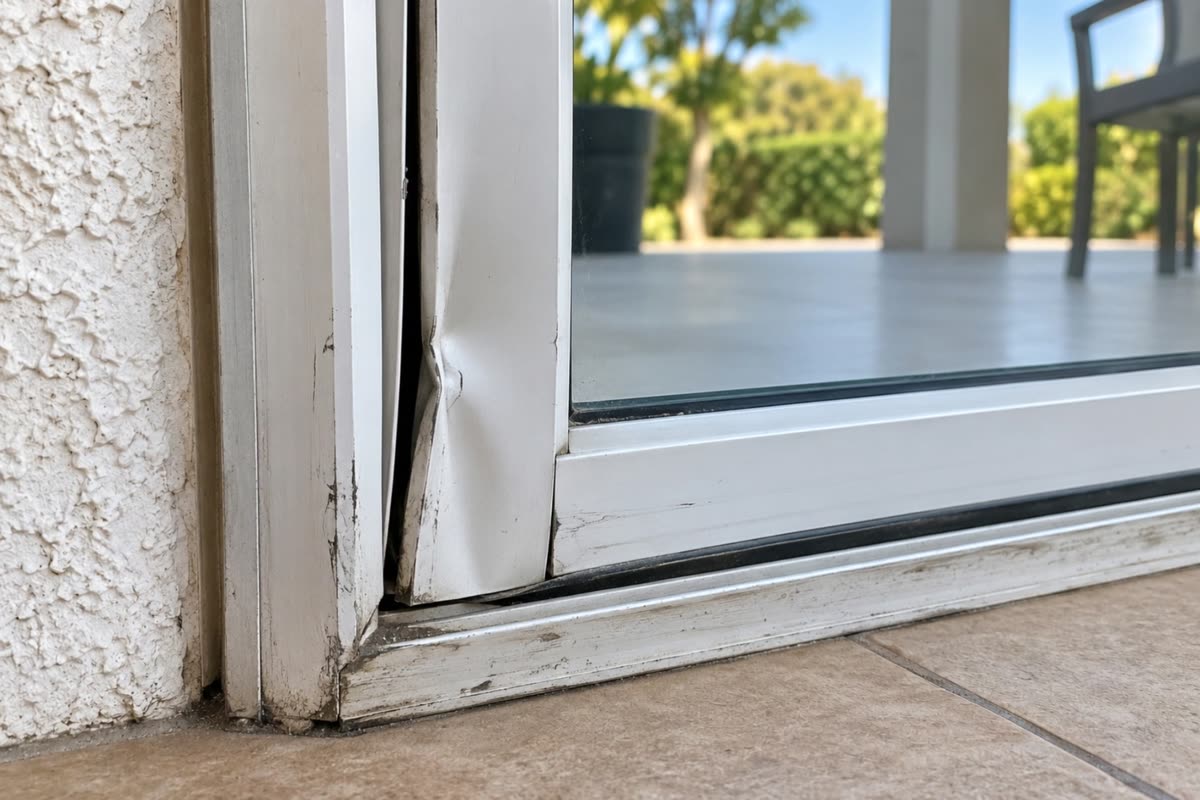
Observe the stable opening during the way you normally use it. A few notes can capture the direction, amount of travel and where any sound or drag begins. If there was a recent change in weather, compare the same location on a day when the issue is absent, if possible. Avoid forcing a door to recreate the problem. An image of the full opening or a clear room label may be enough for the first call. If the panel seems loose or the glass is damaged, leave it in place. Report the current condition separately from earlier observations so a technician can plan the right approach.
Name the approval and access contacts
Record the tenant who observes the problem and the person who approves work. Confirm who can let the technician reach the door.
A tenant can describe the symptom well even when the owner has to approve the repair. Ask the occupant which opening, what has changed and whether it can be left secure. Then identify the person who can authorize the visit and parts, plus any property management rules. It helps to give the tenant and technician the same label for the unit and opening. Someone who writes “back slider” may mean a different door from the person arranging access. Keep the work order, approved scope and follow-up notes in one place. When several tenants report a problem, distinguish their doors rather than combining everything into one diagnosis.
Apply the building procedure to the scope
Check rules for visible changes, staging and appointment times. Keep those details on the work order for both the occupant and technician.
A property rule is most helpful when attached to the door and the proposed work. Ask for the current process for a visit, whether equipment needs to pass through shared space and who approves changes to visible parts. If work stops at inspection pending approval, have the technician document the condition and proposed options for the decision maker. Keep any dates, access names and written restrictions together so the next visit can be arranged without another round of calls. Tell the repair provider about requirements before ordering glass or hardware. Confirm the actual scope with the person responsible for building decisions.
Describe how the repair fits the occupied unit
Share the room's normal use and who needs the opening. Arrange a clear space and agreed access while the work is performed.
An occupied property needs a work plan that accounts for who uses the opening. Give the contractor the room name and tell occupants what access is needed and how the opening will be handled. If there are children, animals or residents who rely on the patio route, share those facts when arranging service. Keep the work area clear according to the site plan. For a rental or condo, identify who can approve a change and who can provide access at the appointment. Explain whether the door is currently usable and when it normally sees the most traffic. This helps fit the work to daily use at the property.
Compare one door with another only when useful
Note which unit had earlier service and what changed after it. Separate a recurring symptom from a new problem elsewhere.
Keep the last normal use and the first problem as two entries. Add any event between them, such as a service visit, new flooring, an outdoor project or visible impact. It is useful to know if the symptom improved briefly and then returned. If someone already installed a track cover or changed wheels, bring the original scope if you can. Describe the current closing and travel independently of the history, because a new issue can develop elsewhere in the same door. A short timeline makes it possible to evaluate whether the earlier work addressed the part that is failing now.
Request a scope for each unit
Ask for the problem, relevant parts and expected result under the same door label. Include authorization for any separate work that comes up.
Keep the question about cause separate from the question about work. Ask the technician to show the affected surface, mechanism or opening first. Then have the proposal describe what will be adjusted, repaired or ordered and how the result will be verified. That allows a household or property manager to review the same problem even when two providers propose different paths. If availability or conditions around the frame could change the plan, ask how the decision will be made. A short follow-up note identifying the part, relevant contact and next visit can be useful when the solution cannot be completed that day.
Check work while the original concern is available
Ask the occupant or site contact to confirm ordinary operation when possible. Note whether the latch and passage now work as intended.
The most useful final check repeats the ordinary action that was difficult before the visit. Open the panel gently, move through the original problem area and close it fully. Then check the latch, the transition at the threshold and any separate screen. Look for scraping or gaps from a safe position. Ask the technician which care instructions apply and which changes would justify calling again. It is easier to describe a remaining issue while everyone is still looking at the same opening. A property with several users can benefit from a short note about normal operation so the next person understands how to confirm it is secure.
Close the record with follow-up steps
Log installed parts, checks and any needed return visit. Keep the contact and access notes associated with that unit.
Document the condition of the opening after the visit while it is fresh. Include what was serviced, which components remained in place, and whether the door traveled, closed and latched in ordinary use. If a second visit is needed, capture the part or approval required and who is responsible for arranging access. Keep a short care note from the product instructions. This is especially helpful for a rental or commercial site where the person reporting the issue is different from the person who approved the work. A clear handoff prevents a follow-up call from starting with the same unanswered questions about the opening.
Local examples in North Park and Chula Vista
For a North Park duplex, two households may each say “back door” and mean different openings. A Chula Vista property manager may coordinate several homes from one office. A San Diego work order should use a room and door label for each site, then give the authorization and access contacts. A door that will not secure should be flagged separately from another that moves roughly but can be locked.
Questions to ask
What should a tenant photograph?
The full opening and the affected rail or latch, if safe. Have them label the room and panel from inside.
Can the technician work from one shared approval?
Confirm the actual scope and property procedure. A distinct problem or part at another unit may need its own authorization.
What makes a repeat service request easier?
Keep the original work description, symptoms, date and result. Describe which behavior returned and when.
Local service and related pages
Explore Sliding Glass Door Repair, Sliding Door Lock Repair, Sliding Door Panel Adjustment. Service-area details are available for North Park, Chula Vista, San Diego. Call 619-389-3123 or send a service request to describe the opening at your property.