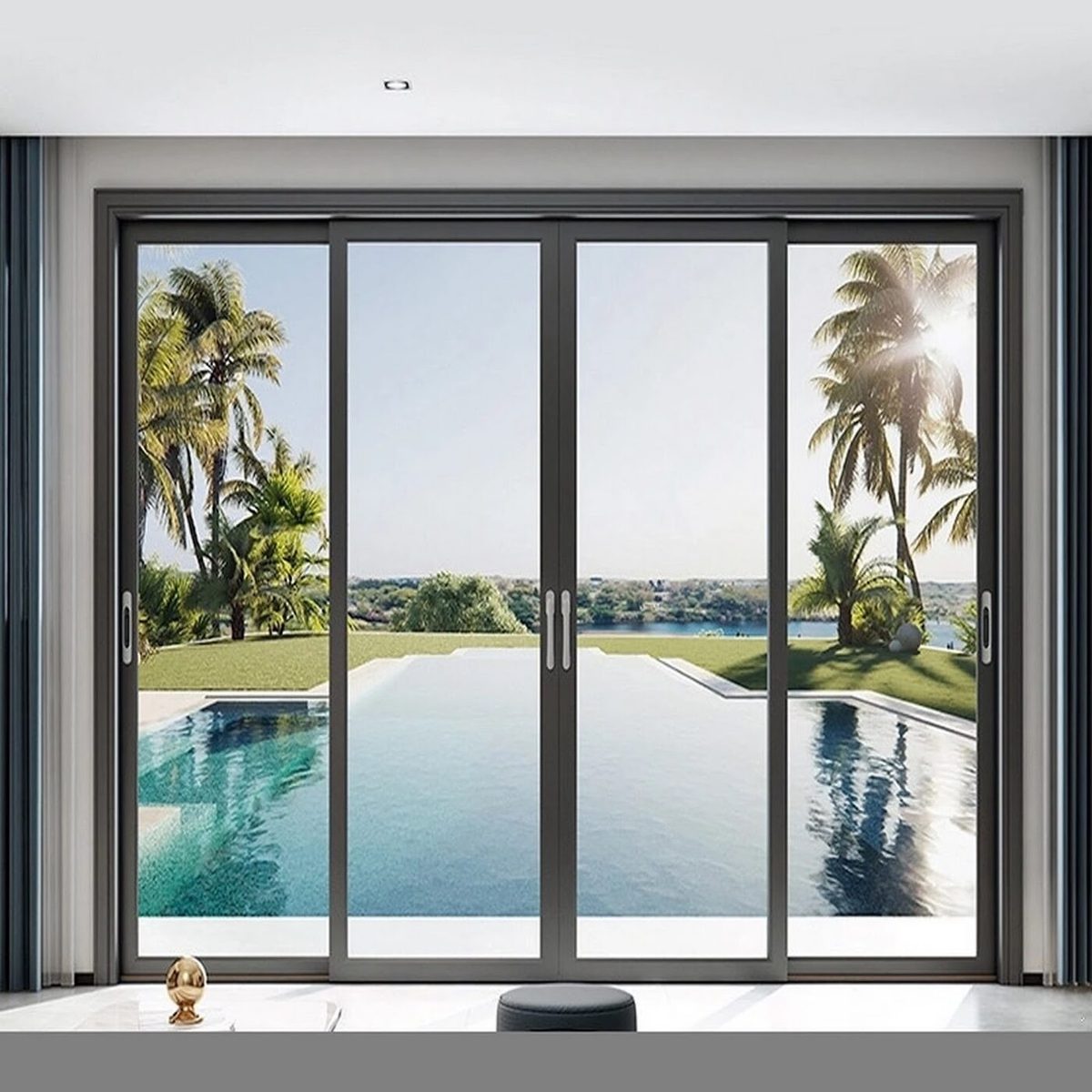
Two estimates for a stuck slider can differ because they cover different work. One may include a part and adjustment. Another may address wheels, a worn rail or difficult access to a wide glass panel. Start by identifying what you need the door to do and which repairs will restore that use. Then compare the estimates for the same opening.
Define the symptom before pricing a part
Report the first pull, recurring bump, closing gap or latch issue. A specific description helps distinguish adjustment from a change to a component.
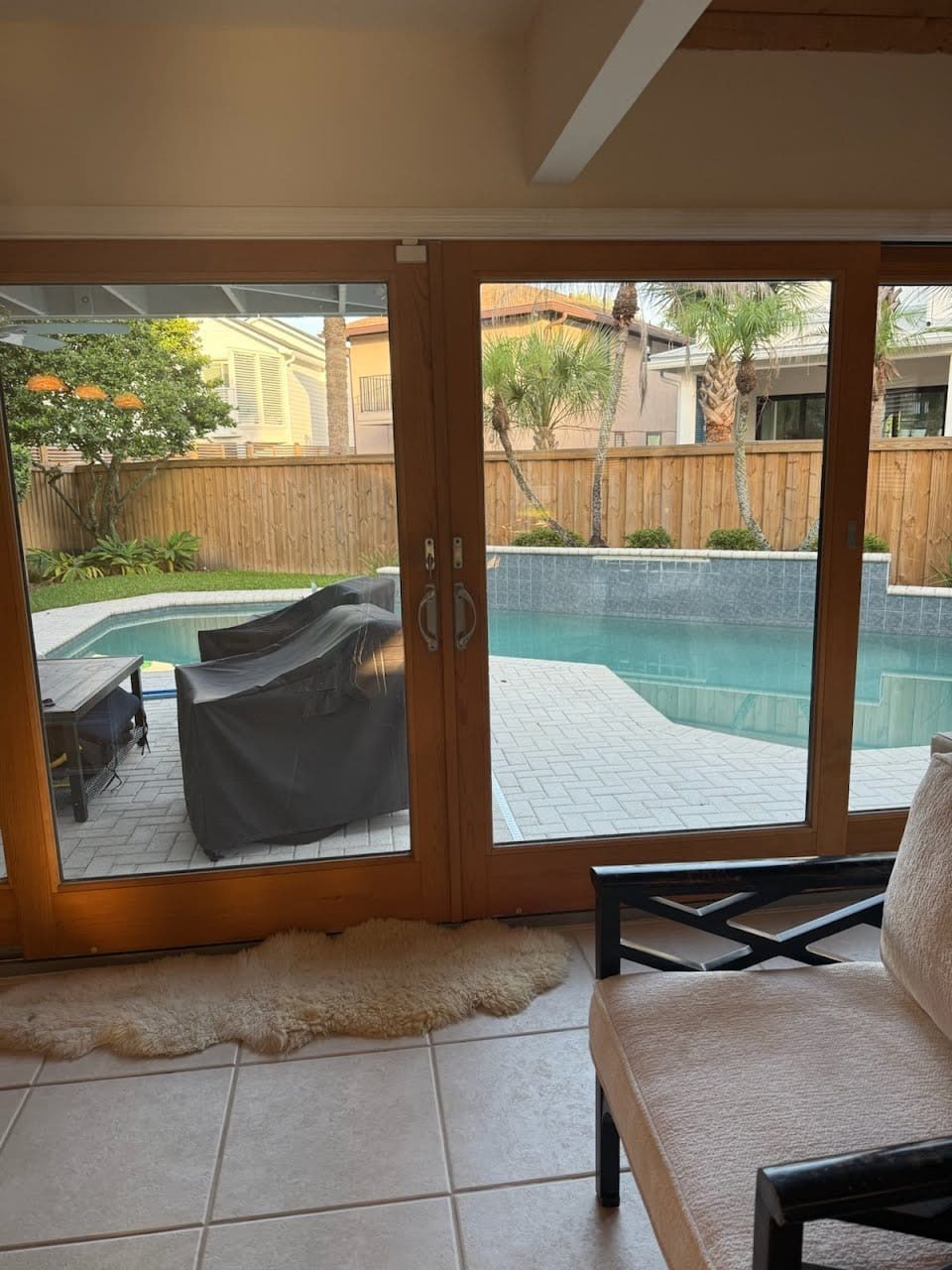
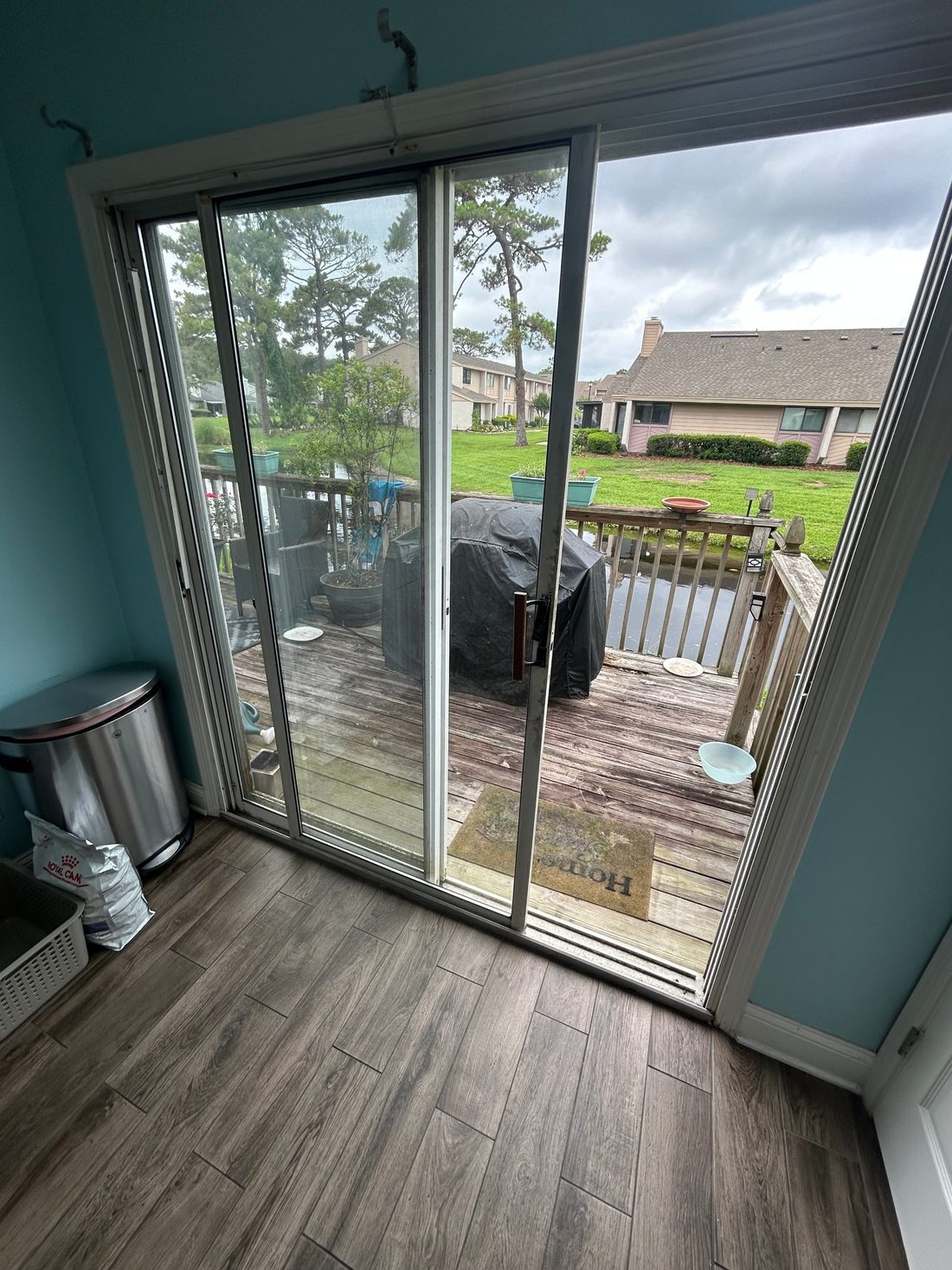
Observe the stable opening during the way you normally use it. A few notes can capture the direction, amount of travel and where any sound or drag begins. If there was a recent change in weather, compare the same location on a day when the issue is absent, if possible. Avoid forcing a door to recreate the problem. An image of the full opening or a clear room label may be enough for the first call. If the panel seems loose or the glass is damaged, leave it in place. Report the current condition separately from earlier observations so a technician can plan the right approach.
Check whether a wheel assembly can be reused
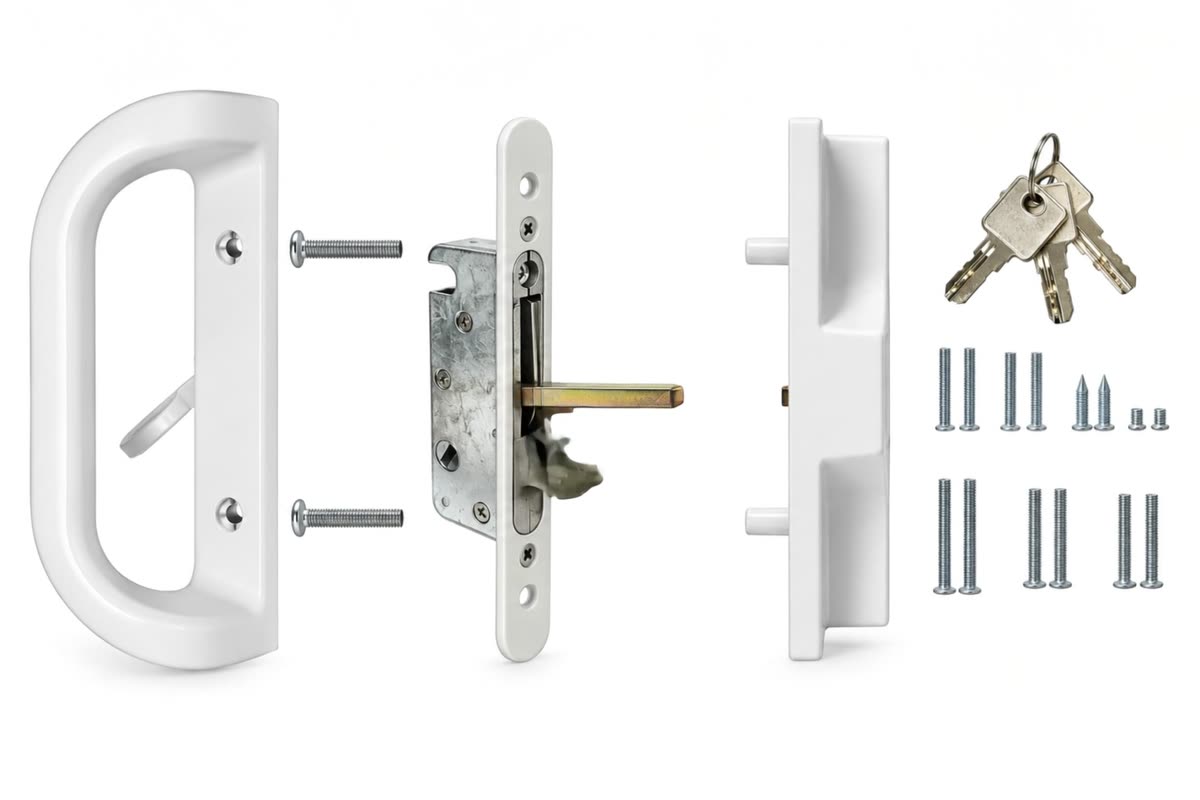
Ask what the inspection showed about the old assembly, housing and rail. Compare the number and type of parts included.
What the homeowner feels at the pull can originate under either end of the moving panel. The rollers are carried in assemblies that have to support the load and fit the panel. A worn bearing can transmit a rough feel through a clean section of track. An uneven wheel can produce repeated movement while it turns. The technician checks both ends because one assembly may still be doing its job. The proposed part also has to match the rail profile and available adjustment range. These checks help explain why replacing a wheel based on the size seen in a photo can leave the travel problem unresolved.
Identify how much rail is damaged
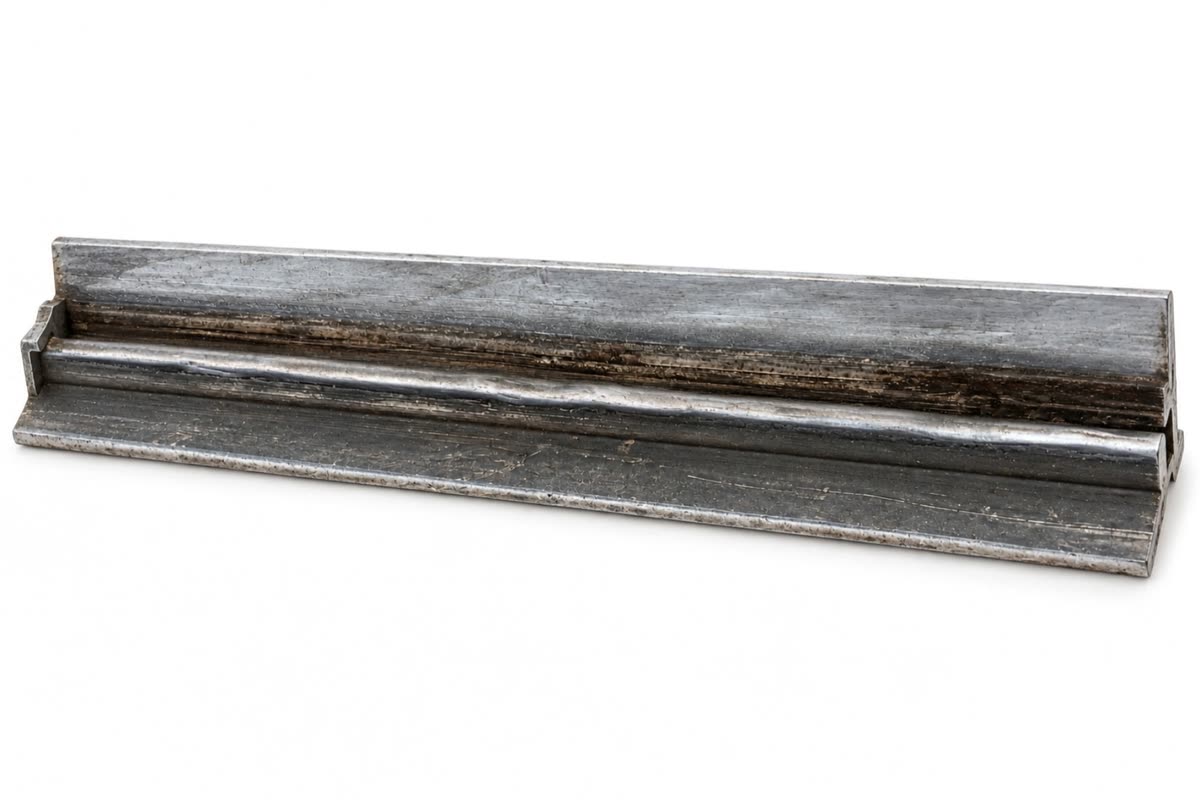
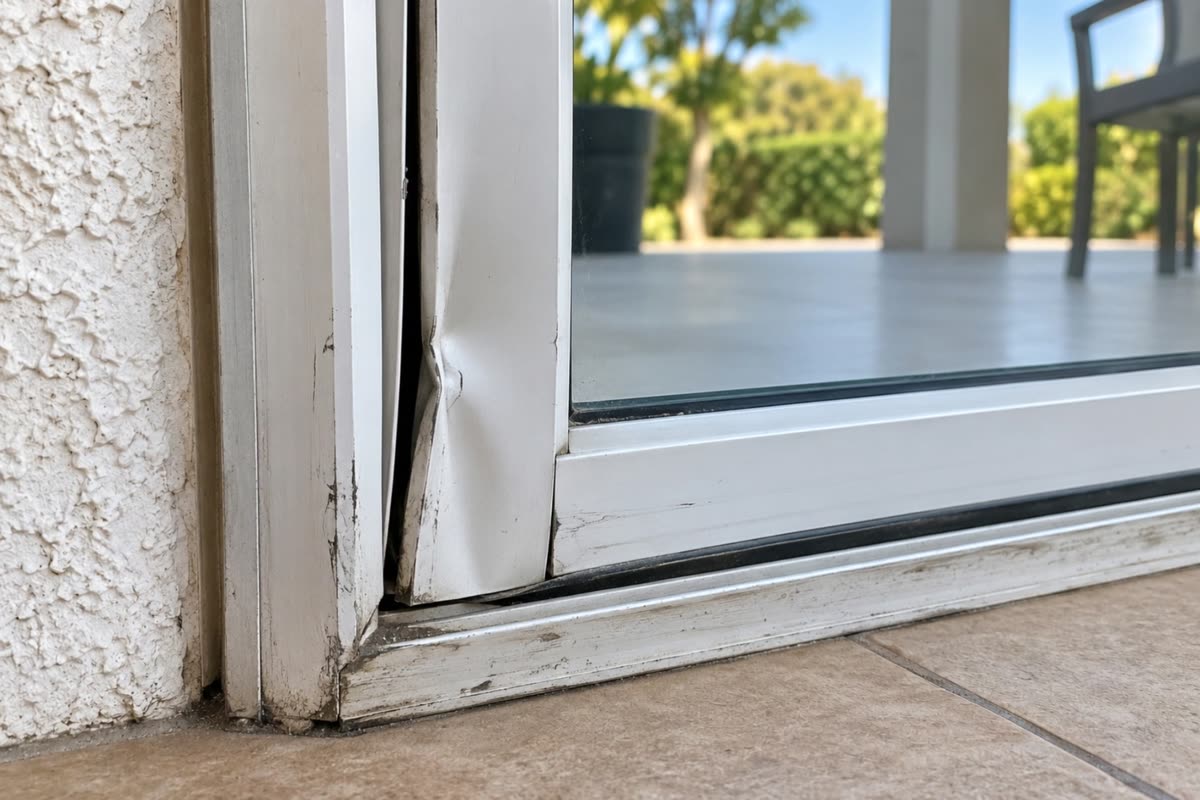
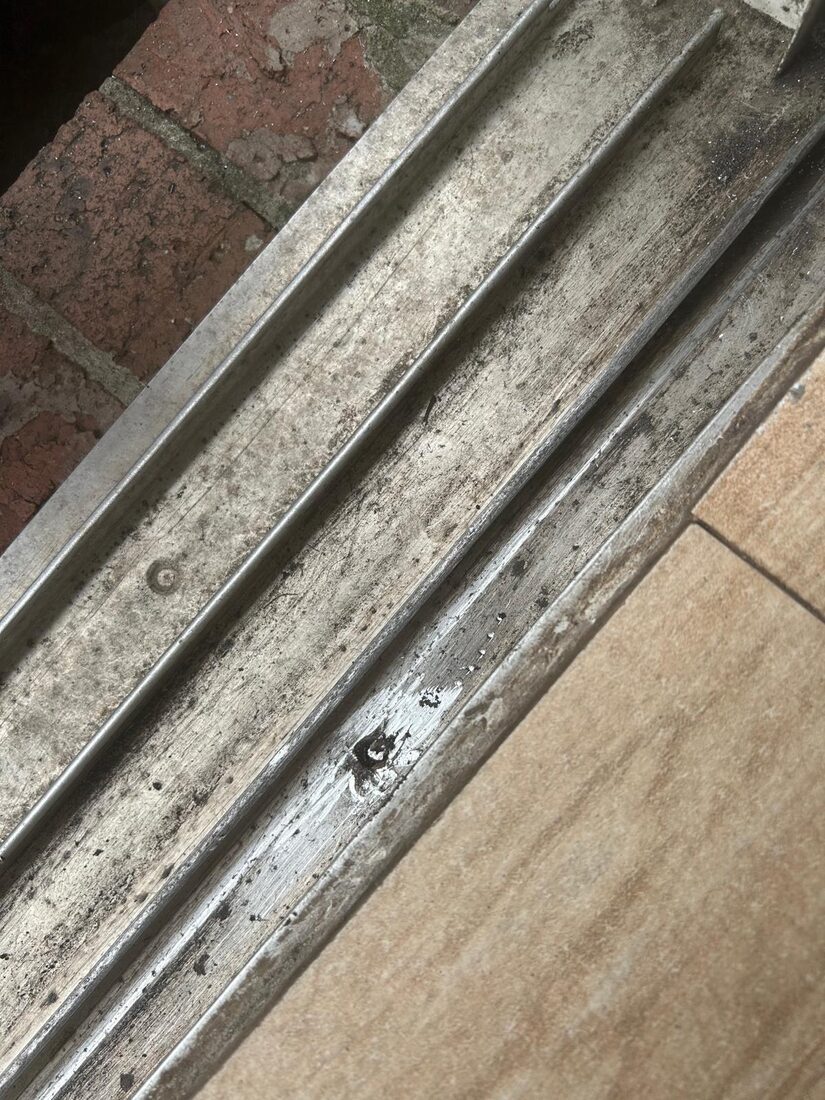
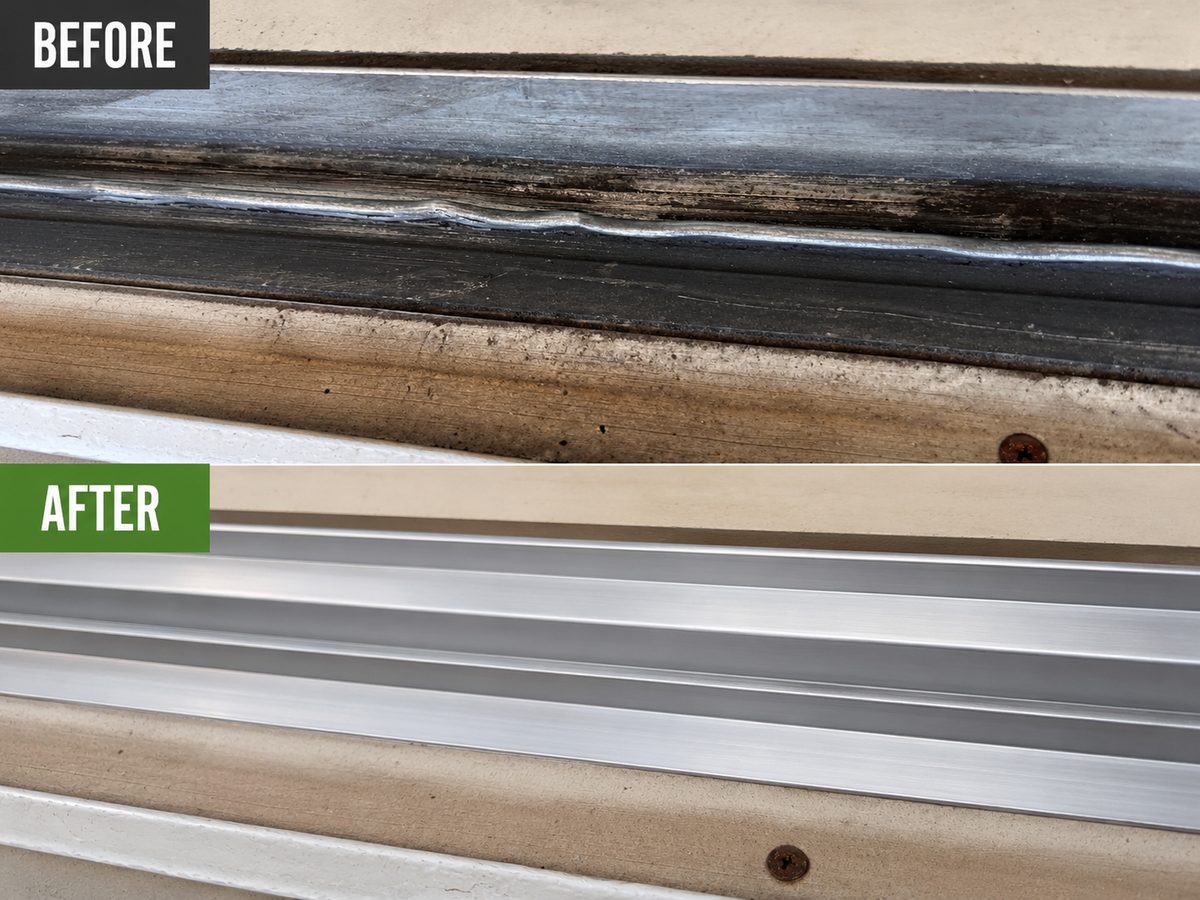
A localized dent and a long worn section can call for different approaches. Ask what work is included at the base and the running edge.
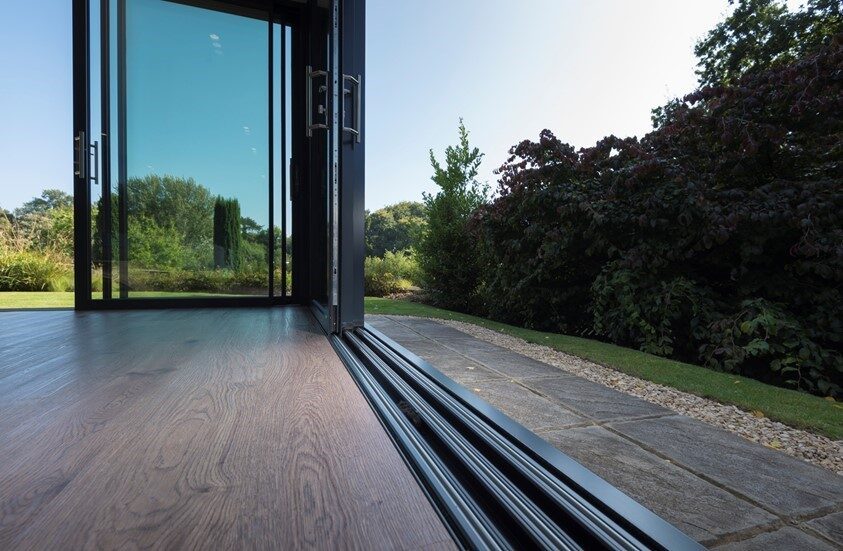
Think of the rail as part of the load path from the glass to the sill. Wear that follows the entire width of a busy opening is a different project from a short interruption near a joint. Ask which material is carrying the door and which layer is only a cover. If a previous repair profile is present, it changes how wheel position and panel clearance should be assessed. Point out whether the threshold moves when crossed, since that may be a support concern separate from a rough wheel path. A clear estimate states the length of damage and how the proposed repair will restore stable contact.
Separate glazing from panel and frame work
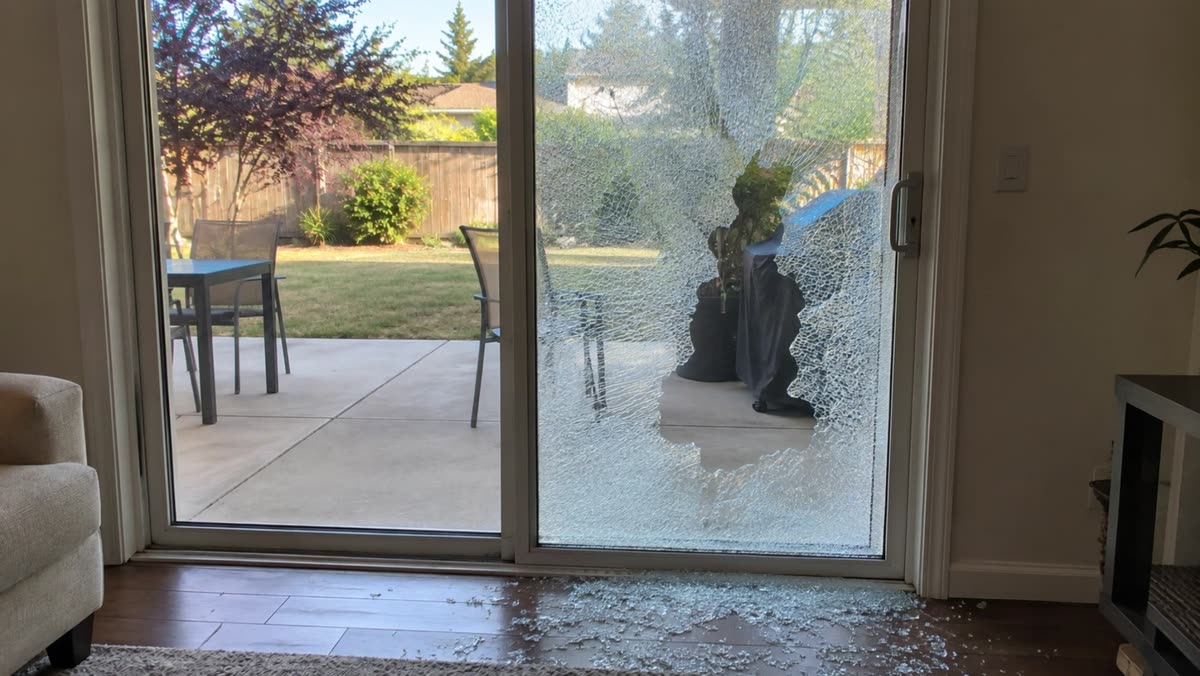
If glass needs attention, confirm whether the original panel and retainers are usable. A pane, panel and whole unit represent different scopes.
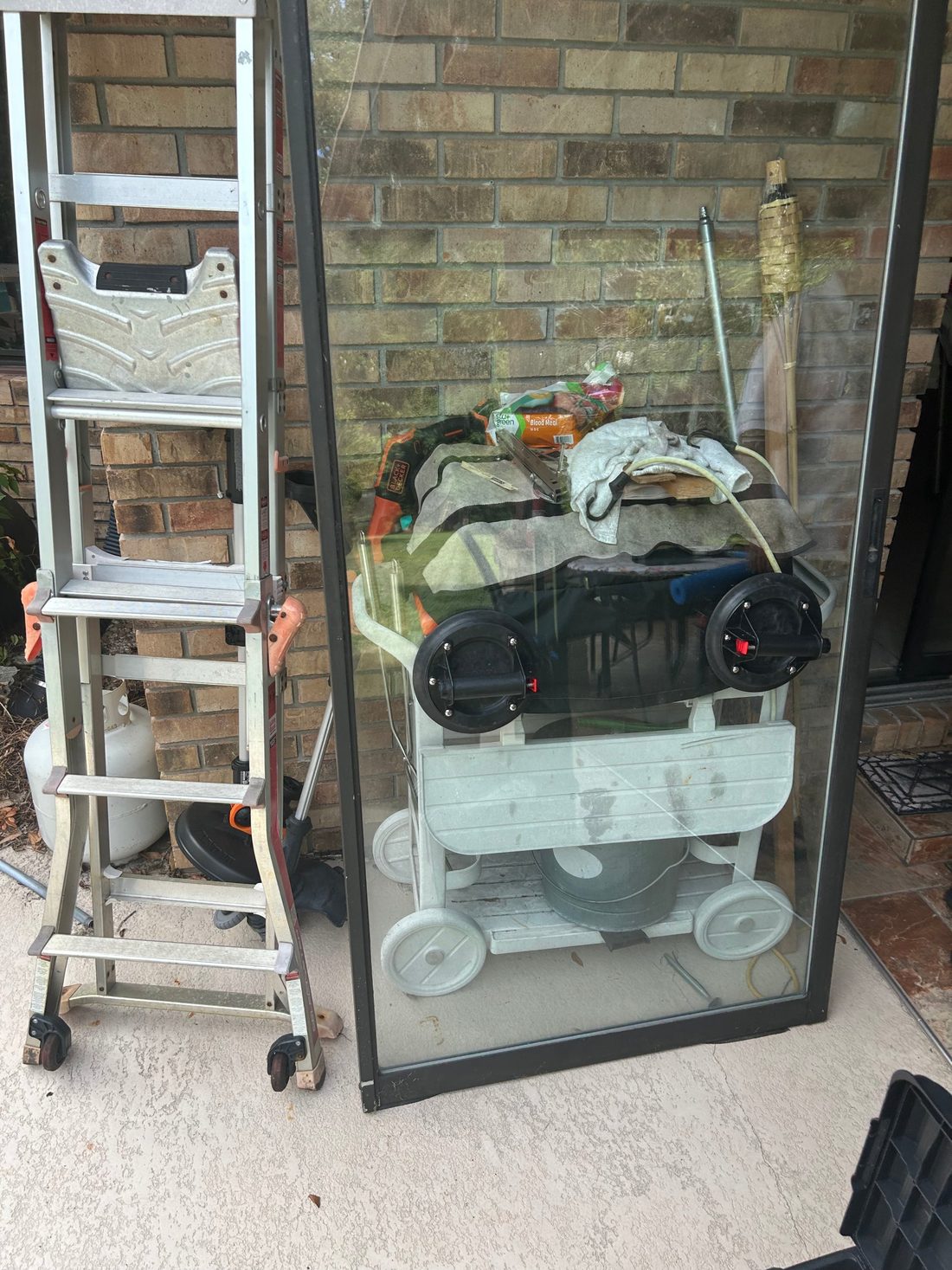
The part of the frame that captures the glass has its own dimensions, support and retainers. A pane ordered only from the visible size may not fit into that pocket. The thickness and edge of a replacement insulated unit also need to work with the existing sash or door panel. A warped panel or damaged retainer can change whether glass-only work is practical. Ask which components will be reused and what the technician found at the support points. On a door that also drags, check the running hardware separately. Replacing the glass addresses a glass problem while the panel still needs to travel and close correctly.
Include the actual access route
Give the floor, gate, landing and building contact. The access needed for one heavy panel may change the time and handling involved.
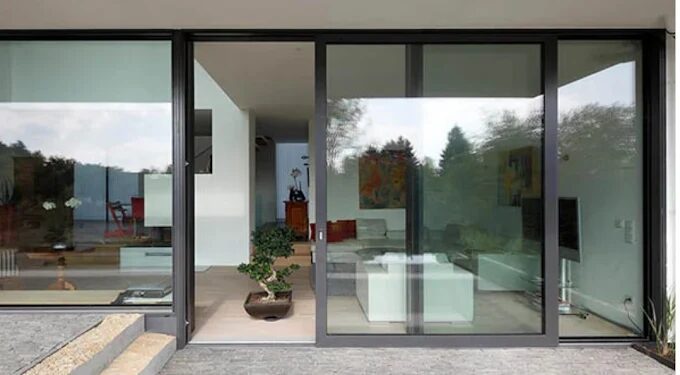
Access begins before the technician reaches the door. For a home, include a gate, raised deck or room that can be entered only from inside. For a managed property, identify the floor, elevator or loading procedure and the person who can arrange entry. A wide glass panel can require more space to handle than a photo of the opening suggests. Describe the route using the surfaces and steps that actually exist. If the door cannot safely be moved, leave that fact in the booking notes. Access details let the repair team plan a visit around the opening as it is, including who will be present.
Ask which earlier work affects the quote
Show previous repair paperwork and note how long it worked. A track cover or discontinued part can affect what a new scope includes.
Describe the order in which the problem appeared rather than listing every change to the house. For example, “the rail began to bump on closing, then the latch started needing a lift” provides a useful sequence. A sudden contact mark after a project calls for a different examination from wear that spread gradually. If there are records or pictures, tie them to the affected opening and date. Tell us if a second part still operates normally. The evidence from the actual timeline can help a technician choose whether to check fit, wear, an obstruction or the effect of earlier parts.
Compare a repair with full replacement for the same goal
Ask what each option changes in operation, layout and cost. If your goal is a door that closes normally, keep that test in the comparison.
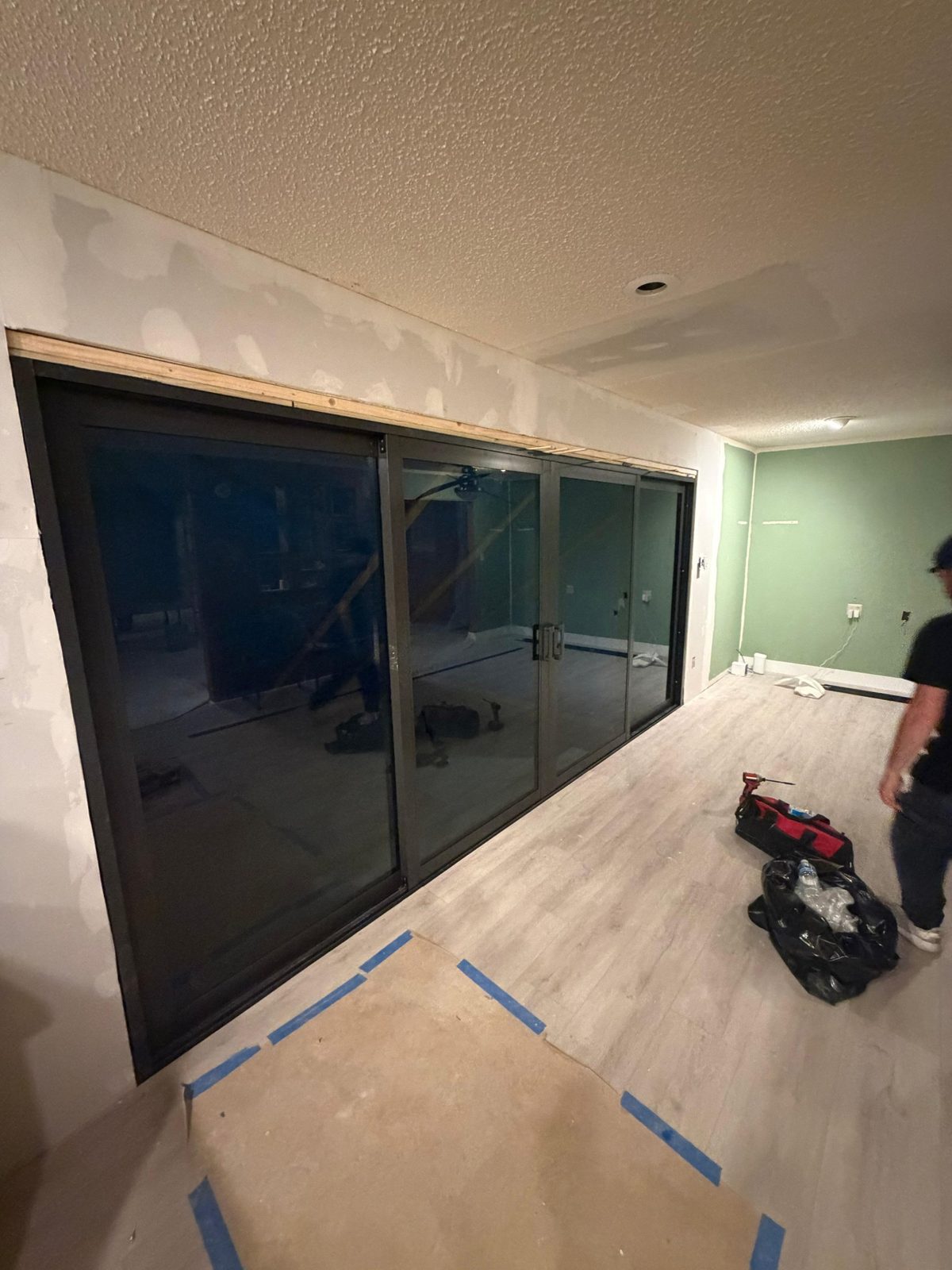
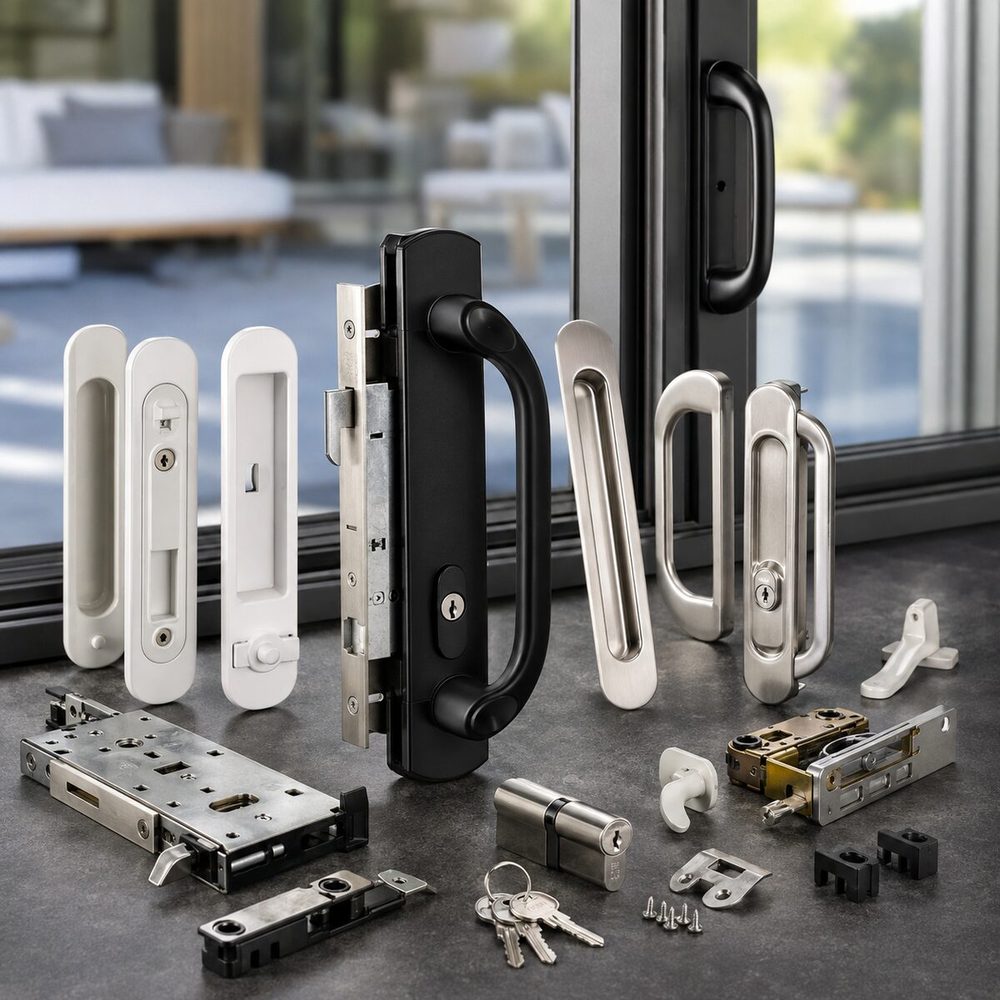
Consider the job at three levels. A compatible component can restore a sound door. A panel replacement can make sense if the frame and hardware support an available match. A complete unit can address an opening whose frame or layout needs to change. Ask the technician to explain which level deals with the issue and what evidence supports it. Include the clearance, appearance and threshold you expect when finished. If a past part is discontinued or concealed damage is found, request a new description of the available scope. A proposal should help you compare actual outcomes instead of choosing by the size of the part alone.
Compare line items across written estimates
Ask whether labor, parts, alignment and testing are included. Have each provider identify possible conditions that could change the amount.
When comparing written proposals, separate the stated problem, labor, parts, access and any follow-up. A quote with a clear diagnosis can still depend on what is found when a hidden component is reached. Ask what approval is needed if the scope changes and what the technician expects to show you when finished. Costs can differ because the proposals include different things, such as new wheels and adjustment in one estimate and only cleaning in another. Keep the proposals tied to the same opening and desired outcome. Discuss availability and separate building work as part of the decision rather than assuming they are included.
Plan for a second visit if a part must be identified
Ask whether evaluation and installation happen together or need two visits. Confirm who arranges access and what stays in place in the meantime.
Large components need to reach the property in the condition required for installation. Tell the repair team whether the path includes stairs, a landing, a building elevator or a narrow turn. Verify when access is available and who will arrange it. If the unit must be ordered, ask how the existing door will be left between visits and whether the building can accommodate delivery and staging. Avoid relying on a listing photo to describe the actual approach. A clear access plan and site contact help protect the glass and frame, and let the provider choose a practical sequence for removing and fitting parts.
Discuss who can authorize changes
For a managed property or rental, identify who signs off on work and whether visible changes require a separate approval. Keep the written scope available.
A property rule is most helpful when attached to the door and the proposed work. Ask for the current process for a visit, whether equipment needs to pass through shared space and who approves changes to visible parts. If work stops at inspection pending approval, have the technician document the condition and proposed options for the decision maker. Keep any dates, access names and written restrictions together so the next visit can be arranged without another round of calls. Tell the repair provider about requirements before ordering glass or hardware. Confirm the actual scope with the person responsible for building decisions.
Decide how you will verify the result
Ask to test the original problem, latching and passage. If the work is limited to one component, get notes on the remaining conditions.
The most useful final check repeats the ordinary action that was difficult before the visit. Open the panel gently, move through the original problem area and close it fully. Then check the latch, the transition at the threshold and any separate screen. Look for scraping or gaps from a safe position. Ask the technician which care instructions apply and which changes would justify calling again. It is easier to describe a remaining issue while everyone is still looking at the same opening. A property with several users can benefit from a short note about normal operation so the next person understands how to confirm it is secure.
Local examples in San Diego and Carlsbad
In a Carlsbad condo, a panel may need a loading or elevator plan even if the repair part is small. A Chula Vista patio door might be easier to reach but have worn wheels and a rail that needs its own scope. A San Diego homeowner comparing quotes can ask both providers to identify the same panel and say what the door will do when finished. The differences then have something concrete to explain them.
Questions to ask
Can I get an accurate price from the ZIP and a photo?
Photos help identify the opening and access. A final scope can depend on the actual assembly, rail, frame and parts needed after inspection.
What if the original part is discontinued?
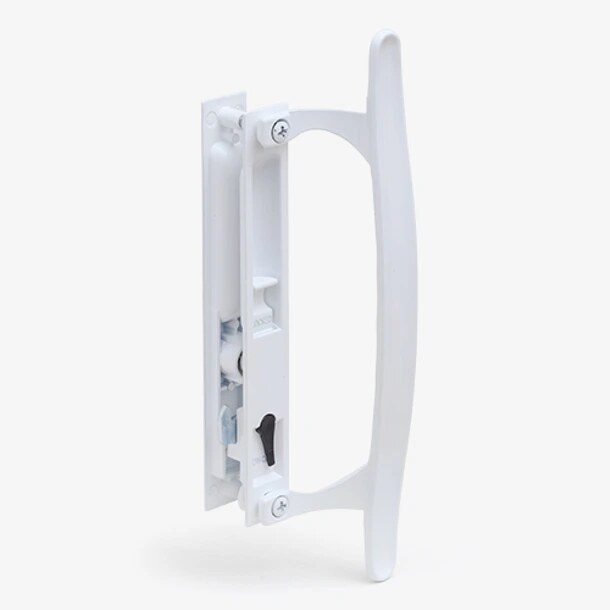
Ask for verified compatible options and how each affects the opening. Confirm which parts the estimate assumes will stay.
Is replacement always the more expensive choice?
Compare actual scopes for your door. A component repair often involves less work, while a damaged frame or unavailable parts can change the practical comparison.
Local service and related pages
Explore Sliding Glass Door Repair, Sliding Door Roller Replacement, Sliding Door Installation. Service-area details are available for San Diego, Carlsbad, Chula Vista. Call 619-389-3123 or send a service request to describe the opening at your property.