When daylight appears in the middle of a closed slider, it may be where the moving and fixed panels are intended to overlap. That area works differently from the jamb where the lock sits. A useful inspection looks at the contact from top to bottom and checks whether the panel can reach its intended position without rubbing or lifting.
Identify the fixed and moving sides
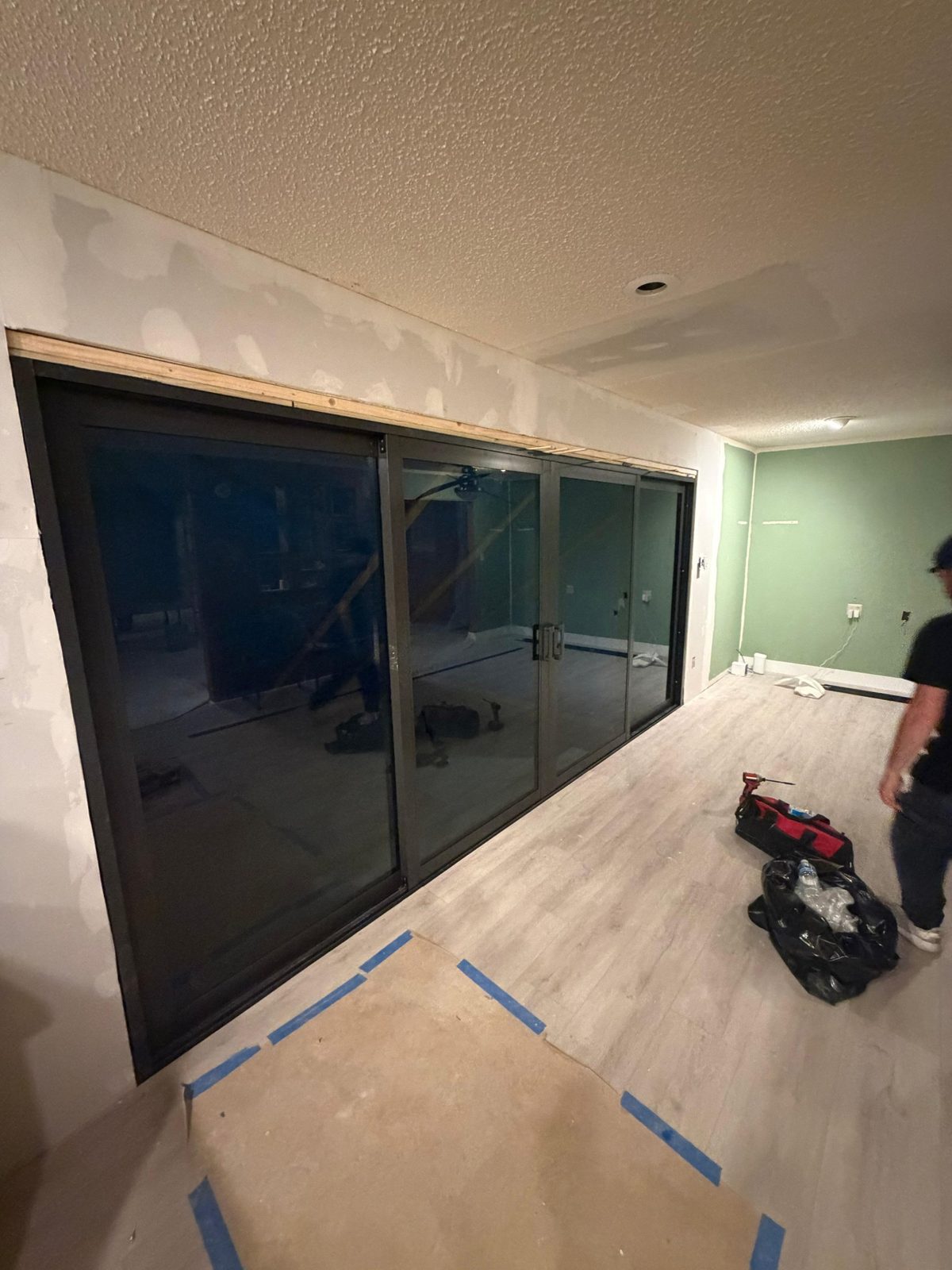
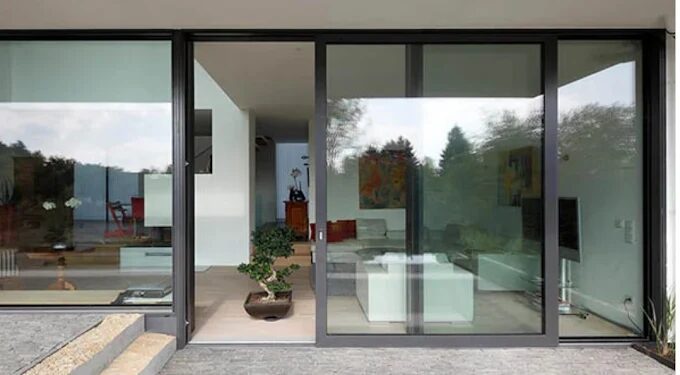
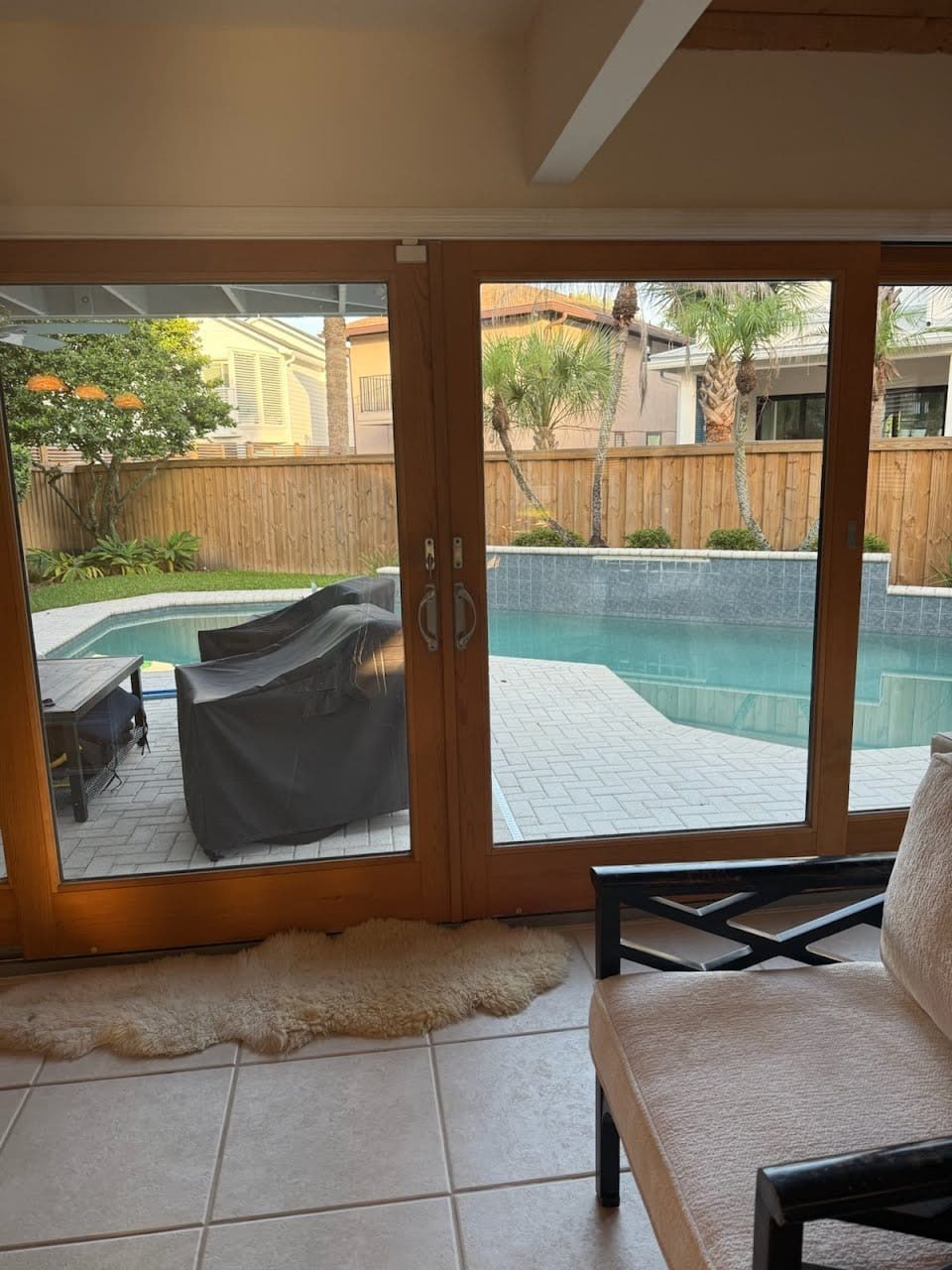
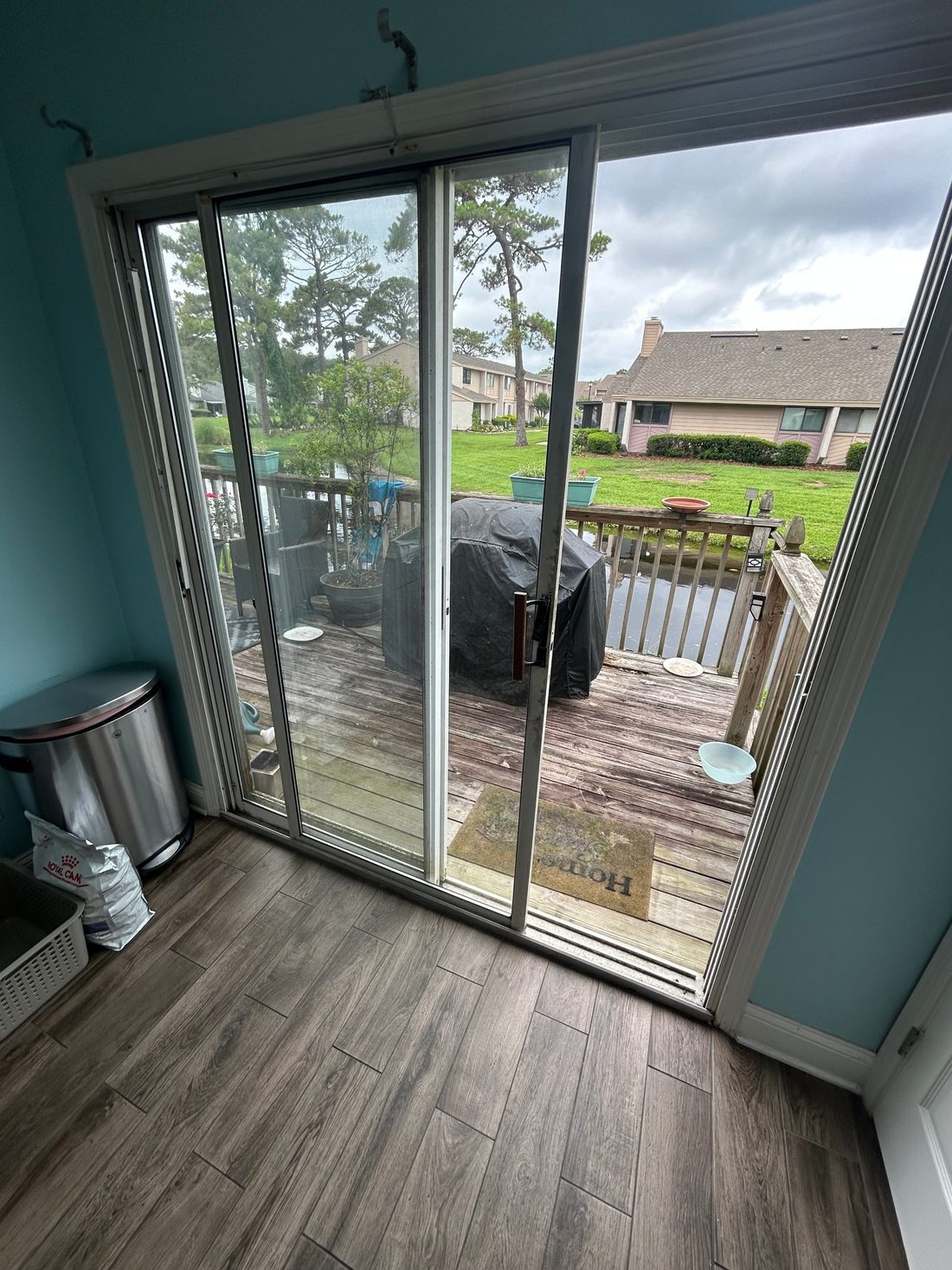
Show the whole opening from inside. Identify the active side and point out the two edges that meet when it closes.
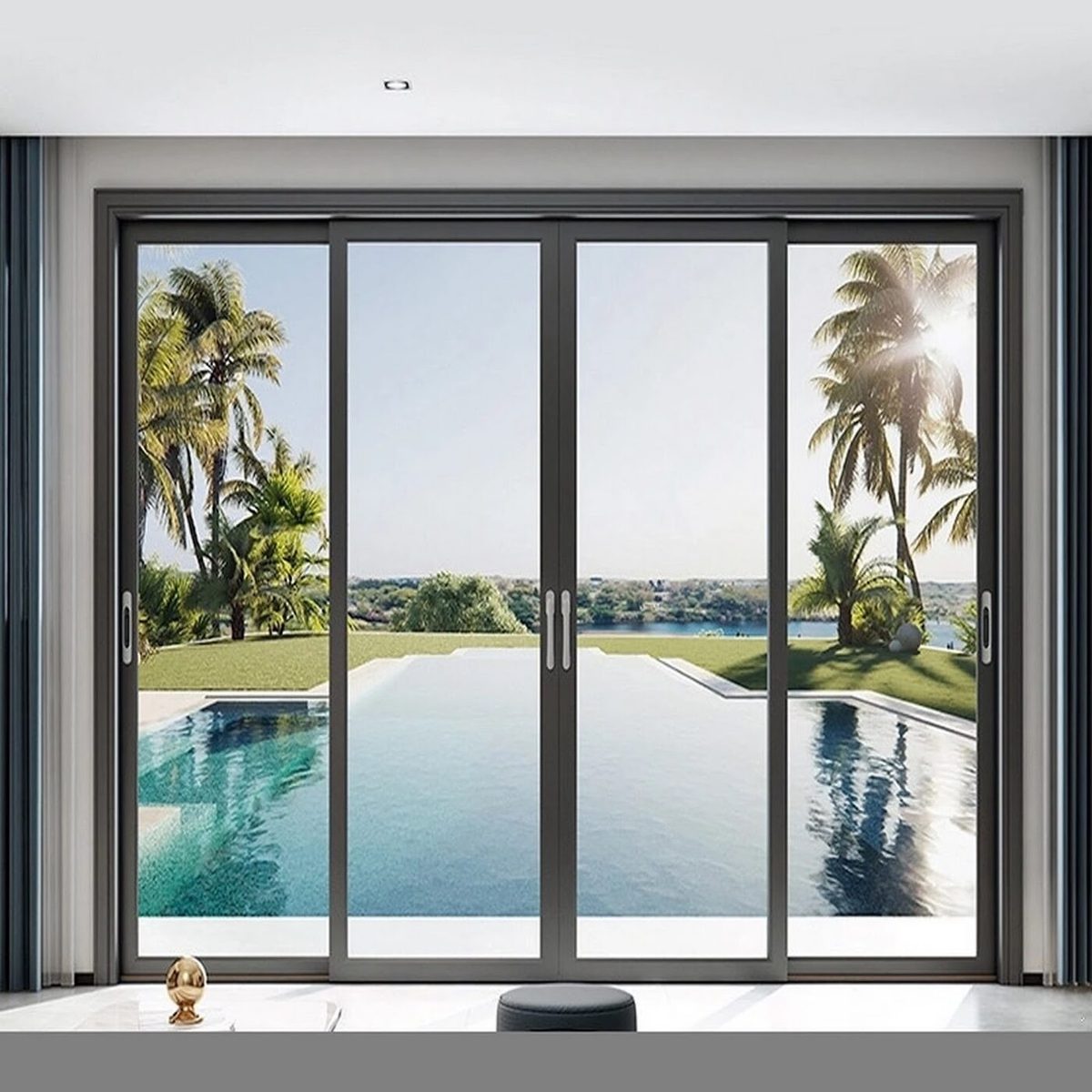
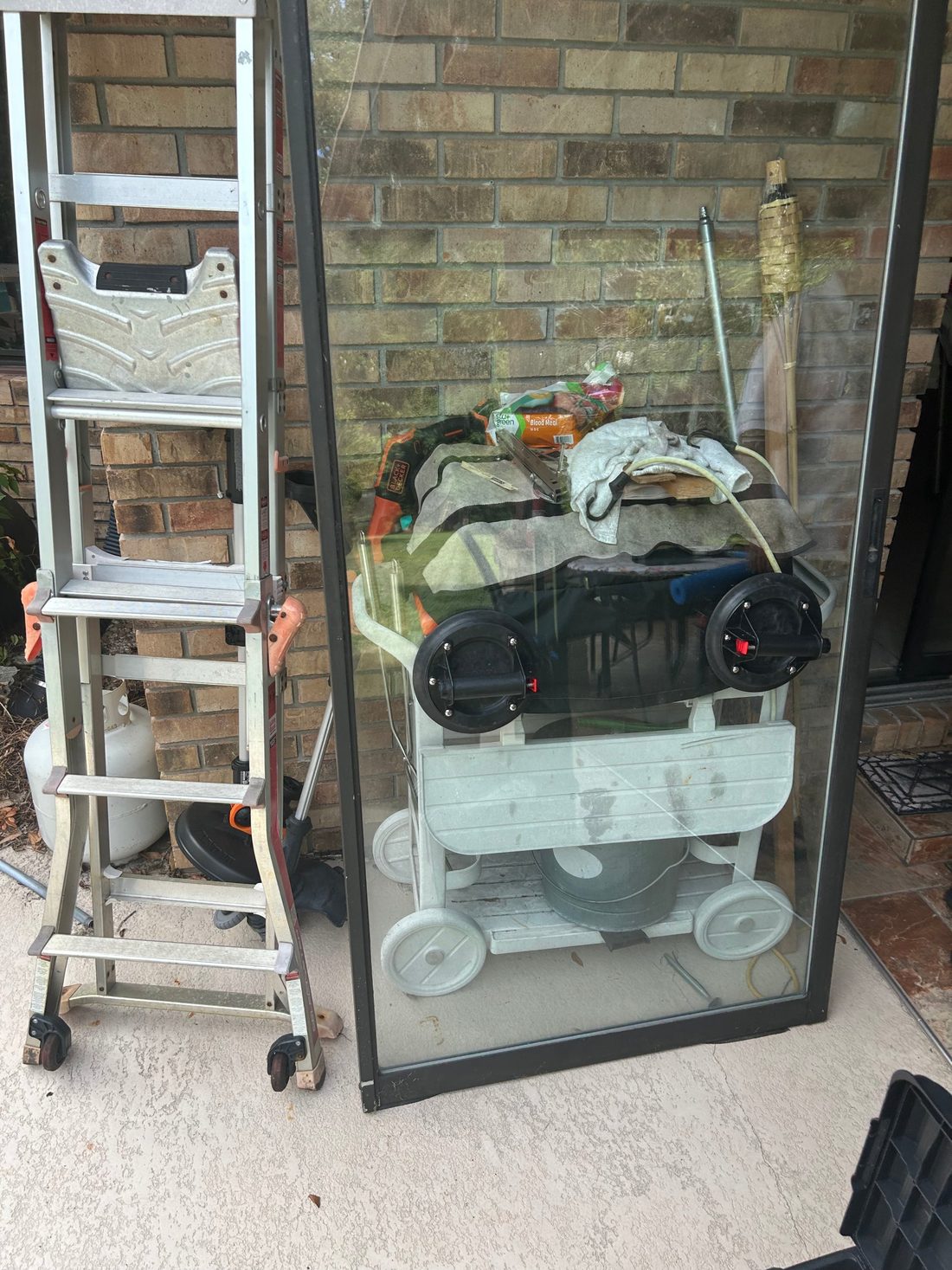
Identify which pieces of a sliding system actually move. Some openings have one active panel, some have more than one, and a stationary panel can look almost identical from inside. Use a room name and describe the affected panel from a fixed viewpoint, such as looking out from the living room. If two panels share a sill, note whether both feel rough over the same section. If the concern is glass, specify the exact pane or panel. This information helps distinguish a common track or frame problem from a defect limited to one moving unit and avoids assuming the wrong panel needs to be ordered or serviced.
Locate the center contact
Look at whether the profiles overlap along the full height. Describe where they touch or leave visible space.
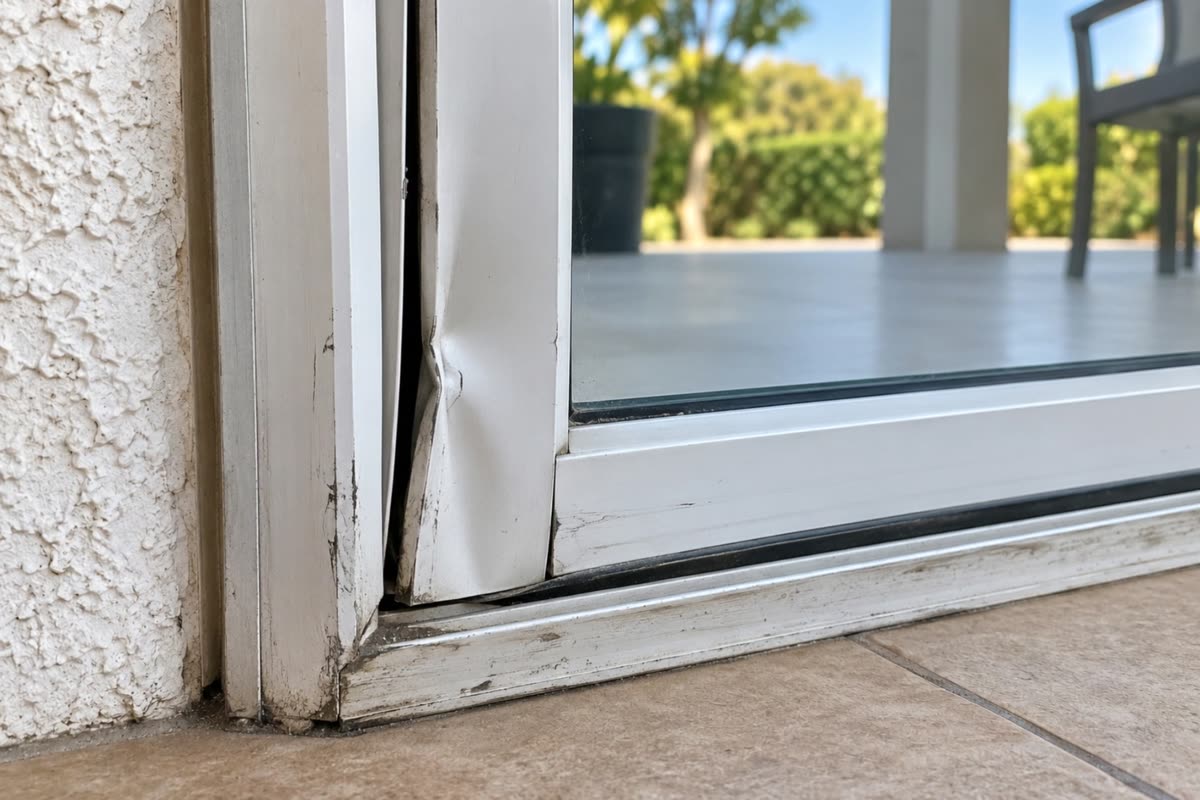
At the middle of many sliders, the moving and fixed panels meet at shaped vertical edges. The profiles may overlap and can have seals intended to contact when the door is closed. A gap here is different from one along the outer closing jamb. Look from indoors at whether the space is even along the height or changes near one corner. A dropped panel, damaged profile or missing seal can affect the overlap. Record whether the panel reaches the latch and whether the meeting edge rubs during travel. A repair should restore the intended engagement of both the middle and the closing side.
Record how the opening looks at both ends
A line that is even throughout differs from one that widens near the top. Note what you see with the panel fully seated.
Give a gap a location and a shape. A narrow line that runs the entire meeting edge suggests a different contact condition from a gap that widens toward one corner of the closing jamb. Show the full opening from indoors, then the section where light or air is most noticeable. Record the time and direction of exposure if that changes what you see. Look at whether the latch is fully engaged and the panel can move with ordinary effort. Ask the technician to identify which gap is part of the design and which one indicates a seal, panel or frame issue.
Check whether the roller height changed
If the problem appeared with a dropped corner or latch miss, include it. The door may need a fit check before a profile is changed.
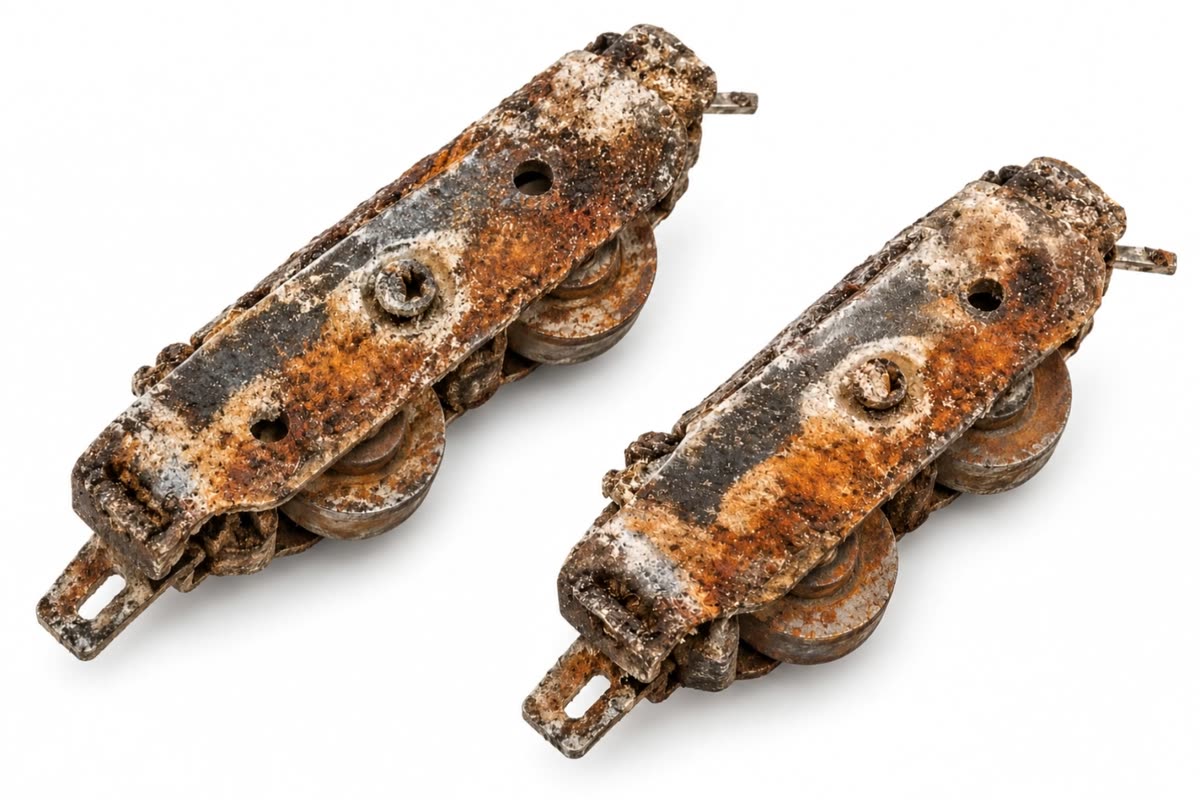
Read the closed panel from both sides of the opening rather than using the handle as a guide. A vertical edge that arrives high at one corner or leaves a small triangular space can be a sign that the panel is sitting unevenly. The inspection should show whether the wheels can be adjusted and hold the position. The actual support and frame condition also matter. Write down what a normal close requires today, such as a lift at the end or additional pressure at one spot. After any adjustment, check the screen clearance and the lock as well as how freely the panel rolls.
Describe any contact on the way past
If the panels scrape as they cross, identify the first spot. Compare the door's movement with the gap when fully closed.
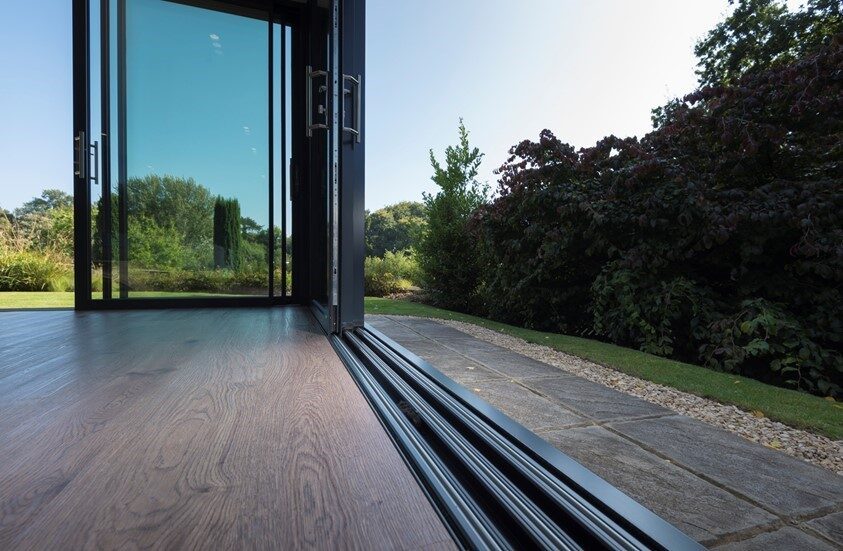
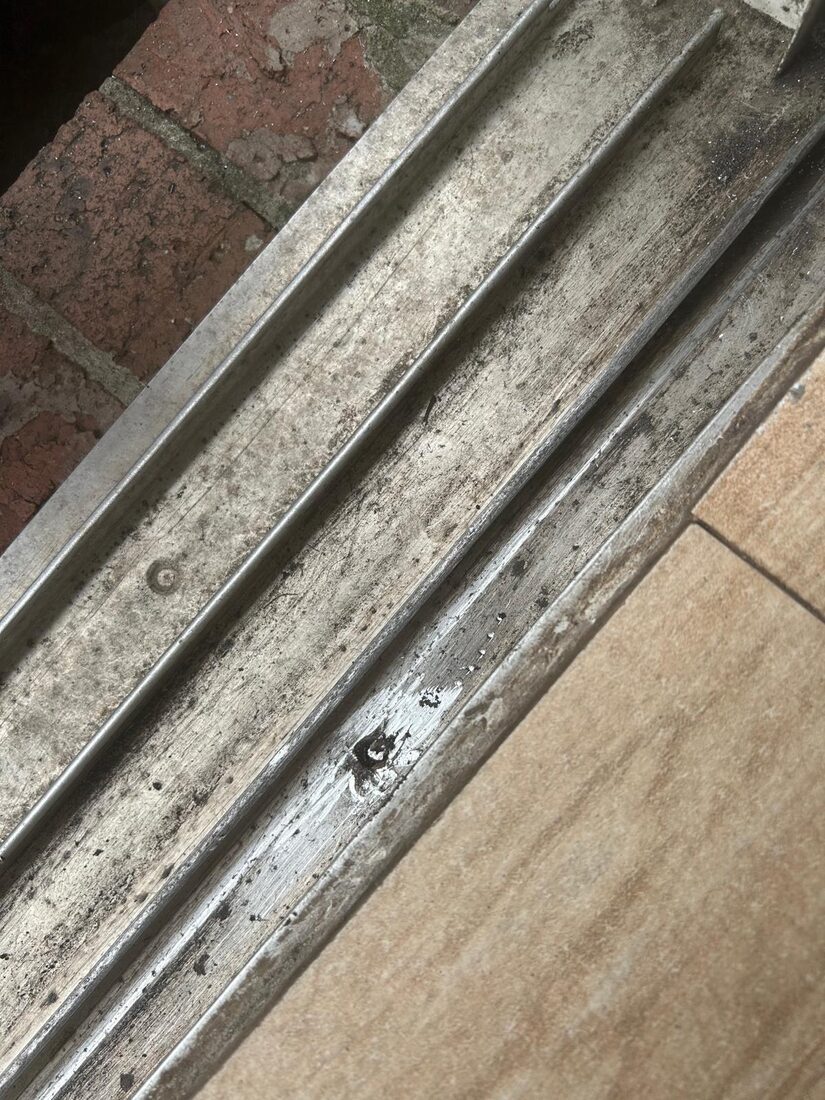
A panel can appear centered in a distant photo even though one corner touches too early. Have the technician identify the first contact and show how it relates to the surrounding frame. A gap along a full edge, a wedge shape and a rub near one point tell different stories. The support under the sill and the condition of the jamb can affect how a panel stays aligned. If a new floor, seal or hardware preceded the change, say so early. Ask which parts can be adjusted and which require repair. The goal is stable clearance through travel and an even fit at closing.
Look for the sealing material
If a strip is loose along one edge, photograph its position. Ask which profile and attachment are compatible with the existing panel.
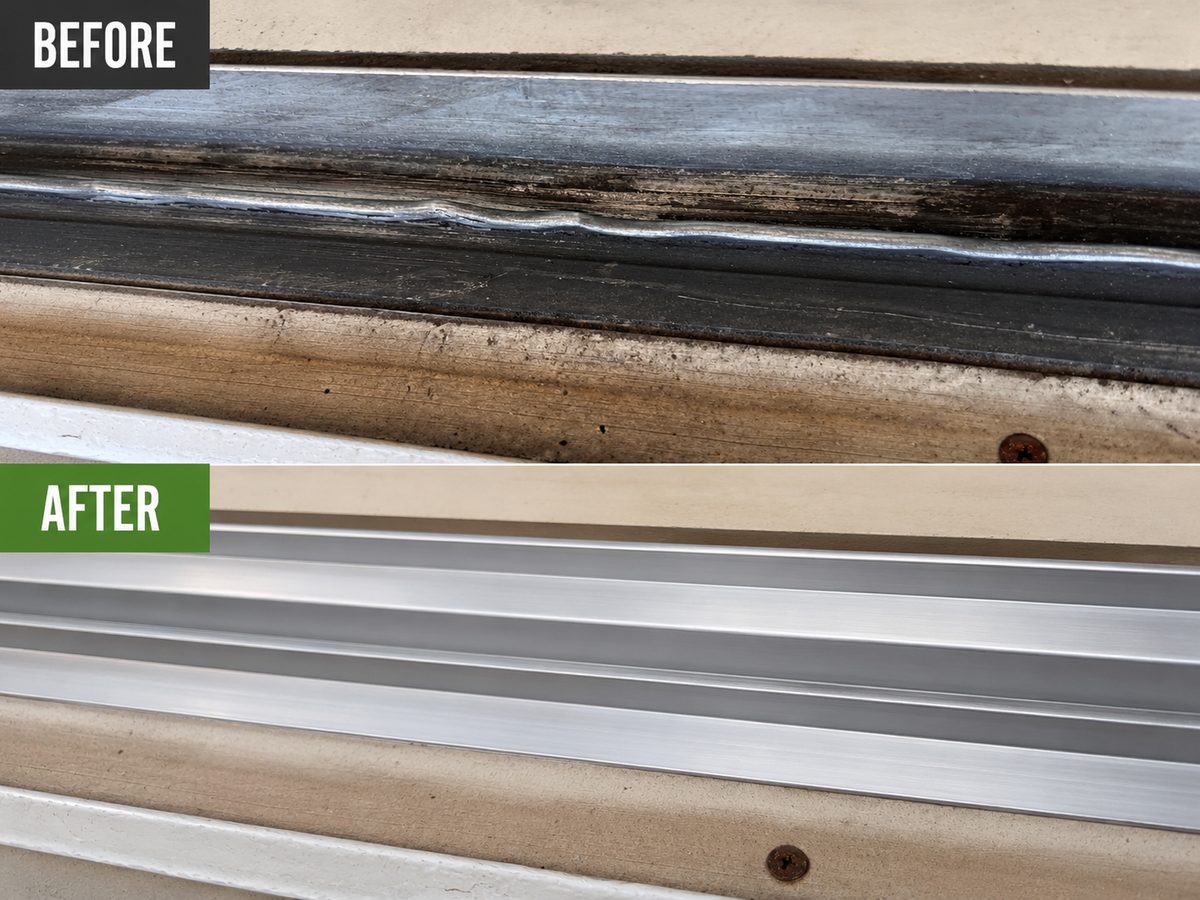
Show the old strip in place before choosing its replacement. The contact face, the channel that holds it and the direction the panel travels all matter. A thicker seal can increase the effort at the handle, and the correct profile may differ along the jamb and center overlap. Record whether the original flattened evenly or only where one corner passes. A localized change in wear can help identify whether fit needs attention too. Ask the technician what the installed strip will contact, which parts will stay and how they will check movement and latching once the seal is fitted.
Check what the lock confirms
A latch may engage even when the meeting edge has a separate gap. Tell the technician whether the closed panel sits securely at the jamb.
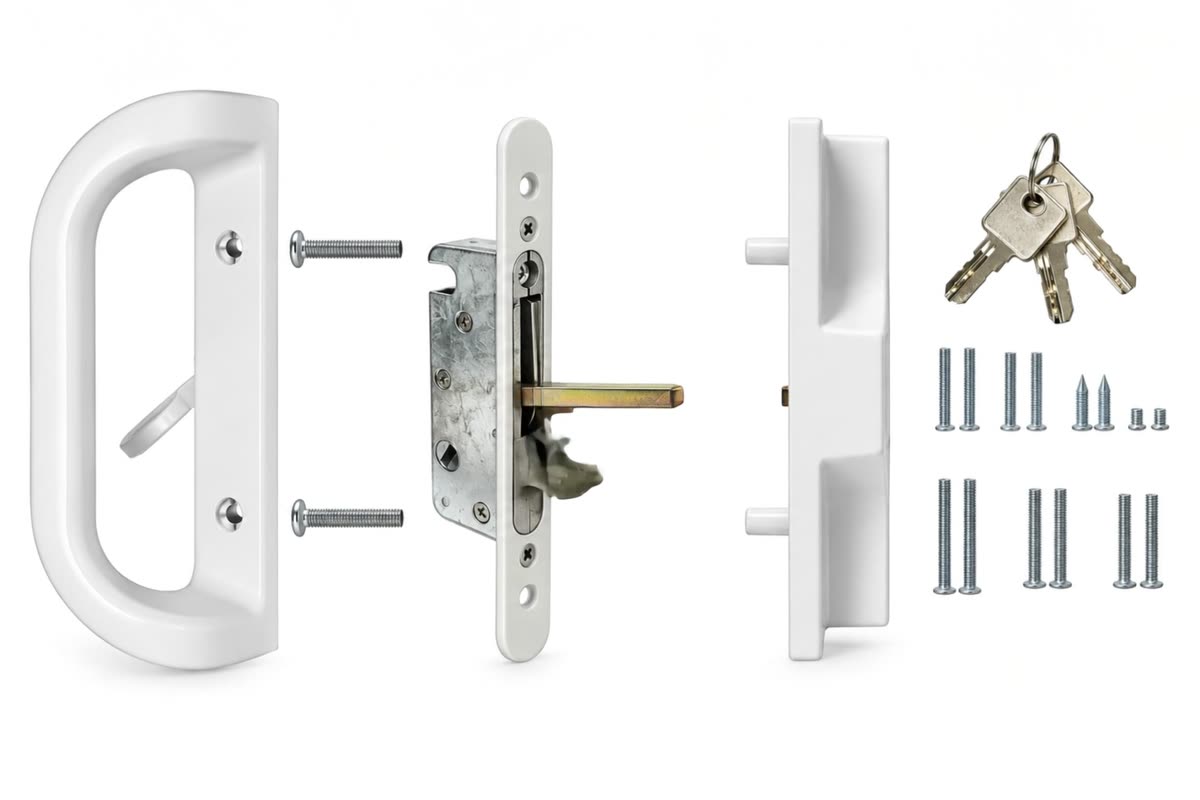
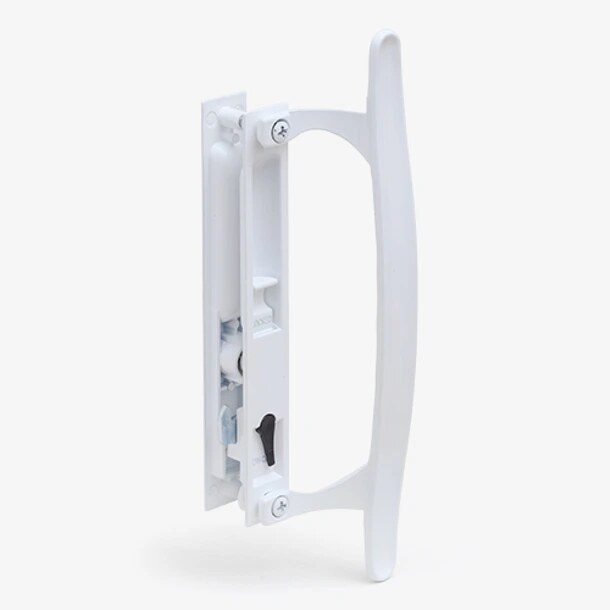
A lock inspection can start with two questions. Can the mechanism operate at all, and can it reach its receiving piece when the panel is fully closed? A worn lever or internal part can fail even with the panel positioned correctly. A jamb, wheel or frame issue can create a similar complaint when the latch never lines up. A report that includes the width of the closing gap in words and the motion of the lever helps separate the two. Ask whether the repair changes the latch, keeper or panel position. Confirm what counts as fully latched for the actual hardware after the work.
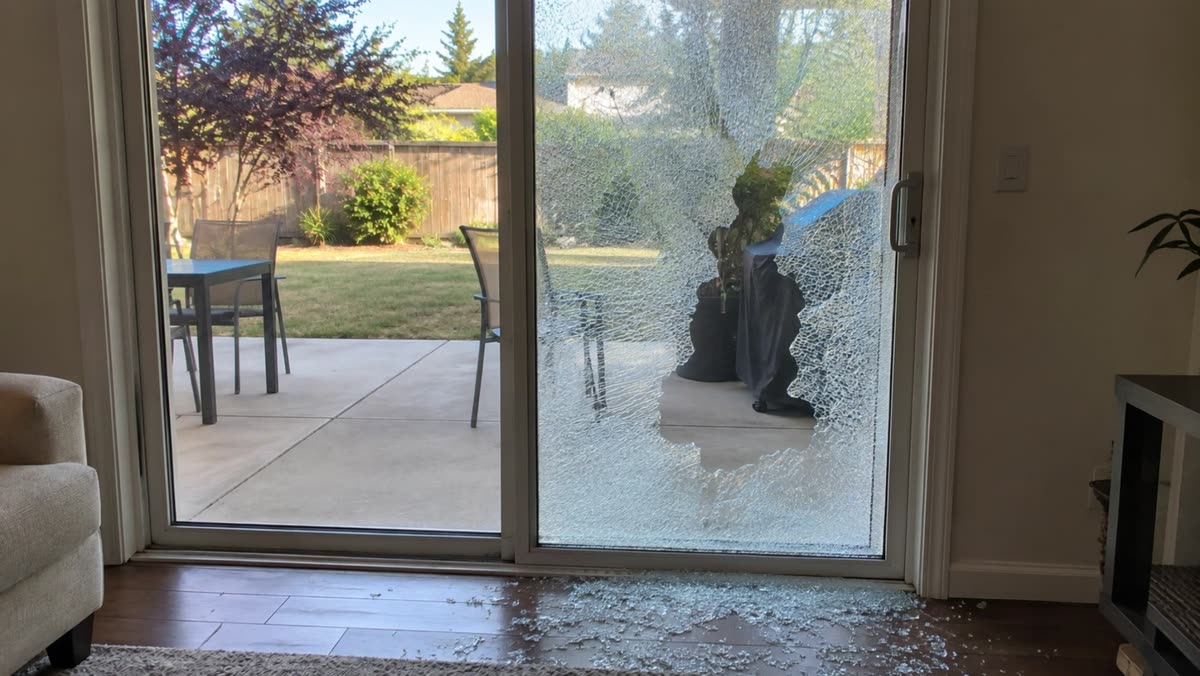
Report earlier glass or panel work
Identify any recent panel, wheel or glass repair. The order of events helps the technician determine whether the center contact changed at the same time.
Describe the order in which the problem appeared rather than listing every change to the house. For example, “the rail began to bump on closing, then the latch started needing a lift” provides a useful sequence. A sudden contact mark after a project calls for a different examination from wear that spread gradually. If there are records or pictures, tie them to the affected opening and date. Tell us if a second part still operates normally. The evidence from the actual timeline can help a technician choose whether to check fit, wear, an obstruction or the effect of earlier parts.
Ask what the series allows
Share product information if available. A center profile that appears similar can differ in shape or how it attaches.
A visible brand mark can help identify a product family. An invoice, installer record or a legible label may include the model and age. Record the details exactly instead of guessing the version. Similar products can use different glass thicknesses, rollers and hardware at different times. An exterior photo shows the layout but may not reveal a hidden part or adjustment geometry. Bring together a wide shot and the identifying detail if it can be reached safely. Save the old parts or paperwork if available. This information can narrow choices before a visit while leaving the final match to an inspection of the actual opening.
Get a scope for the actual affected part
Ask whether the repair involves a compatible profile, seal or alignment. Confirm which panel and existing finish can stay.
A good scope names the opening, explains the observed problem and lists the parts or work that address it. It can also identify which sound components will stay and what condition could lead to a separate quote. That makes it possible to compare a minor adjustment, a component repair and a larger replacement on the same terms. Ask how the completed work will be tested and who will approve any additional work once the opening can be fully inspected. If access or a needed part could require a return visit, discuss that before work begins. Keep those details with the address and the affected room or entrance.
Check that both edges and latch operate afterward
Close the door at normal pressure. Observe the center line and make sure the latch still seats at the outside jamb.
Use the action the occupant performs in daily life as the finish check. Bring the door from rest through the original hard spot and let it reach the closing edge with normal effort. Confirm any seal or gap that was part of the scope. Pay attention to the threshold and how the latch feels if those affect use. Ask what a future change might look or sound like and where to find the care information for the installed part. A demonstration is more useful when it reflects the person and route that originally prompted the call. Give the technician a chance to see any issue that remains.
Local examples in Irvine and North Park
An Irvine slider can sit in a planned community where visible exterior profiles matter. A North Park homeowner might see the first light line after older hardware was replaced. A Rancho Bernardo home with several openings can use a matching door as a reference if the units share the same design. Give the position and shape of the gap, plus the other symptoms you notice at the same opening.
Questions to ask
How do I tell the interlock from the lock?
The lock engages at the closing side. The meeting profiles are where active and adjacent panels overlap. Report which area you see.
What if the door locks and I still feel a draft?
Describe where the air enters when fully closed. The center fit and sealing material can need evaluation even if the latch works.
Can weatherstripping alone repair the center gap?
It may help when the profiles align and the seal is worn. A damaged edge or low panel can need its own correction.
Local service and related pages
Explore Sliding Door Interlock Repair, Sliding Door Gap Repair, Sliding Door Weatherstripping. Service-area details are available for Irvine, North Park, Rancho Bernardo. Call 619-389-3123 or send a service request to describe the opening at your property.