
A move is a good time to learn which patio doors work easily, which require an extra lift and which have a defect worth addressing. A short inventory helps the buyer, seller or resident use the same description. Start with how the opening is used, whether it can be secured and what is visible at the panel, rail, glass and threshold.
Create an opening list room by room
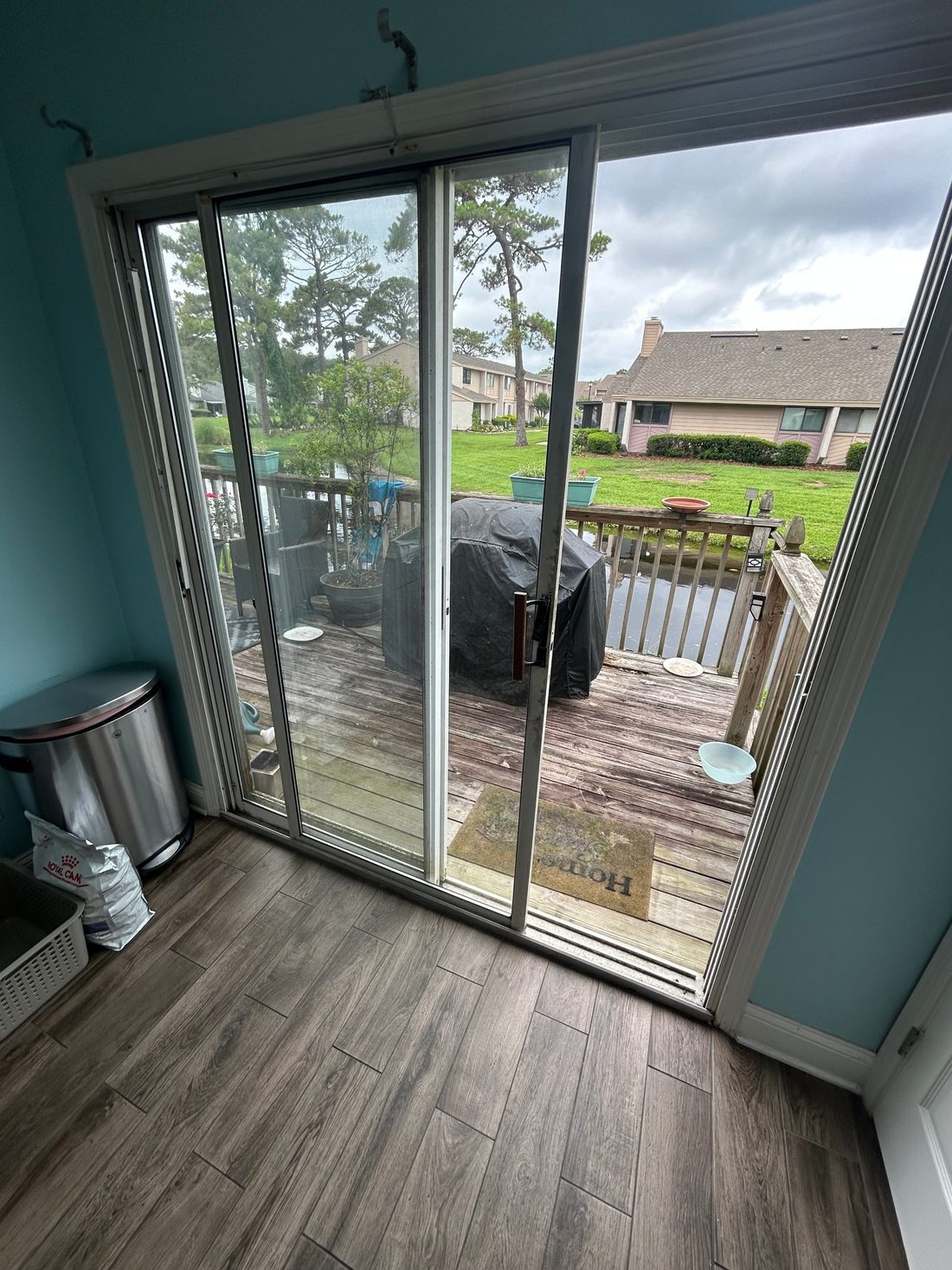
Label each room and moving panel from indoors. Record the door that sees daily use and any secondary patio access.
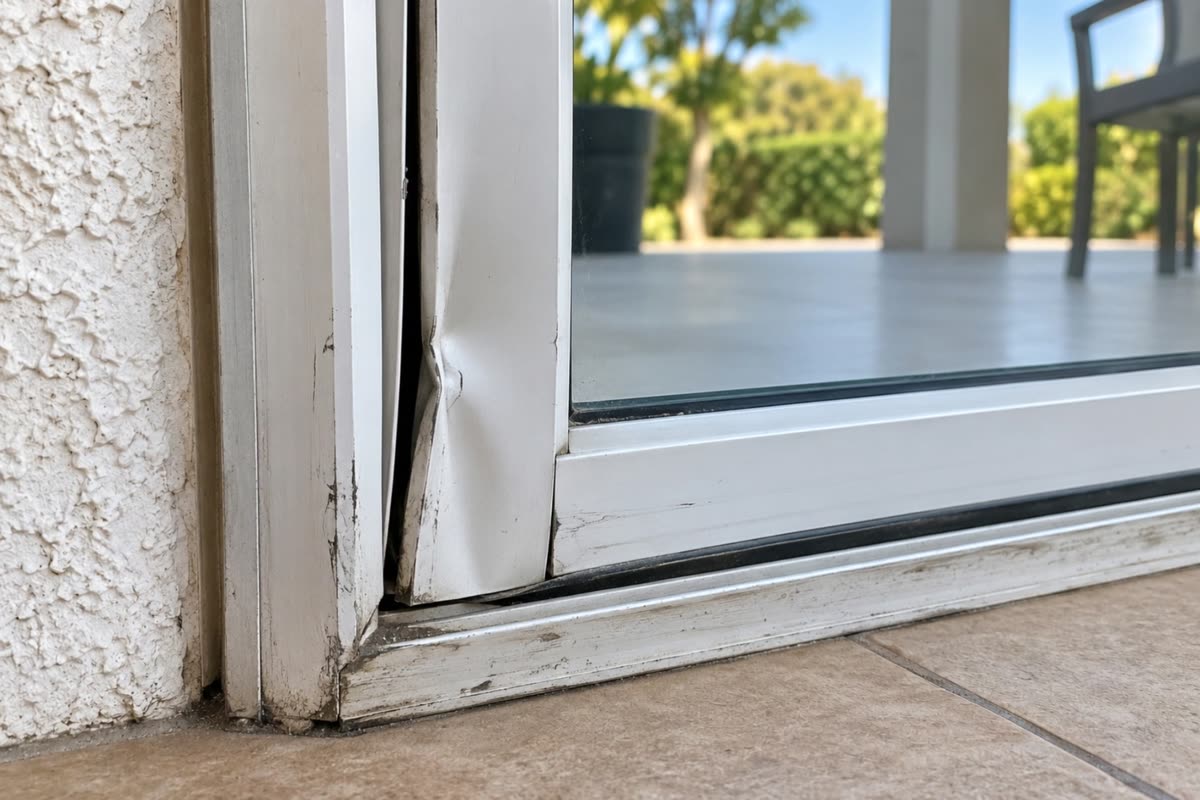
An opening inventory helps a buyer or seller distinguish everyday maintenance from a condition that needs attention. Walk through the home and give each door a room name. Record which panels move, whether they close and latch, any visible glass concern and how people cross the threshold. Leave damaged or unstable units still and report them as such. If service is arranged, keep the before condition, scope and result with the home records. That gives a new occupant a practical baseline and helps an owner compare repair choices for the same opening before a deadline.
Prioritize glass or panel issues
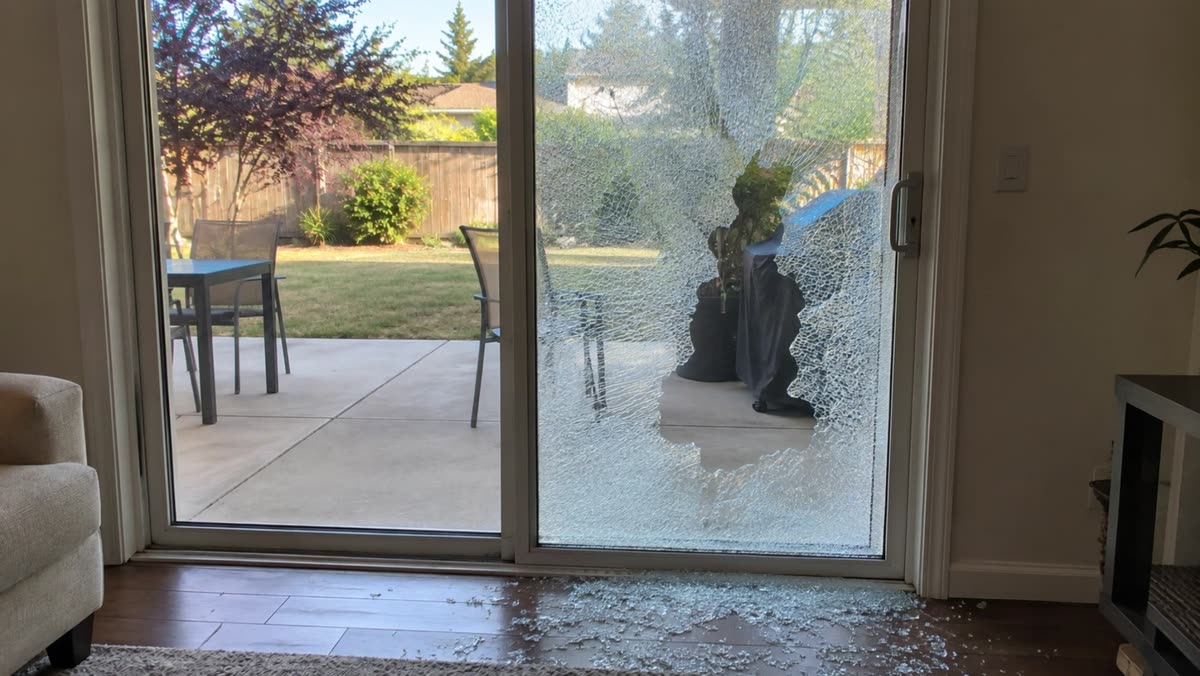
List a fracture, tilted panel or opening that will not secure first. Keep the area clear when movement would be unsafe.
Prioritize conditions by how they affect the people using the building. A cracked pane, unstable panel or entrance that people cannot safely use changes the immediate plan. A persistent rub or draft in a door that can still close and lock can usually be documented while a visit is arranged. Record the condition of each opening and whether there is another route. This is particularly useful where an older resident, child, tenant or customer relies on a particular doorway. Assign a contact who can arrange access and authorize the scope. Tell the service provider what the door can do today as well as the long-term goal.
Observe normal travel and closing
For a stable door, note the first pull, any fixed bump and fit at the final inch. Avoid forcing parts to create a demonstration.
A quiet check in ordinary use helps establish what changed without creating a test that is unsafe. Note the door's position, time of day and whether the panel felt different on a dry day. Take a wide photo before attempting routine care of any accessible surface. For a stable door, describe whether the same problem appears at the same point as it opens and closes. If the glass or panel looks unstable, use previous observations and leave it still. A useful comparison captures the condition you actually experienced rather than an attempt to manufacture a visible result for a recording.
Confirm security at the latch
Record whether the latch engages without a lift or shove. Report which door cannot be secured and who controls access.
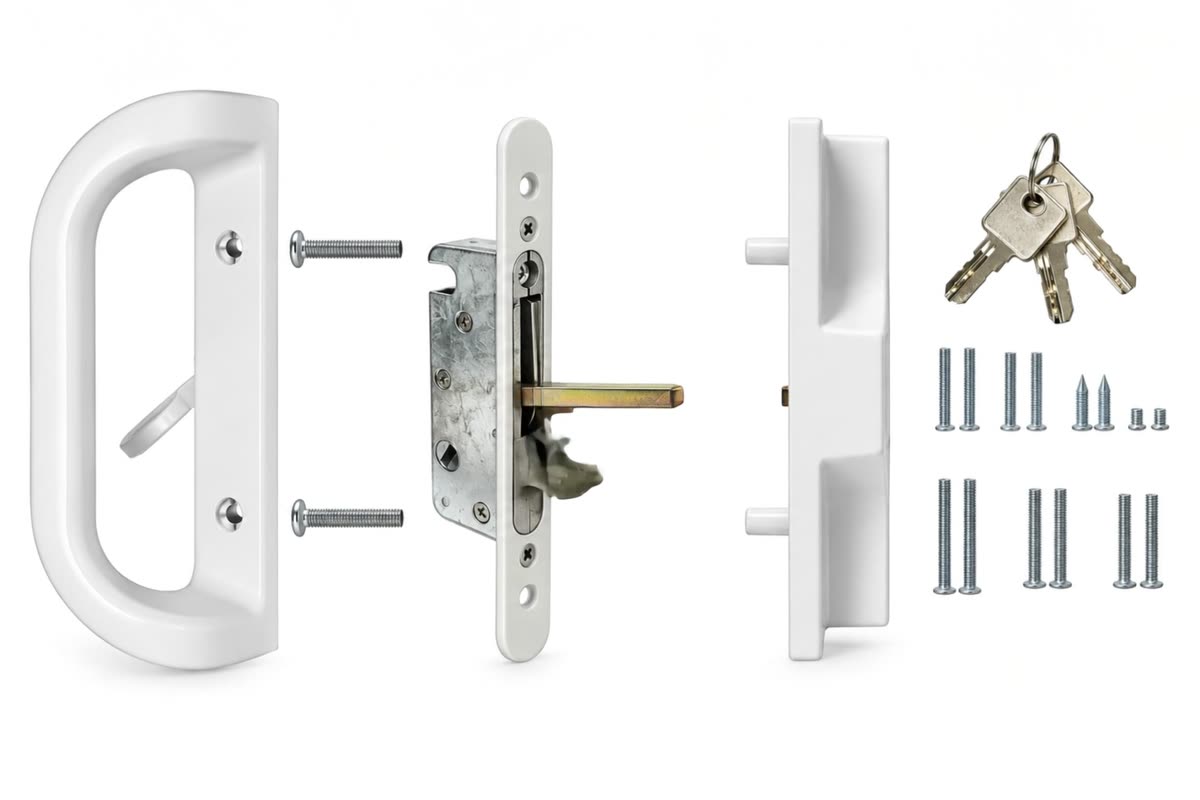
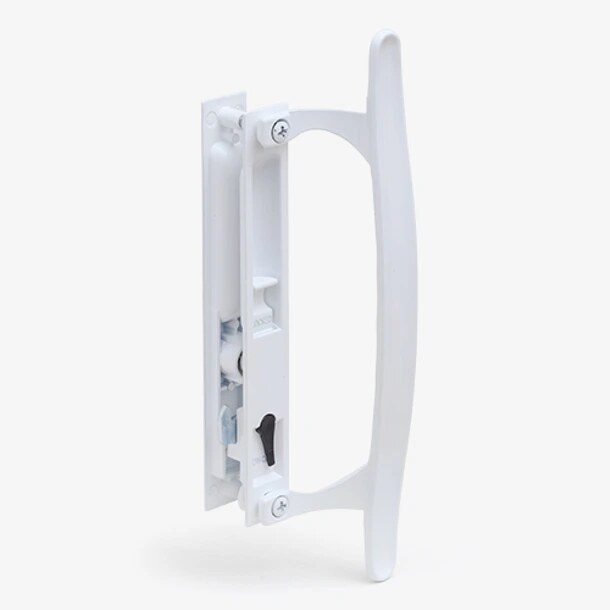
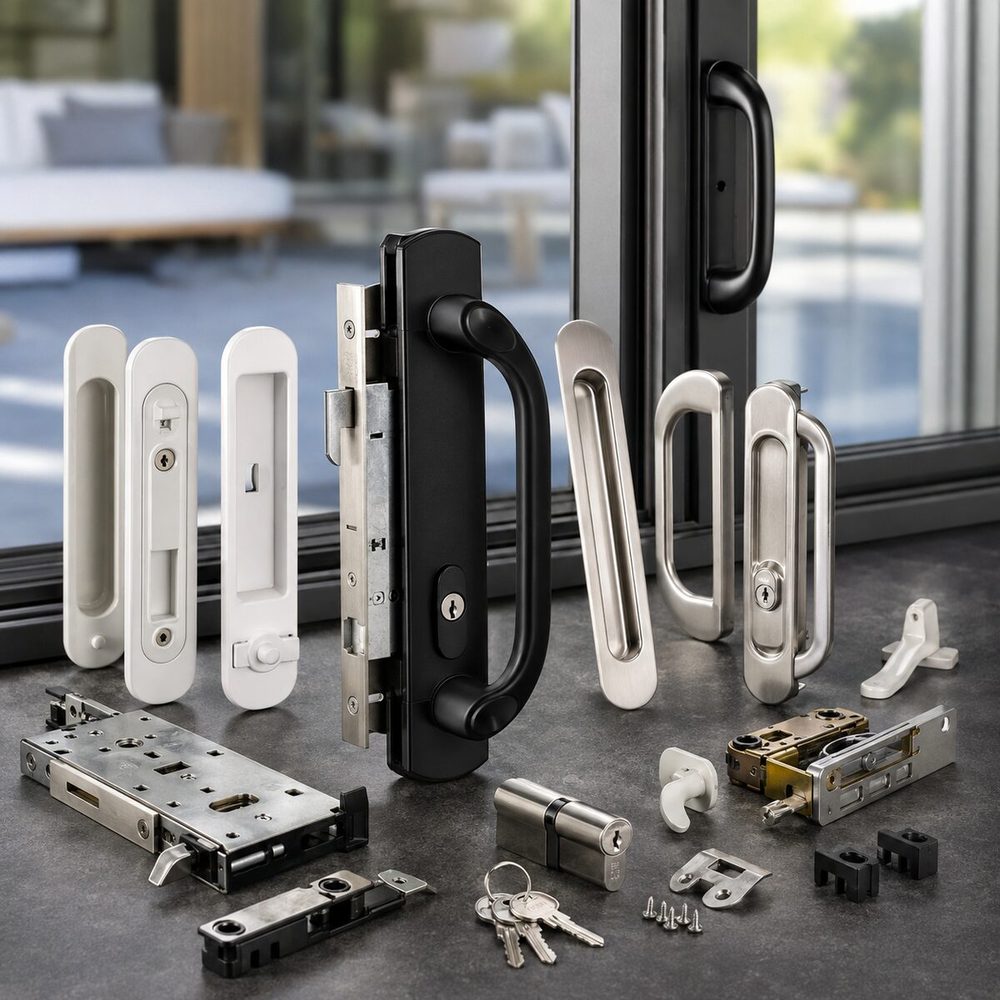
Most sliding door locks rely on the panel meeting a keeper at the correct height and depth. A latch that turns normally with the panel open but misses when closed often leads to an alignment check. A lever that spins or feels disconnected leads toward the link between handle and lock or the mechanism itself. Look at the relation of those parts without repeatedly forcing the lever. Ask what changed and which component is actually worn. After service, use ordinary closing force and confirm that engagement is clear. Mention if the latch issue leaves the opening unsecure or the patio route needed by occupants cannot be used.
Look at the threshold and passage
Describe any loose strip, raised edge or restricted passage. Include both the room side and outdoor landing.
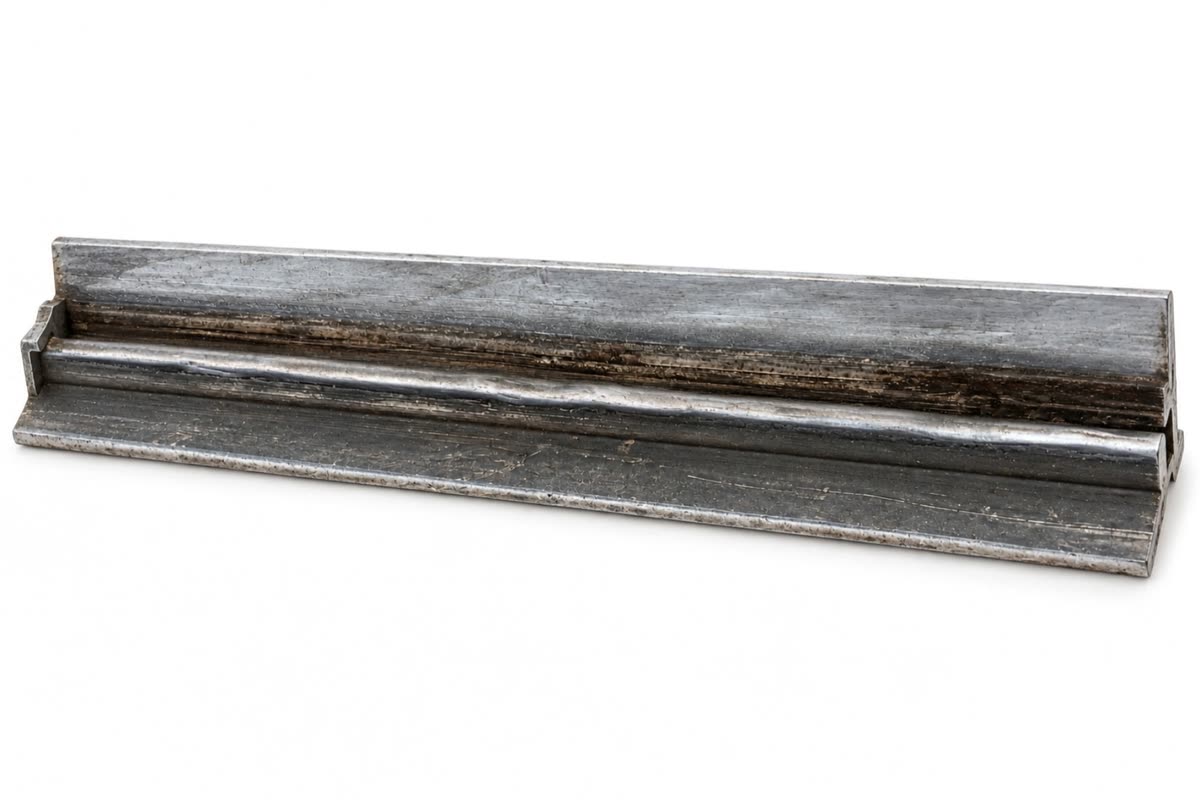
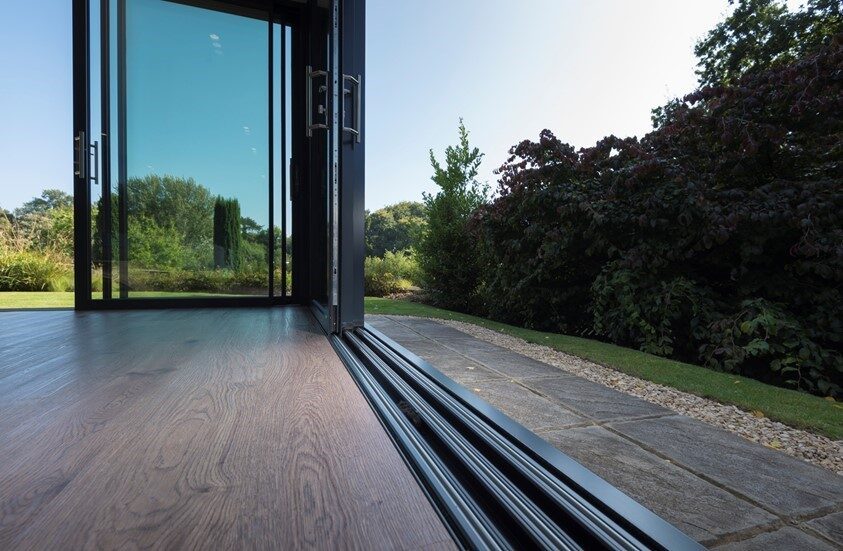
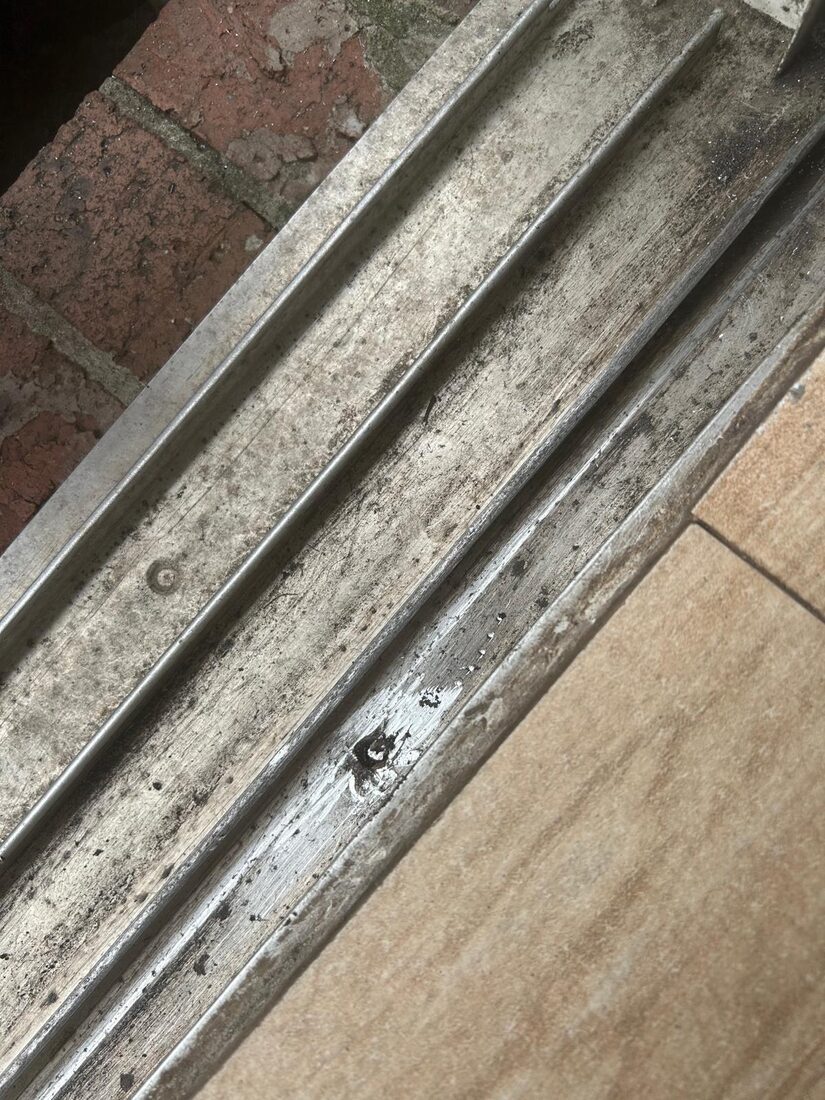
A threshold problem has to be understood from the room and patio sides. A raised edge can come from an added floor, a loose cover or the sill's original profile. An opening can have a good running rail and a difficult transition, or the rail itself can be worn. Photograph both surfaces and where a foot or wheel catches. Discuss the required passage, the support under the sill and any water path near it. If a change to the floor, structure or exterior landing is needed, identify that separate scope. Ask the provider to check door movement and the transition after the work.
Identify a glass concern by location
Distinguish an accessible surface mark from a haze that appears between panes. Identify whether the glass moves with the door.
Haze on a door has several possible locations. Moisture or residue on an accessible surface may change as the glass warms or after suitable surface cleaning. Moisture that appears to be between panes of an insulated unit persists when the surfaces that can be safely reached are dry. Compare the affected panel with neighboring glass at the same time, since one may face different sunlight or outdoor conditions. Report when the pattern is visible and whether it moves, clears or leaves a mark. An assessment can identify whether there is a glass-unit problem and whether the surrounding panel is sound enough to reuse.
Collect product and earlier repair information
Keep any receipts, care guide or visible product label. Note a prior rail cover, adjustment or glass change if known.
Use the clearest record you already have. The manufacturer's product name, a glass mark and an invoice can each identify a different part of the opening. Write down where you saw the detail. A label on a handle may identify only that hardware, while a door serial number can identify the original frame series. Keep a wide photo with the information so a technician can match the record to the right opening. If a previous owner changed the glass or wheels, bring the paperwork if available. A verified measurement or fitting check should still be part of selecting a component for the actual door.
Plan any service with the right authority
For a condo, rental or occupied home, check who approves work and access. Give the actual door and scope to the property contact.
A property rule is most helpful when attached to the door and the proposed work. Ask for the current process for a visit, whether equipment needs to pass through shared space and who approves changes to visible parts. If work stops at inspection pending approval, have the technician document the condition and proposed options for the decision maker. Keep any dates, access names and written restrictions together so the next visit can be arranged without another round of calls. Tell the repair provider about requirements before ordering glass or hardware. Confirm the actual scope with the person responsible for building decisions.
Decide what the repair needs to accomplish
Compare the scope against the actual priority, such as secure closing, full travel or a safe threshold. Ask what can be kept.
List what the lowest-scope repair would actually fix. If the main goal is secure closing, ask how the part or adjustment will restore that function and which existing components will stay. If the goal is a different opening width or threshold, include that in the price comparison. A cheaper estimate may cover fewer parts or leave handling and finish work separate. A more involved plan should explain why the original frame or panel cannot be used for the requested result. Compare scope, access, expected tests and possible additional work so each estimate answers the same question about the door.
Check the result before handing the home over
Review the original symptom and normal door operation. Ask what was corrected and which care guidance applies.
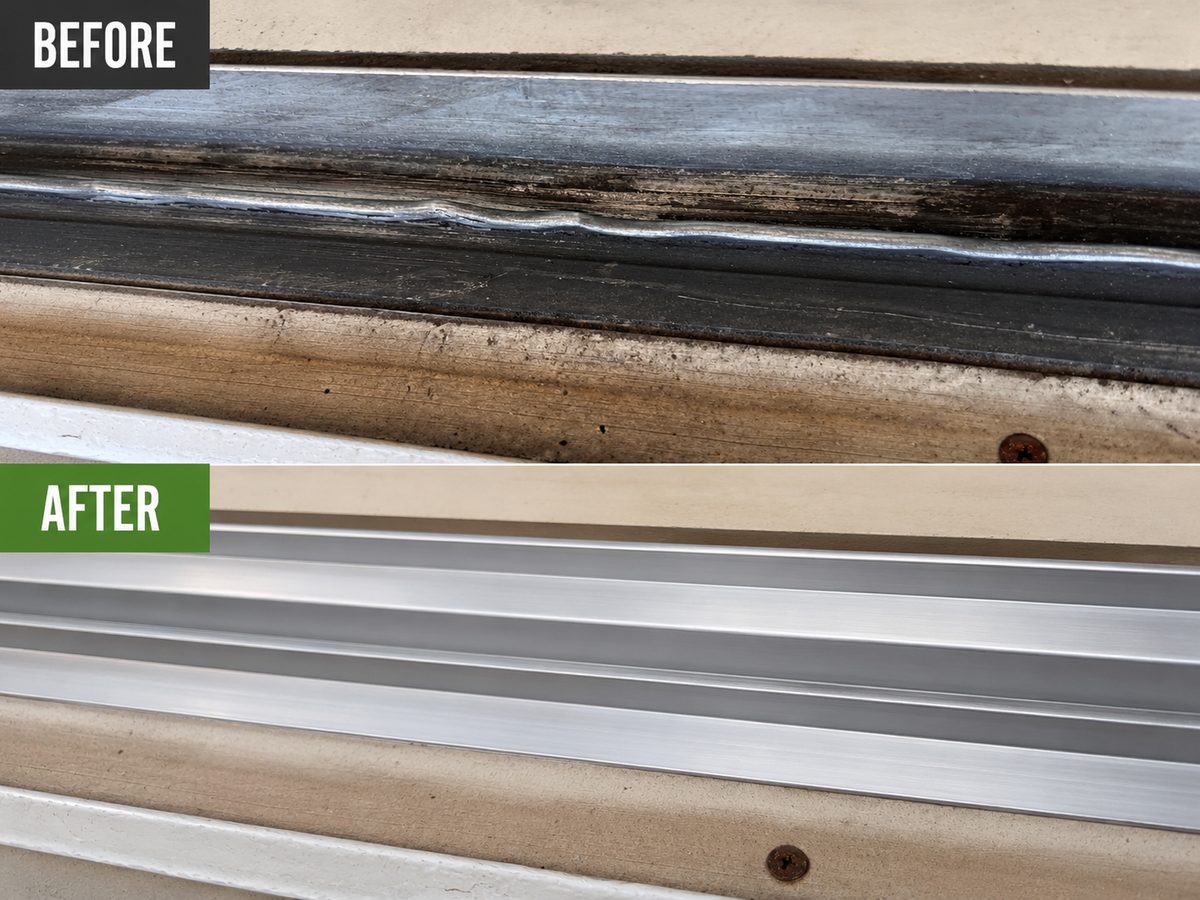
Use the action the occupant performs in daily life as the finish check. Bring the door from rest through the original hard spot and let it reach the closing edge with normal effort. Confirm any seal or gap that was part of the scope. Pay attention to the threshold and how the latch feels if those affect use. Ask what a future change might look or sound like and where to find the care information for the installed part. A demonstration is more useful when it reflects the person and route that originally prompted the call. Give the technician a chance to see any issue that remains.
Pass along a usable record
Save the door label, before and after condition, installed parts and any open follow-up. Give the record to the person who will maintain it.
Close the service record with three concrete facts. Identify the door that was worked on, describe what changed and record how the original condition was checked. Give the note to the household, owner or building contact who needs to use it. Include any part information and product-specific care guidance, and identify who will arrange a follow-up if one remains. At a site with several entrances, make the result easy to match to the correct one. That gives the next resident, shift or technician a usable account of the repair and a baseline for noticing what has changed since then.
Local examples in San Diego and Carlsbad
A San Diego condo sale may involve a shared exterior and a building approval contact. In Carlsbad, a buyer might want to distinguish a cloudy pane from normal exterior condensation. In Chula Vista, the family patio door may be a main daily route and its threshold can matter more than its appearance. Use the room and opening labels to connect every observation with the specific door.
Questions to ask
Is a home walkthrough the same as a repair diagnosis?
A walkthrough identifies symptoms and current function. A technician can inspect the rail, wheels, frame and hardware to identify an appropriate scope.
What if the owner plans a full replacement before closing?
Confirm the project details, jurisdiction, delivery access and any association approval. Keep product and service records with the property documents.
What if the door works but needs effort?
Record the direction and point of the extra effort, then check the latch. A clear baseline makes it easier for the next owner to tell whether it is changing.
Local service and related pages
Explore Sliding Glass Door Repair, Sliding Door Lock Repair, Sliding Door Threshold Repair. Service-area details are available for San Diego, Carlsbad, Chula Vista. Call 619-389-3123 or send a service request to describe the opening at your property.