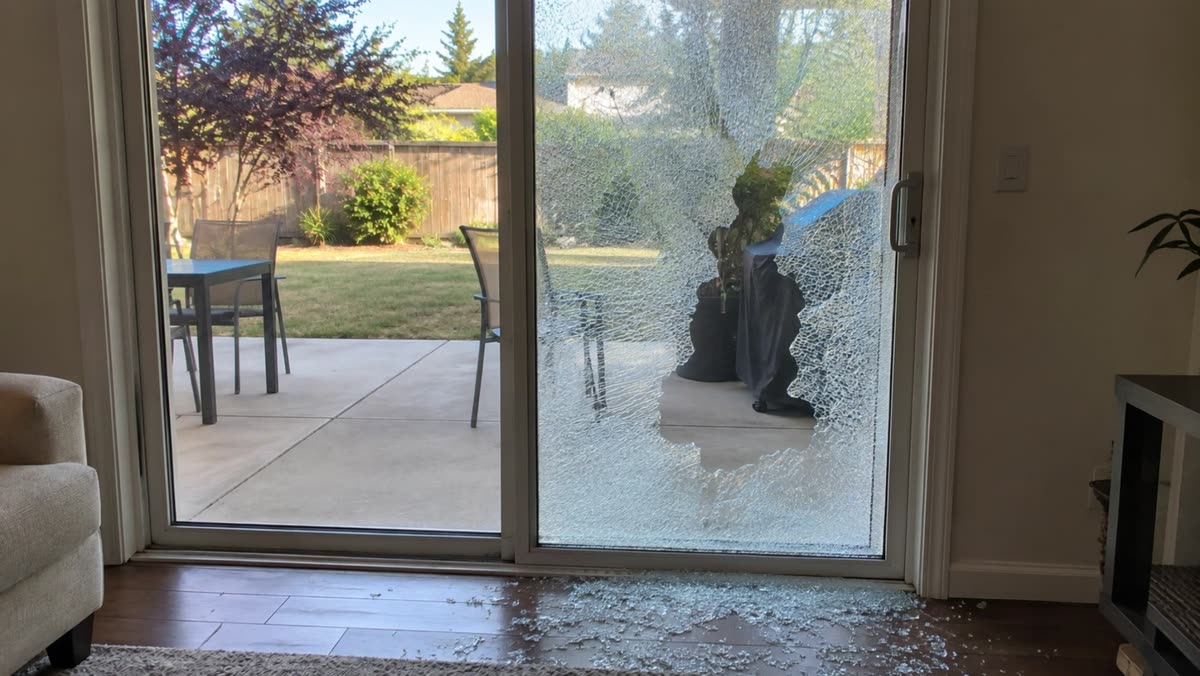
If a patio pane is broken or cloudy, it is reasonable to ask whether the frame you have can stay. Some doors are candidates for a new glass unit in the original panel. Others have damage to the moving panel itself, worn retainers or a sill that needs work. The decision comes from evaluating the glass, panel and frame as distinct parts.
Identify the defect you are paying to solve
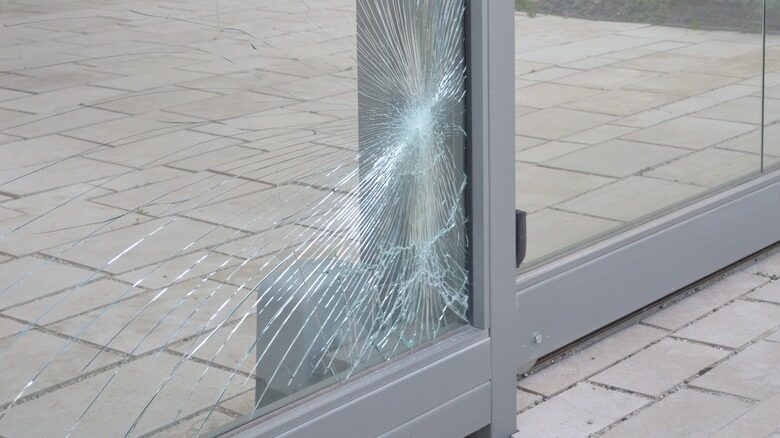
A fogged unit, impact crack or deep scratch has a different history. Tell us when you see it and which panel is involved.
Track the mark over time before assuming a pane has failed. Take a photo when the haze is most obvious and one at a different hour if its appearance changes. Describe the accessible surface you observed and whether that surface looked wet or dry. If the mark is in one panel only, identify it as moving or fixed and compare it with the pane beside it under similar light. The assessment can distinguish the location of moisture from the cause. It can also determine whether the existing opening can support a replacement glass unit if a seal failure is confirmed.
Name the moving or fixed section
Describe the opening from inside the room. If one side is stationary, make that clear when you send a wide picture.
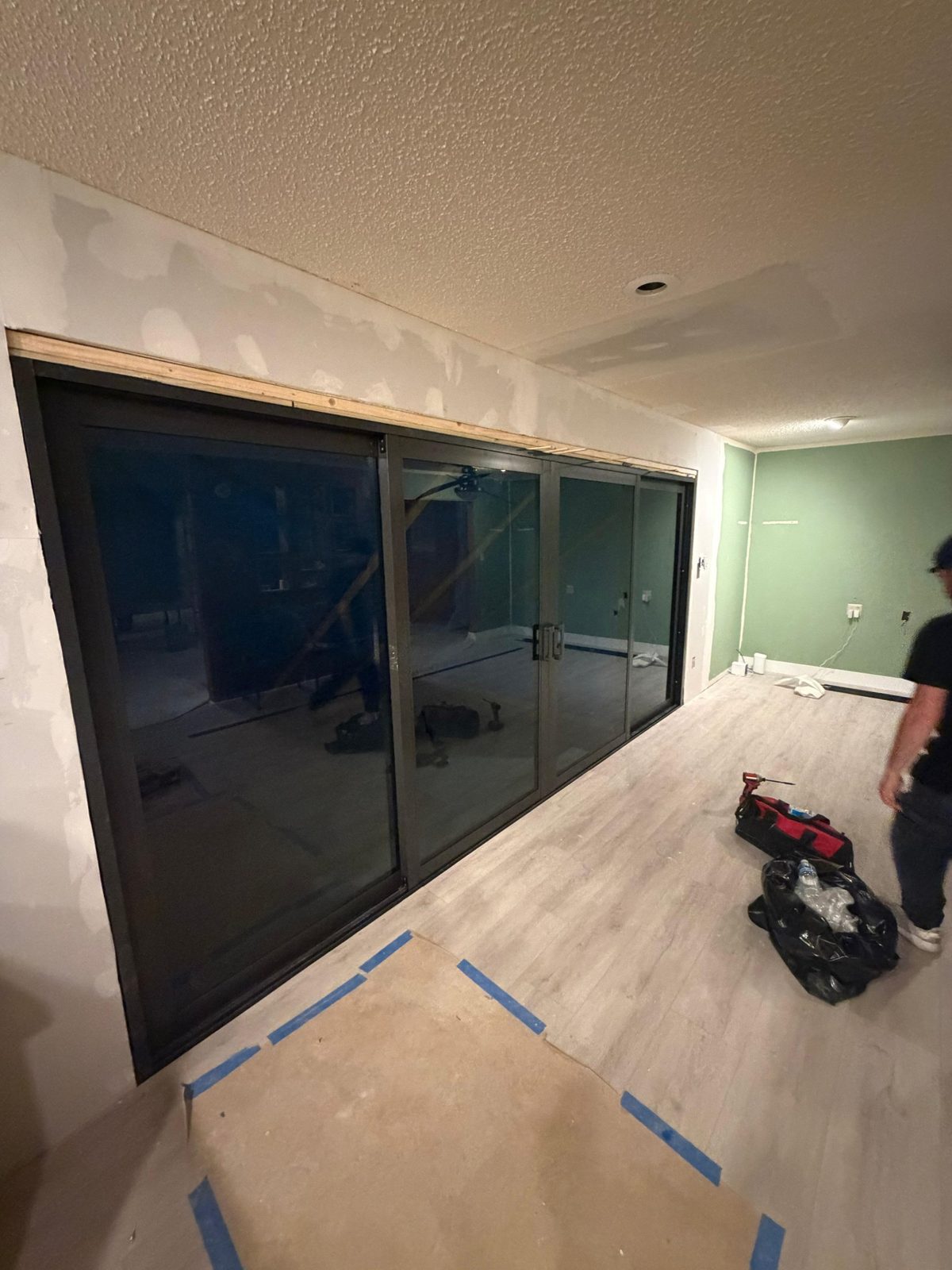
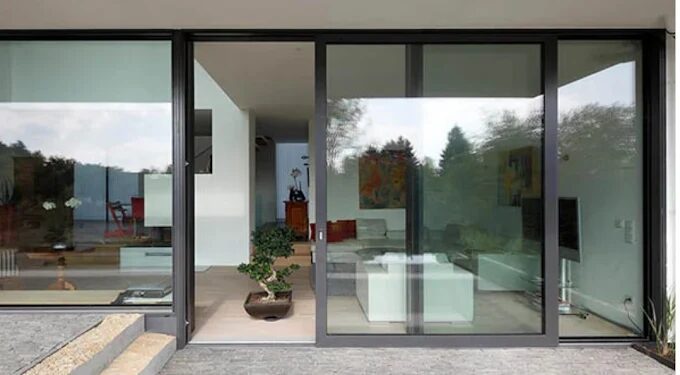
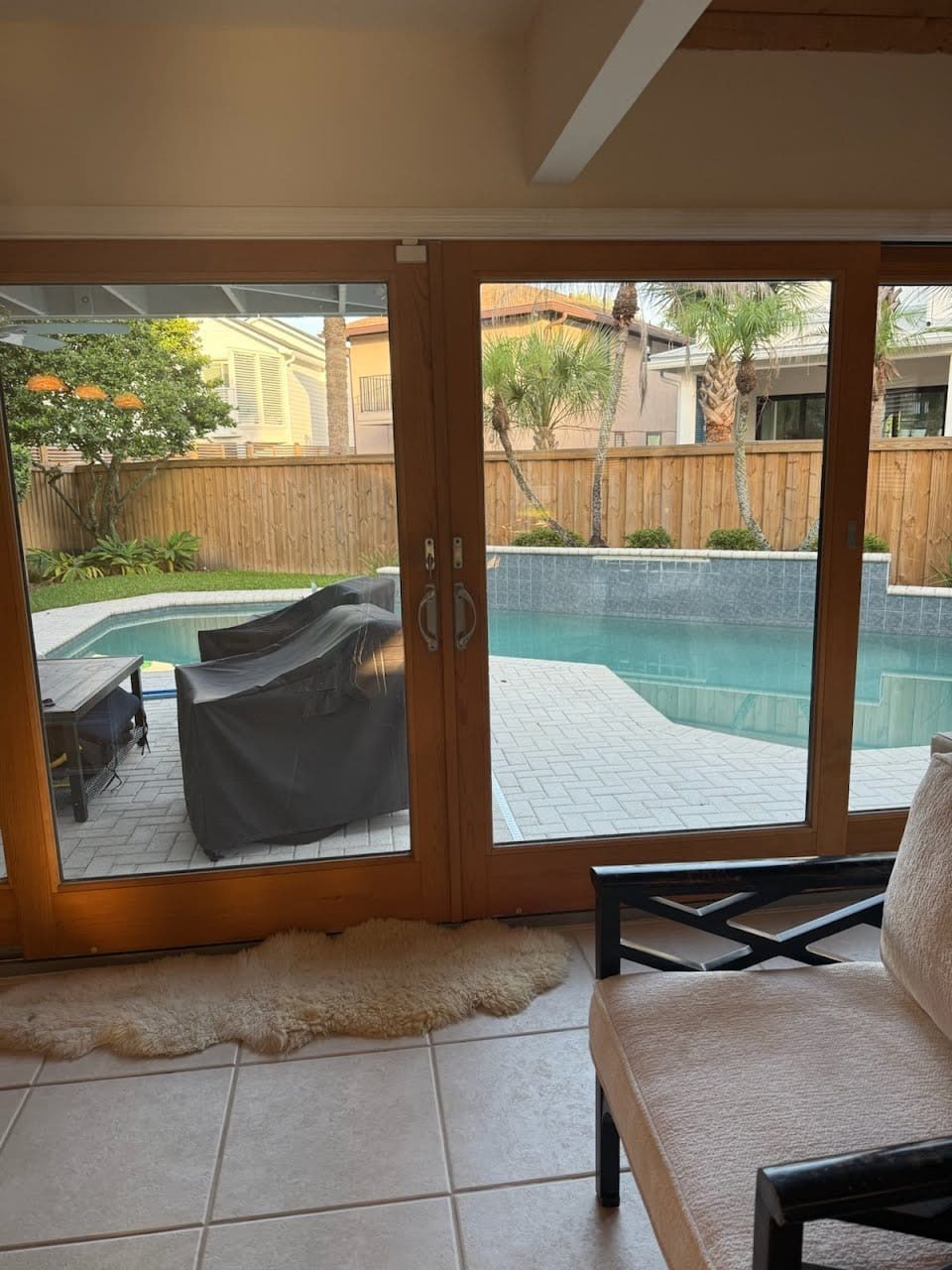
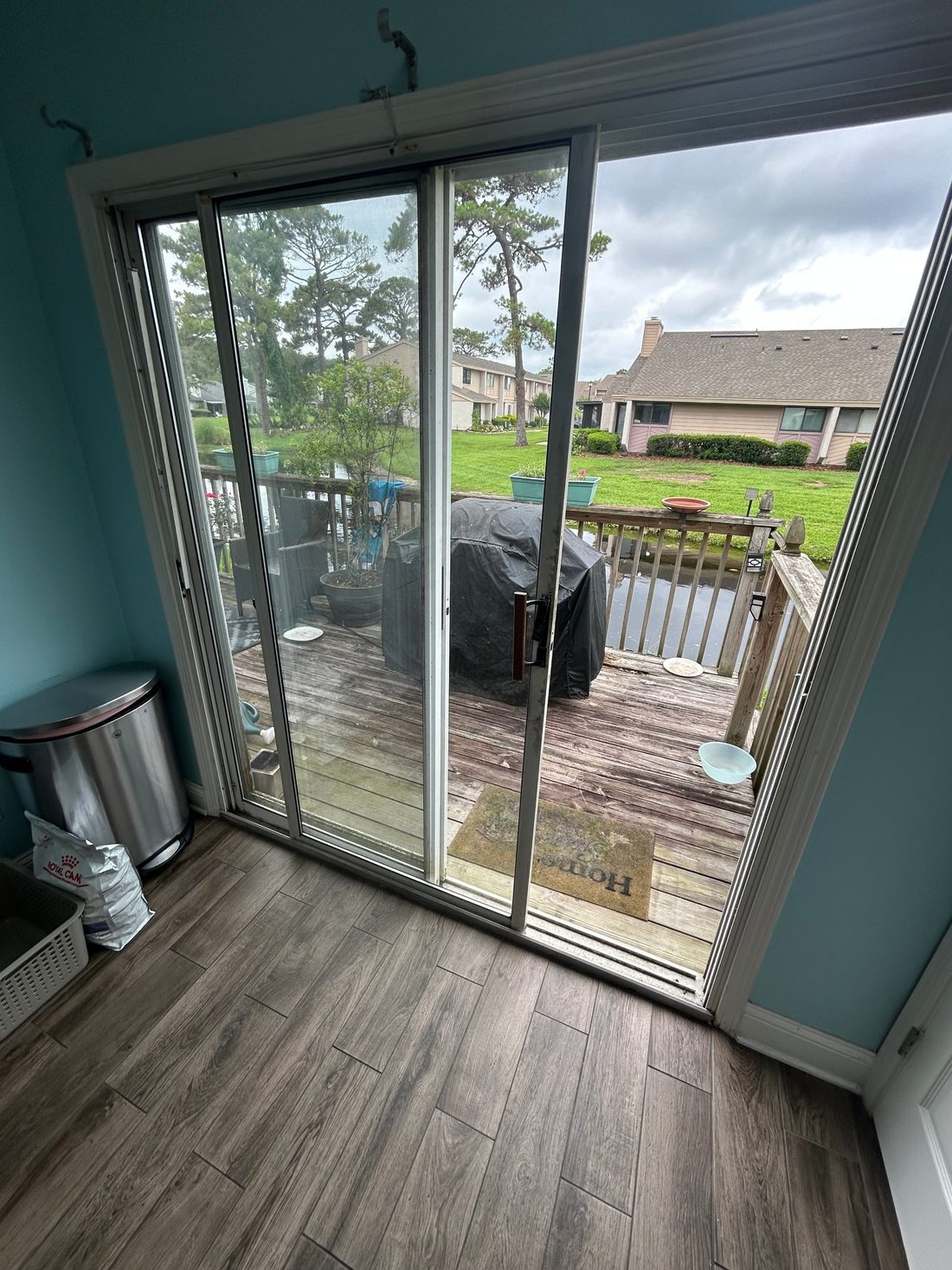
Name the opening as a person facing it from the room would see it. Identify the active panel, the fixed panel and any screen without relying on left or right alone. If there is more than one active panel, give each one a short label and note the part of the sill it uses. A service provider can use that description to find the affected glass, hardware or movement. For a comparison, give the other panel's condition separately. A sound fixed panel can share the same frame with a moving panel that sits low. A wide photo can show that relationship without requiring removal.
Find out whether the panel can hold new glass
Ask about the retainers, support and condition of the frame around the glass. A sound glazing pocket can make a glass-only option worth considering.
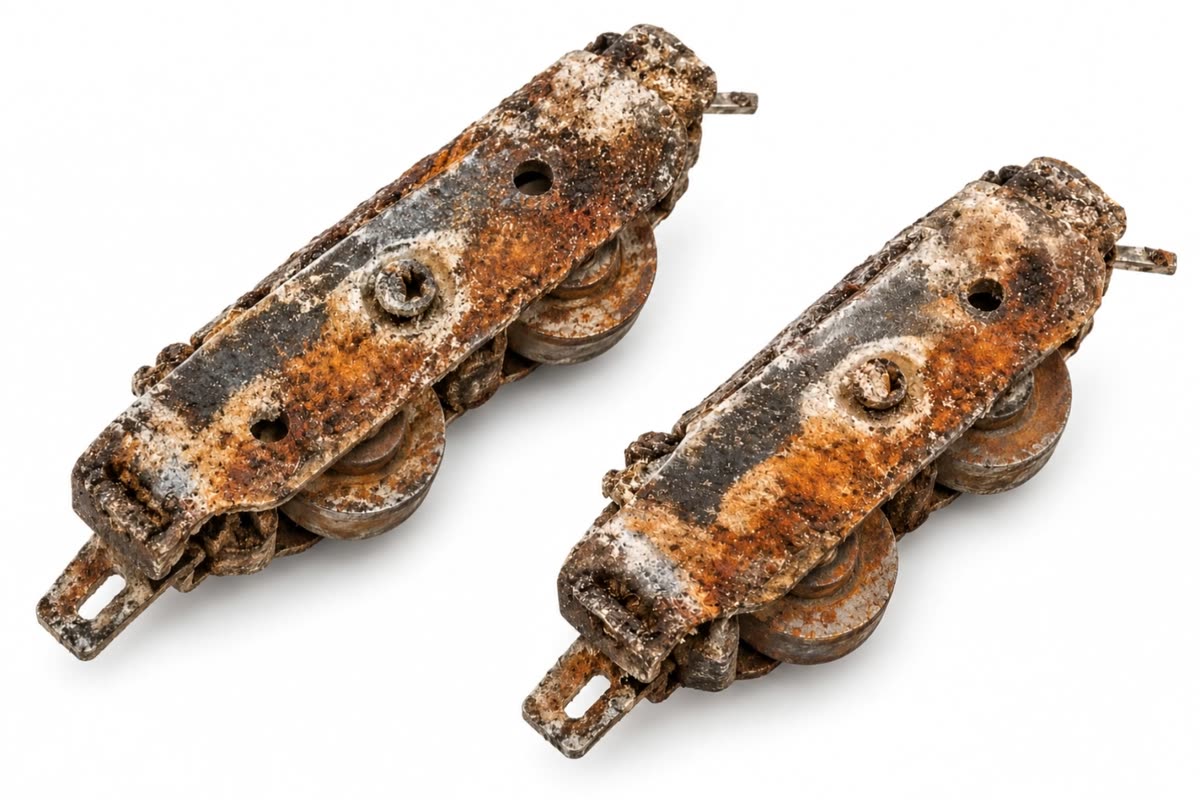
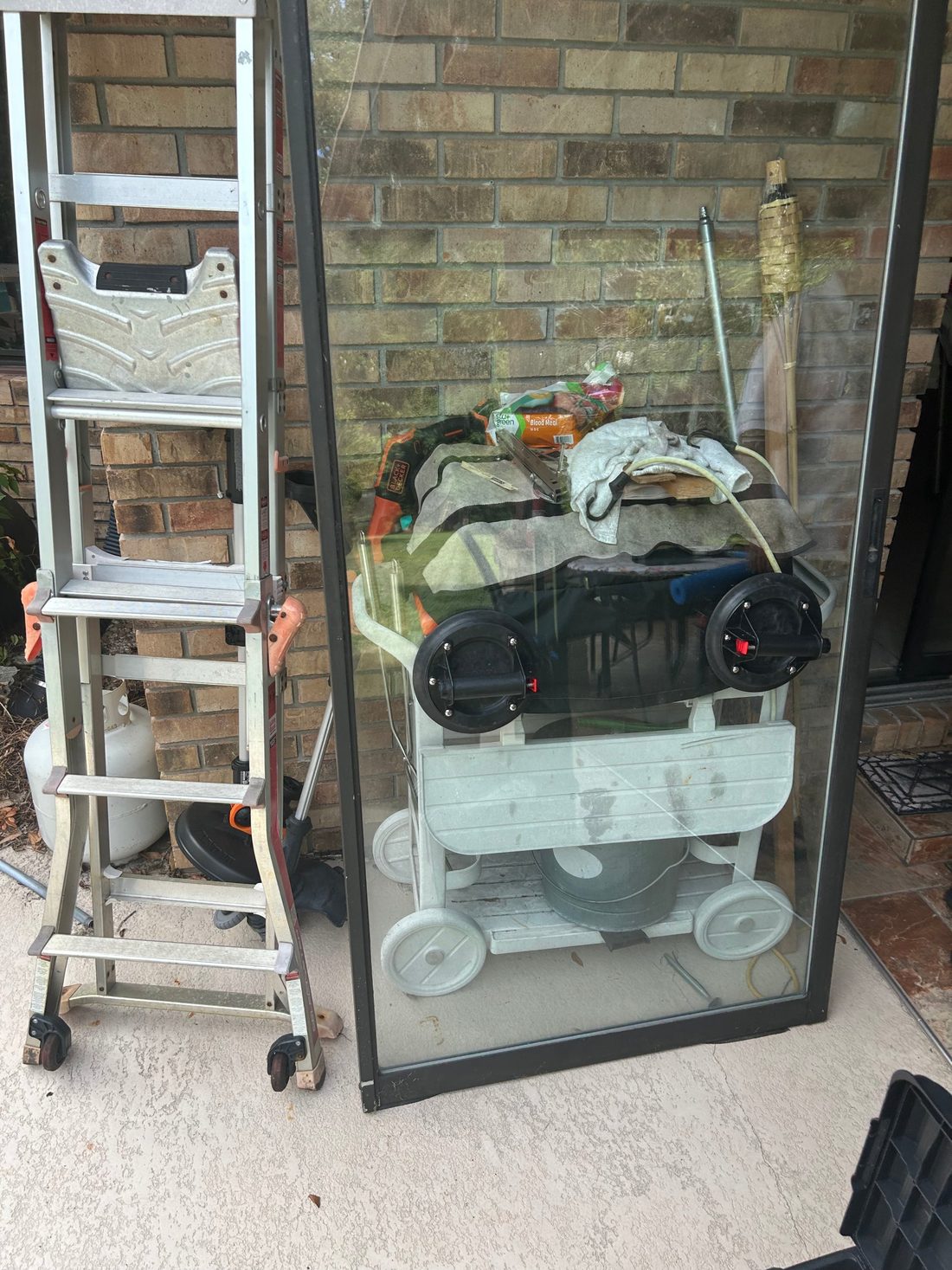
The part of the frame that captures the glass has its own dimensions, support and retainers. A pane ordered only from the visible size may not fit into that pocket. The thickness and edge of a replacement insulated unit also need to work with the existing sash or door panel. A warped panel or damaged retainer can change whether glass-only work is practical. Ask which components will be reused and what the technician found at the support points. On a door that also drags, check the running hardware separately. Replacing the glass addresses a glass problem while the panel still needs to travel and close correctly.
Specify the replacement unit
Get dimensions, glazing type and appearance requirements in the written scope. Share matching panels and any visible tint or grids.
Glass in patio doors is a product selected for the application, not simply for appearance. A replacement needs the dimensions, safety requirements, thickness and type of unit that the panel can support. Nearby panes may have particular tint, coatings or grids. A visible mark can help identify the existing glass, while the installer still needs to confirm the specification for the opening. Ask for the planned glass type in writing and how it was selected. If an association controls the outside appearance, verify that requirement before ordering. Think about how the panel will hold the replacement as well as how the new glass will look from the room.
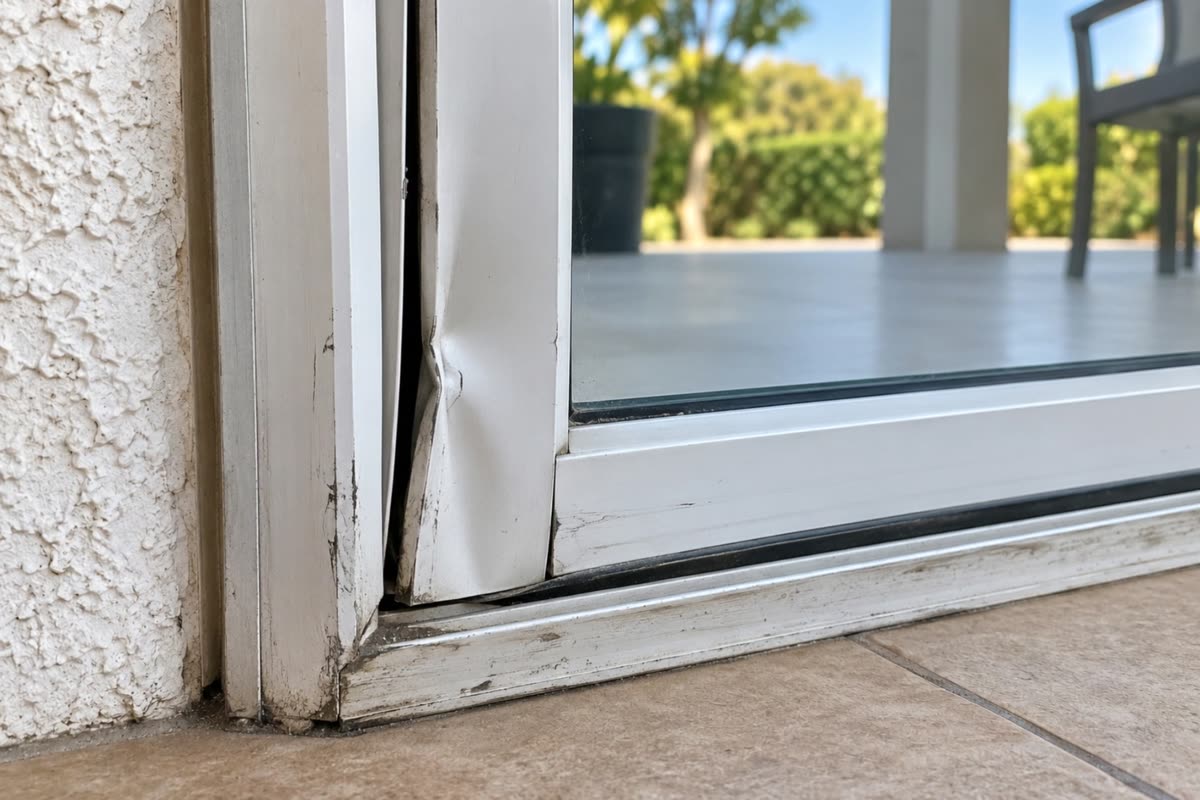
Evaluate a damaged moving panel on its own
When the panel is bent, explain whether it stopped traveling or stopped latching as well. A replacement panel must fit the entire surrounding opening.
A panel can appear centered in a distant photo even though one corner touches too early. Have the technician identify the first contact and show how it relates to the surrounding frame. A gap along a full edge, a wedge shape and a rub near one point tell different stories. The support under the sill and the condition of the jamb can affect how a panel stays aligned. If a new floor, seal or hardware preceded the change, say so early. Ask which parts can be adjusted and which require repair. The goal is stable clearance through travel and an even fit at closing.
Confirm compatible options for the original series
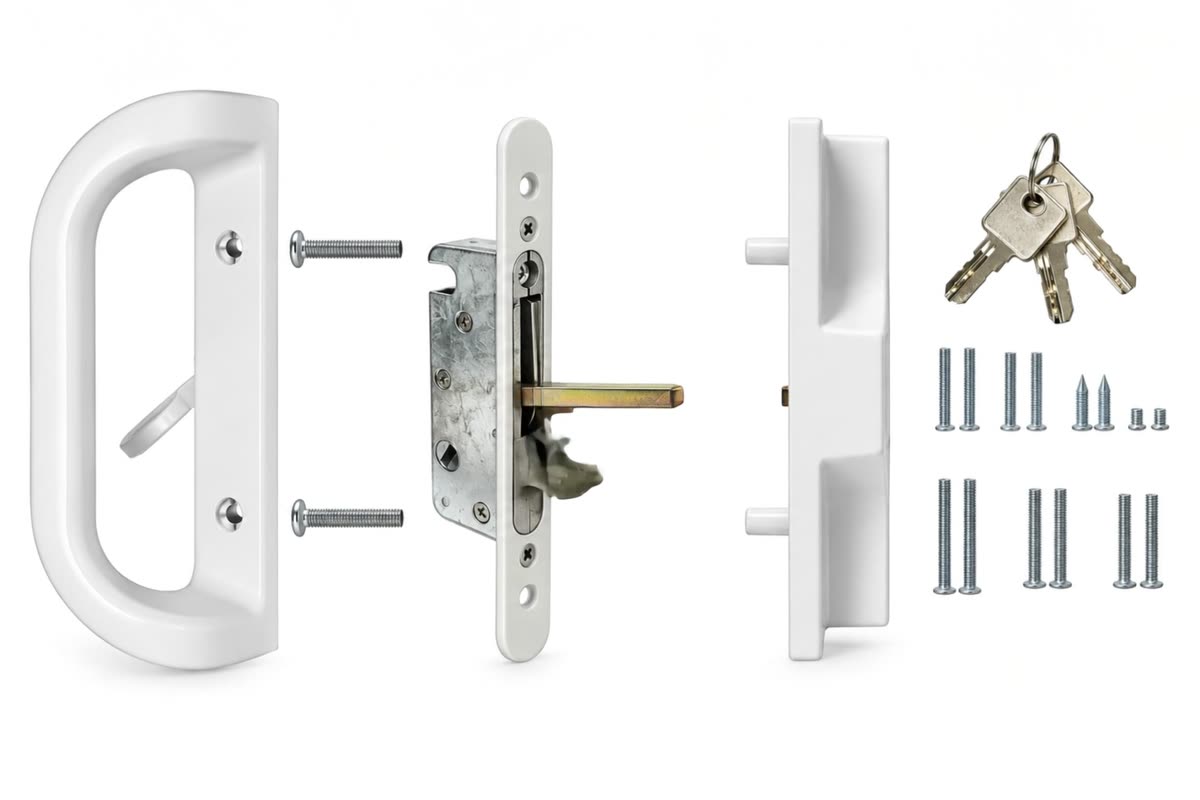
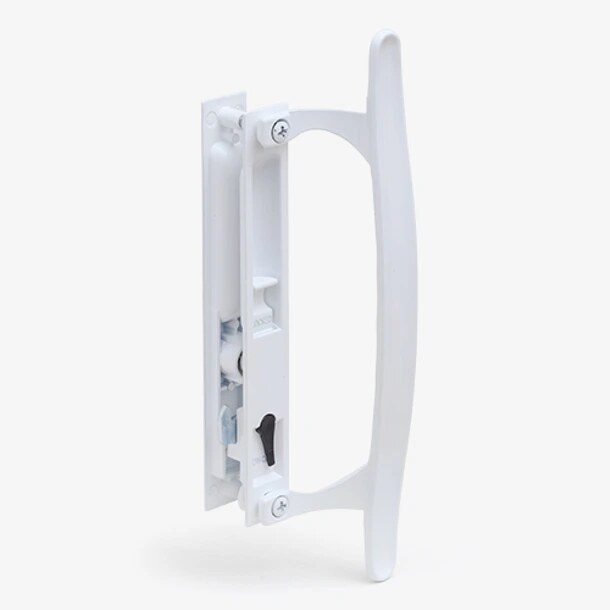
Use a model label or paperwork where possible. Ask whether a compatible panel or assembly is actually available for that frame.
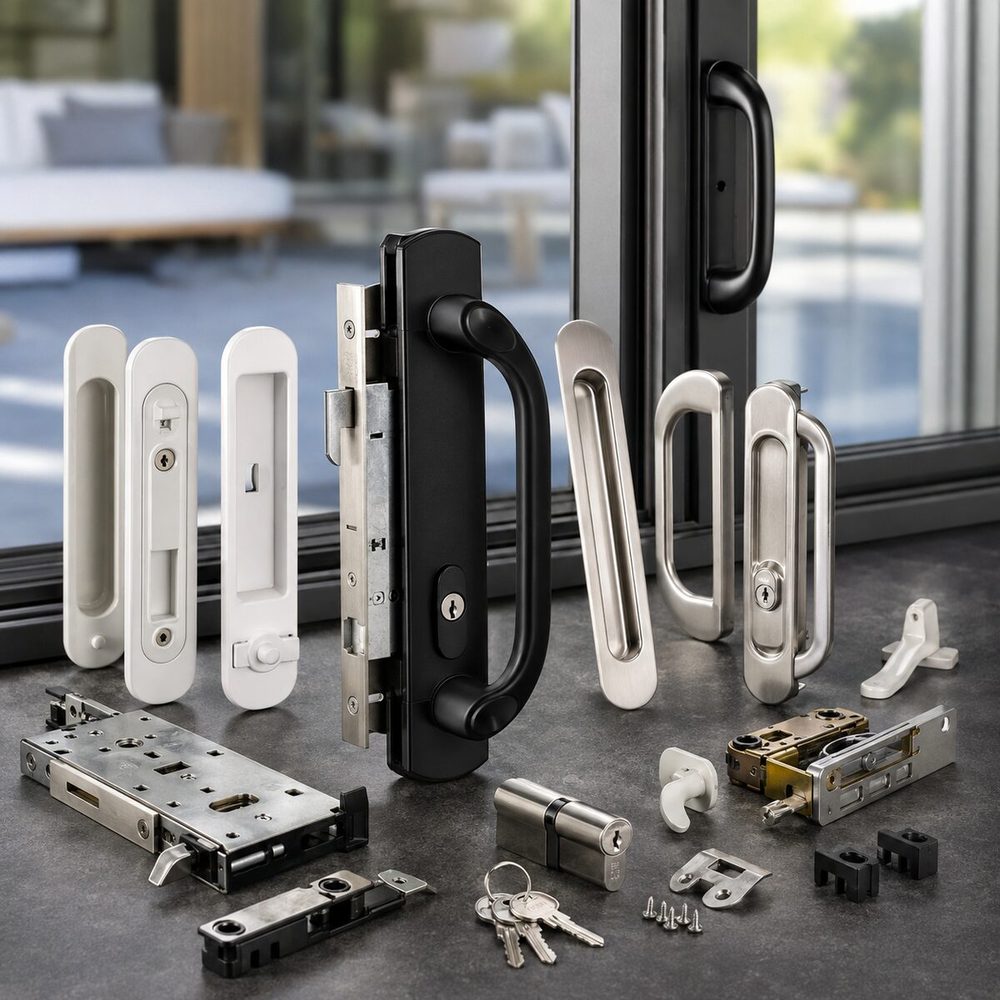
Use the clearest record you already have. The manufacturer's product name, a glass mark and an invoice can each identify a different part of the opening. Write down where you saw the detail. A label on a handle may identify only that hardware, while a door serial number can identify the original frame series. Keep a wide photo with the information so a technician can match the record to the right opening. If a previous owner changed the glass or wheels, bring the paperwork if available. A verified measurement or fitting check should still be part of selecting a component for the actual door.
Describe the track and sill before deciding
If the door felt rough before the glass failed, report that history. A new pane still has to ride through the existing opening.
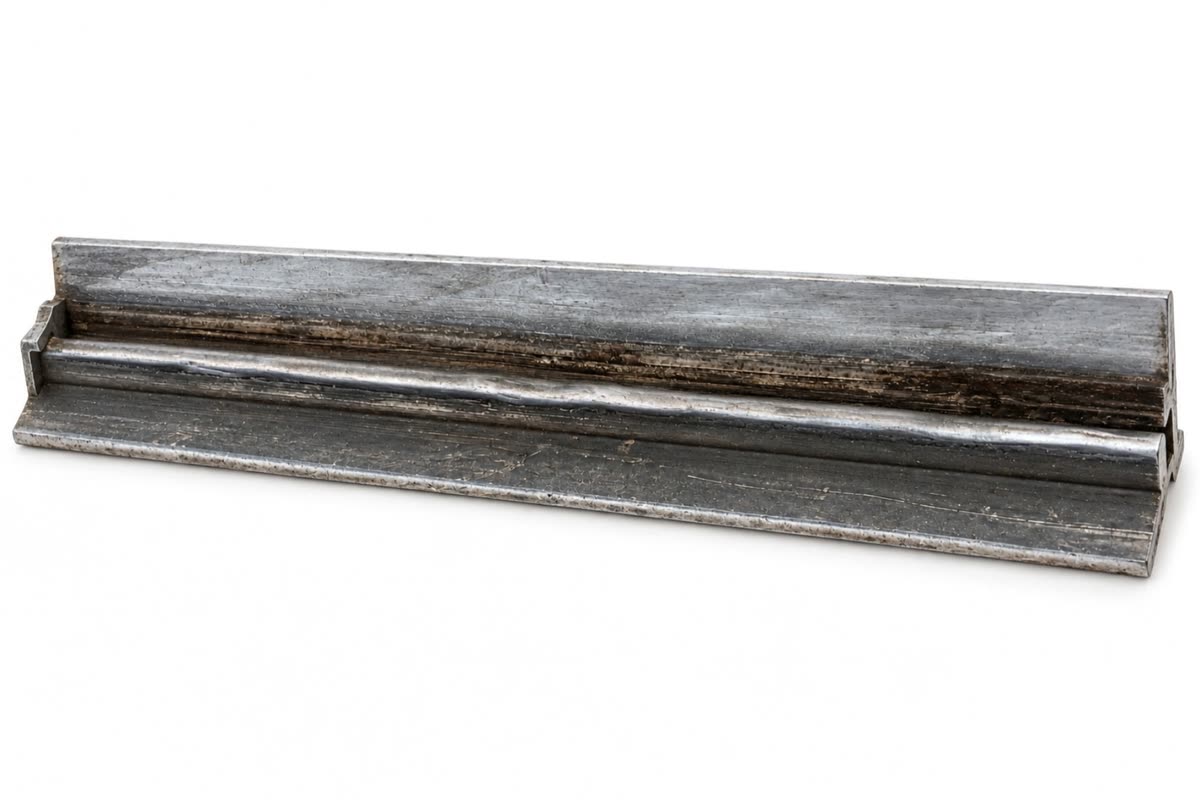
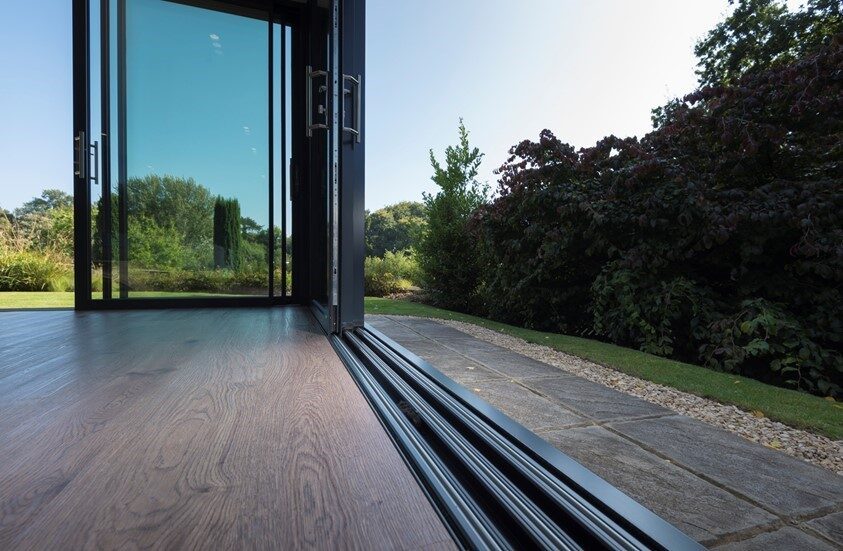
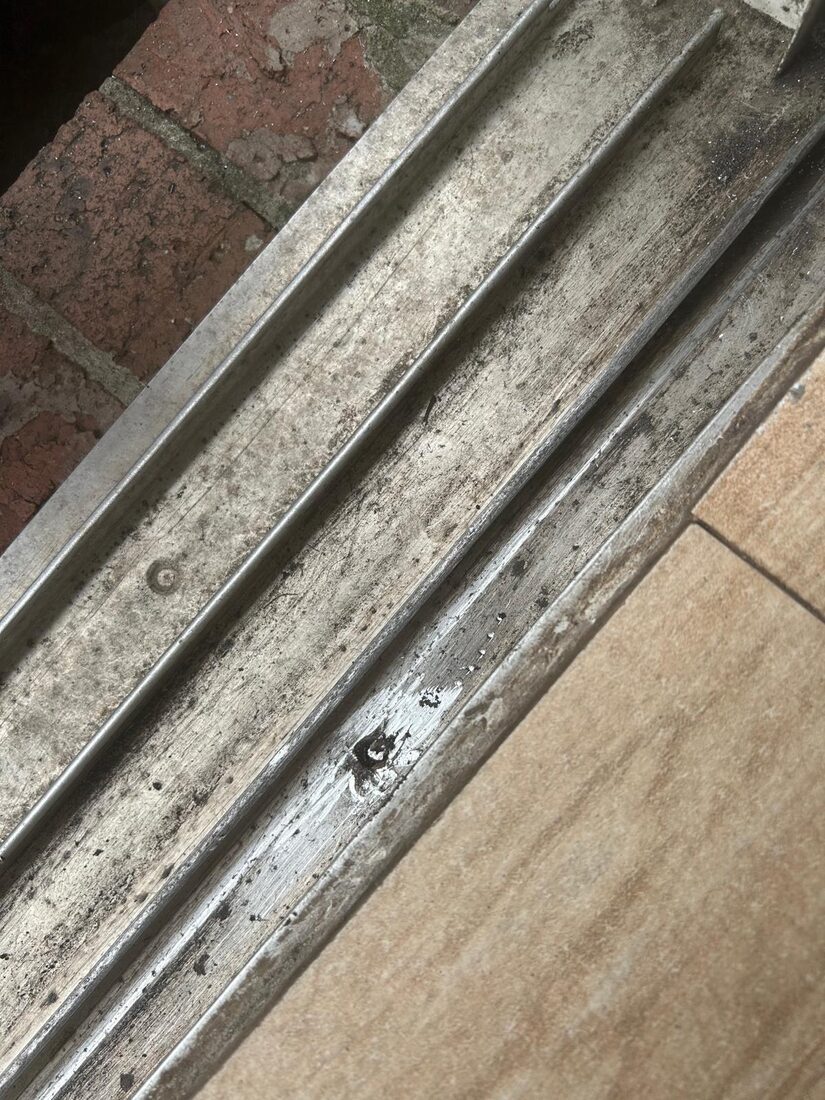
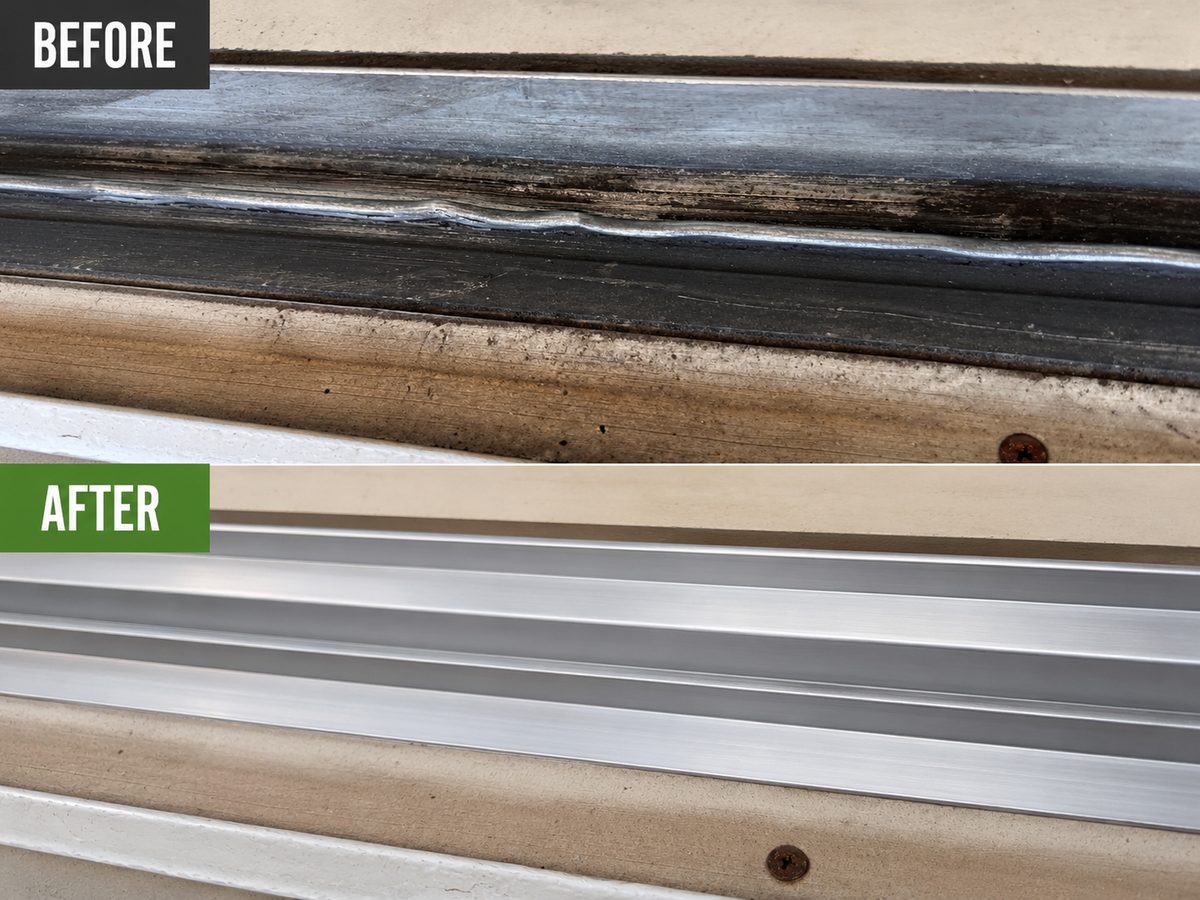
Think of the rail as part of the load path from the glass to the sill. Wear that follows the entire width of a busy opening is a different project from a short interruption near a joint. Ask which material is carrying the door and which layer is only a cover. If a previous repair profile is present, it changes how wheel position and panel clearance should be assessed. Point out whether the threshold moves when crossed, since that may be a support concern separate from a rough wheel path. A clear estimate states the length of damage and how the proposed repair will restore stable contact.
Know when a whole new door addresses more
Discuss full installation if the original frame cannot support a good result or if the owner wants to change the opening. Compare the intended outcome in writing.
Replacement can make sense when the opening or panel no longer supports a reliable repair, the compatible parts are unavailable, or the owner wants the layout to change. Confirm what is driving that choice. If the main issue is a door that sticks, a rail and wheel evaluation might identify a contained repair. If the wall opening, threshold or frame needs work, the estimate needs to account for those conditions. Compare what each option restores and what changes in daily use, appearance and access. A clear decision comes from the condition of the actual door and what you need the opening to do.
Allow for the building and glass handling
Ask about access and approval if the glass is on a balcony or visible in a shared facade. Keep the scope tied to one unit and opening.
A condo's opening may be visible on a shared exterior elevation and reached through a private unit. Ask management about approval and access for the actual scope before ordering a panel, changing visible hardware or bringing glass through a building. Some visits need a contractor reservation, loading instructions or a particular elevator. Document where the opening is and the route from the entrance so the technician can see if exterior and interior access are available. A narrow balcony may affect how the work can be staged. An inspection can often clarify what stays in place and which changes a board or property contact needs to review.
Compare the written estimates fairly
Ask whether each quote includes the glass, the parts that hold it, removal and the final function check. Compare the same desired outcome.
Comparing prices begins with making sure the proposed work is comparable. An adjustment, a new roller pair, a rail change and a full new door have different parts and access needs. An estimate can specify the affected panel and what is included in the work. Ask what might change if hidden damage or a discontinued part appears. Consider the use of the opening as well as the price. A repair that restores a usable door can be a practical choice when the frame is sound, and an estimate for broader work is useful when a smaller repair cannot address the condition the customer needs solved.
Review the entire finished opening
Confirm that the glass, panel and latch look and operate as expected after service. If the repair covered only one component, get the remaining observations in writing.
The most useful final check repeats the ordinary action that was difficult before the visit. Open the panel gently, move through the original problem area and close it fully. Then check the latch, the transition at the threshold and any separate screen. Look for scraping or gaps from a safe position. Ask the technician which care instructions apply and which changes would justify calling again. It is easier to describe a remaining issue while everyone is still looking at the same opening. A property with several users can benefit from a short note about normal operation so the next person understands how to confirm it is secure.
Local examples in Encinitas and Carlsbad
An Encinitas owner with a cloudy but smooth-moving slider may be interested in keeping the frame and matching the adjacent glass. A Carlsbad door with impact damage to the moving panel can need a different scope even when the stationary side looks fine. In a downtown condo, practical access and building approval matter at either price point. Tell the technician which condition you want fixed first.
Questions to ask
Is glass-only always less expensive?
It can be a smaller scope, but the actual price depends on the unit, handling and condition of the support. Compare written scopes for the same opening.
Does a damaged frame mean I need new glass too?
Ask what parts can be reused safely and what the proposed replacement accepts. The existing glass may have a specification or dimension that differs from a new configuration.
Should I report a latch issue with the glass?
Yes. The technician can check whether it comes from the panel position, a separate lock fault or damage around the opening.
Local service and related pages
Explore Sliding Door Glass Replacement, Sliding Door Panel Replacement, Sliding Door Installation. Service-area details are available for Encinitas, Carlsbad, Downtown San Diego. Call 619-389-3123 or send a service request to describe the opening at your property.