A visit goes better when the technician can find the right opening and understand how it is used. You can prepare without disassembling the door. Write down which panel is affected, what changed and whether it can still close securely. Take the photos you can reach safely and tell the person arranging service how to enter the property.
Name the room and the affected panel
Use an inside viewpoint for left or right. Give the room name and whether the damaged or stiff piece is the one that moves.
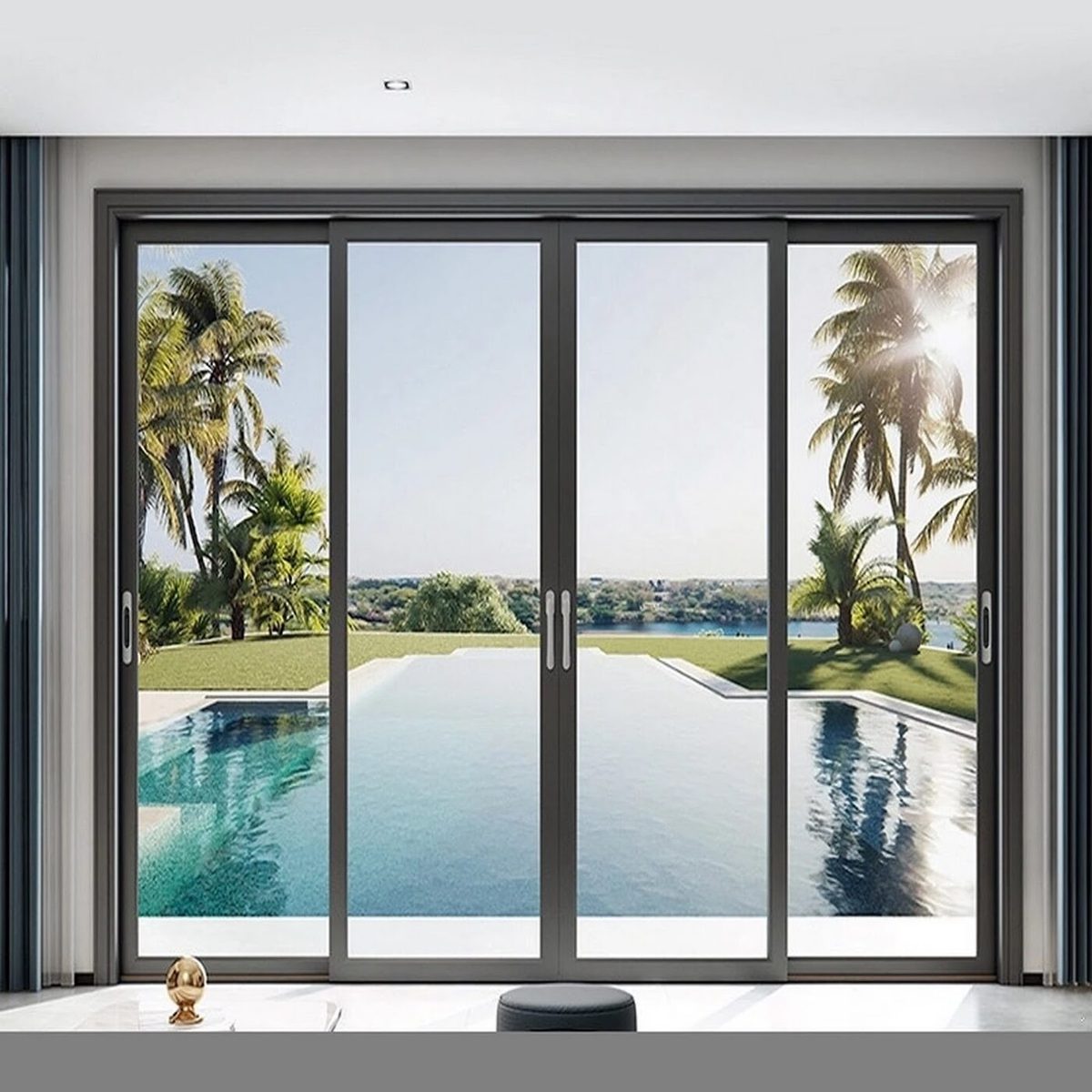
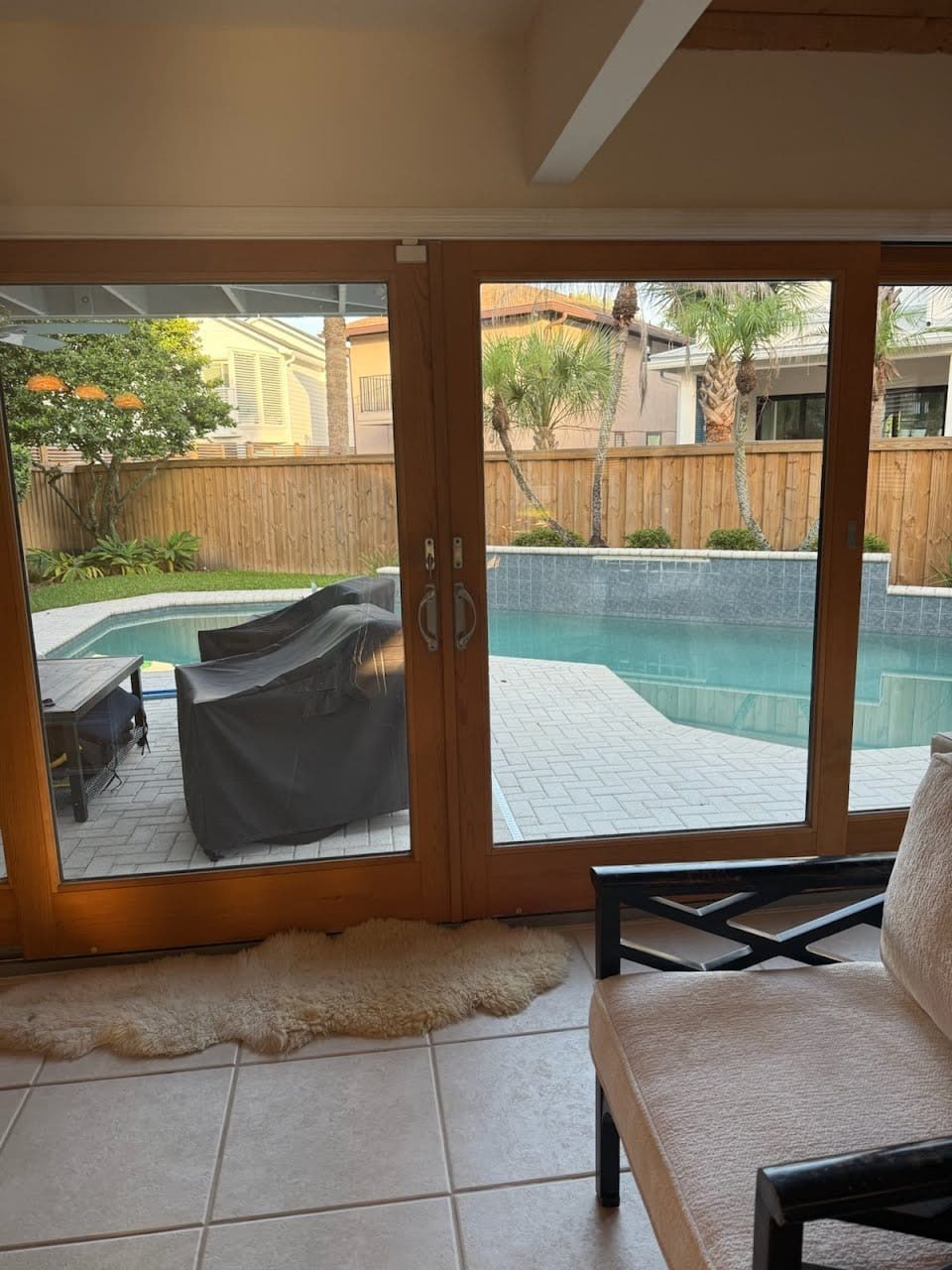
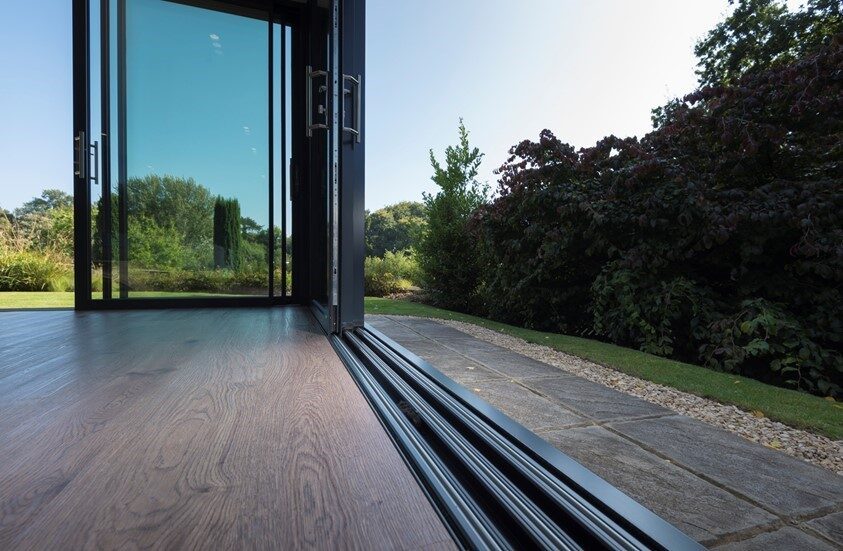
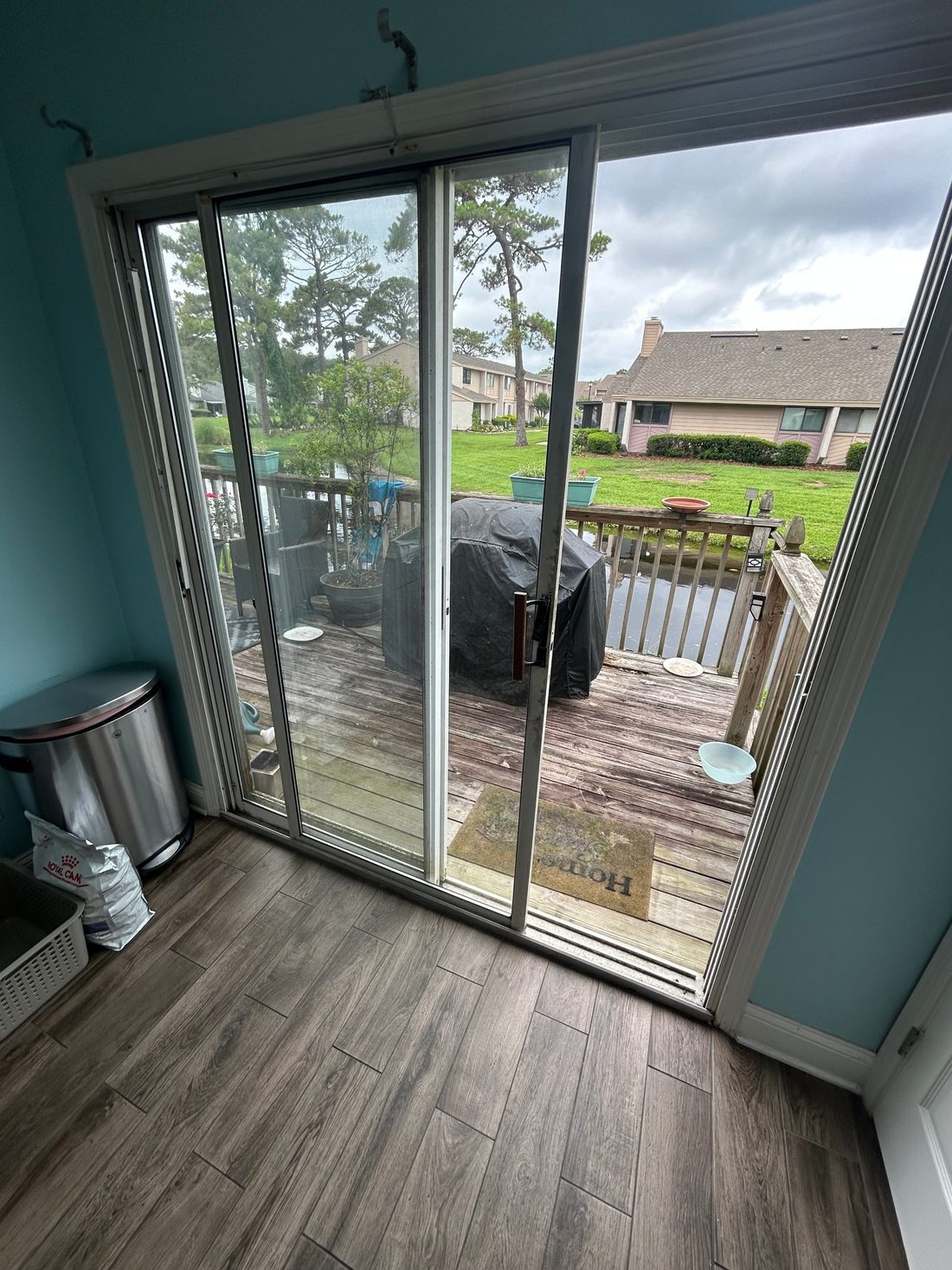
Name the opening as a person facing it from the room would see it. Identify the active panel, the fixed panel and any screen without relying on left or right alone. If there is more than one active panel, give each one a short label and note the part of the sill it uses. A service provider can use that description to find the affected glass, hardware or movement. For a comparison, give the other panel's condition separately. A sound fixed panel can share the same frame with a moving panel that sits low. A wide photo can show that relationship without requiring removal.
Give a short timeline
Mention a storm, earlier service, floor project or gradual change. Share how the door worked before and when the current behavior began.
The order of events can narrow a service request. Record whether the problem followed a storm, flooring work, a rail adjustment, glass replacement or an impact, or whether it developed gradually with daily use. Those details give a technician a reason to look for a changed clearance, damaged component or condition that is recurring. A short timeline is more useful than guessing why the first service did not last. Include any earlier receipt or part description that identifies what changed. If the issue disappeared briefly and returned, note how the door behaved during that interval and whether the same location or latch is affected now.
Record ordinary operation if it is safe
Describe the first pull, rough spot and final close. If the panel is unstable, leave it still and rely on past observations.
A quiet check in ordinary use helps establish what changed without creating a test that is unsafe. Note the door's position, time of day and whether the panel felt different on a dry day. Take a wide photo before attempting routine care of any accessible surface. For a stable door, describe whether the same problem appears at the same point as it opens and closes. If the glass or panel looks unstable, use previous observations and leave it still. A useful comparison captures the condition you actually experienced rather than an attempt to manufacture a visible result for a recording.
Report an unsafe or unusable opening first
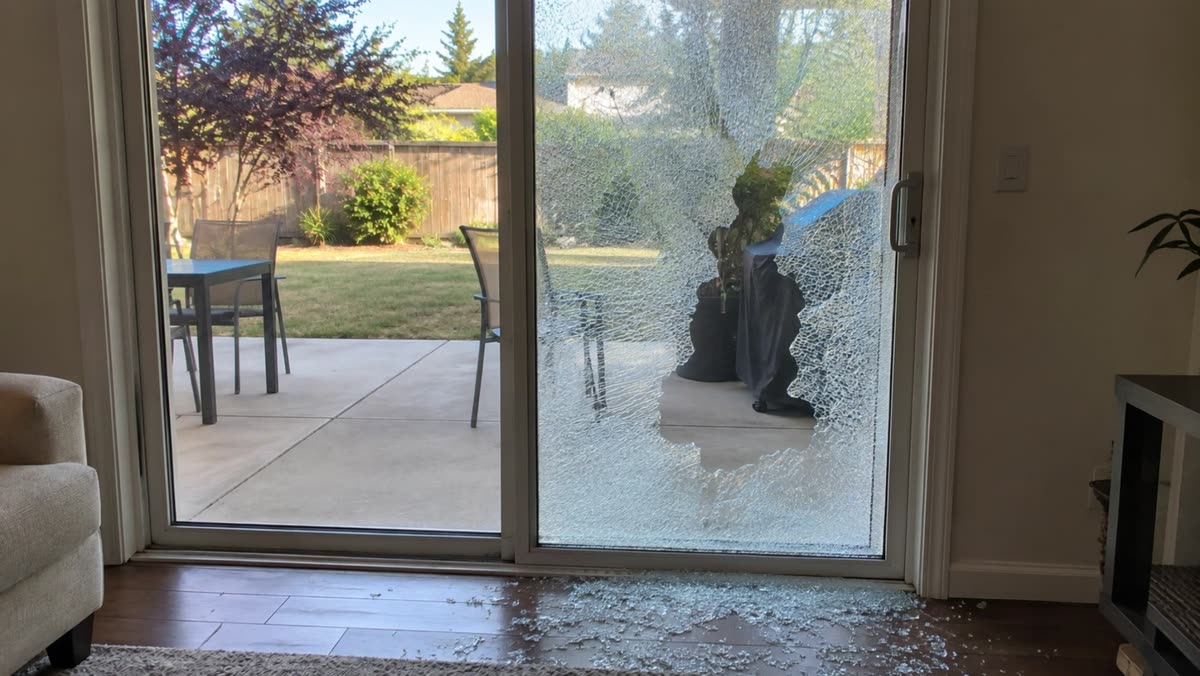
Say if the door is tilted, glass is cracked or the opening will not secure. Describe whether someone relies on the patio route.
Prioritize conditions by how they affect the people using the building. A cracked pane, unstable panel or entrance that people cannot safely use changes the immediate plan. A persistent rub or draft in a door that can still close and lock can usually be documented while a visit is arranged. Record the condition of each opening and whether there is another route. This is particularly useful where an older resident, child, tenant or customer relies on a particular doorway. Assign a contact who can arrange access and authorize the scope. Tell the service provider what the door can do today as well as the long-term goal.
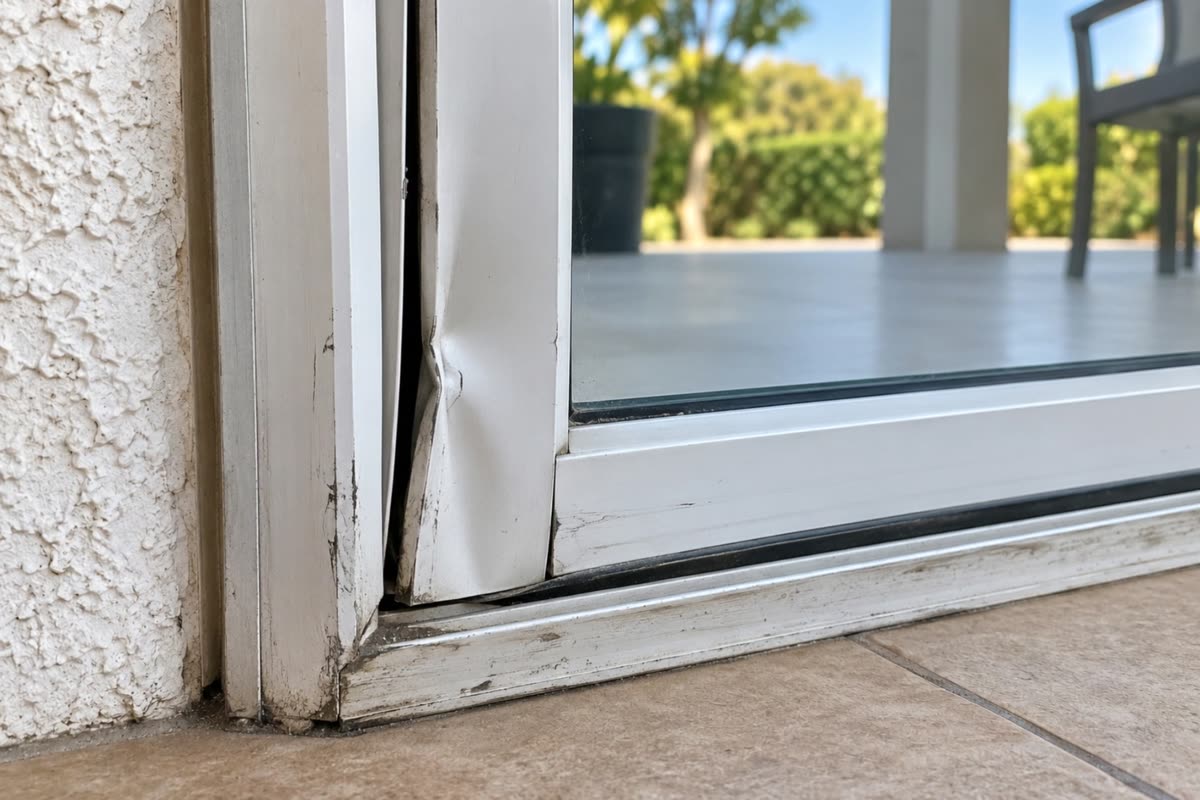
Take one wide photo and one relevant detail
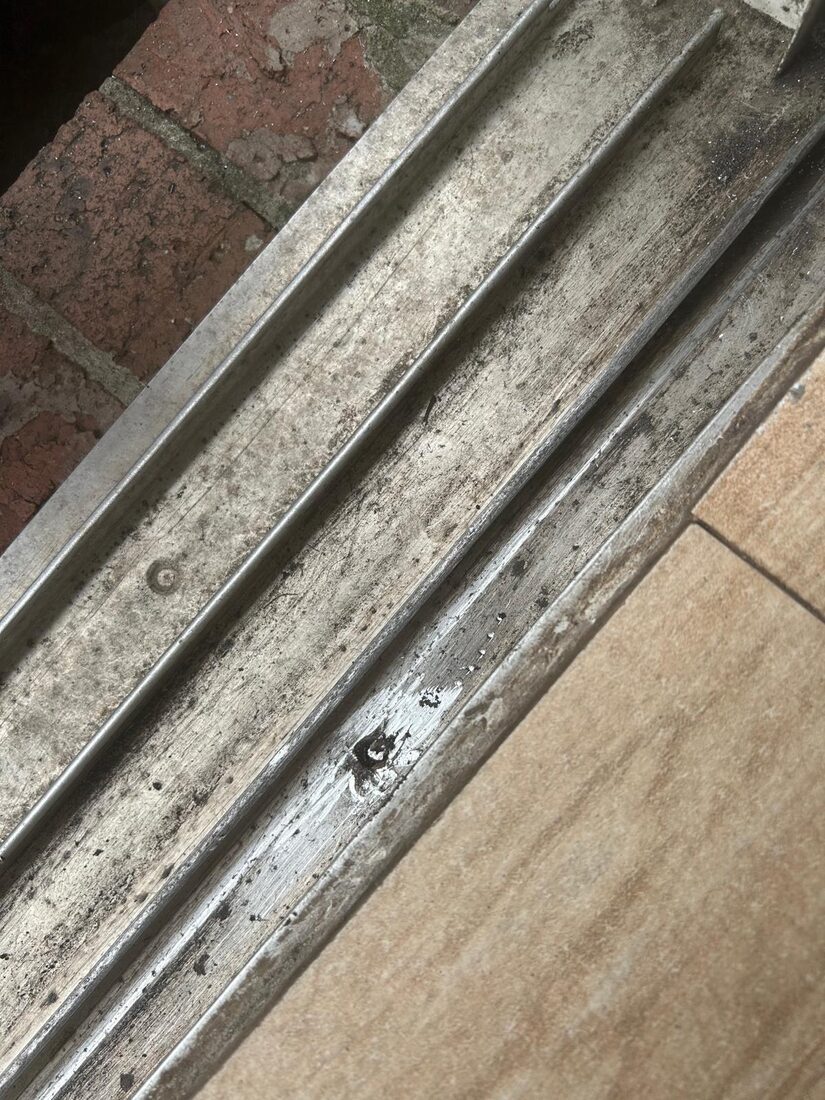
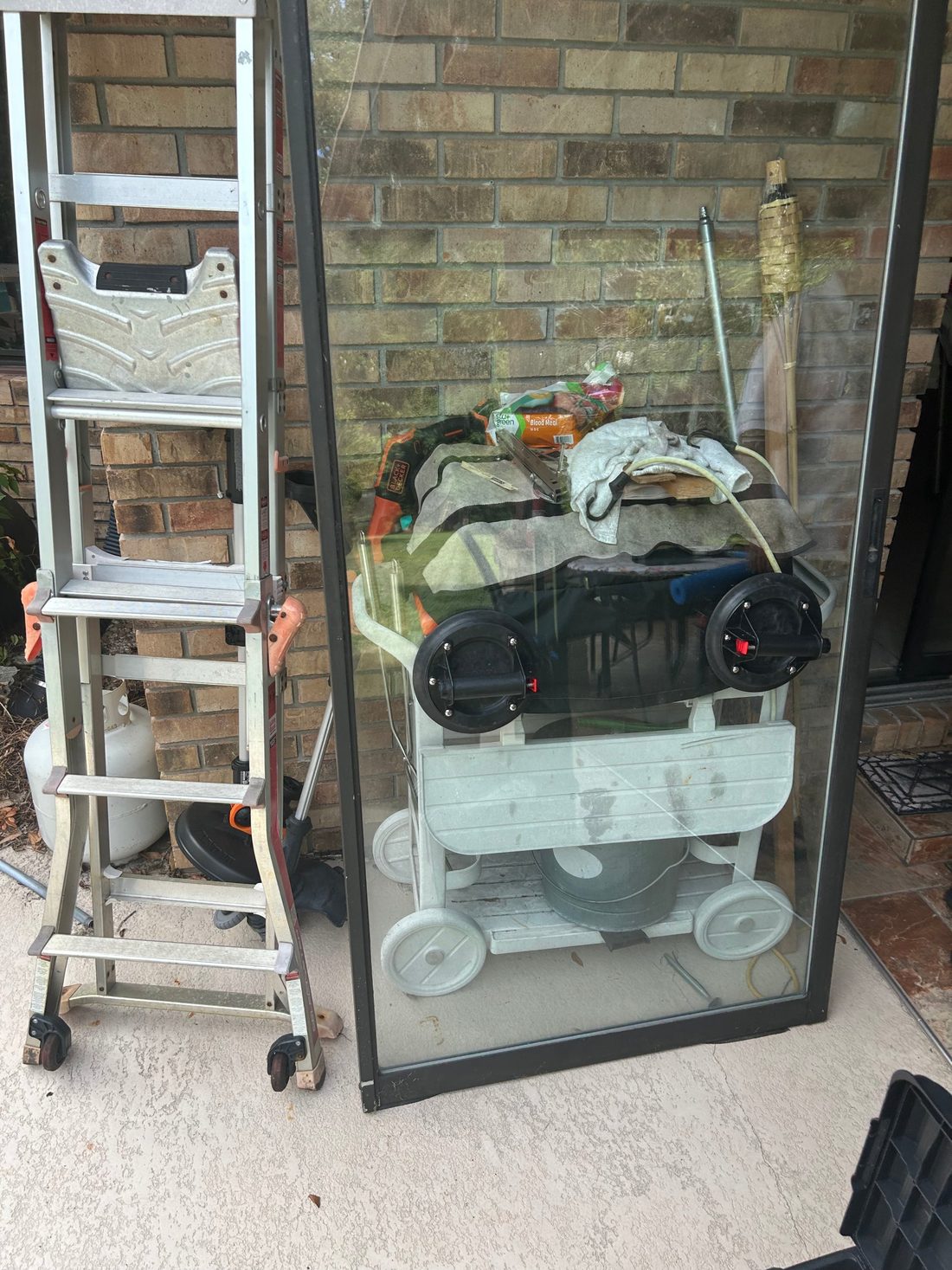
Include the entire opening before showing a latch, rail or product label. Keep photos together under the same room name.
A visible brand mark can help identify a product family. An invoice, installer record or a legible label may include the model and age. Record the details exactly instead of guessing the version. Similar products can use different glass thicknesses, rollers and hardware at different times. An exterior photo shows the layout but may not reveal a hidden part or adjustment geometry. Bring together a wide shot and the identifying detail if it can be reached safely. Save the old parts or paperwork if available. This information can narrow choices before a visit while leaving the final match to an inspection of the actual opening.
Arrange access on both sides
Give the gate, unit, floor or outside landing details. Explain if someone else will meet the technician or provide building entry.
Start at the street or lobby and picture the actual path to the affected door. Give the floor and room, the person who can arrange entry and any place where a large panel would have to turn. A gate code alone does not show whether the exterior is reachable or how the work can be staged. Share that information early if a heavy unit needs to be supported. For a business, identify the authorized service approach that avoids any closed public entrance. For a house, say which side of the opening is usable and whether a resident will be there to meet the technician.
Plan around the people and animals using the room
Share whether the visit involves a busy household or tenant. Discuss access and keep the working area available during the appointment.
An occupied property needs a work plan that accounts for who uses the opening. Give the contractor the room name and tell occupants what access is needed and how the opening will be handled. If there are children, animals or residents who rely on the patio route, share those facts when arranging service. Keep the work area clear according to the site plan. For a rental or condo, identify who can approve a change and who can provide access at the appointment. Explain whether the door is currently usable and when it normally sees the most traffic. This helps fit the work to daily use at the property.
Have the right person approve work
Give the owner, tenant or property manager's role. State who can approve changes after the door is inspected.
Write down who observed the issue, who can open the unit and who can approve the estimate. Those roles are often held by different people. A message from the occupant can be precise about the door while the property owner confirms the scope. Give the unit identifier and current ability to secure the opening before discussing who pays for work. When access is arranged, tell the technician whose contact information to use on the day. Keep the approved work and the result with the tenant's original description. That gives the manager a starting point if the problem returns after the resident or staff member changes.
Decide which result matters most
Tell the technician if your priority is smooth travel, secure closing, an air gap or a practical threshold. Ask which proposed work addresses it.
Write the desired outcome next to the symptom before approving work. For a door that catches, it could be normal effort over the original trouble spot and a latch that engages without lifting. For a glass job, it could be a specified replacement unit in a sound frame and a panel that closes normally. Ask what parts are covered, what remains in place and what would require a separate decision. For a powered entrance, include the site contact and operating checks. The written scope should let you and the provider agree on which opening and function are being addressed, even if an inspection changes the proposed work.
Watch the original issue being checked
Use ordinary operation to confirm the change. If there are multiple panels, check each affected one and keep the technician's care instructions.
Use the action the occupant performs in daily life as the finish check. Bring the door from rest through the original hard spot and let it reach the closing edge with normal effort. Confirm any seal or gap that was part of the scope. Pay attention to the threshold and how the latch feels if those affect use. Ask what a future change might look or sound like and where to find the care information for the installed part. A demonstration is more useful when it reflects the person and route that originally prompted the call. Give the technician a chance to see any issue that remains.
Keep a record for any follow-up
Save the scope, parts and test result. If something requires another visit, write down which part or approval is needed.
Before the service provider leaves, make a record that will be useful without the people who were there. Use the room or entrance name and describe the observed issue, work completed and parts that remained. If a damaged component still needs a decision or order, give the next action and approval contact. Keep photos and paperwork together. For a homeowner, this can make a future call clearer. For a manager, it helps staff hand responsibility from one person to another and distinguish one doorway from another. Capture ordinary closing, travel or other outcome that mattered in the original request.
Local examples in Carmel Valley and La Mesa
A Carmel Valley family room door can be listed as “right side from the room, first pull is heavy.” For a La Mesa upstairs slider, add how to reach the patio side. In Oceanside, note if access is controlled at a building or installation. A short request with the full street address, door label, symptom and authorized contact is more useful than a video with no explanation.
Questions to ask
Should I take the handle or panel off before the visit?
Leave the door assembled. The technician can compare the existing fit, part and movement while the opening is in its current condition.
What if I do not know the door brand?
Use a wide photo and describe the panel. Share a readable label or old paperwork if you have one.
What if the door only fails sometimes?
Give the conditions and time when you notice it. Write down the last normal operation and the most recent problem.
Local service and related pages
Explore Sliding Glass Door Repair, Sliding Door Lock Repair, Off-Track Sliding Door Repair. Service-area details are available for Carmel Valley, La Mesa, Oceanside. Call 619-389-3123 or send a service request to describe the opening at your property.