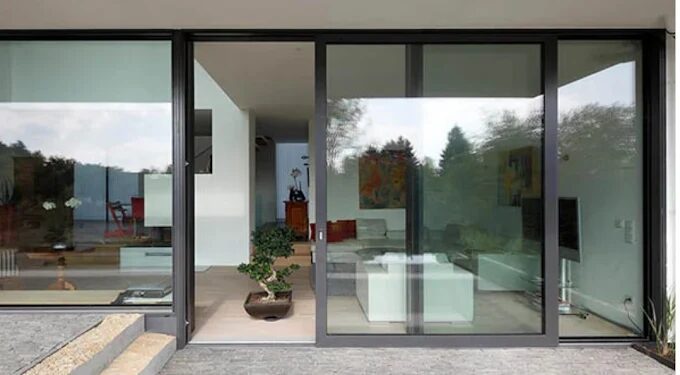
After a storm, water can appear in a sill channel, under trim or several inches onto the indoor floor. The location of the first wet spot matters more than how wide the puddle becomes. Record where it started and the direction of exposure. A good assessment distinguishes conditions at the door from problems in the surrounding wall or patio.
Capture the first water mark
Photograph or write down the original location before water spreads. Note whether the panel was fully closed and latched when it happened.
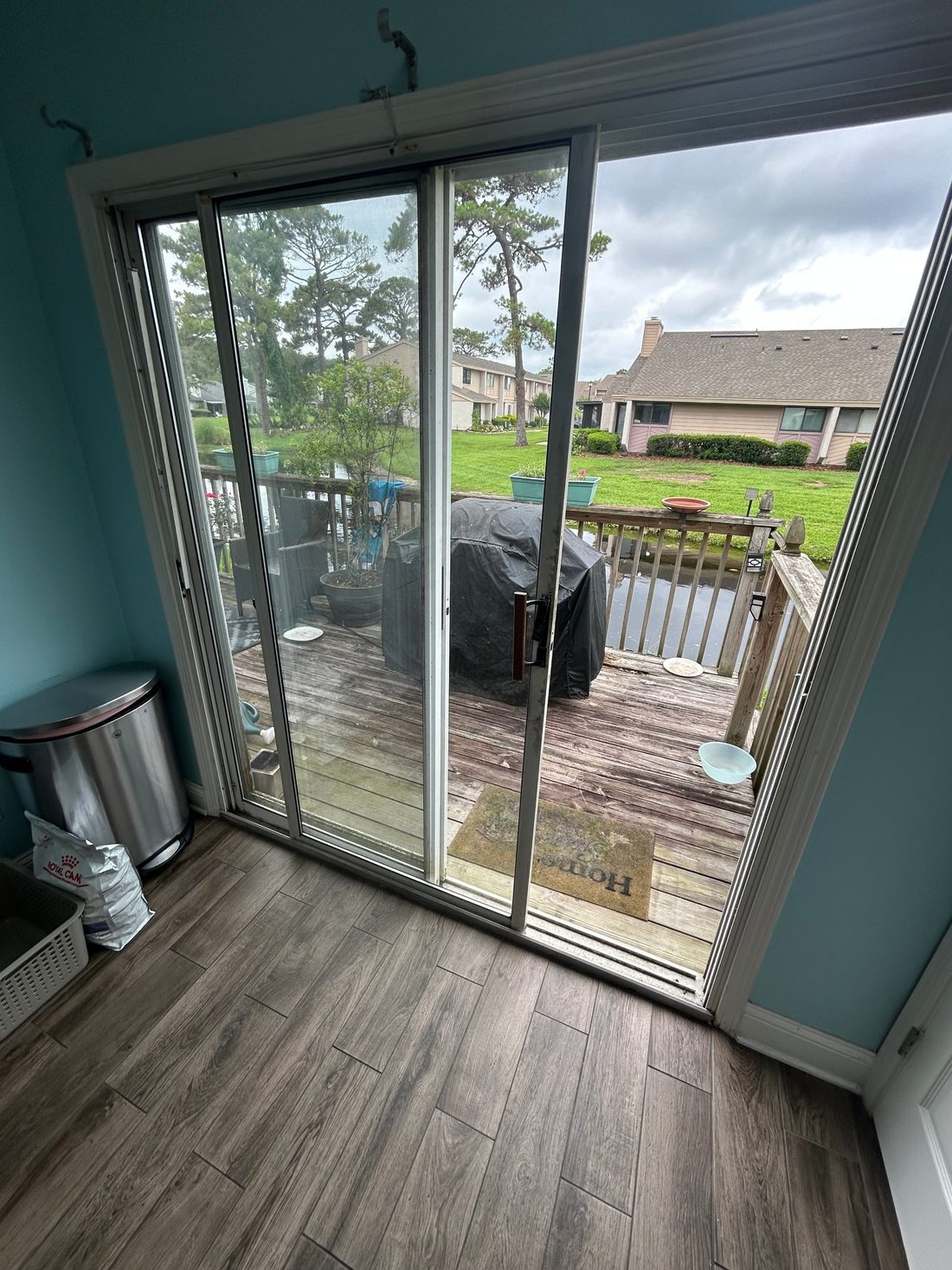
Water at a door can follow more than one route. It may appear first along an indoor floor, through side trim, or in a sill channel designed to carry water outside. A photograph taken while the first mark is visible is more informative than an image after water has spread. Record rain direction, recent work near the opening and whether the door was fully closed. Those details help distinguish a gap at the panel, a drainage issue and a concern around the wall or exterior surface. Ask which parts of the water path the door inspection can evaluate and which conditions require examination beyond the unit.
Know which channel belongs to drainage
Find the product's drainage illustration when available. A wet exterior collection channel and water that crosses into the room describe different conditions.
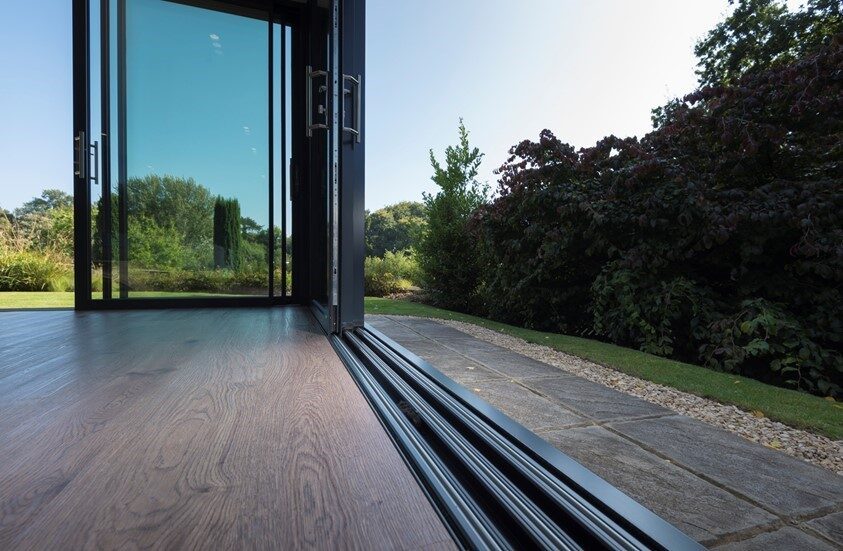
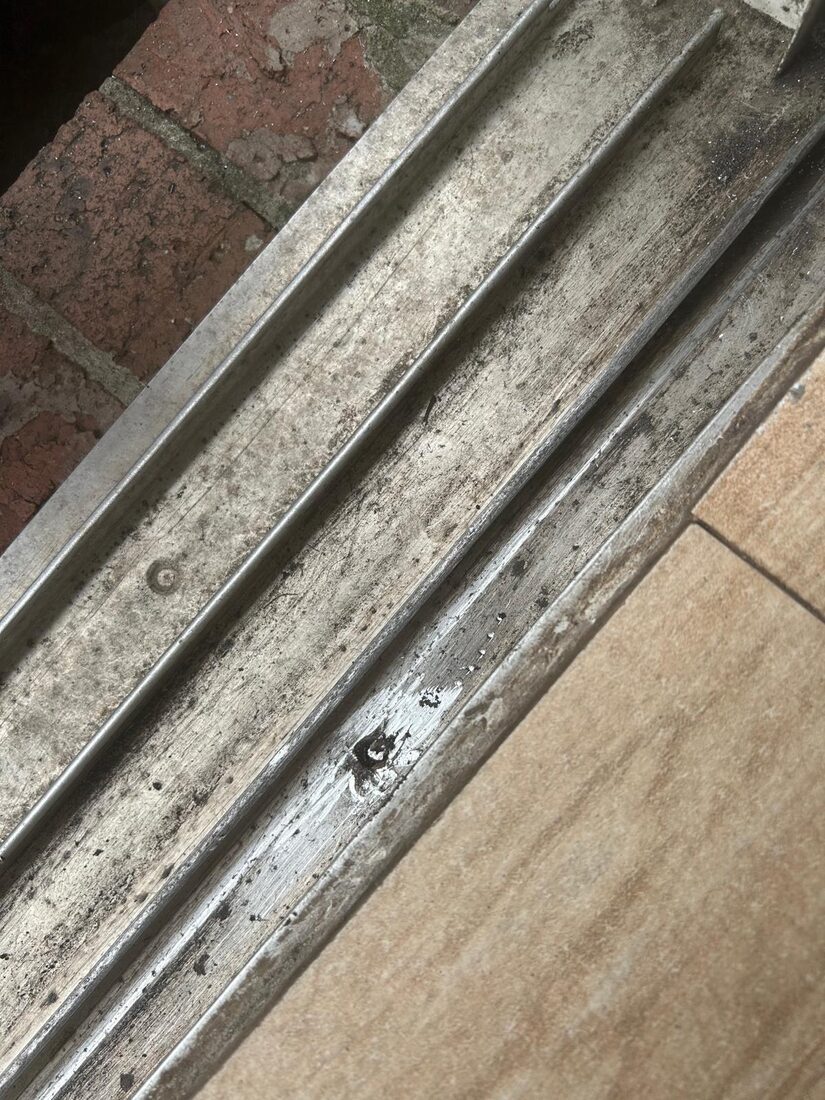
Many window and patio door systems have sill channels that collect small amounts of incidental water and direct it outside. The outlets can be hard to distinguish from hardware openings. Follow the product's diagram or instructions when identifying them. A sill with a visible exterior drain behaves differently from a gap between the door frame and the wall. Photograph the first wet location and give the direction of exposure. Sealing an outlet or putting material into a channel can redirect water instead of fixing the problem. A repair plan should preserve drainage while addressing the route that lets water reach the indoor side.
Record the direction and timing of rain
A leak that appears with wind from one side gives a useful clue. Record a normal rain event and a problem event when you have both.
Use weather to choose when to look, then judge the door by what happens at that opening. A direction change can expose a door to rain on one visit and keep it dry the next. A long warm afternoon can make the room uncomfortable and still leave the actual rail condition unchanged. Record both the context and the mechanical symptom. Note whether the panel starts hard, the same contact happens at one end, or the latch becomes difficult. A technician can use a normal-day comparison to see which problems persist. The property location sets the setting, but the inspection starts with the specific door and surface.
Check how the panel seats in dry weather
Look at the gap near the closing jamb and middle from the room. Tell us whether the latch needs pressure or a lift to engage.
A panel can appear centered in a distant photo even though one corner touches too early. Have the technician identify the first contact and show how it relates to the surrounding frame. A gap along a full edge, a wedge shape and a rub near one point tell different stories. The support under the sill and the condition of the jamb can affect how a panel stays aligned. If a new floor, seal or hardware preceded the change, say so early. Ask which parts can be adjusted and which require repair. The goal is stable clearance through travel and an even fit at closing.
Examine accessible sealing surfaces
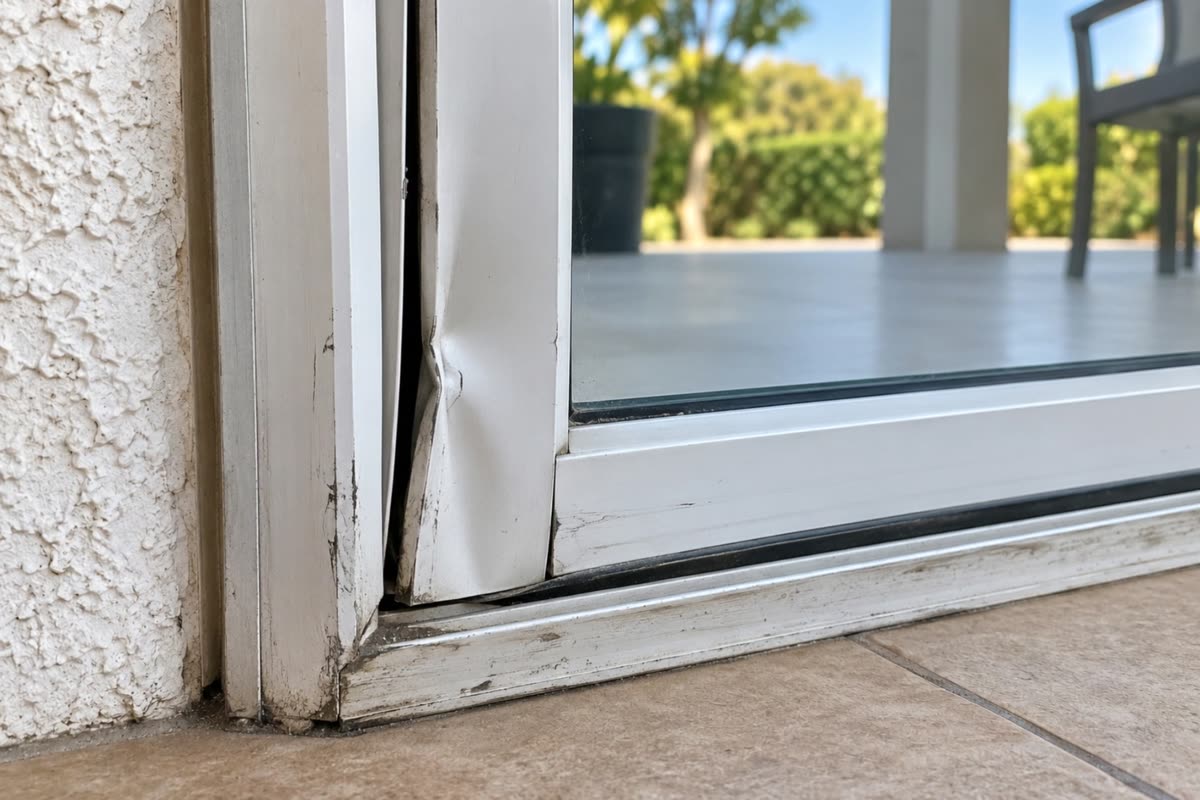
Note a loose strip or visible gap without removing parts. A worn seal and an opening that closes out of square may need separate checks.
A seal only works where the two intended surfaces meet. Look at the length of the strip and the closing position that brings it into contact. A compressed or missing area can let a narrow draft through, while a loose end can start rubbing before the panel reaches the jamb. On an older opening, compare the attached strip with any loose piece you can see safely. Bring up a recent part change or new drag at the last inch. Ask which fit and contact the technician will verify before changing the seal. A result should preserve movement and usable latching while addressing the original draft or visible light.
Look at the floor and landing together
Photograph the indoor floor height, sill and nearby outside surface. If water appears only after patio work, give the date and the changed area.
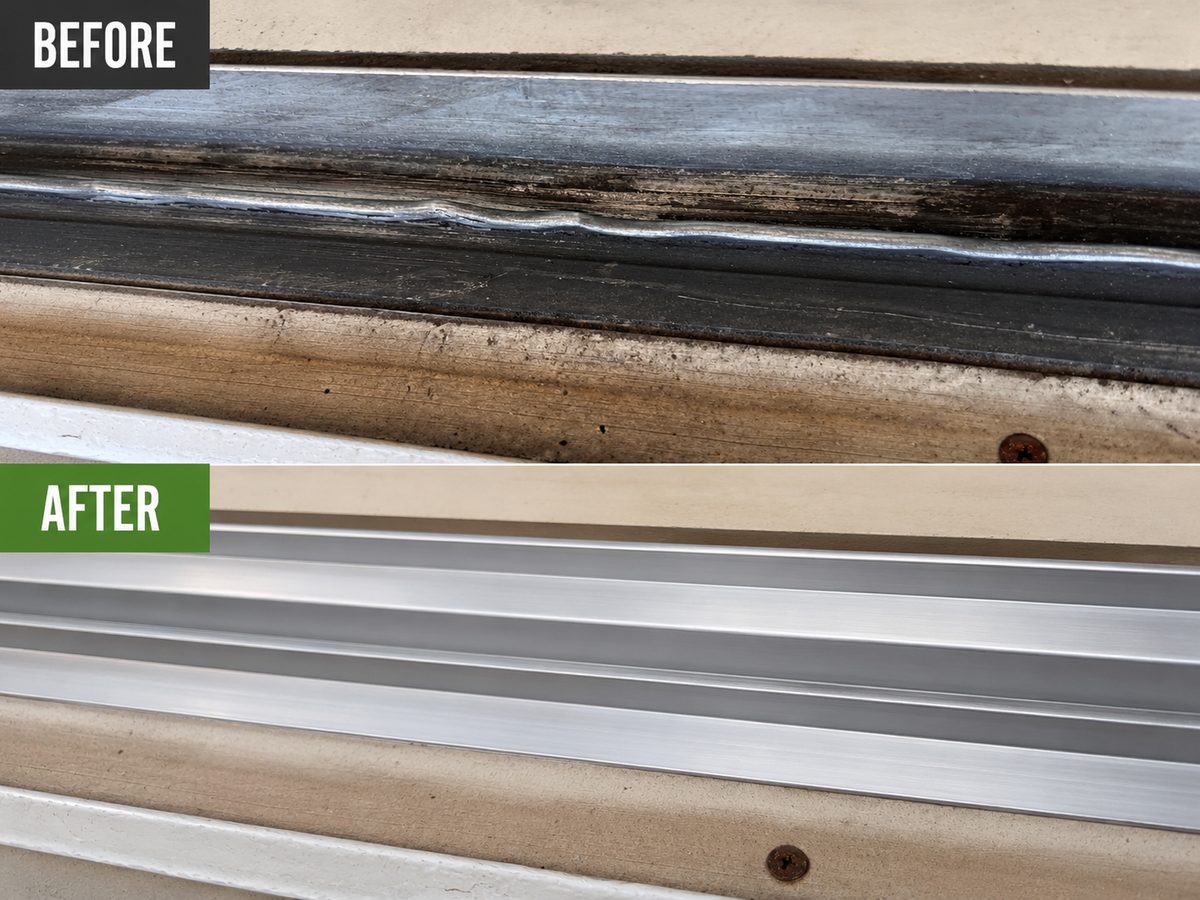
The bottom of a sliding door is a transition between two surfaces. Sill height, interior flooring and the outside landing can all affect how someone crosses it. A track repair profile or new frame may change the feel underfoot even if the opening width stays the same. Ask what will remain at the threshold and what will change. Tell the technician if the door is used with a mobility device, a cart or a stroller. A useful finish check includes the usable passage, how the panel reaches its latch and whether the transition works the way the occupant expects. An image from both sides can make the concern easier to understand.
Identify changes around the opening
New trim, tile, patio slope or work around the wall can affect where water reaches the frame. Mention any prior caulk or sill modification.
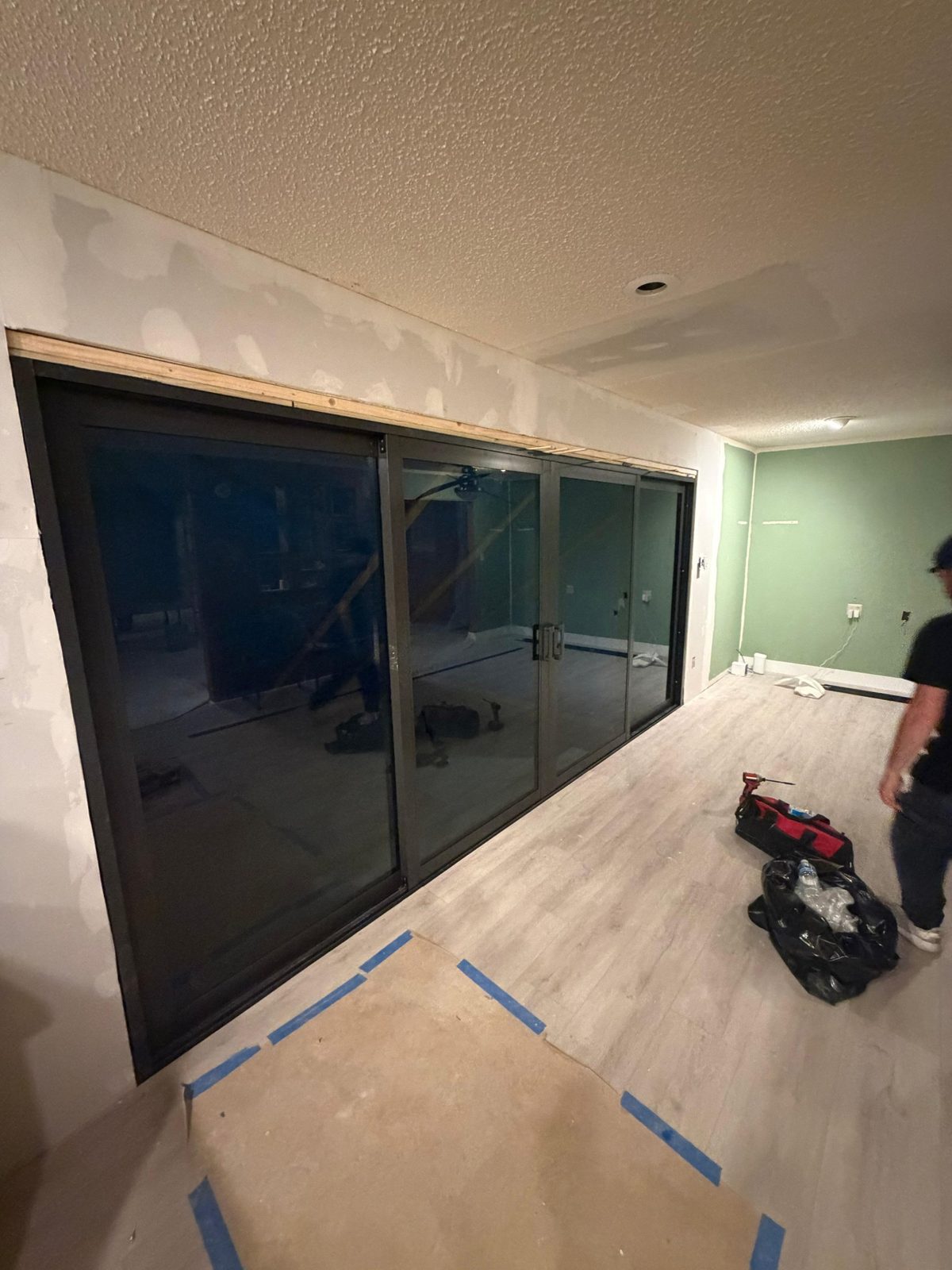
Conditions at the edge of an opening can affect the work that is possible on the door itself. A new floor can change the clearance around a sill, and a patio surface or exterior trim can affect how water approaches it. Document changes to the surrounding area and show the full opening. A door technician can identify visible signs at the unit. The assessment can also explain when framing, wall or patio work needs a separate evaluation. Agree on who will handle related work and how the finished transition will be checked. It is easier to coordinate while the parts and access requirements are still being planned.
Notice the symptom near the middle of the door
If the first mark starts near the center overlap instead of the side jamb, describe that location. Include whether daylight or a draft appears there when dry.
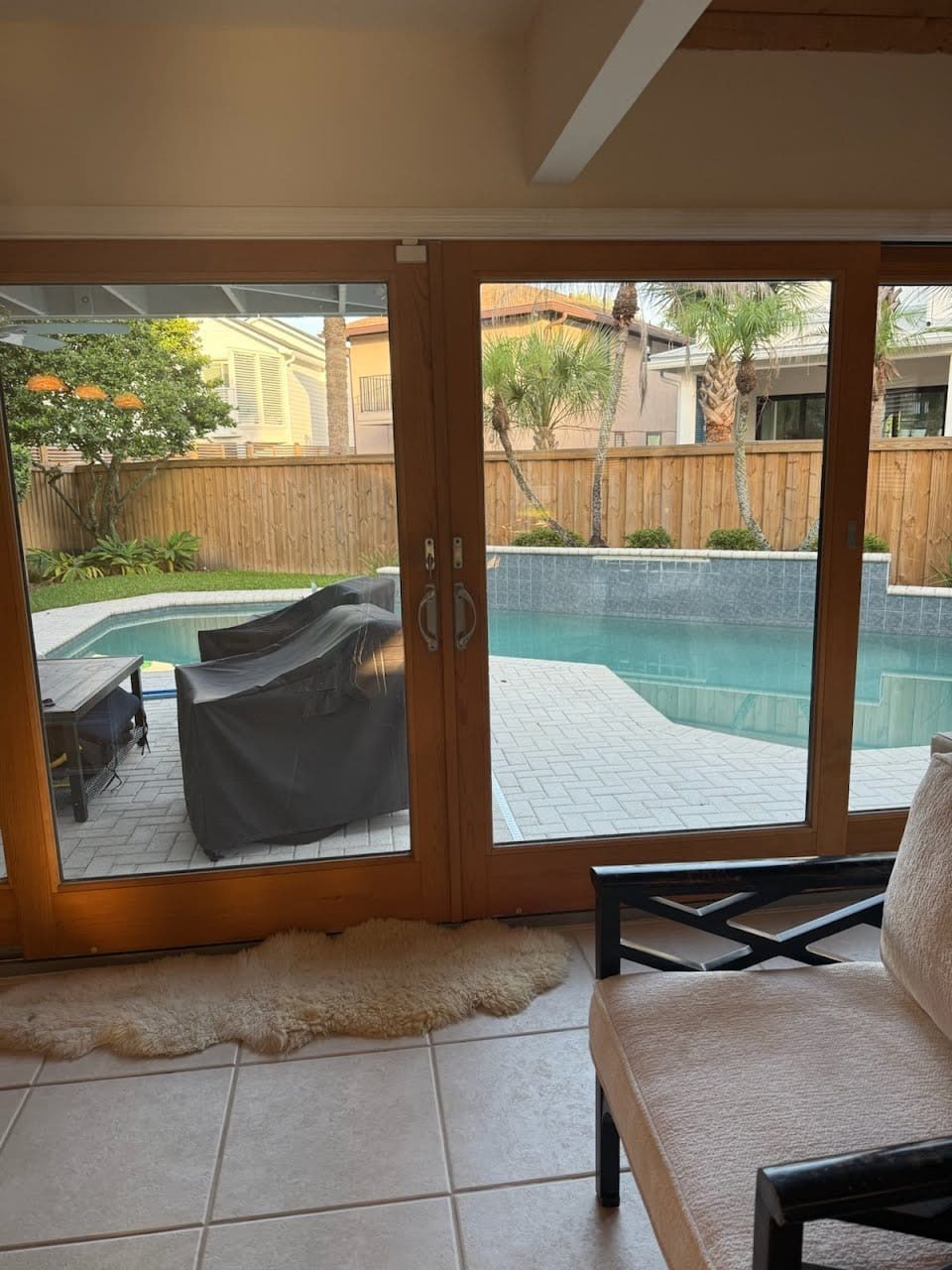
Use the meeting line as a reference even if the latch works. On many systems, the center edges are shaped to overlap when the door reaches the jamb. The amount of overlap can change if one panel drops or the profile is bent. Compare the top, middle and bottom from a safe indoor position. A loosened sealing strip may be visible on one edge, while a scrape or uneven space may indicate that fit needs to be checked first. Ask which profile or sealing surface is being addressed and how the repair will be verified at full closure as well as during movement.
Describe the building and access
For a balcony or managed property, tell the technician whether the exterior face is reachable. Give the unit and contact who can arrange an assessment.
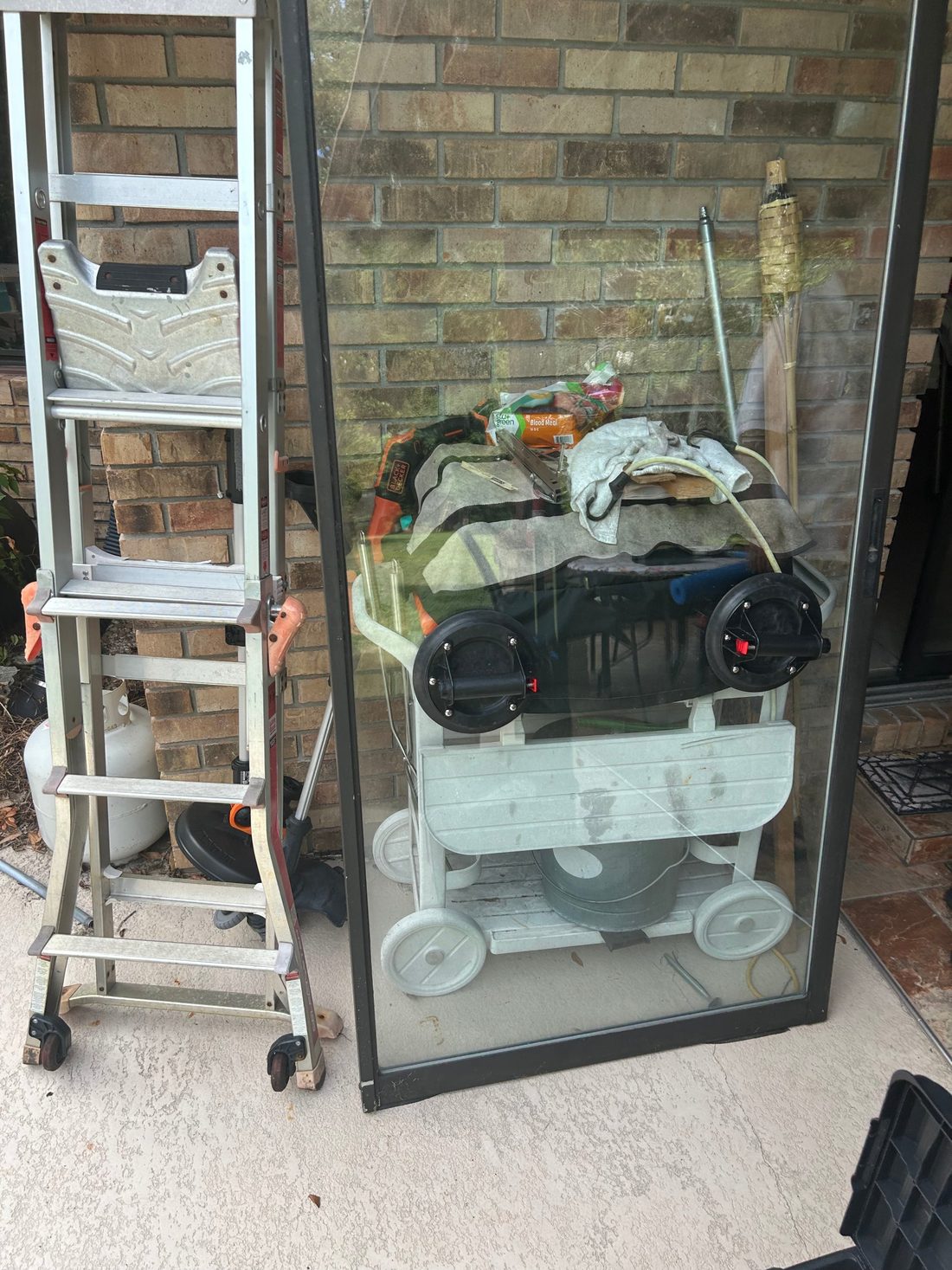
Start at the street or lobby and picture the actual path to the affected door. Give the floor and room, the person who can arrange entry and any place where a large panel would have to turn. A gate code alone does not show whether the exterior is reachable or how the work can be staged. Share that information early if a heavy unit needs to be supported. For a business, identify the authorized service approach that avoids any closed public entrance. For a house, say which side of the opening is usable and whether a resident will be there to meet the technician.
Plan the door inspection before broader work
Ask which parts of the sill, frame and sealing system the visit can assess. Get the next step for any condition that appears outside the door.
Keep the question about cause separate from the question about work. Ask the technician to show the affected surface, mechanism or opening first. Then have the proposal describe what will be adjusted, repaired or ordered and how the result will be verified. That allows a household or property manager to review the same problem even when two providers propose different paths. If availability or conditions around the frame could change the plan, ask how the decision will be made. A short follow-up note identifying the part, relevant contact and next visit can be useful when the solution cannot be completed that day.
Check what happens after the repair
Record the work and original moisture location. When comparable weather returns, note whether it recurs and share the record if a follow-up is needed.
Close the service record with three concrete facts. Identify the door that was worked on, describe what changed and record how the original condition was checked. Give the note to the household, owner or building contact who needs to use it. Include any part information and product-specific care guidance, and identify who will arrange a follow-up if one remains. At a site with several entrances, make the result easy to match to the correct one. That gives the next resident, shift or technician a usable account of the repair and a baseline for noticing what has changed since then.
Local examples in Del Mar and Alpine
A Del Mar balcony door may see rain pushed toward one face. In Alpine, a homeowner might notice wet trim after runoff or a change around a patio. Near Lake Elsinore, a ground-level door can show the difference between an exterior channel that drains and water appearing on the interior floor. Give the first wet location and the conditions when you call.
Questions to ask
Can I fill a hole where I see water?
Identify the channel and its intended function first. Some openings let water leave the sill. Ask for a product-specific assessment before sealing.
Will replacing a weatherstrip solve a leak?
It can help when a failed seal is the cause and the panel fits. Drainage and surrounding construction can also contribute.
Do I need to wait for another storm before calling?
Photos, timing and the first wet location can be useful now. Keep those details with the work history for the visit.
Local service and related pages
Explore Sliding Door Sill Drainage and Leak Assessment, Sliding Door Weatherstripping, Sliding Door Threshold Repair. Service-area details are available for Del Mar, Alpine, Lake Elsinore. Call 619-389-3123 or send a service request to describe the opening at your property.