Opening a slider is only part of using it. Someone may still have trouble crossing the threshold even if the panel moves smoothly. A useful door assessment considers the clear passage, the running rail and the surfaces on either side. Explain how the household uses the doorway and which part of the transition gets in the way.
Show the transition from both sides
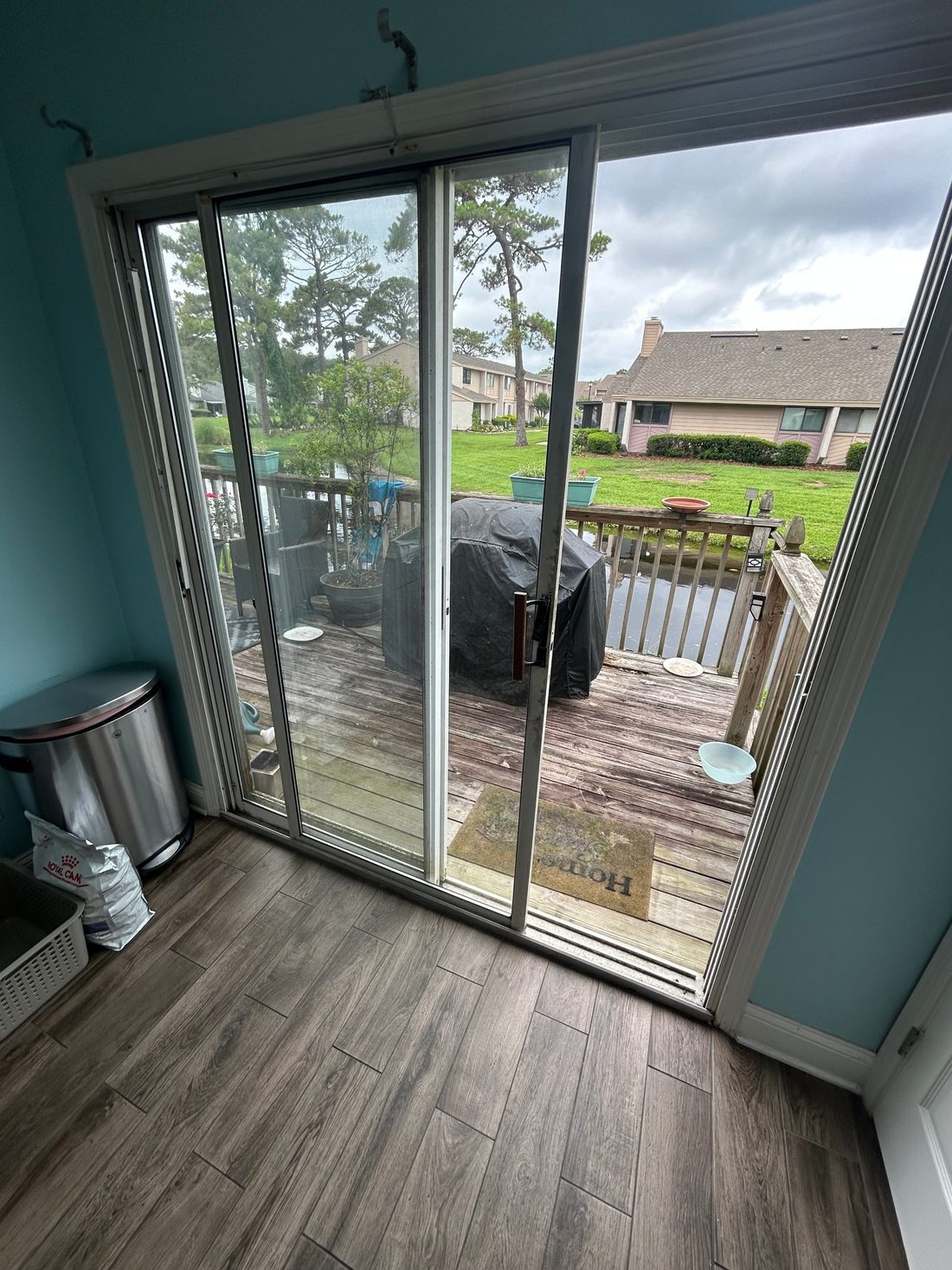
Photograph the indoor floor and the patio landing. Describe which edge feels loose, high or difficult to cross.
A threshold problem has to be understood from the room and patio sides. A raised edge can come from an added floor, a loose cover or the sill's original profile. An opening can have a good running rail and a difficult transition, or the rail itself can be worn. Photograph both surfaces and where a foot or wheel catches. Discuss the required passage, the support under the sill and any water path near it. If a change to the floor, structure or exterior landing is needed, identify that separate scope. Ask the provider to check door movement and the transition after the work.
Distinguish a step underfoot from a bump in the panel
The raised wheel path and the surface people cross can require different repairs. Describe the door's travel independently.
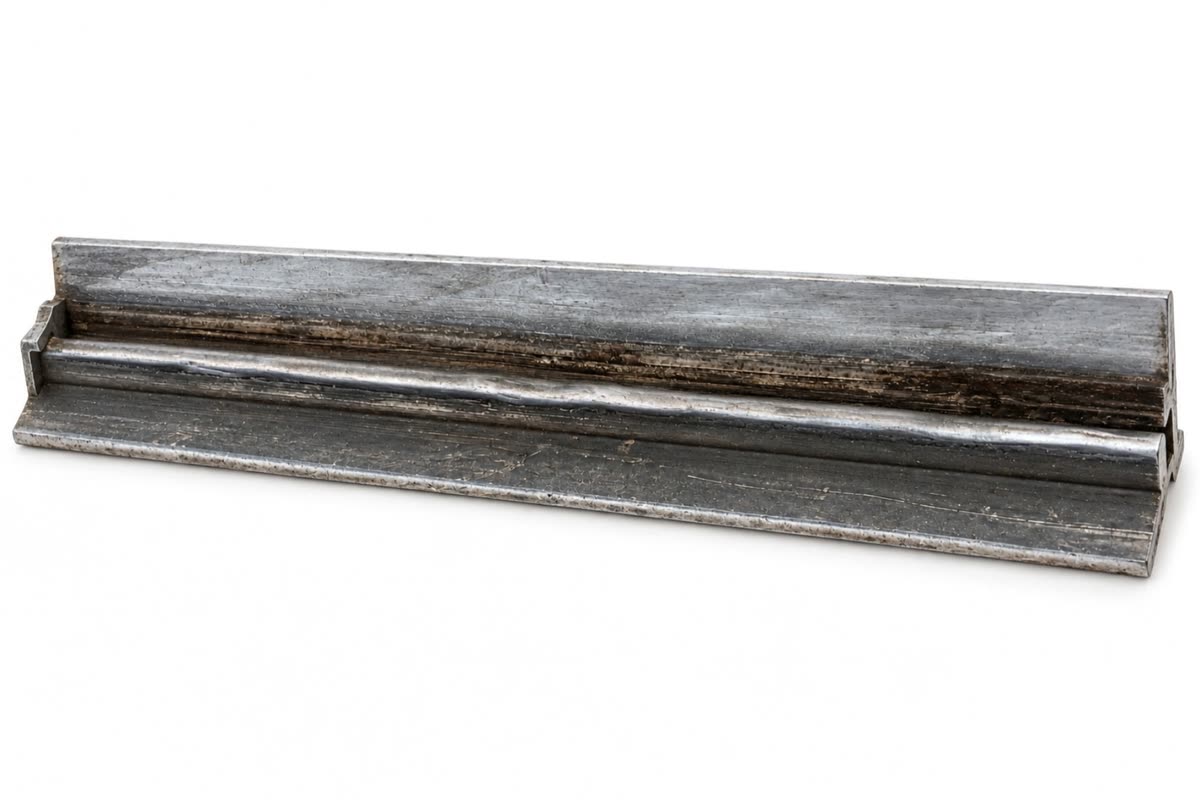
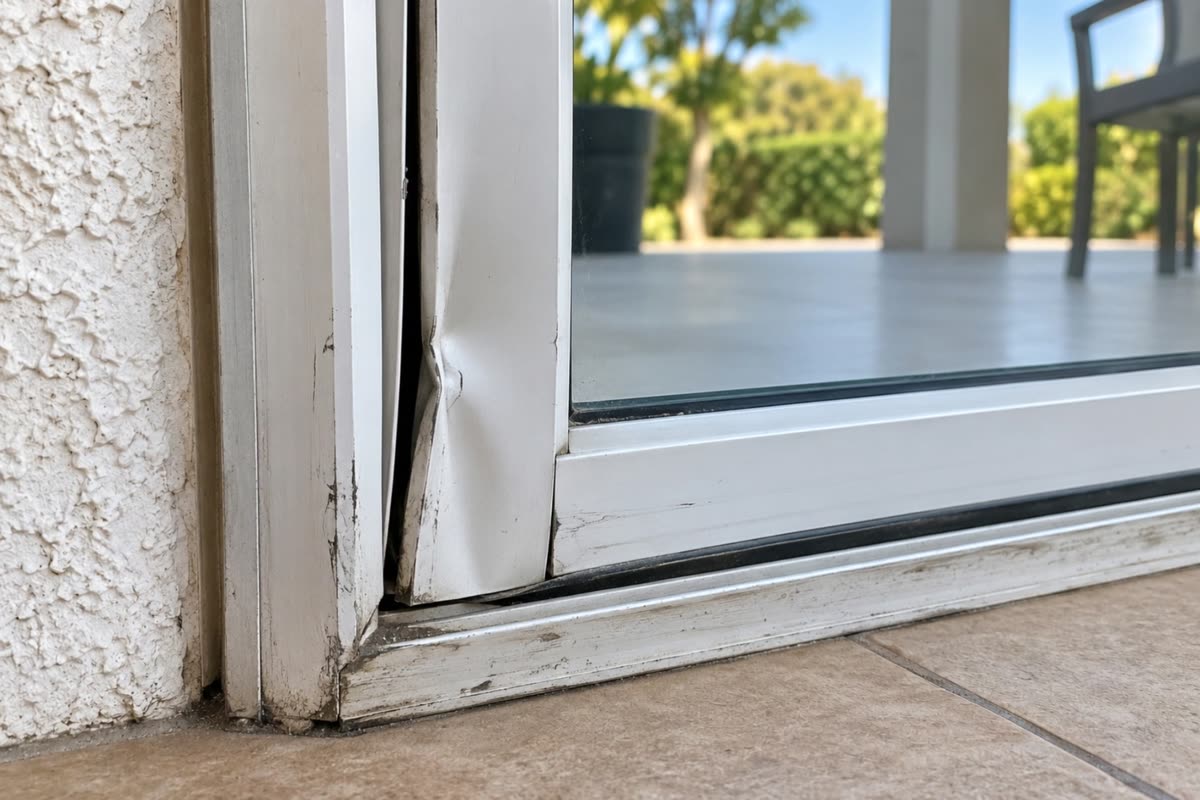
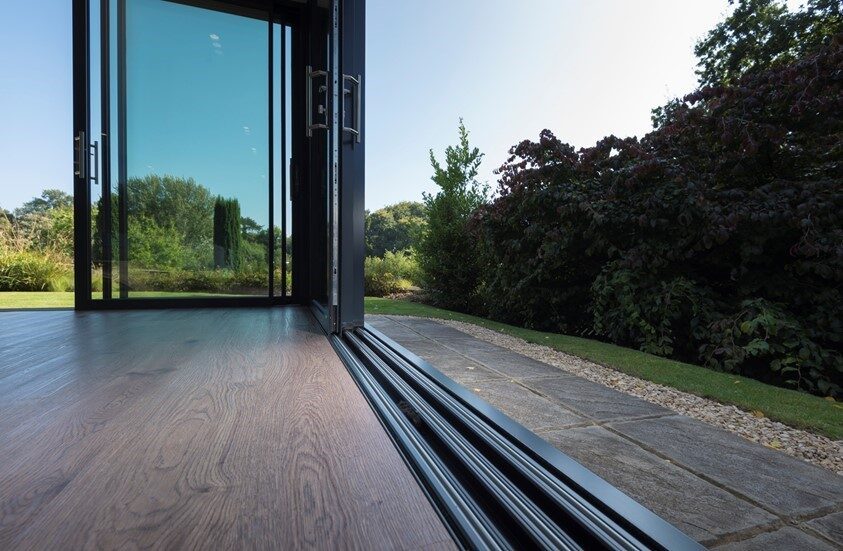
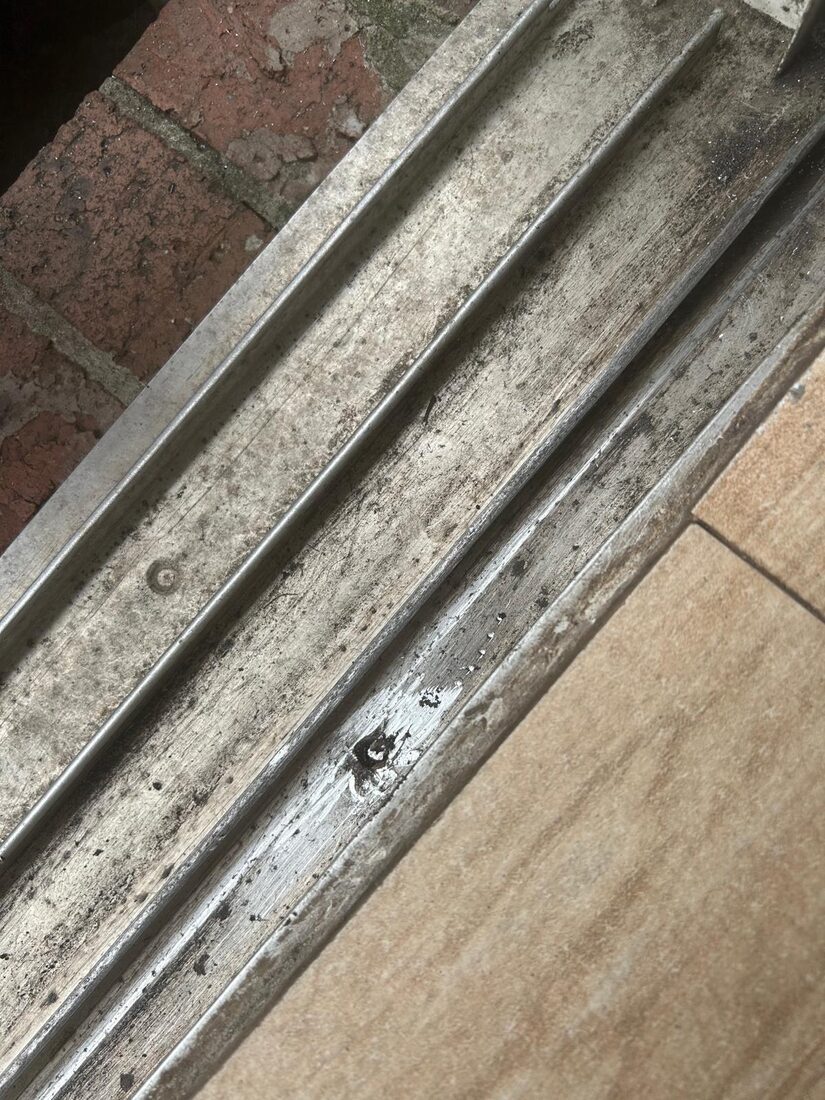
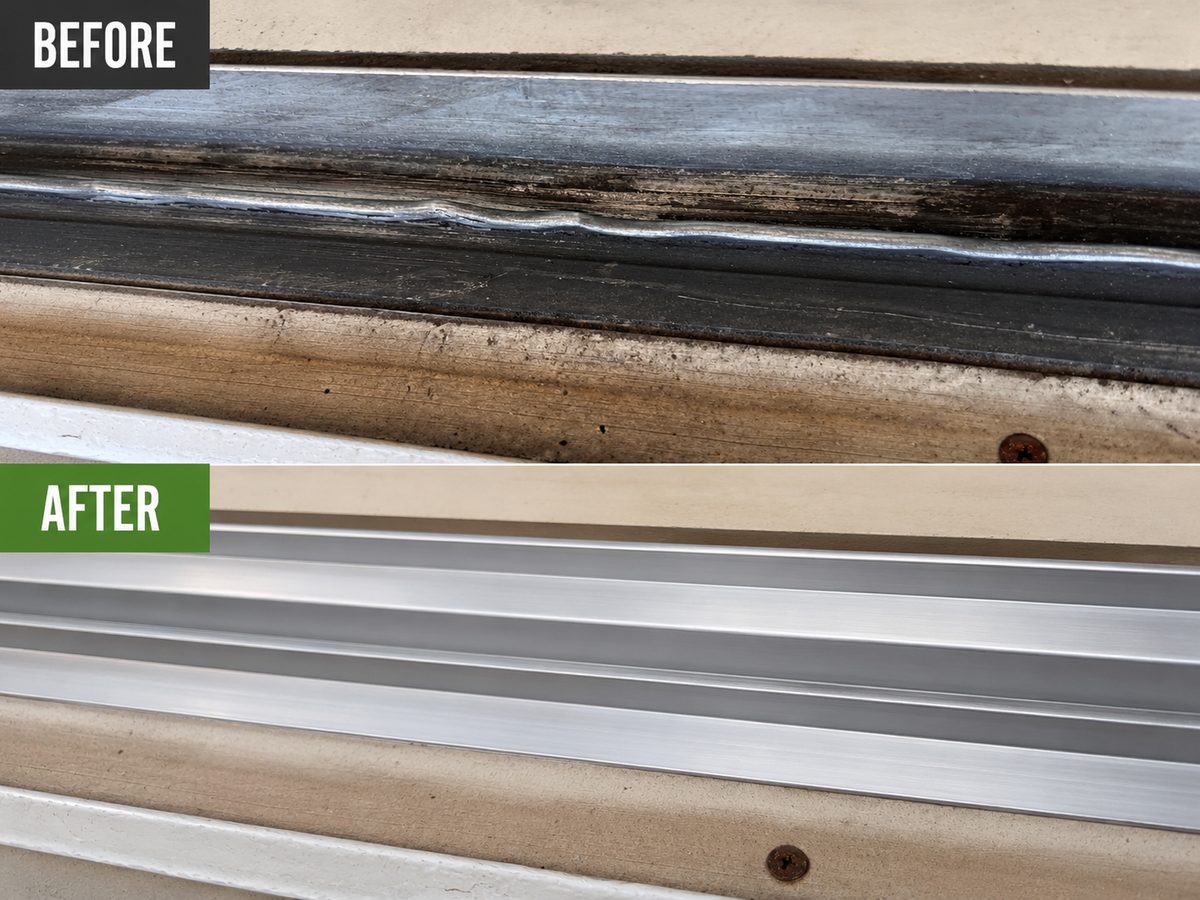
A rail supports weight on a narrow running edge. When the edge is worn flat, dented or interrupted at a joint, it can move the wheel slightly up, down or sideways as it passes. The rest of the sill might still be sound. A helpful examination looks at the length of affected rail, whether it has stable support, and whether its shape matches the wheel. Note the spot from the closed end of the opening, since the position of the handle changes according to which wheel is crossing the mark. Give the whole sill in a photo so the repair team can orient itself.
Explain who uses the opening and how
Tell the technician about a stroller, mobility device, cart or daily route. Give the actual movement and available passage.
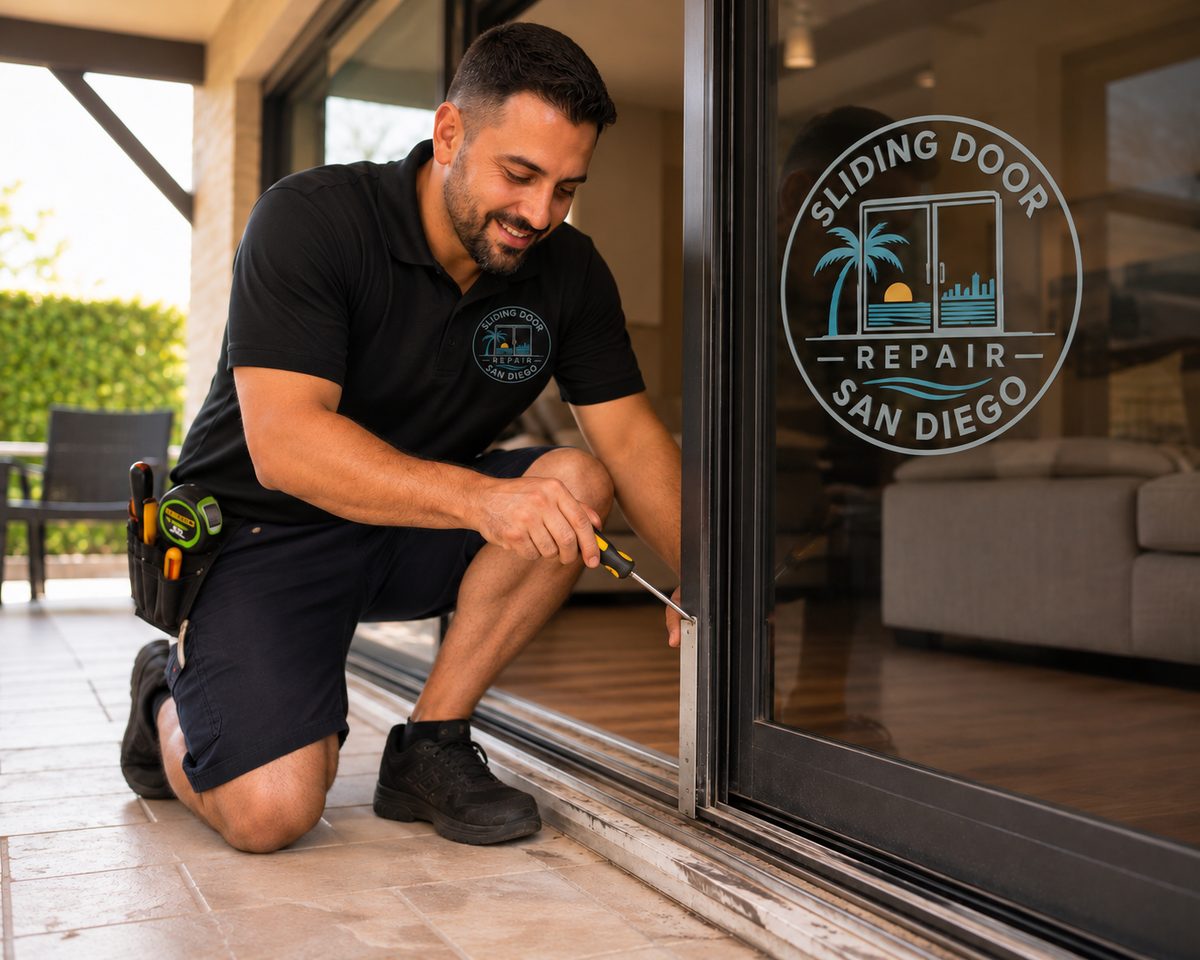
Measure the usefulness of the passage with the door in its ordinary open position. The overall door width, the fixed panel, the sill and the patio surface all affect the route someone can actually use. Give the installer the height and condition of both sides and describe any edge that catches a shoe, wheel or cart. Ask how the proposed work will affect the running rail and water path. If the opening is a frequent route, include how the household uses it and what happens when access is temporarily needed elsewhere. Check the transition as well as the panel movement once the work is complete.
Check the patio-side space
A wide door still has to open where there is room to cross. Show furniture, fixed panels and the direction that opens.
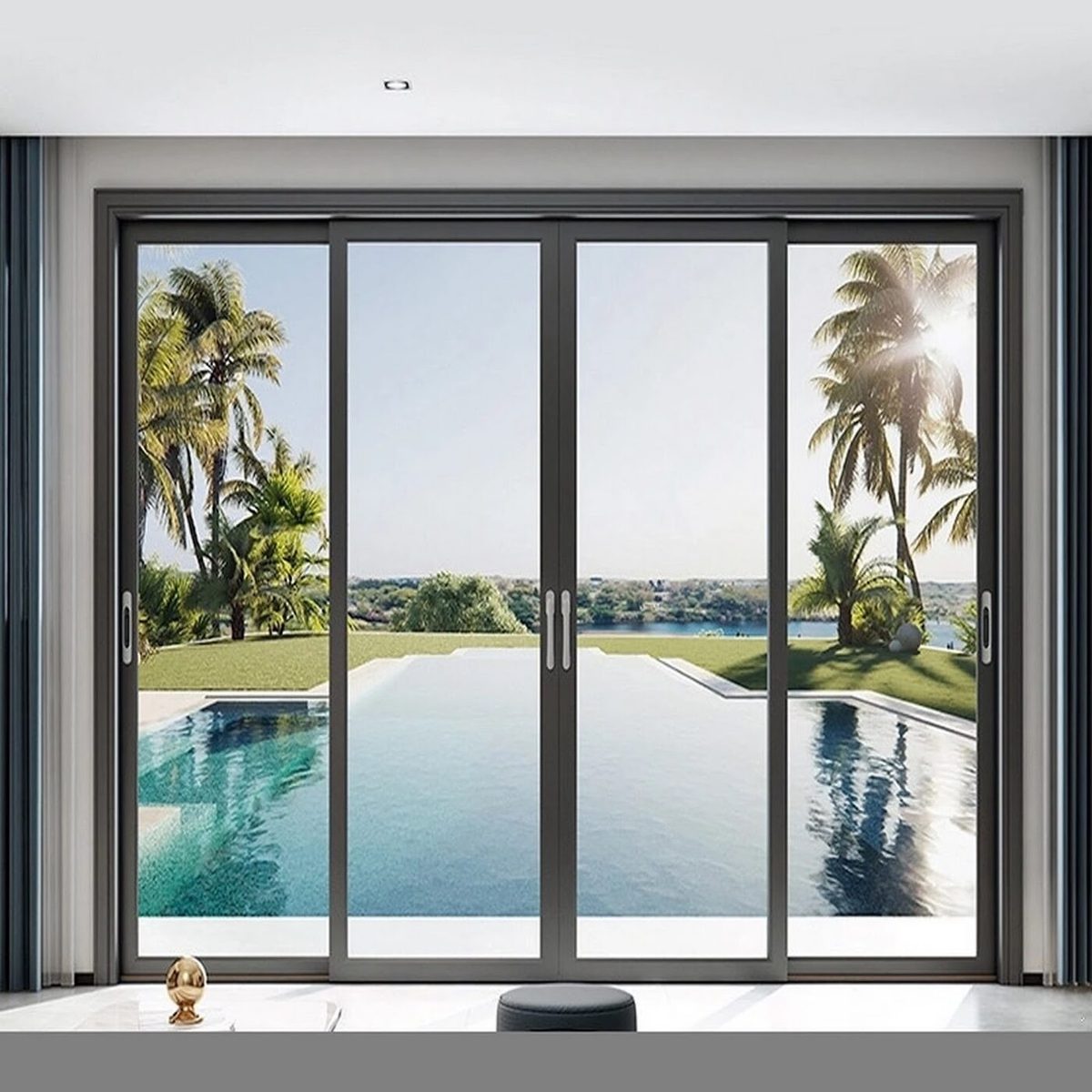
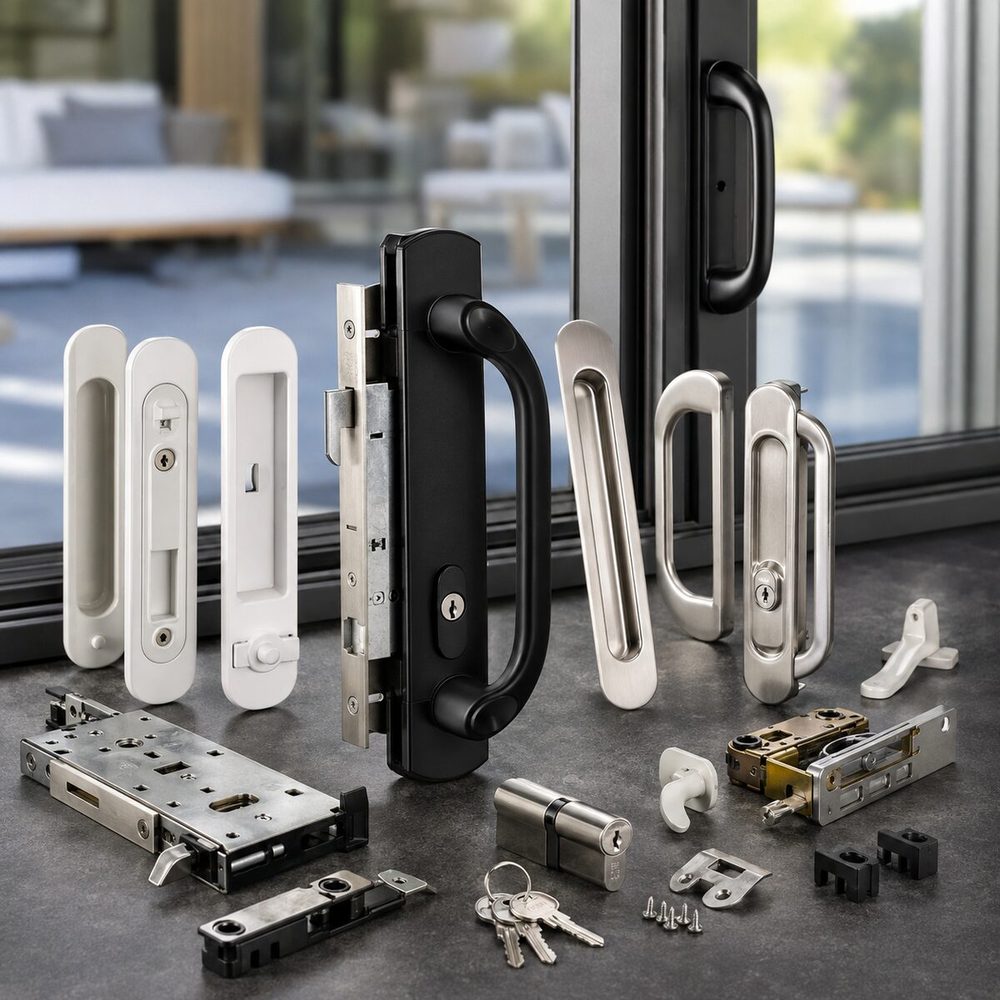
Different door layouts use the same opening in different ways. A two-panel slider often has one stationary side and one active side, while more complex configurations can allow more than one panel to move or stack. Compare usable passage with the room as furnished and the outside landing as it is built. A larger overall unit does not automatically give the passage you expect. Ask the supplier for the opening direction, active panel width, frame depth and clear passage of the specific configuration. That lets you see whether the chosen layout serves daily use as well as fitting the wall and patio.
Record earlier work at the threshold
A rail cover, new flooring or patio work may change the transition. Give the time and which surface was affected.
Conditions at the edge of an opening can affect the work that is possible on the door itself. A new floor can change the clearance around a sill, and a patio surface or exterior trim can affect how water approaches it. Document changes to the surrounding area and show the full opening. A door technician can identify visible signs at the unit. The assessment can also explain when framing, wall or patio work needs a separate evaluation. Agree on who will handle related work and how the finished transition will be checked. It is easier to coordinate while the parts and access requirements are still being planned.
Check the condition of the moving panel
If the glass also rubs or the latch needs lifting, include those symptoms. A fit issue can coexist with a difficult step.
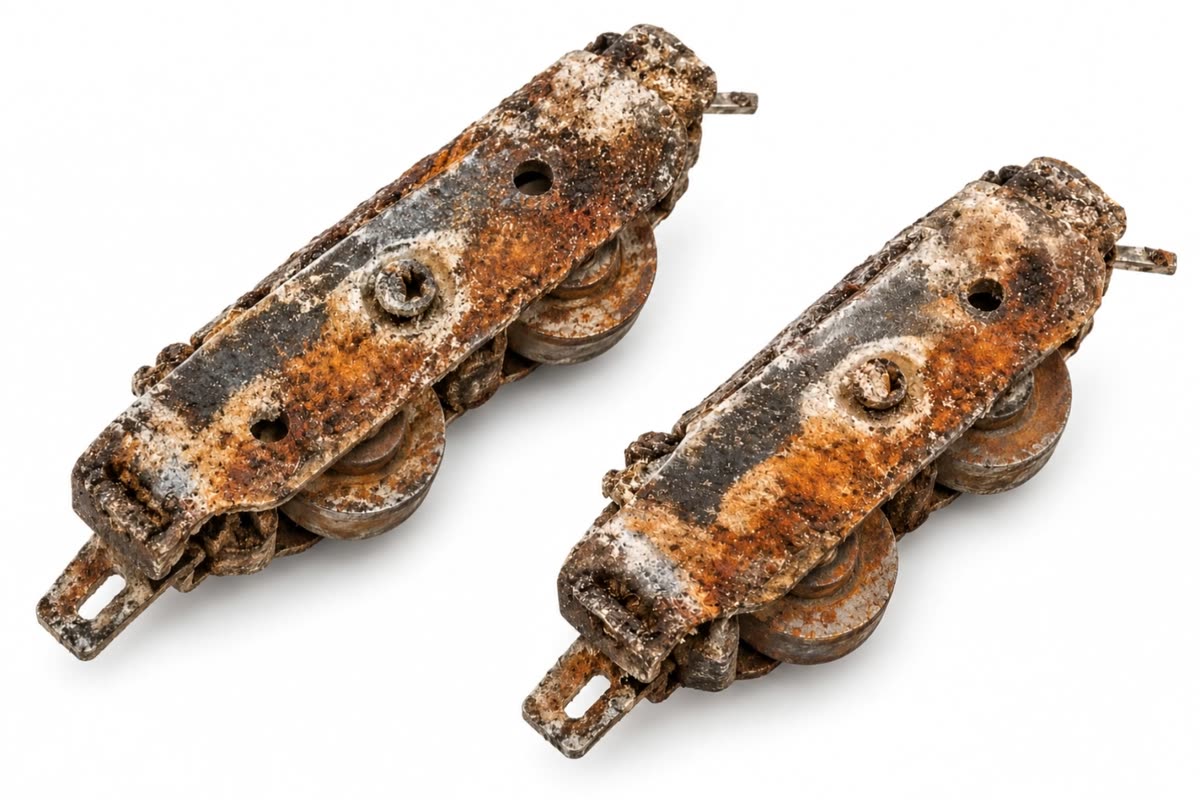
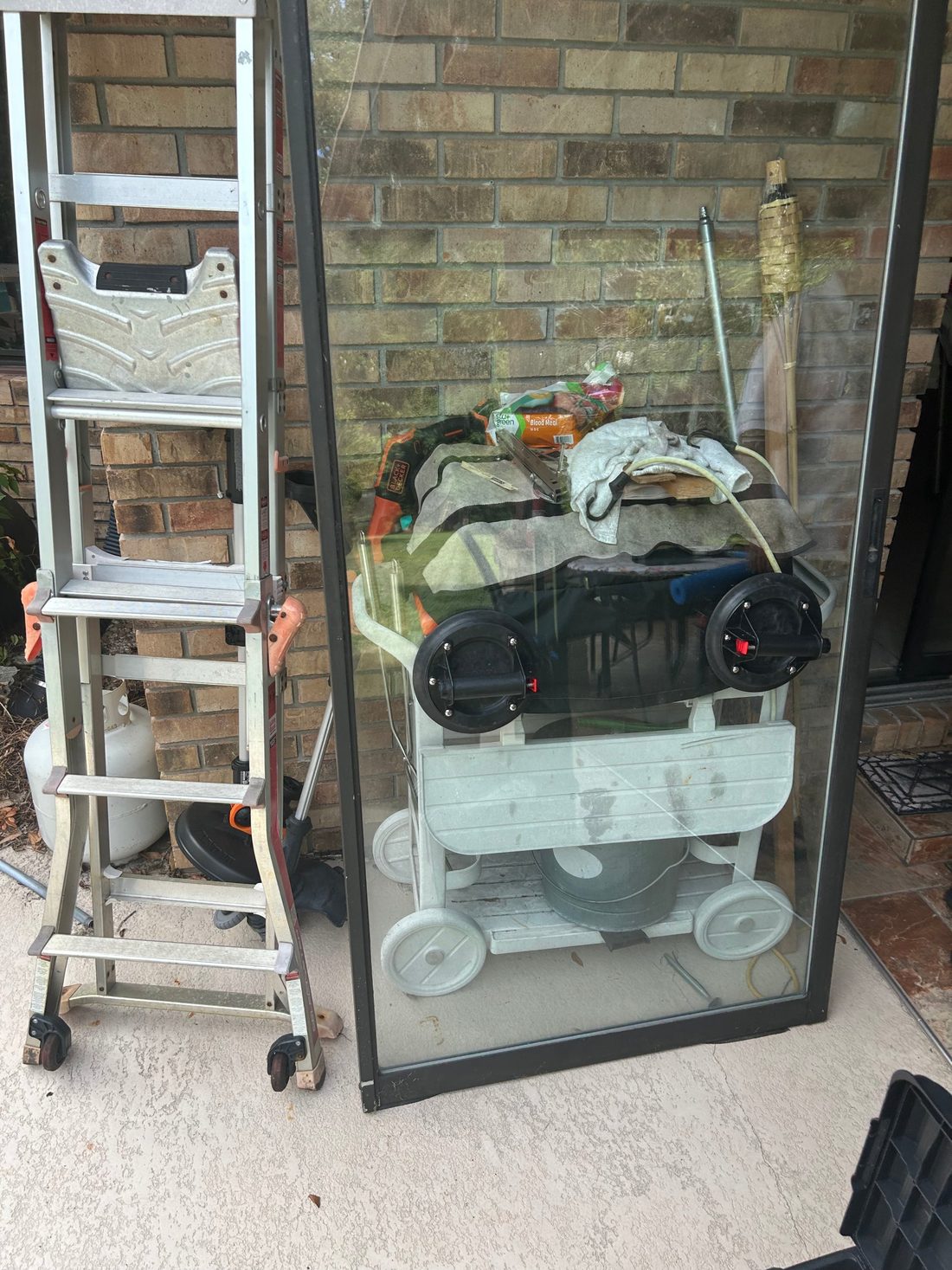
Read the closed panel from both sides of the opening rather than using the handle as a guide. A vertical edge that arrives high at one corner or leaves a small triangular space can be a sign that the panel is sitting unevenly. The inspection should show whether the wheels can be adjusted and hold the position. The actual support and frame condition also matter. Write down what a normal close requires today, such as a lift at the end or additional pressure at one spot. After any adjustment, check the screen clearance and the lock as well as how freely the panel rolls.
Leave sill drainage in the plan
Ask where incidental water is intended to go. A change to the threshold should account for the actual drainage route.
Start with the difference between water the sill is designed to collect and water that crosses the indoor side. The maker's diagram can show where the exterior exit is and which part of the threshold catches water. A past repair, settled patio surface or loose material can alter the observed path. Give the technician a view of the surrounding landing as well as the door. Record any condition after the water has had time to drain, such as a channel that stays full. An assessment can address accessible parts of the door and identify signs that water is reaching the opening from another source.
Consider whether a broader change needs review
If a new opening or altered landing is proposed, ask the local office or property contact what applies. Give the specific address and scope.
Give the local office a description that is specific enough to evaluate. Include the address, type of property, the existing opening and whether the wall, threshold or frame will change. A door repair, a replacement in the original opening and a project to widen that opening can have different requirements. A separate property association may review visible work even when the building department handles the project differently. Keep the reply with the estimate and confirm who is responsible for documentation. Use the applicable jurisdiction for the address rather than a rule from another part of San Diego County or Southern California.
Plan the visit around actual access needs
Tell us if a resident depends on the patio route. Arrange a usable alternative during service where needed and identify the person who can help coordinate.
An occupied property needs a work plan that accounts for who uses the opening. Give the contractor the room name and tell occupants what access is needed and how the opening will be handled. If there are children, animals or residents who rely on the patio route, share those facts when arranging service. Keep the work area clear according to the site plan. For a rental or condo, identify who can approve a change and who can provide access at the appointment. Explain whether the door is currently usable and when it normally sees the most traffic. This helps fit the work to daily use at the property.
Compare the intended result in writing
Ask whether the work covers the threshold, rail, panel fit or surrounding floor. Compare usable passage and finished height where relevant.
When comparing written proposals, separate the stated problem, labor, parts, access and any follow-up. A quote with a clear diagnosis can still depend on what is found when a hidden component is reached. Ask what approval is needed if the scope changes and what the technician expects to show you when finished. Costs can differ because the proposals include different things, such as new wheels and adjustment in one estimate and only cleaning in another. Keep the proposals tied to the same opening and desired outcome. Discuss availability and separate building work as part of the decision rather than assuming they are included.
Verify movement through the opening
Check the panel and latch, then describe how crossing the threshold feels. Raise any remaining difficulty before the scope is closed.
Use the action the occupant performs in daily life as the finish check. Bring the door from rest through the original hard spot and let it reach the closing edge with normal effort. Confirm any seal or gap that was part of the scope. Pay attention to the threshold and how the latch feels if those affect use. Ask what a future change might look or sound like and where to find the care information for the installed part. A demonstration is more useful when it reflects the person and route that originally prompted the call. Give the technician a chance to see any issue that remains.
Local examples in Temecula and Carmel Valley
In Temecula, a homeowner may have a slider that rolls acceptably but a worn transition at the patio. A Carmel Valley door may have a new floor meeting an old sill. In Clairemont Mesa, a rail repair profile could affect how people cross the opening. Each visit should start with the present surface and the movement the household needs.
Questions to ask
Is threshold repair the same thing as track repair?
The running rail supports the wheels. The transition also supports people crossing the opening. An assessment can identify which surface is damaged.
Can I judge access by the total door width?
Check the clear space when the moving panel is open and the transition on both sides. A fixed panel and raised edge both affect actual use.
What information helps if someone has trouble crossing?
Give the part that catches a foot or wheel, photos from both sides and the room's normal route. Mention whether the panel is also hard to operate.
Local service and related pages
Explore Sliding Door Threshold Repair, Sliding Door Panel Adjustment, Sliding Door Installation. Service-area details are available for Temecula, Carmel Valley, Clairemont Mesa. Call 619-389-3123 or send a service request to describe the opening at your property.