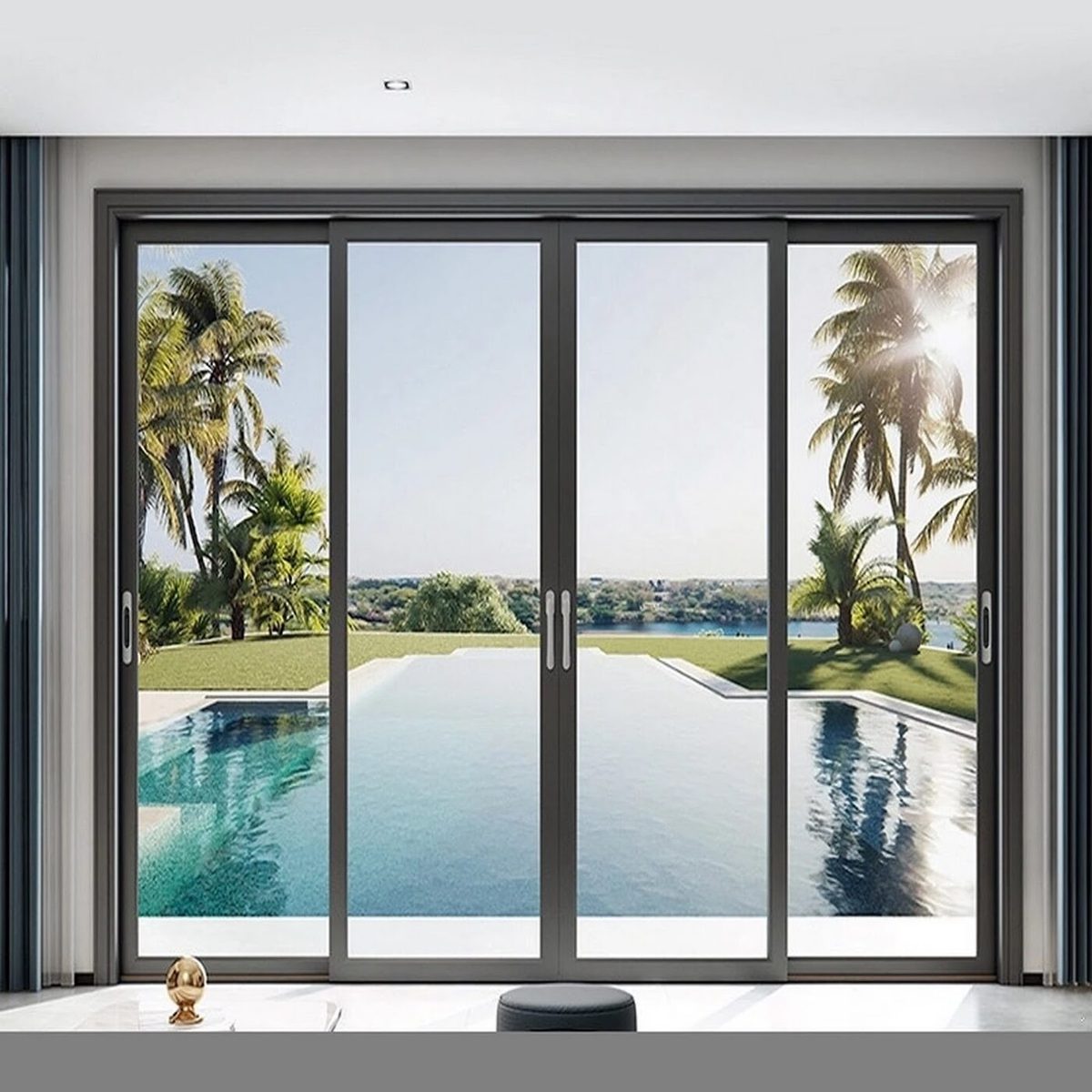

A large glass panel can look similar in a photo whether it slides by hand or opens automatically. The difference changes the observations that matter, the parts involved and how a visit is arranged. Identify who normally moves the door, where the opening is and how it fails during use. Then you can describe the right service instead of guessing from the appearance.
Identify who or what moves the panel
For a hand-operated slider, describe the effort through travel. If it normally opens by itself, say what starts the movement and where it fails.
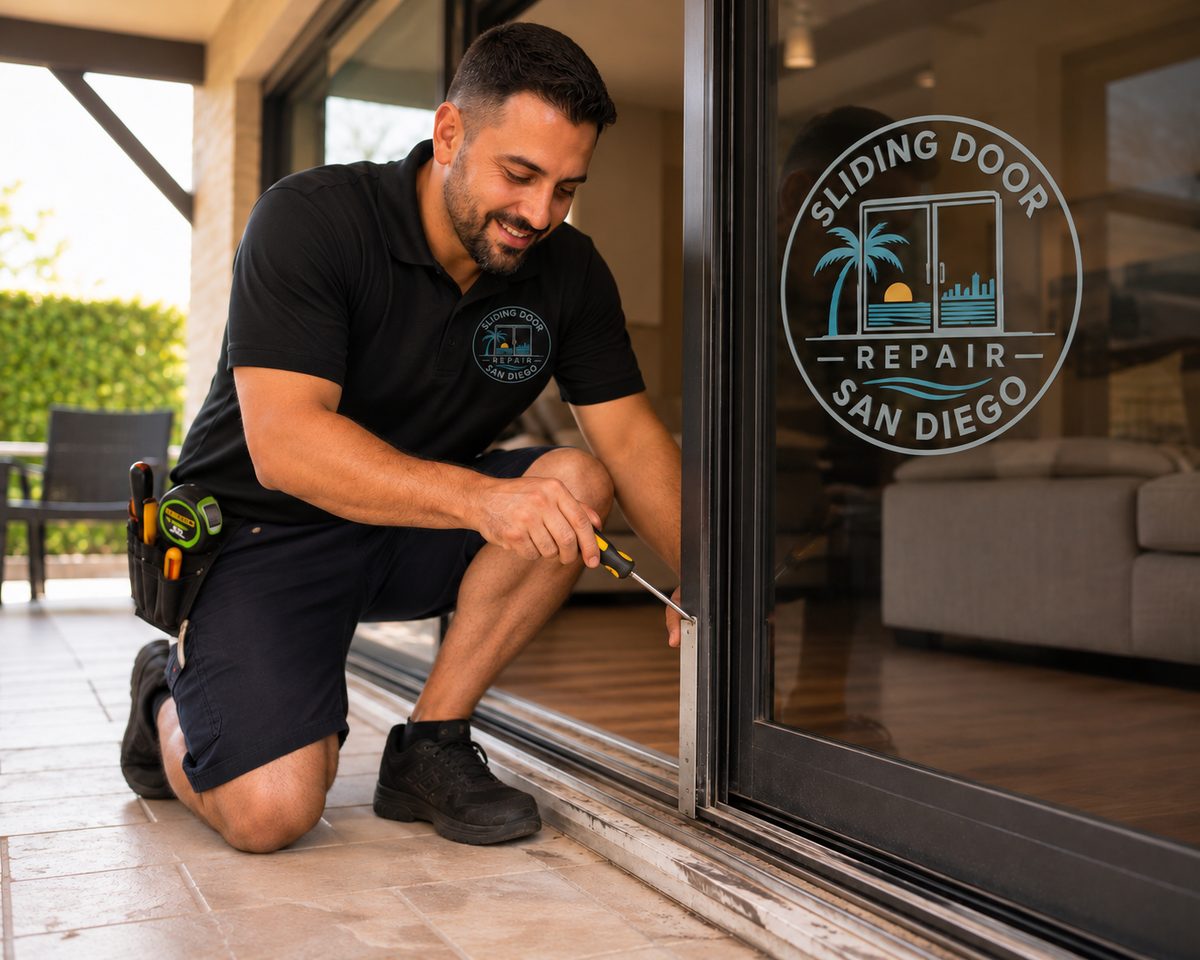
A manual sliding door depends on the person pushing or pulling its panel. The key clues are travel, weight, the rail and how it reaches the latch. A powered automatic entrance adds a different set of components and public operating conditions. Be clear about how the affected unit is supposed to open before requesting a service visit. A glass storefront panel can look like an automatic door in a photo even when it is operated entirely by hand. Ask the property contact which door is used and where it is located. A correct category makes it easier to send the request with the information the technician needs.
Describe a manual commercial opening
A storefront slider can have heavy use and shared access even without a powered operator. Give the site contact, panel and ability to secure it.
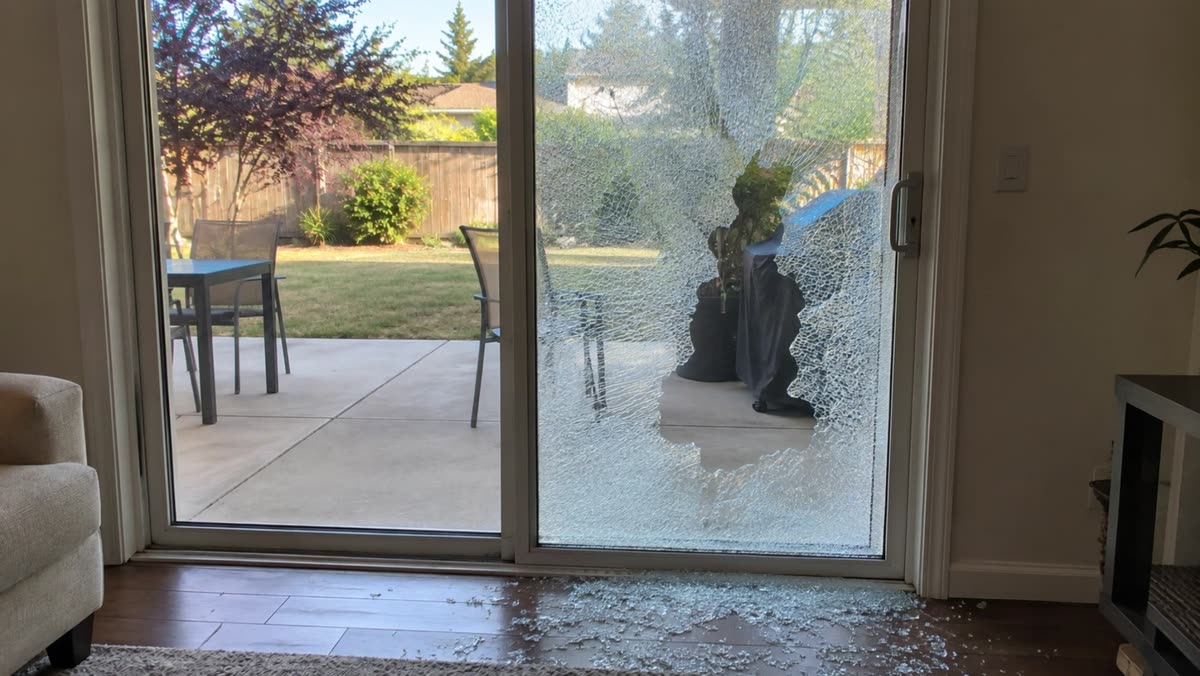
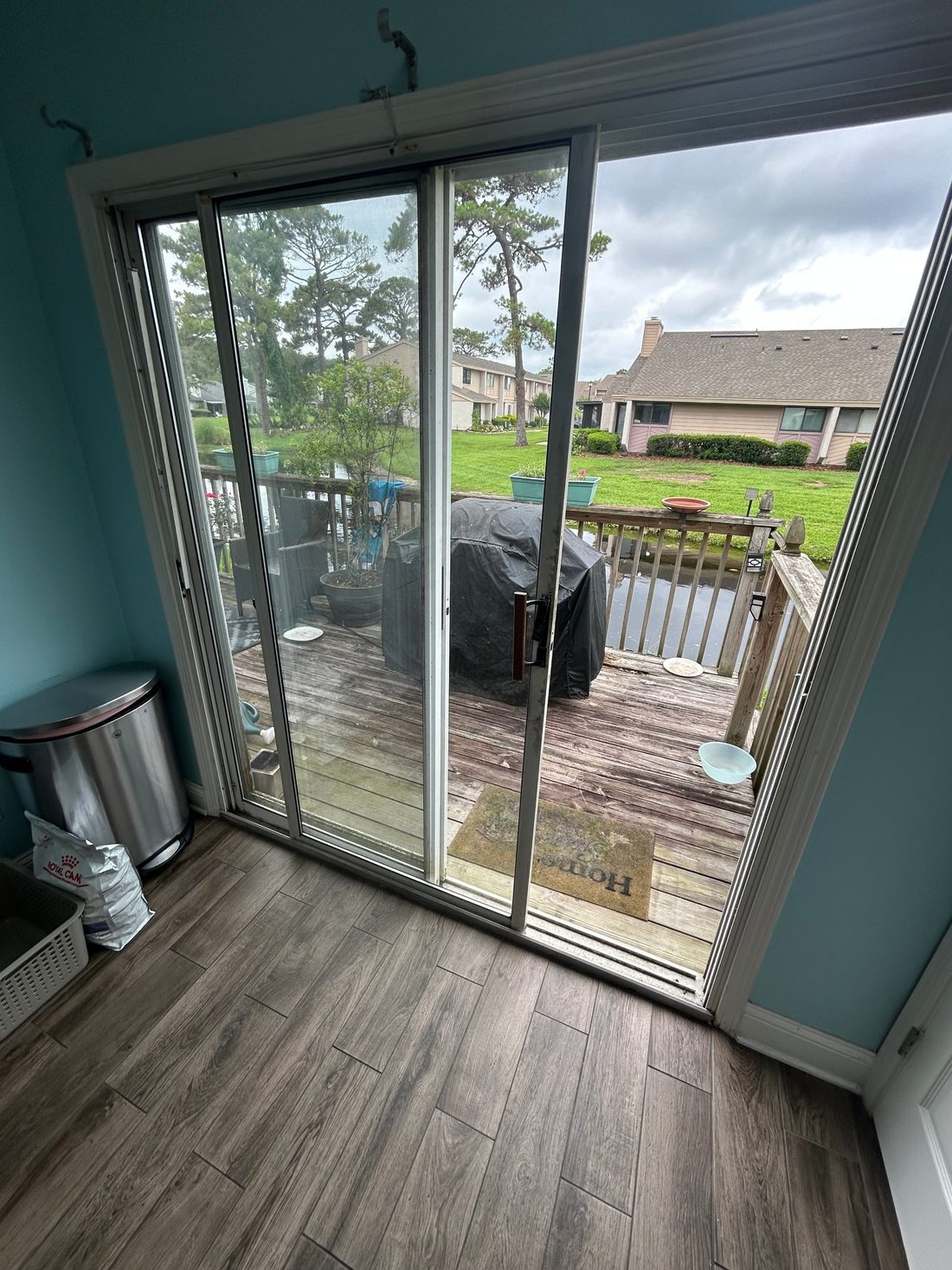
A manual storefront slider and a residential patio slider are both moved by the user, but the site and use can change how service is planned. A public opening may see frequent use, shared access and responsibility split among a tenant, owner and manager. A patio slider may be the household's everyday yard route. Start with how the panel travels, seats and secures, then report who uses the opening and when it can be reached for service. A wider or heavier unit can also need a different handling plan. The technician checks the product and parts for that particular door.
Report a heavy home patio door
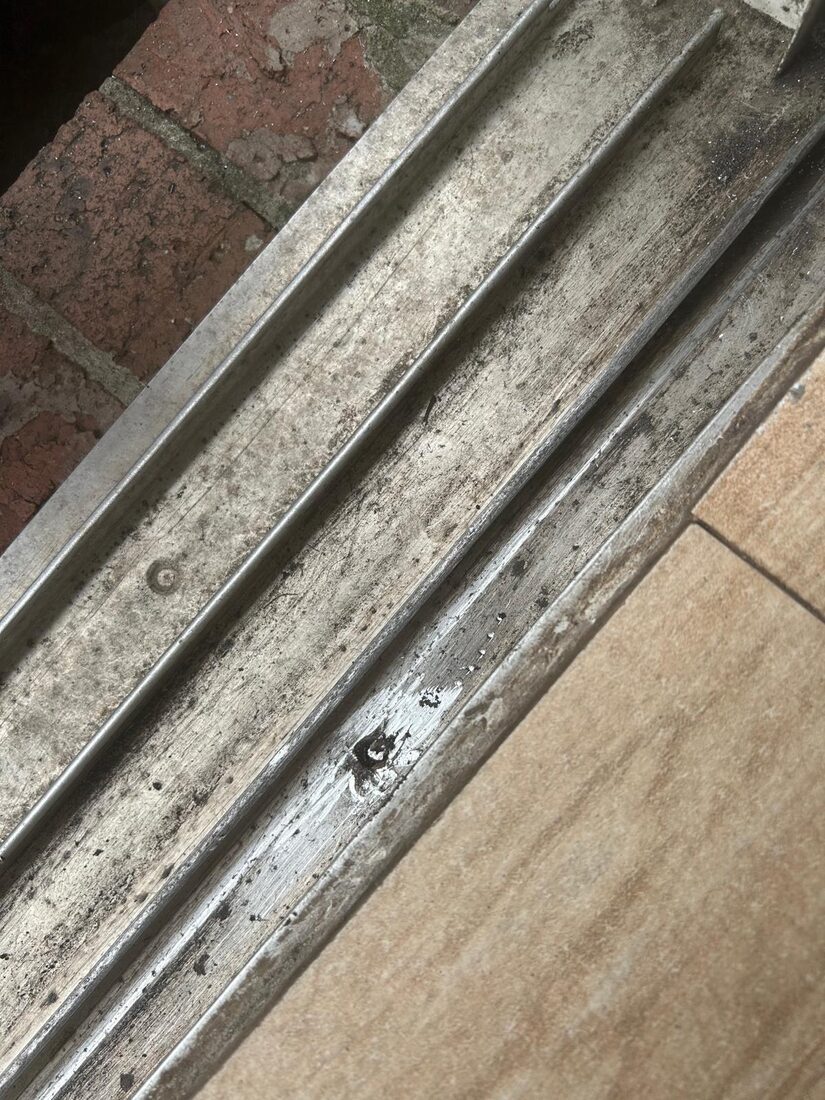
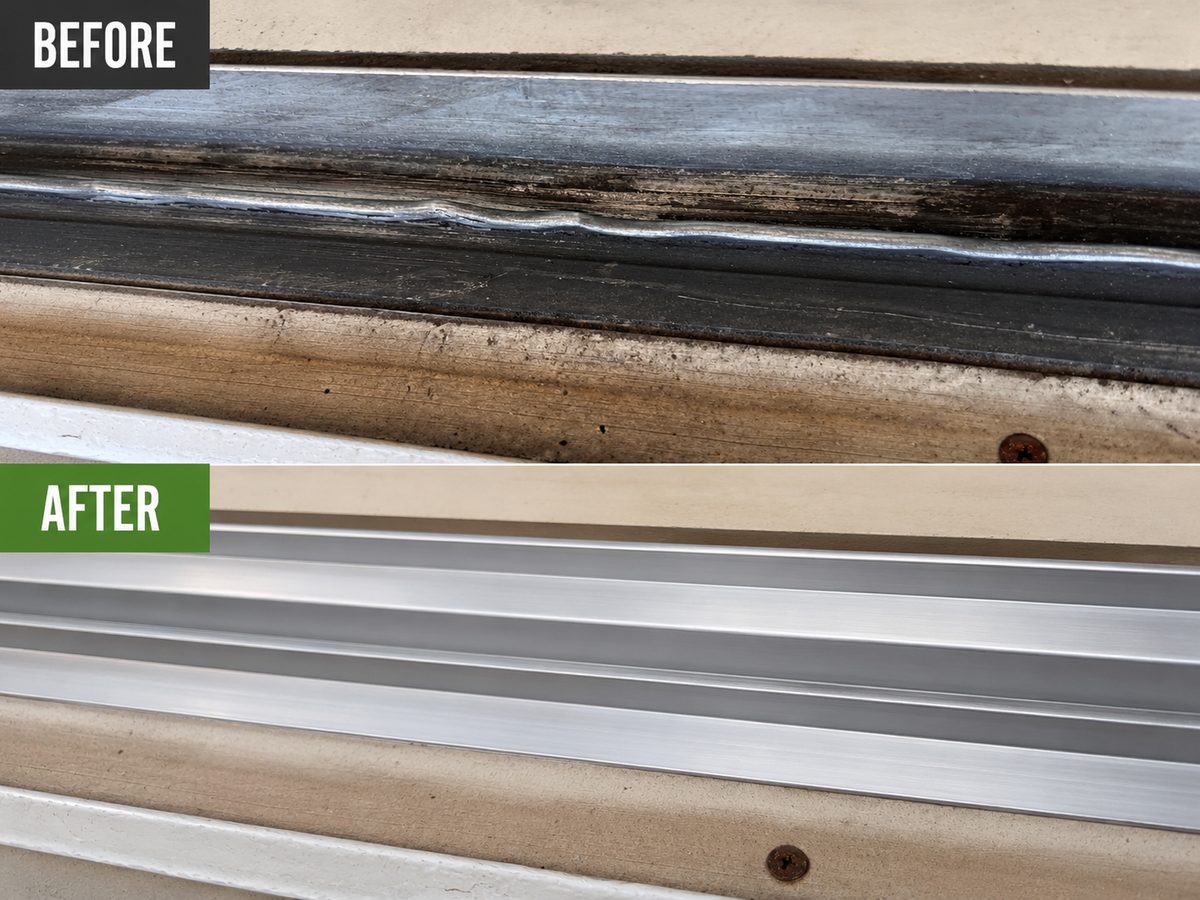
Describe a hard first pull, repeat bump or grinding that follows the panel. Identify the moving side and any earlier wheel or rail repair.
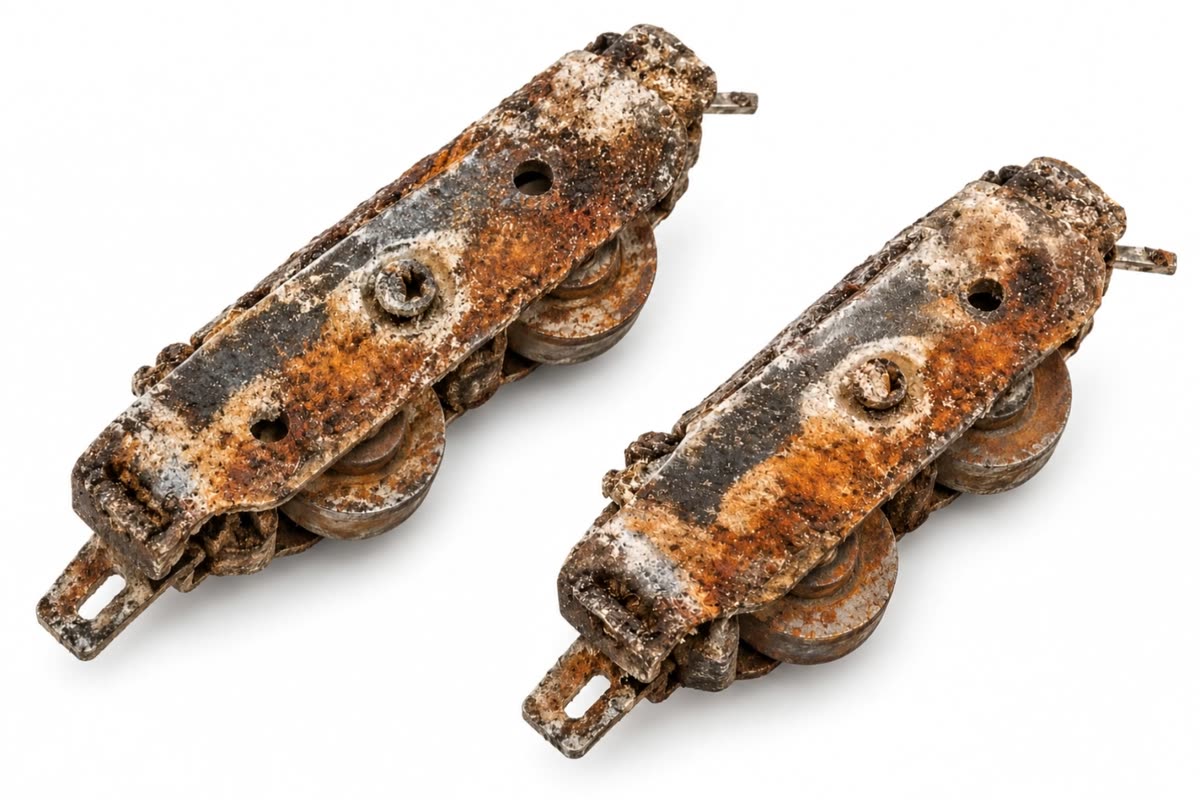
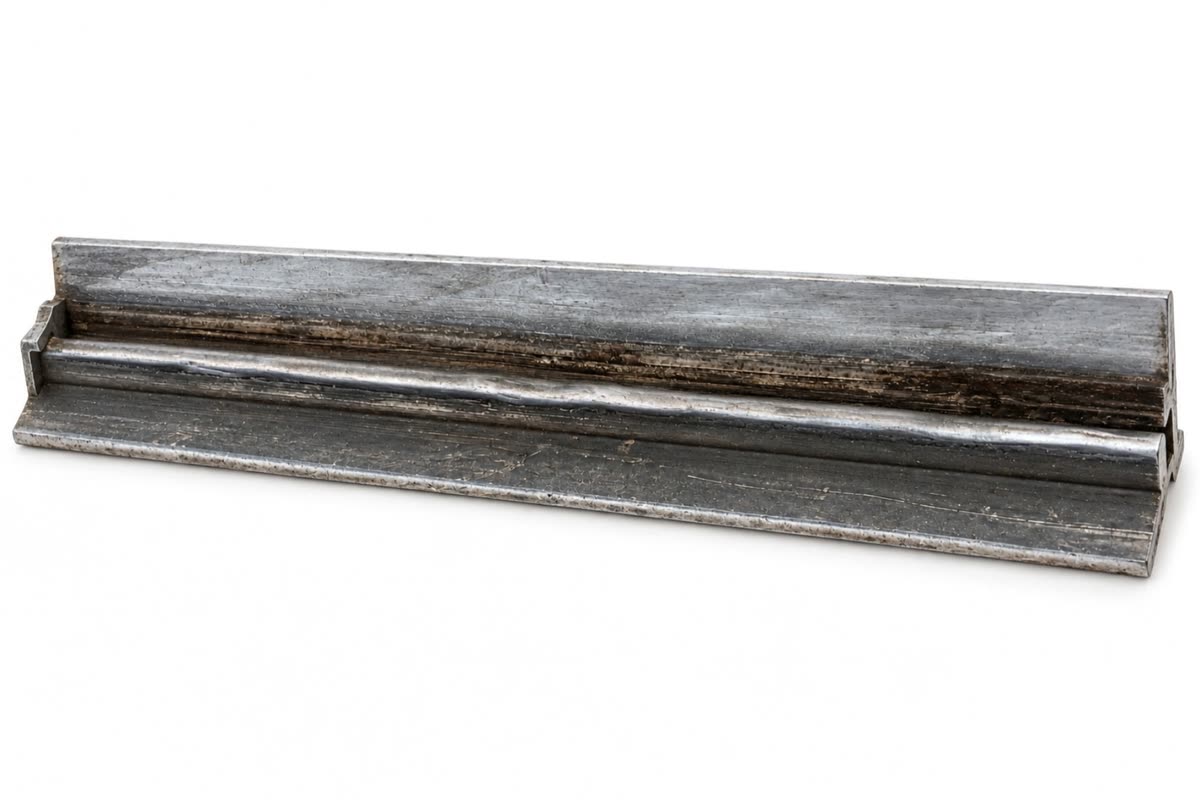
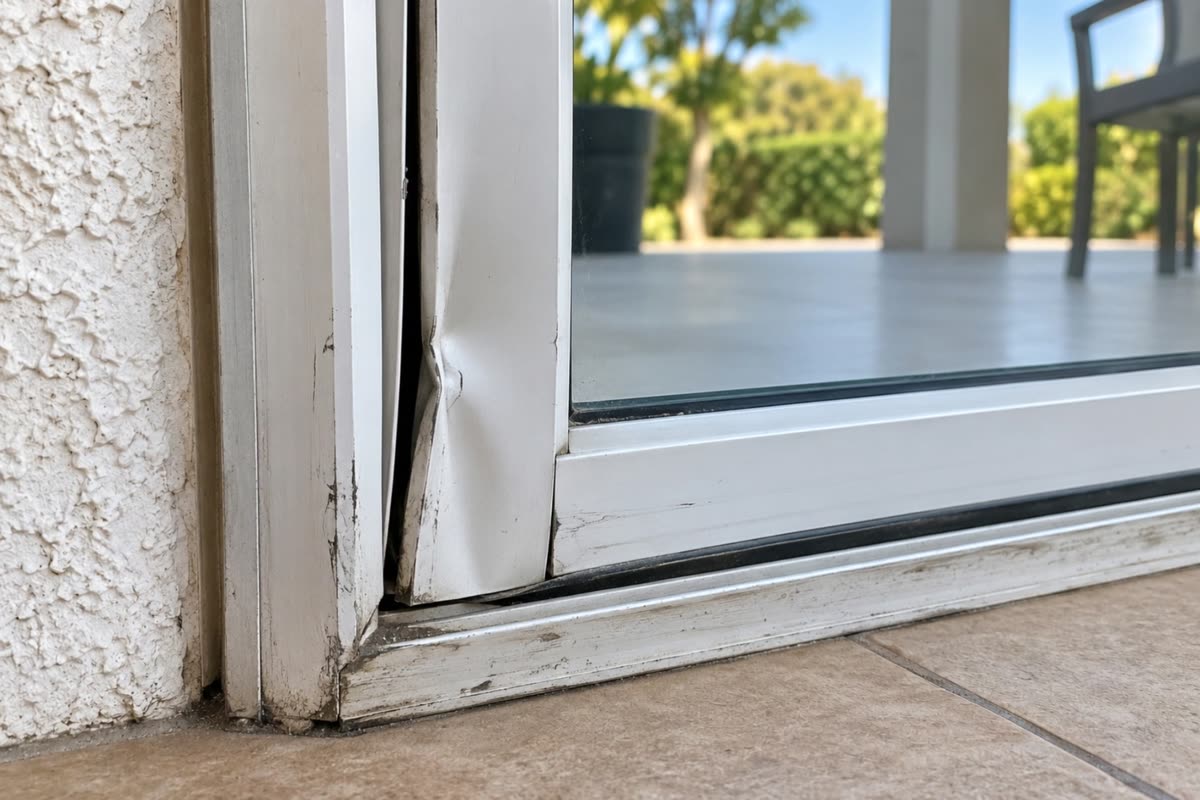
What the homeowner feels at the pull can originate under either end of the moving panel. The rollers are carried in assemblies that have to support the load and fit the panel. A worn bearing can transmit a rough feel through a clean section of track. An uneven wheel can produce repeated movement while it turns. The technician checks both ends because one assembly may still be doing its job. The proposed part also has to match the rail profile and available adjustment range. These checks help explain why replacing a wheel based on the size seen in a photo can leave the travel problem unresolved.
Identify an automatic door's system
Give the exact entrance and visible label when safe. State the normal operating mode and what staff observed before it was restricted.
A service request for a powered entrance should give the door name, how it normally opens and any visible information from the operator or previous maintenance report. That gives the technician a clearer starting point than the statement that the front door is stuck. Note the current mode and who can arrange safe access to the entrance. Follow the building's procedures when the door is restricted and use only information visible without opening equipment. If several doors have similar glass and frames, add the entry location and direction of approach. A site representative can explain the expected normal operation and confirm how the service area will be reached.
Describe powered travel by phase
Use approach, opening, holding and closing terms. Describe which direction people were moving without staging another pass through a faulty entrance.
The sequence of an automatic door provides useful language for a report. Identify whether the failure occurred on approach, at the beginning of opening, while holding open, during closing or after the door reached rest. A camera record that already exists can be useful if the responsible site contact can review it under building policy. Report any visible status indication and whether the event repeats under known conditions. Do not assign a cause simply because it happens in one phase. The phase helps a technician decide where to begin, including the operator, detection, controls and moving panel. An exact entrance name is essential at a site with several automatic doors.
Consider closing and security separately
For a manual door that moves but fails to secure, describe whether the latch misses its keeper or the lever fails to move it.
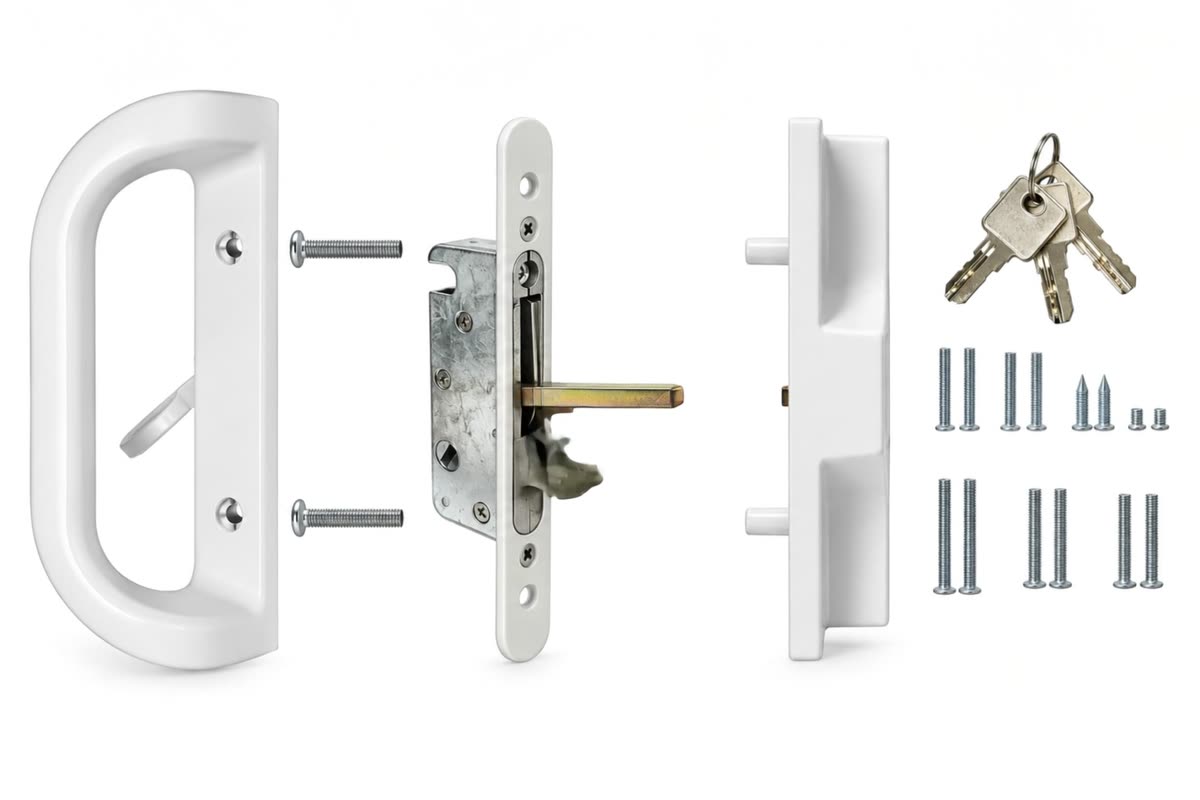
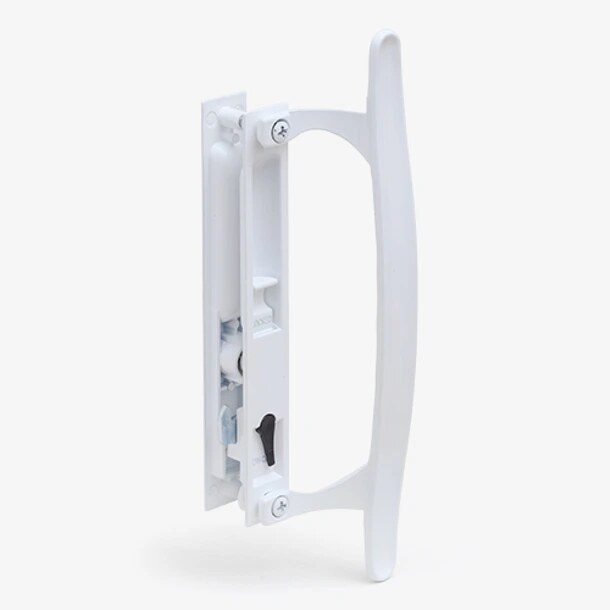
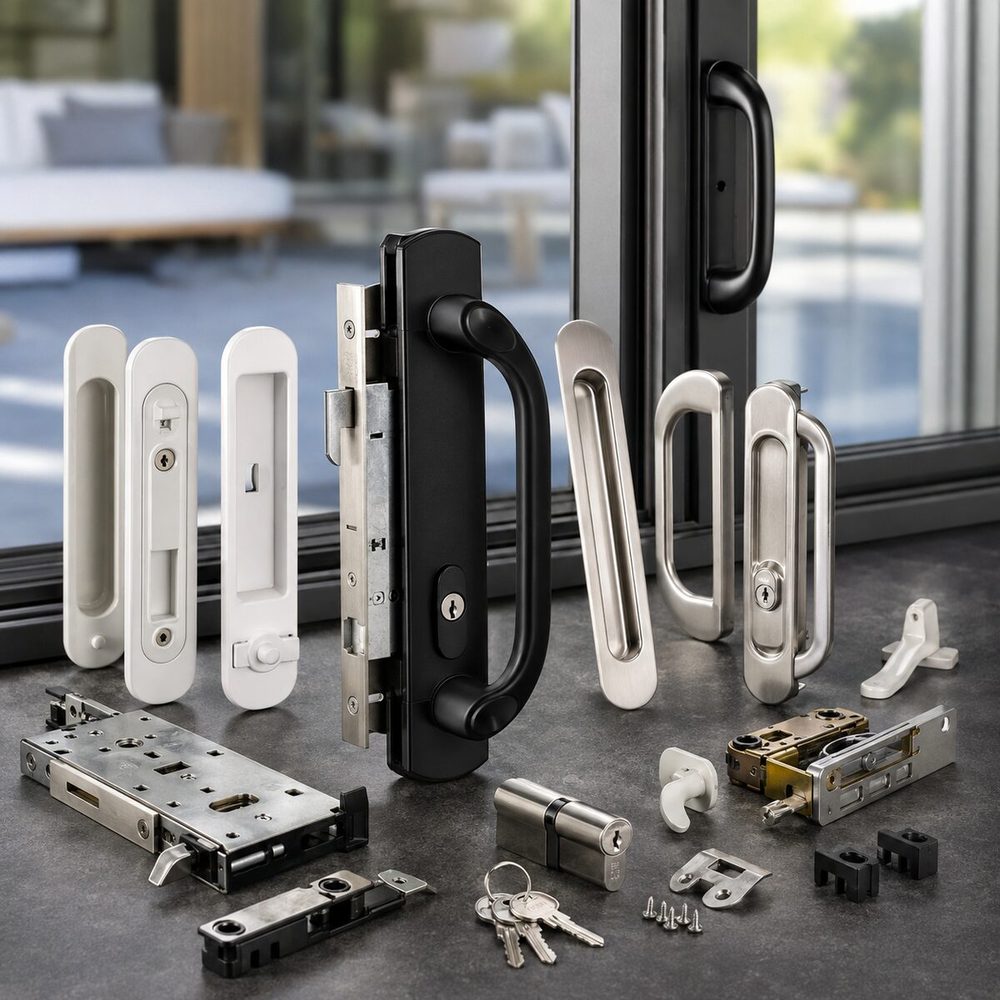
Most sliding door locks rely on the panel meeting a keeper at the correct height and depth. A latch that turns normally with the panel open but misses when closed often leads to an alignment check. A lever that spins or feels disconnected leads toward the link between handle and lock or the mechanism itself. Look at the relation of those parts without repeatedly forcing the lever. Ask what changed and which component is actually worn. After service, use ordinary closing force and confirm that engagement is clear. Mention if the latch issue leaves the opening unsecure or the patio route needed by occupants cannot be used.
Account for the role of the doorway
Explain who uses it and why. A household patio route and a commercial public approach have different operating and coordination needs.
The job of the door affects what should be tested at the end. A household may need a panel that can be moved with ordinary effort by the people living there. A business may need predictable entrance operation through different traffic conditions, with a site representative who can confirm the return to use. Identify the user, direction of travel and goal before approving work. For a public entrance, apply the operating, accessibility and safety procedures for the building. A service scope can then describe both the parts that were worked on and the normal use the finished opening should support.
Report any route affected by the failure
At a commercial site, follow the approved alternate-route plan. Tell the technician which entrance is usable while the affected one is being evaluated.
If an entrance is being kept out of public use, give visitors instructions before they reach the closed area. Make the path from parking and from inside clear and ask the building contact to confirm suitability for the people who normally use the door. Share the arrangement with the people who answer calls or greet visitors. A repair appointment can be planned around that route if the technician is told where to enter and where work will be staged. Recheck the signs and staff directions if another visit is required. Keep the contact responsible for opening and closing the temporary arrangement in the service notes.
Share access and building responsibility
Use a room or entrance identifier, plus the person who can meet the technician. Include any gate, reservation or loading procedure.
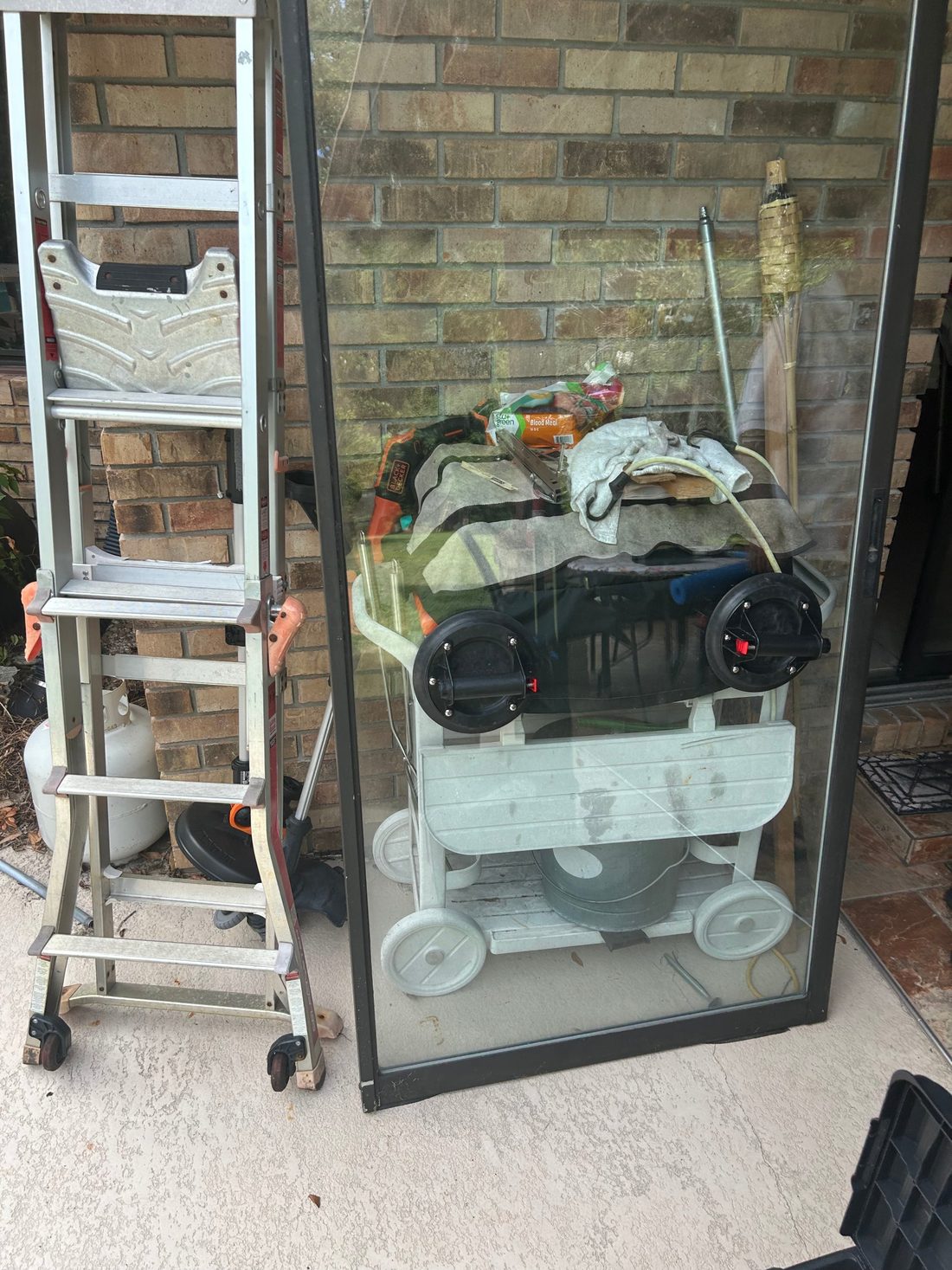
Start at the street or lobby and picture the actual path to the affected door. Give the floor and room, the person who can arrange entry and any place where a large panel would have to turn. A gate code alone does not show whether the exterior is reachable or how the work can be staged. Share that information early if a heavy unit needs to be supported. For a business, identify the authorized service approach that avoids any closed public entrance. For a house, say which side of the opening is usable and whether a resident will be there to meet the technician.
Request a scope matched to the door
Ask for the parts and checks relevant to the opening. A home rail repair and a commercial operator evaluation should each have a clear outcome.
Compare proposals by the work they actually cover. Mark the door, the observed condition, the part or assembly and the test at the end. If one proposal assumes the frame can be reused and another includes a new unit, ask both providers what they observed about the frame. Confirm how approvals, access and a possible second visit are handled. Check whether the price includes the finishing work relevant to your opening. A useful comparison makes the assumptions visible and gives you an opportunity to decide what matters. Keep the written scope with the product data and any separate requirements from the property.
Keep results with the correct opening
Write down which door was serviced, who approved it and whether any follow-up remains. Keep a copy where the next occupant or staff member can find it.
Document the condition of the opening after the visit while it is fresh. Include what was serviced, which components remained in place, and whether the door traveled, closed and latched in ordinary use. If a second visit is needed, capture the part or approval required and who is responsible for arranging access. Keep a short care note from the product instructions. This is especially helpful for a rental or commercial site where the person reporting the issue is different from the person who approved the work. A clear handoff prevents a follow-up call from starting with the same unanswered questions about the opening.
Local examples in National City and Mission Valley
A National City business can have a powered entrance and a manual slider in another part of the property. A Mission Valley condo door can be heavy even though it is completely hand-operated. A San Diego service request should name the exact opening and mode before listing the symptom. This avoids sending a home hardware request under the same label as a public entrance fault.
Questions to ask
Can I tell the operating mode from the handle?
A handle or similar glass frame is only one clue. Ask the property contact how the door is intended to open and give that information to the repair service.
Do all commercial sliders have sensors?
Only the features of the actual system determine which equipment is present. Describe whether the door moves under power and provide the product details if available.
What should a manual door report include?
Give the affected panel, where it catches, whether it latches and the normal route to reach the opening.
Local service and related pages
Explore Commercial Automatic Sliding Door Repair, Sliding Glass Door Repair, Sliding Door Lock Repair. Service-area details are available for National City, Mission Valley, San Diego. Call 619-389-3123 or send a service request to describe the opening at your property.