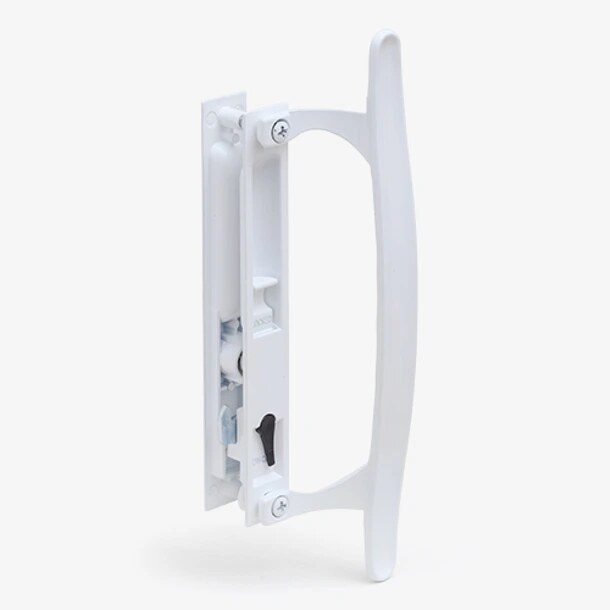
A sliding door handle may wobble a little for a long time, then pull away just when someone needs to open the patio. The replacement has to do more than resemble the old one. It needs a sound mounting surface, the right connection to the latch and enough clearance beside the screen or frame. The effort required to move the door also matters, especially if a stiff panel put extra strain on the original pull.
Describe which part is moving
Watch from the room while the panel is still. Say whether the base shifts against the frame, the pull has broken or the thumb lever has play.
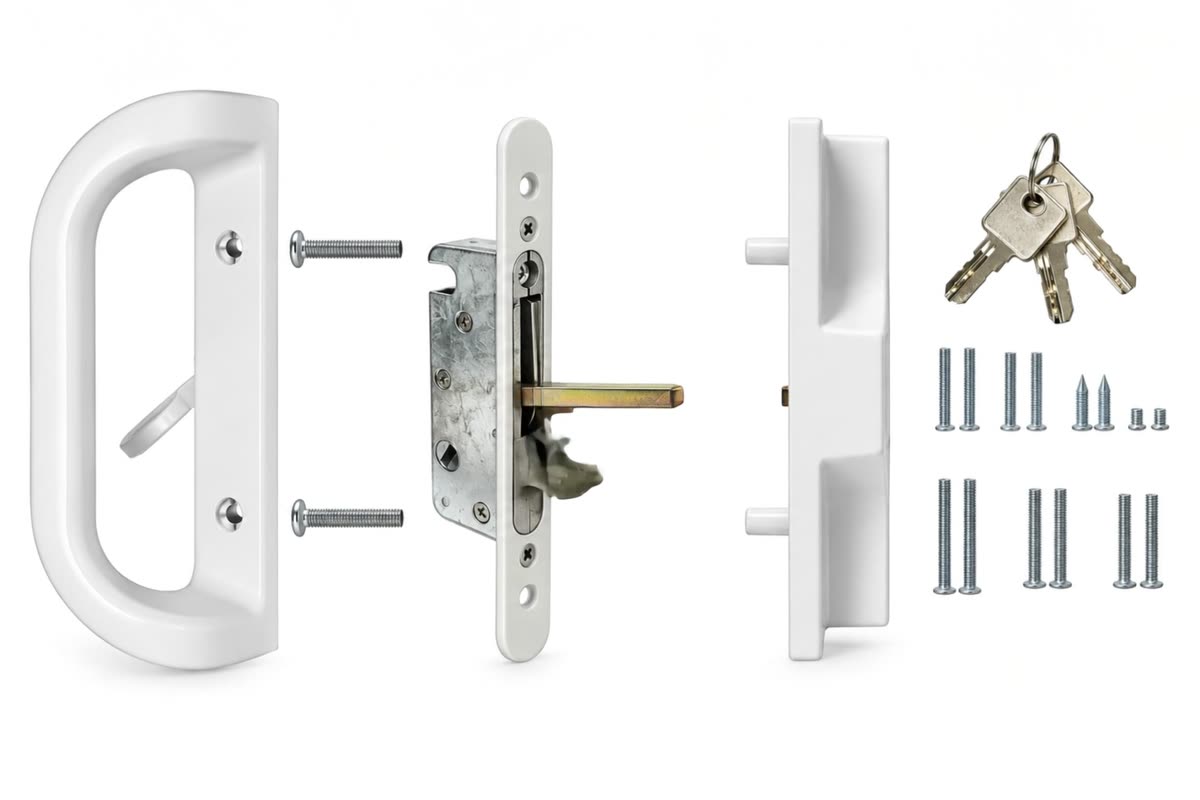
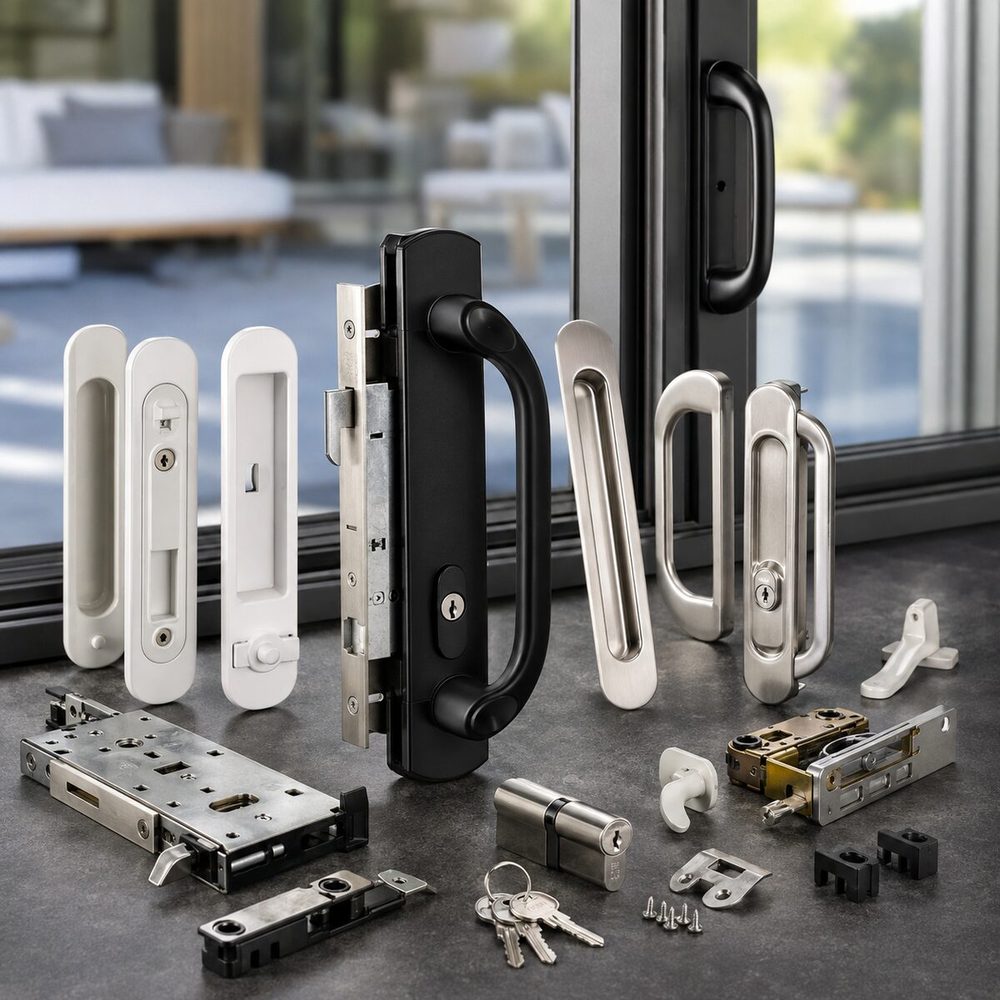
Try to identify the failed connection in the handle assembly. The pull may no longer sit firmly on the panel, the thumb lever may have lost its connection to the lock, or the outside piece may interfere with a neighboring frame. A photo of the shape alone usually misses one of those details. Give a view of the attachment, closing edge and gap to the screen where those parts are accessible. Before fitting another handle, ask how the panel moved before the failure. That helps account for the load that loosened the original screws or mounting face. A compatible part has to stay in place during ordinary use.
Identify what the lever operates
If the lever turns without the latch moving, describe the point at which the connection seems to fail. A replacement pull and a compatible lock body are separate items to identify.
A lock inspection can start with two questions. Can the mechanism operate at all, and can it reach its receiving piece when the panel is fully closed? A worn lever or internal part can fail even with the panel positioned correctly. A jamb, wheel or frame issue can create a similar complaint when the latch never lines up. A report that includes the width of the closing gap in words and the motion of the lever helps separate the two. Ask whether the repair changes the latch, keeper or panel position. Confirm what counts as fully latched for the actual hardware after the work.
Report the effort before the handle failed
If the slider became difficult to get started before the pull loosened, include that timeline. The new hardware will see the same load unless the travel issue is addressed.
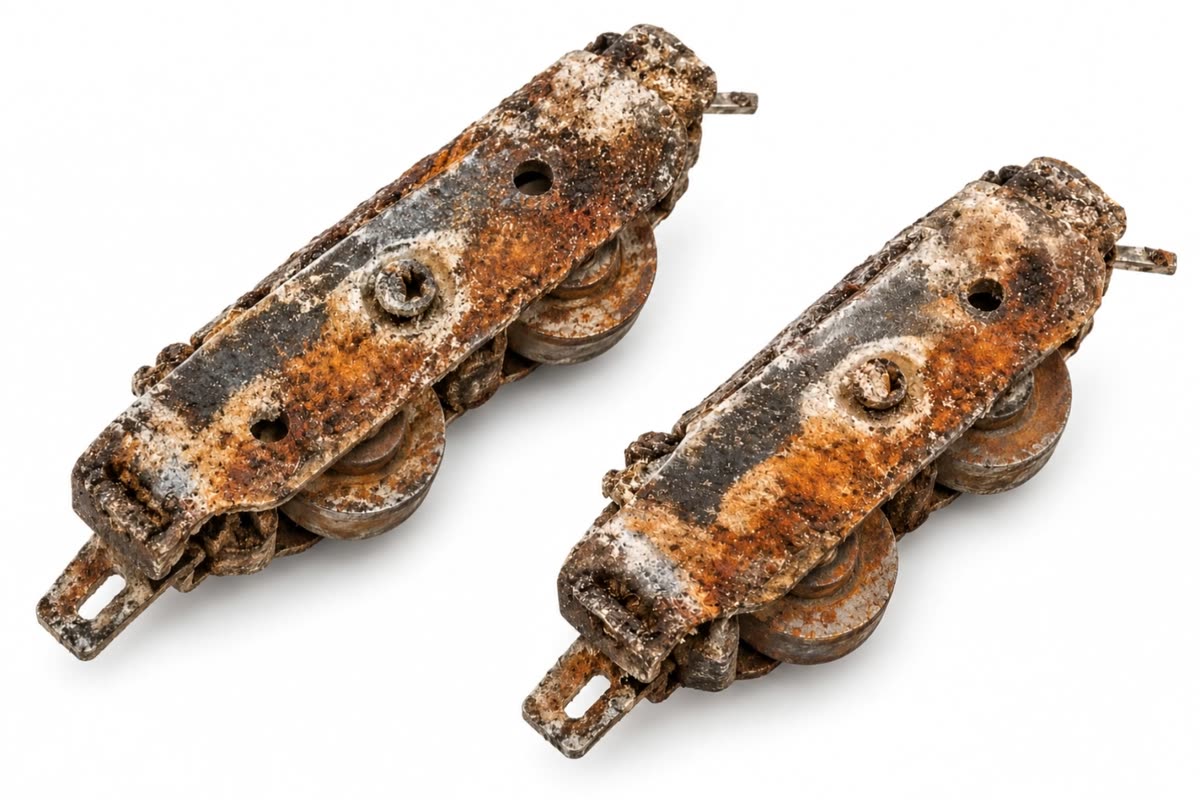
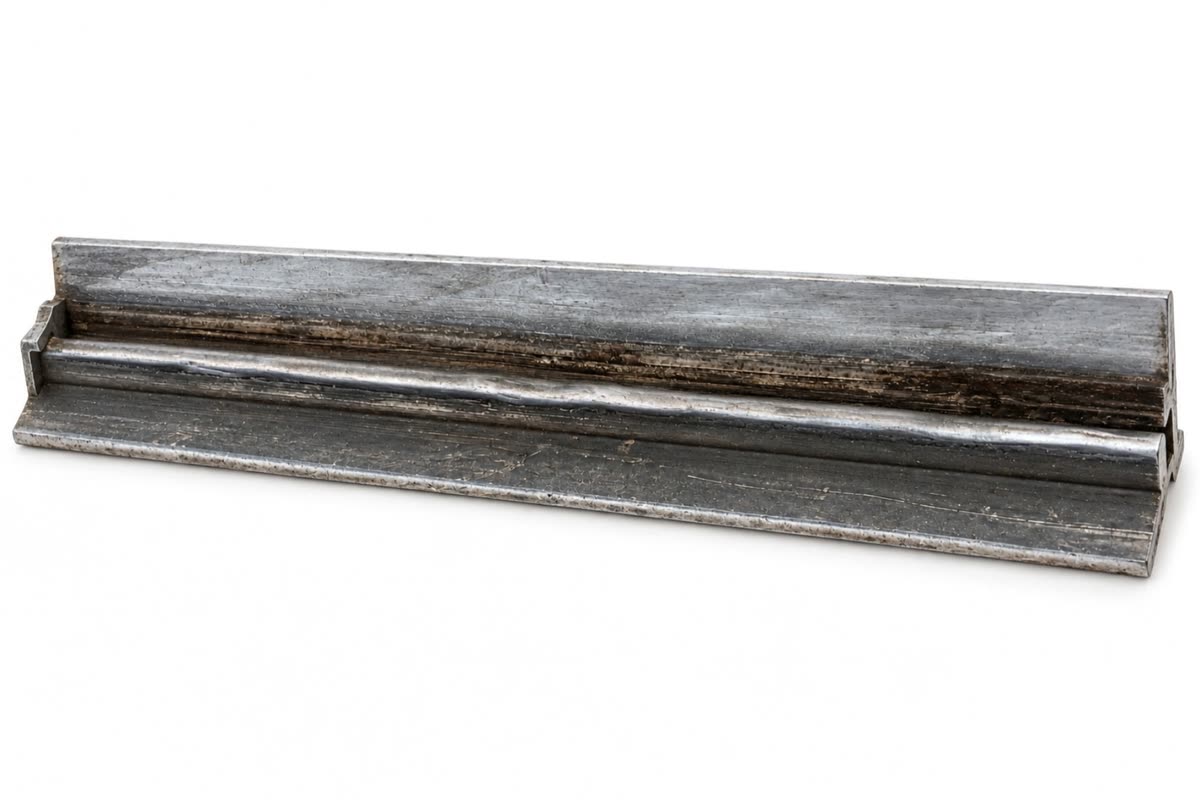
What the homeowner feels at the pull can originate under either end of the moving panel. The rollers are carried in assemblies that have to support the load and fit the panel. A worn bearing can transmit a rough feel through a clean section of track. An uneven wheel can produce repeated movement while it turns. The technician checks both ends because one assembly may still be doing its job. The proposed part also has to match the rail profile and available adjustment range. These checks help explain why replacing a wheel based on the size seen in a photo can leave the travel problem unresolved.
Check screen and jamb clearance
Photograph both handles where the panels meet. A pull that projects farther than the original may catch an adjacent frame or leave less space to use the screen.
Give each moving part its own identity before a technician looks at the opening. On a typical two-part patio setup, the screen sits outside the active glass panel and has a separate guide path. A handhold or projecting corner can bring them into contact as they pass even when each travels freely by itself. Photograph their positions from the room and tell us where the sound happens relative to the closed end. If either part appears unstable, leave it still. A service request can describe how the screen and glass interact while keeping any difficulty with the glass lock or rail in its own line.
Get both sides of the hardware in view
Take a full inside shot, a latch-edge photo and an outside view only if safely accessible. A readable mark or original paperwork is more useful than a guess at the brand.
Use the clearest record you already have. The manufacturer's product name, a glass mark and an invoice can each identify a different part of the opening. Write down where you saw the detail. A label on a handle may identify only that hardware, while a door serial number can identify the original frame series. Keep a wide photo with the information so a technician can match the record to the right opening. If a previous owner changed the glass or wheels, bring the paperwork if available. A verified measurement or fitting check should still be part of selecting a component for the actual door.
Talk about finish without losing the fit
If neighboring doors share a visible handle finish, include a photo of the match. Check mounting points and lock connection even when the color looks right.
A door can be structurally suitable for a repair while the owner or association has a preference about the exterior appearance. Finish, frame profile, glass color, grids and reflection are all details a neighboring unit may make noticeable. Ask which details need to match and document them in daylight if possible. An old photo, product label or description of another panel can help. Appearance does not establish part compatibility or glass safety, so the proposed material still needs to fit the opening and intended use. For a building approval, ask for a description of what will change and what remains visible after the work.
Look at what makes the latch align
A tenant may use a handle to lift the door at every close. Tell us if the replacement needs to address hardware wear as well as a lowered panel.
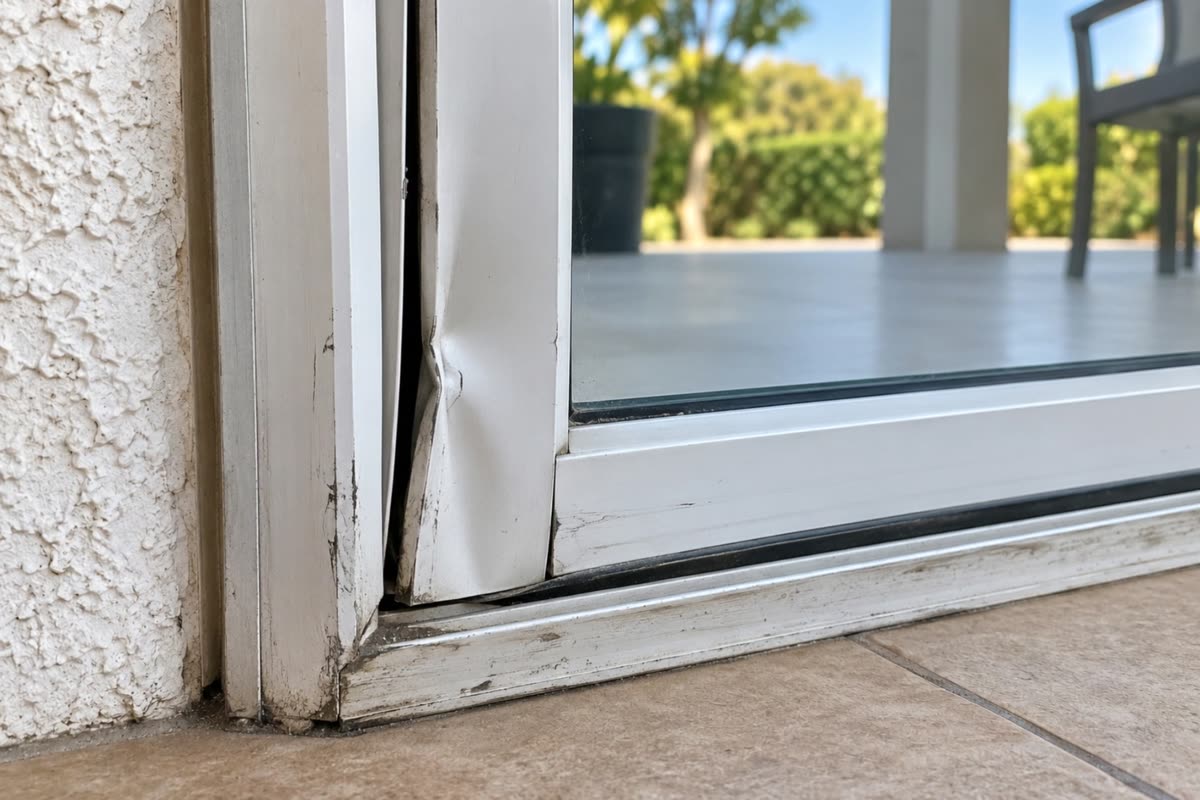
Read the closed panel from both sides of the opening rather than using the handle as a guide. A vertical edge that arrives high at one corner or leaves a small triangular space can be a sign that the panel is sitting unevenly. The inspection should show whether the wheels can be adjusted and hold the position. The actual support and frame condition also matter. Write down what a normal close requires today, such as a lift at the end or additional pressure at one spot. After any adjustment, check the screen clearance and the lock as well as how freely the panel rolls.
Ask what the building will approve
For an association or rental, share whether an exterior finish change needs written approval. Give the person who can confirm the part and schedule access.
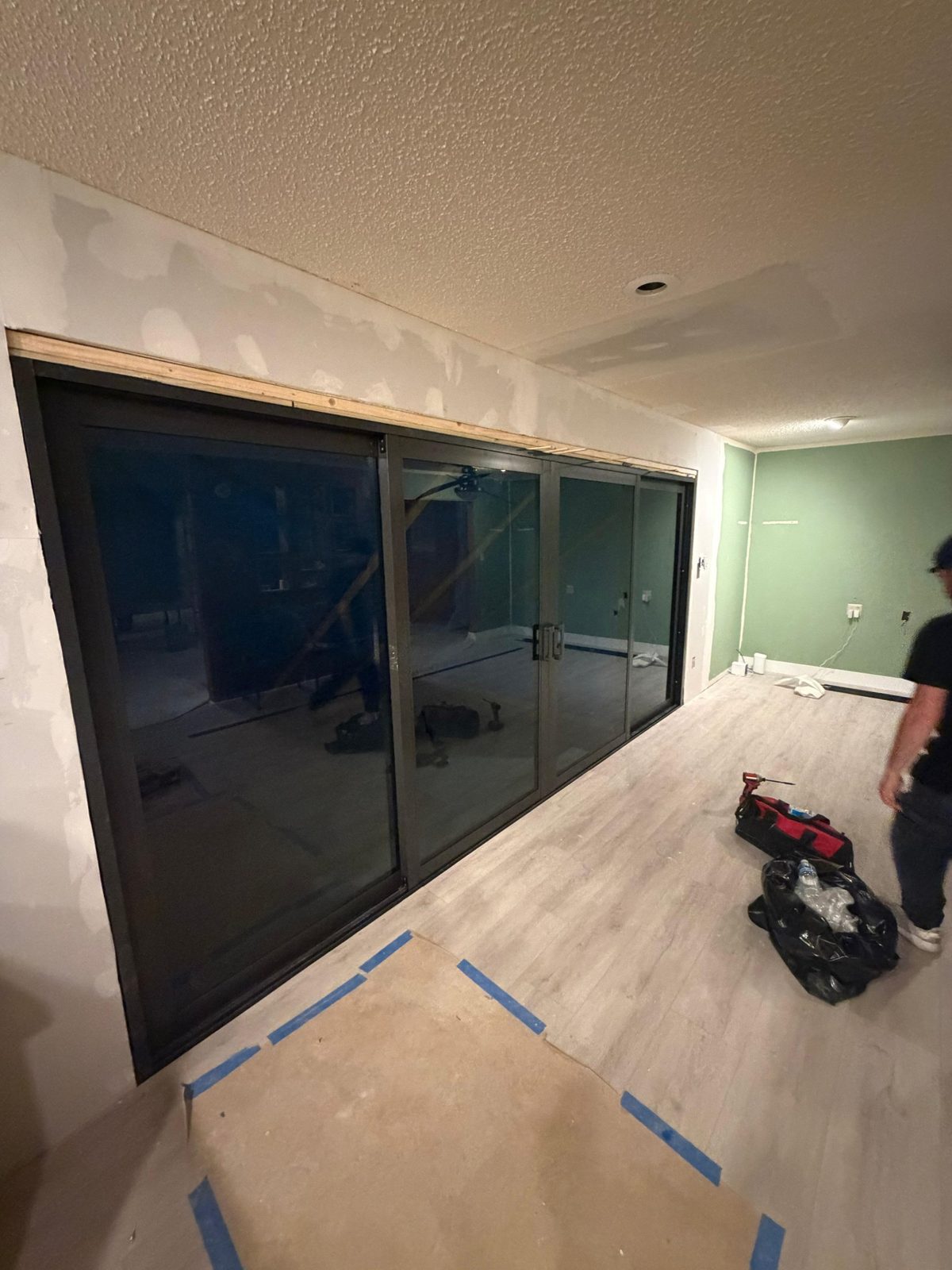
Written building procedures help answer practical questions before a visit. Ask who may approve parts, whether a visible finish requires review, when work can occur and how equipment enters the site. Apply the procedure to the actual scope. A small interior component change and a full replacement may have different consequences for exterior appearance or common access. Keep the response with the request so the technician and property contact are working from the same information. If approval remains pending, the scope of the first visit can be an assessment that documents the opening and proposed options for the decision maker.
Get the scope for a sound attachment
Ask whether the old mounting holes or panel face are damaged and how the handle will be supported. Confirm what happens if the original hardware is unavailable.
Keep the question about cause separate from the question about work. Ask the technician to show the affected surface, mechanism or opening first. Then have the proposal describe what will be adjusted, repaired or ordered and how the result will be verified. That allows a household or property manager to review the same problem even when two providers propose different paths. If availability or conditions around the frame could change the plan, ask how the decision will be made. A short follow-up note identifying the part, relevant contact and next visit can be useful when the solution cannot be completed that day.
Use the finished door the way you normally do
Open through the full path, check the separate screen and close into the lock. Note any hand position or pressure that still makes ordinary use awkward.
Use the action the occupant performs in daily life as the finish check. Bring the door from rest through the original hard spot and let it reach the closing edge with normal effort. Confirm any seal or gap that was part of the scope. Pay attention to the threshold and how the latch feels if those affect use. Ask what a future change might look or sound like and where to find the care information for the installed part. A demonstration is more useful when it reflects the person and route that originally prompted the call. Give the technician a chance to see any issue that remains.
Local examples in North Park and Hillcrest
In North Park, an older opening may have a pull that looks similar to a replacement set online. The useful comparison is its attachment and latch connection as well as the finish. In a Hillcrest condo, the same repair can involve management's exterior appearance expectations. A Lemon Grove household dealing with a heavy glass panel should tell the technician what the door felt like before the handle broke. These are three decisions about the same visible part.
Questions to ask
Can I use the same set on another door in the house?
Check the dimensions, door thickness and latch type first. Doors with the same color or brand may have different mounting and clearance.
Is the latch always inside the handle?
Some handles connect to a separate mechanism inside or along the panel. A photo of the edge and keeper can help the technician identify the configuration.
What if the pull broke and the door is stuck open?
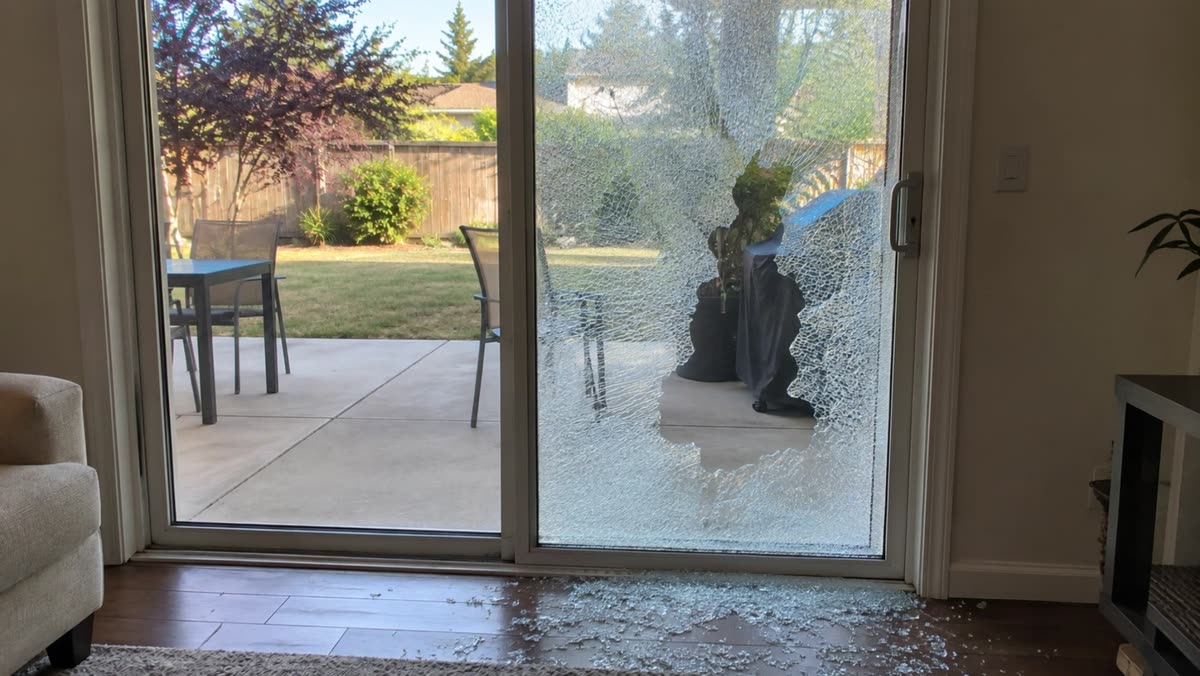
Tell us whether the panel remains stable and whether the opening can be secured. Keep people away if glass or the panel itself appears loose.
Local service and related pages
Explore Sliding Door Handle Repair, Sliding Door Lock Repair, Sliding Door Roller Replacement. Service-area details are available for North Park, Hillcrest, Lemon Grove. Call 619-389-3123 or send a service request to describe the opening at your property.