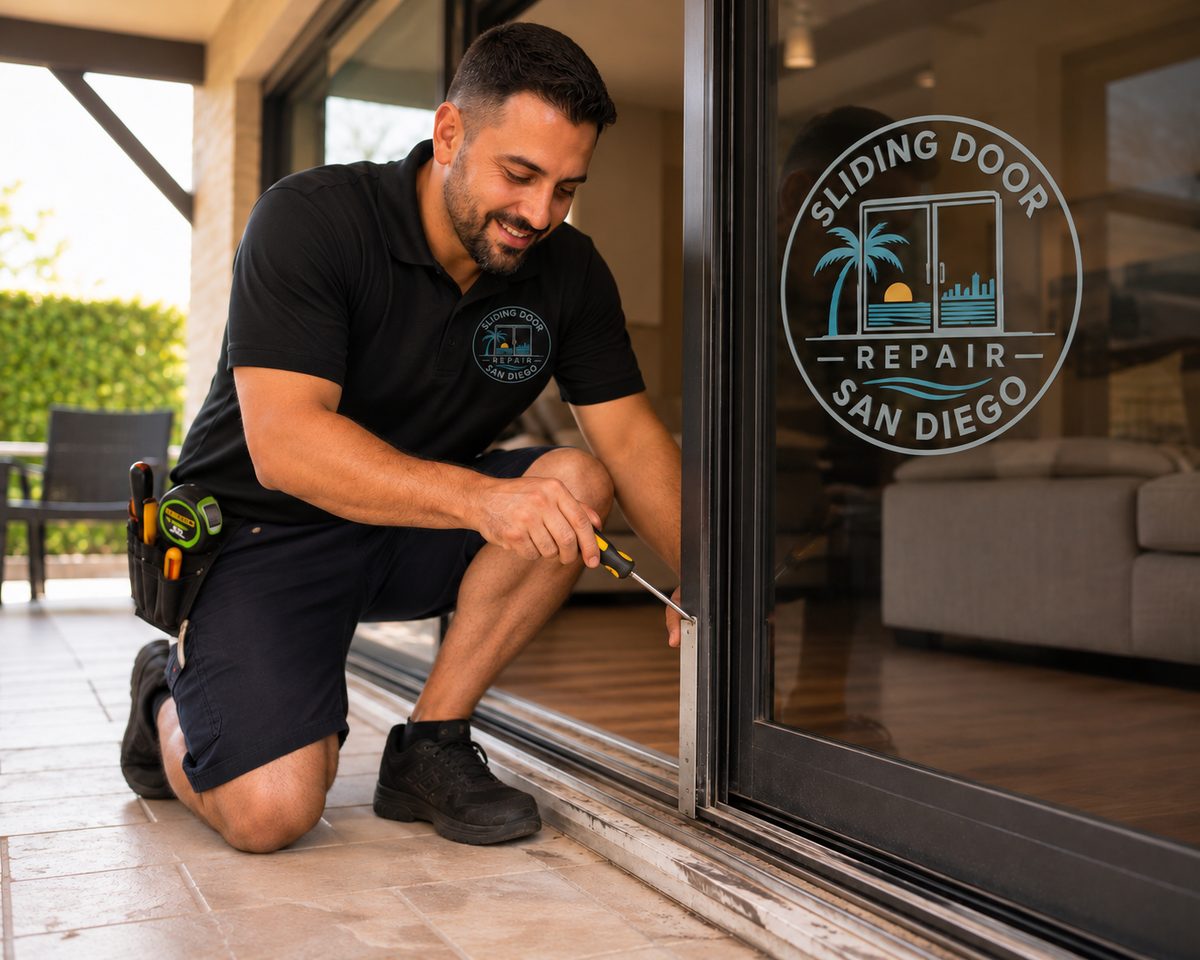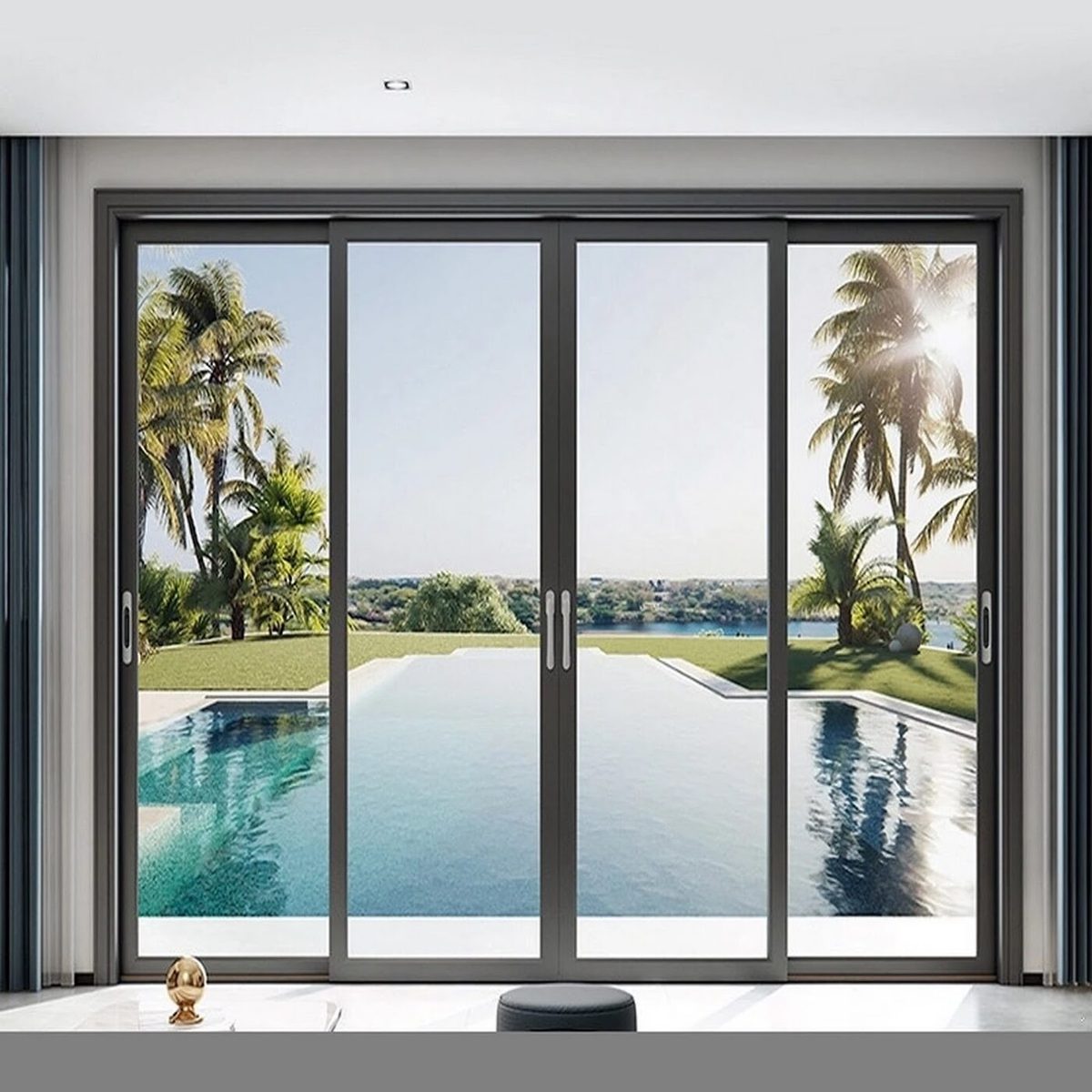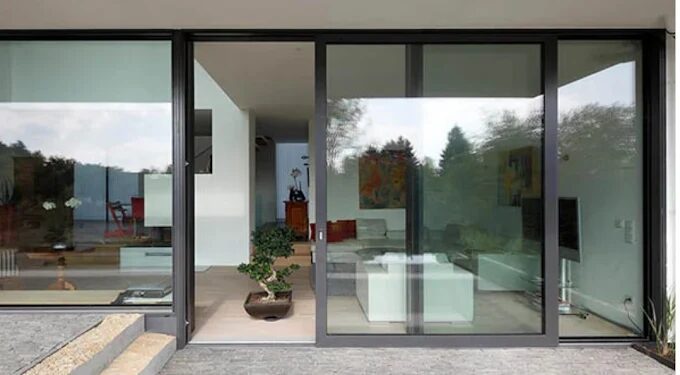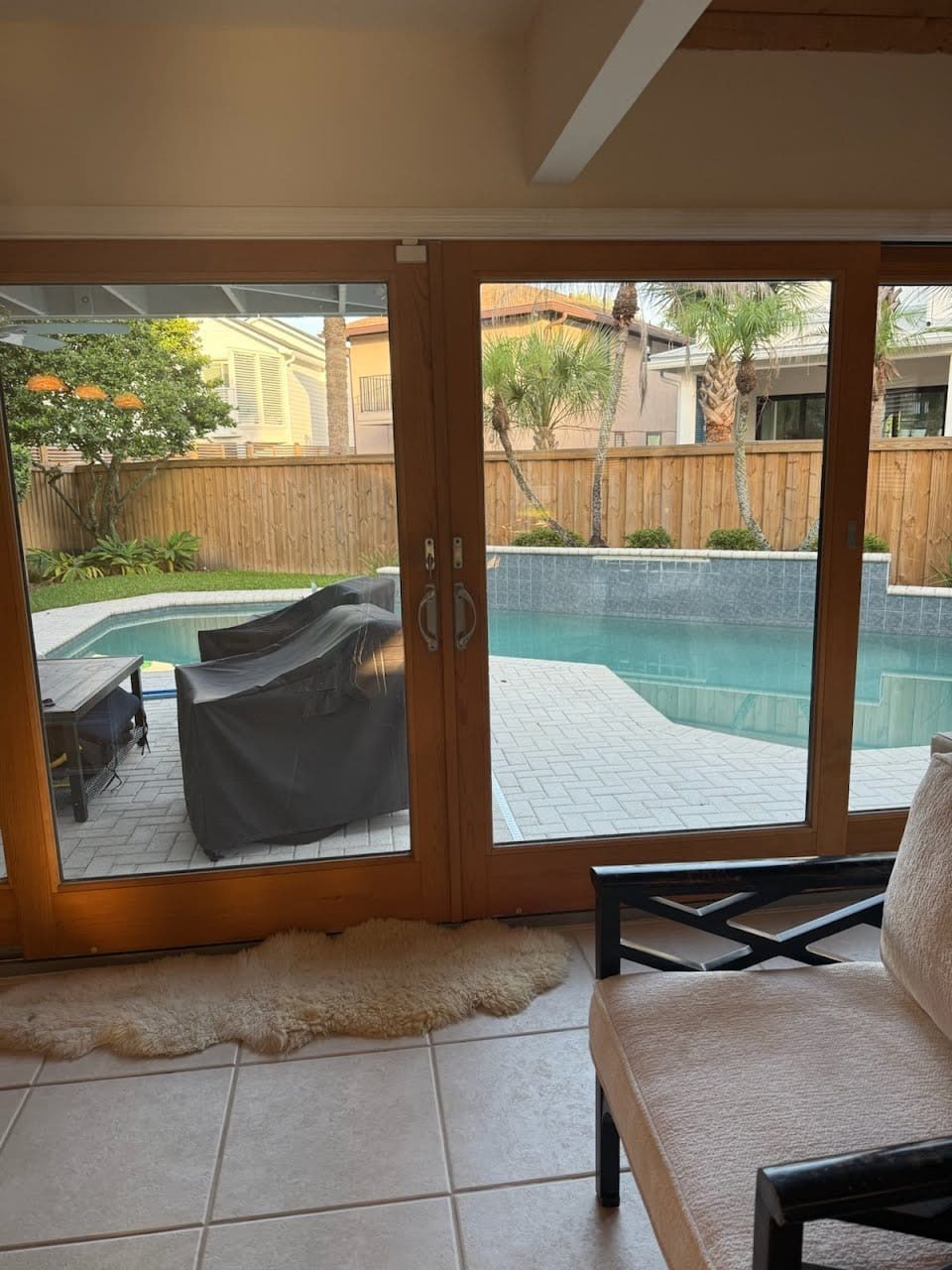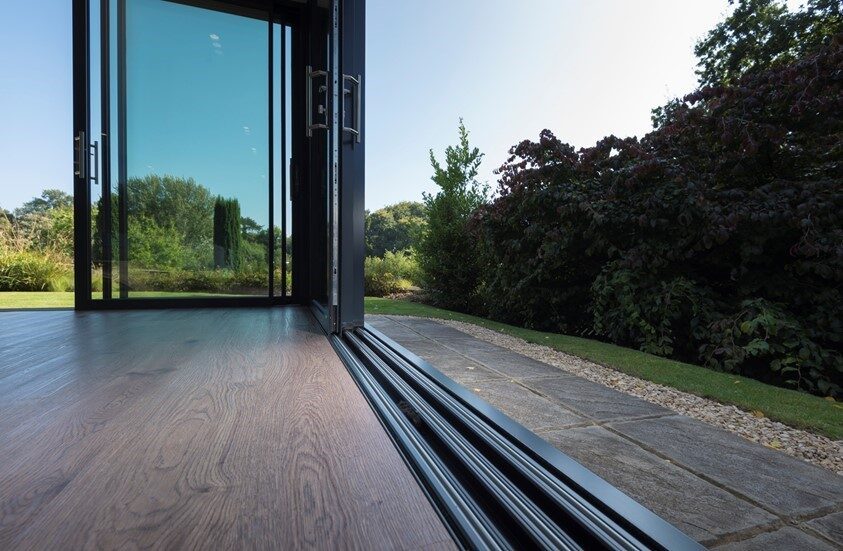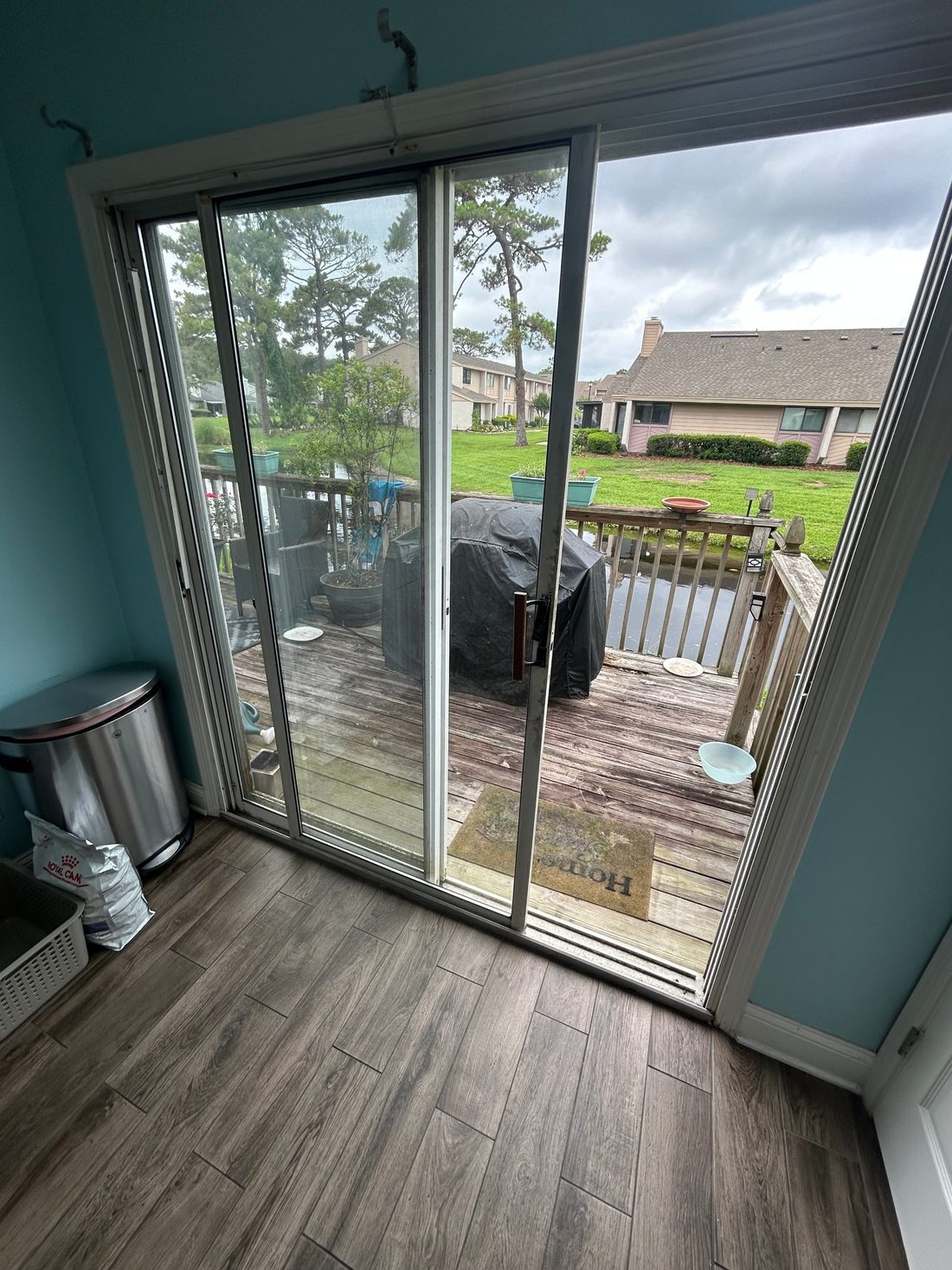
A sliding screen and a glass patio door can make sounds at almost the same part of the opening. They usually have different tracks and moving parts. The quickest way to describe the issue is to identify which panel was moving, which surface it uses and whether either component contacts the other when you close the glass door.
Identify both panels in the same photo
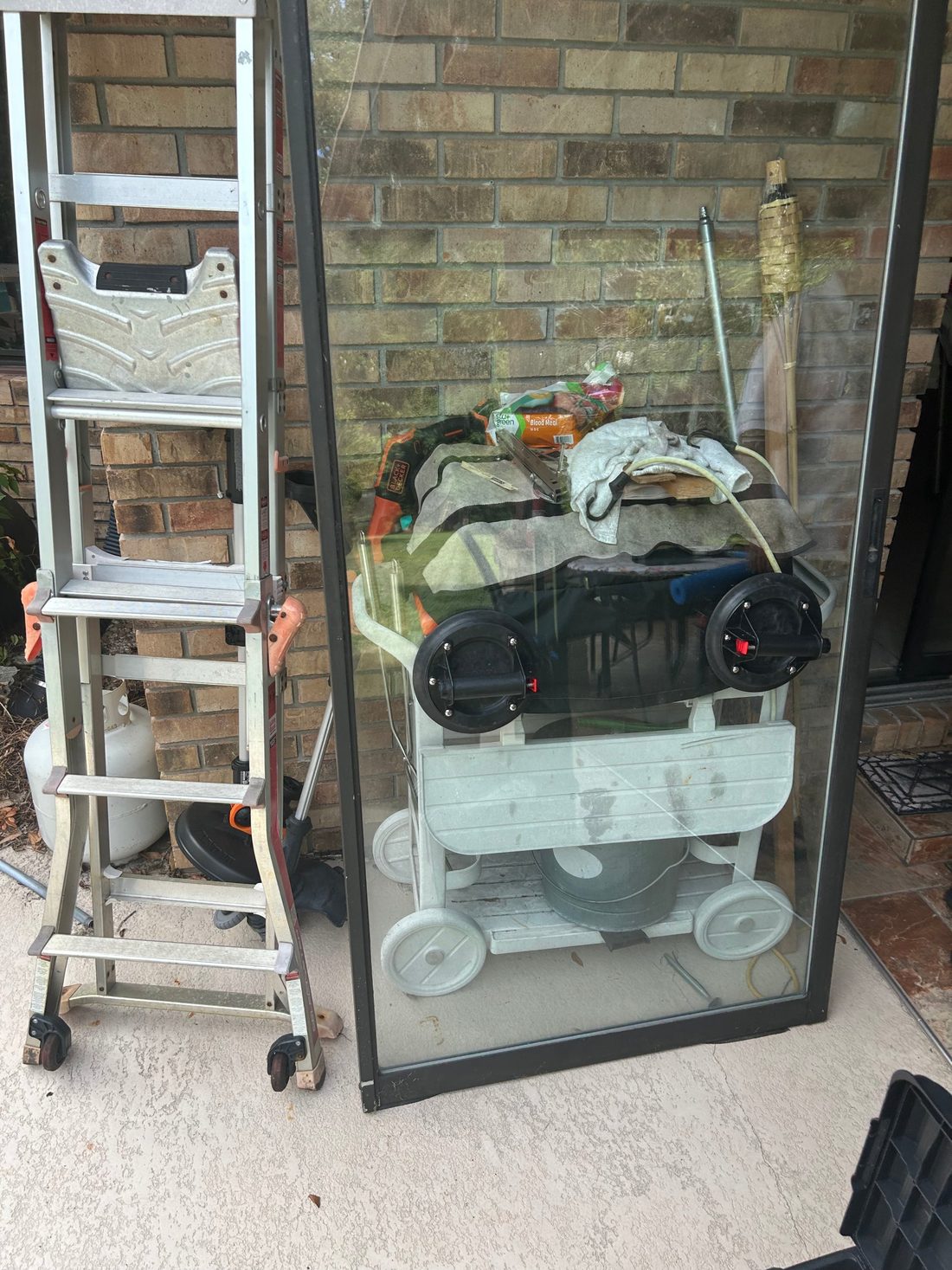
Show the glass panel and screen from indoors. Say which one was in motion when the drag or rattling began.
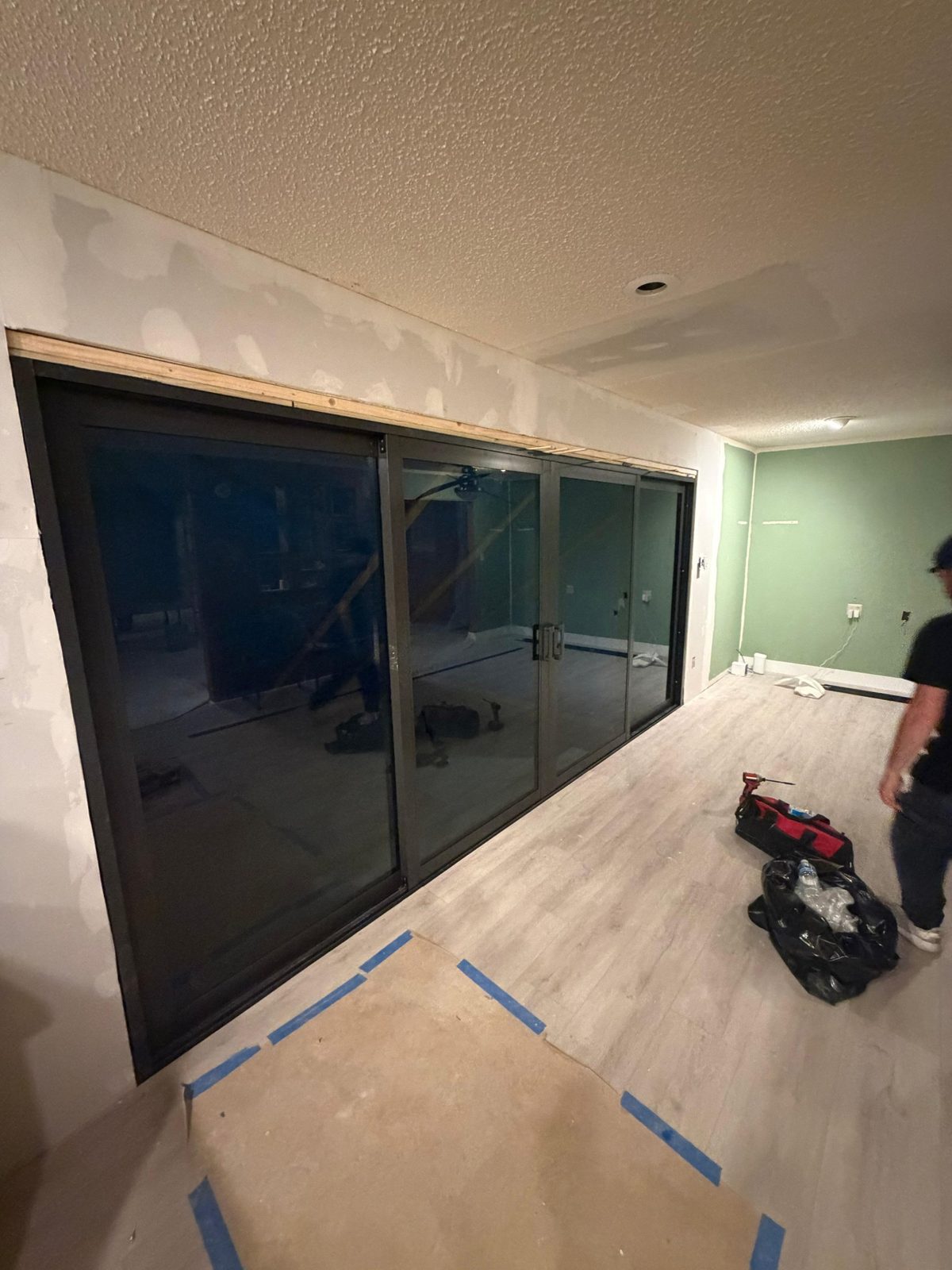
Give each moving part its own identity before a technician looks at the opening. On a typical two-part patio setup, the screen sits outside the active glass panel and has a separate guide path. A handhold or projecting corner can bring them into contact as they pass even when each travels freely by itself. Photograph their positions from the room and tell us where the sound happens relative to the closed end. If either part appears unstable, leave it still. A service request can describe how the screen and glass interact while keeping any difficulty with the glass lock or rail in its own line.
Name the wheel path involved
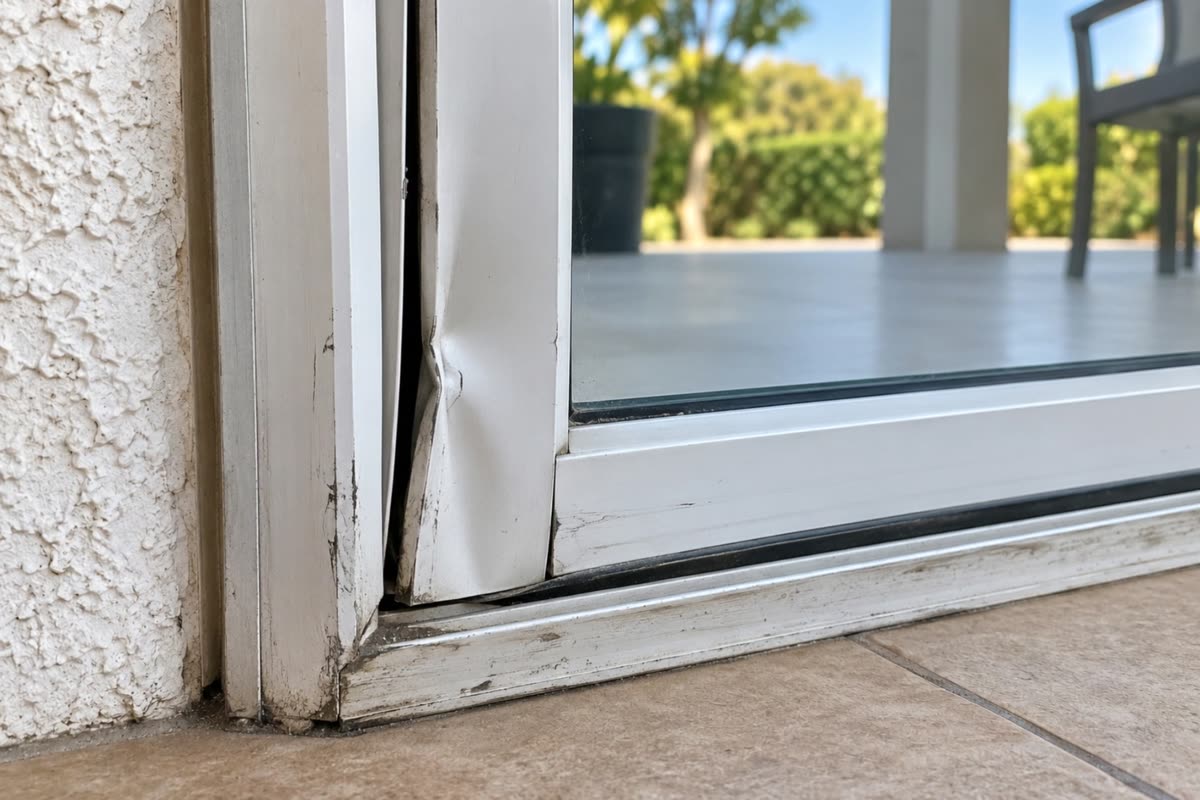
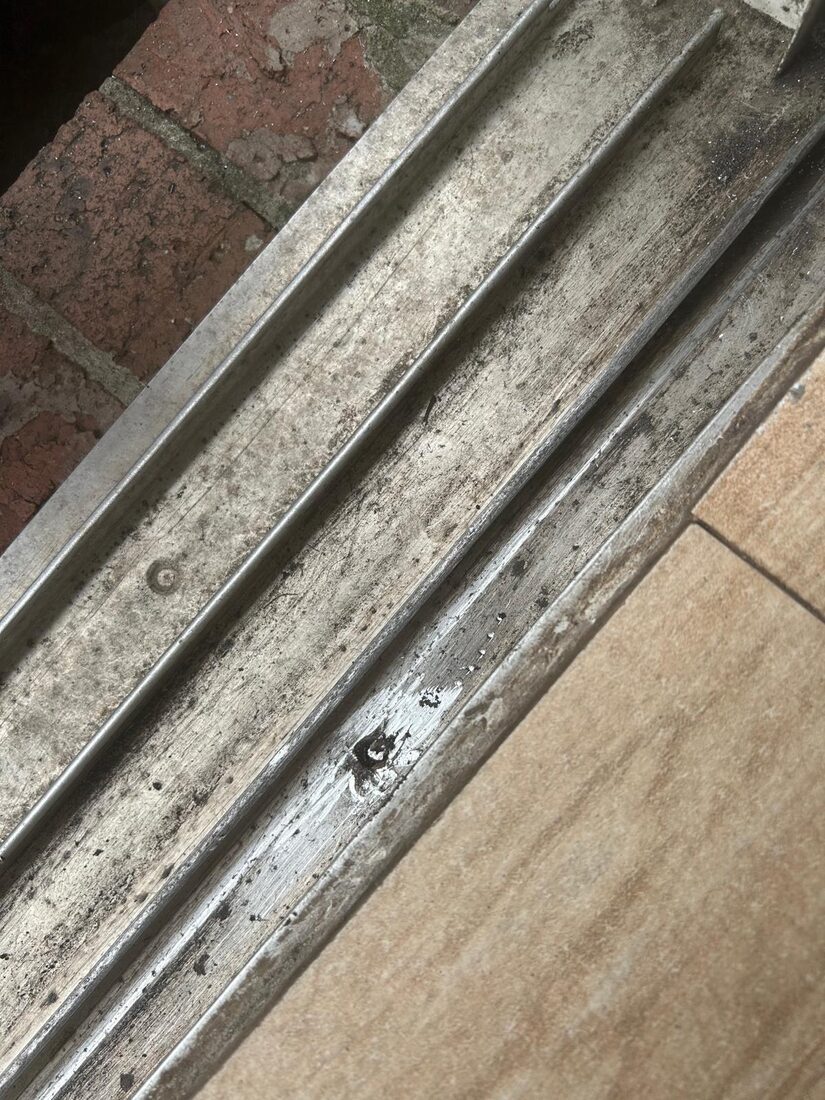
A mark on the screen channel is different from damage on the rail carrying glass. Give a wide view and point out the location.
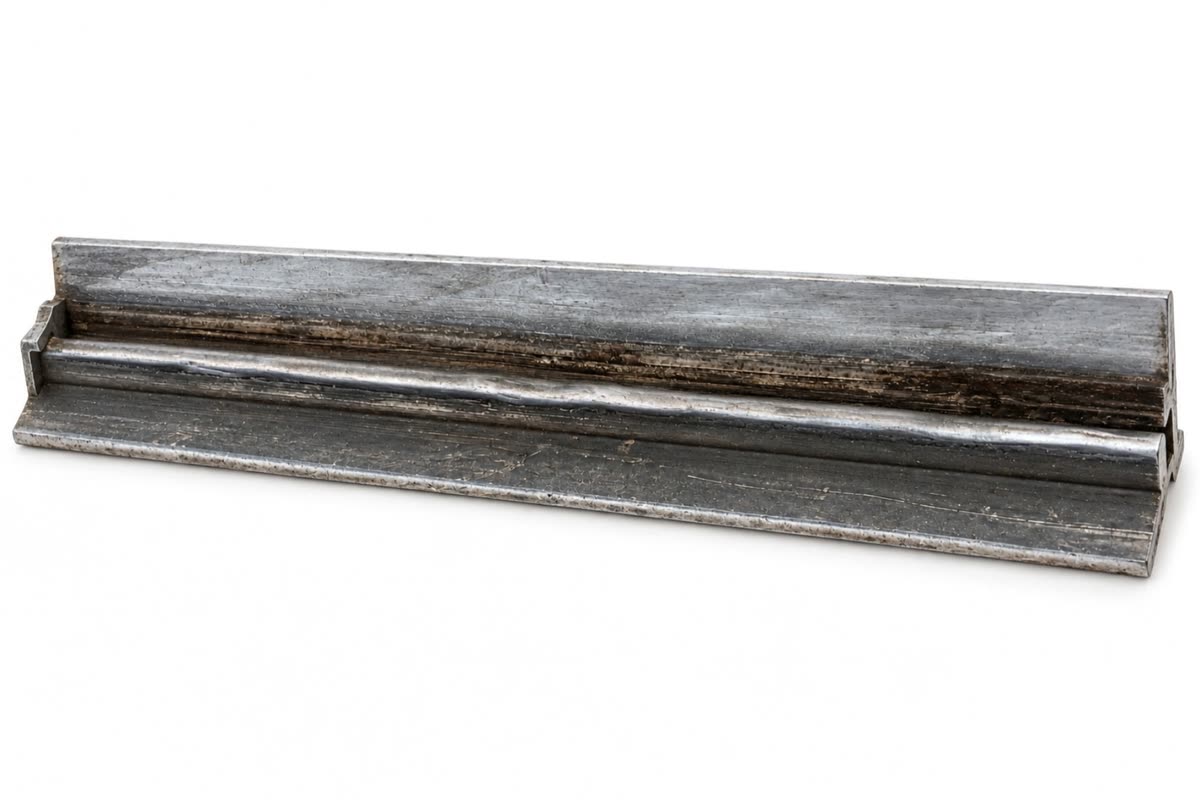
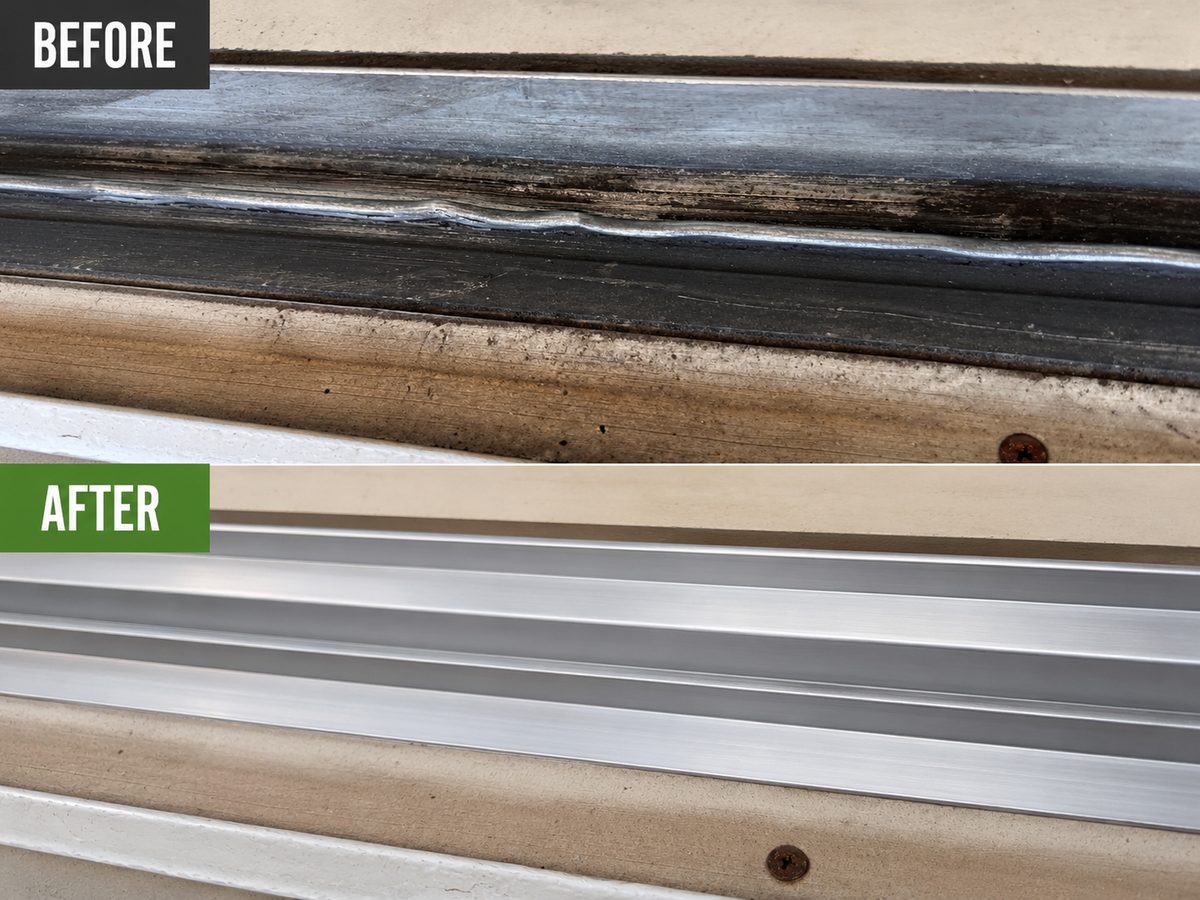
Think of the rail as part of the load path from the glass to the sill. Wear that follows the entire width of a busy opening is a different project from a short interruption near a joint. Ask which material is carrying the door and which layer is only a cover. If a previous repair profile is present, it changes how wheel position and panel clearance should be assessed. Point out whether the threshold moves when crossed, since that may be a support concern separate from a rough wheel path. A clear estimate states the length of damage and how the proposed repair will restore stable contact.
Compare each panel's ordinary travel
If both are stable, describe the first movement and repeat bump for each. Leave a loose or damaged panel still.
A quiet check in ordinary use helps establish what changed without creating a test that is unsafe. Note the door's position, time of day and whether the panel felt different on a dry day. Take a wide photo before attempting routine care of any accessible surface. For a stable door, describe whether the same problem appears at the same point as it opens and closes. If the glass or panel looks unstable, use previous observations and leave it still. A useful comparison captures the condition you actually experienced rather than an attempt to manufacture a visible result for a recording.
Notice where handles or frames contact
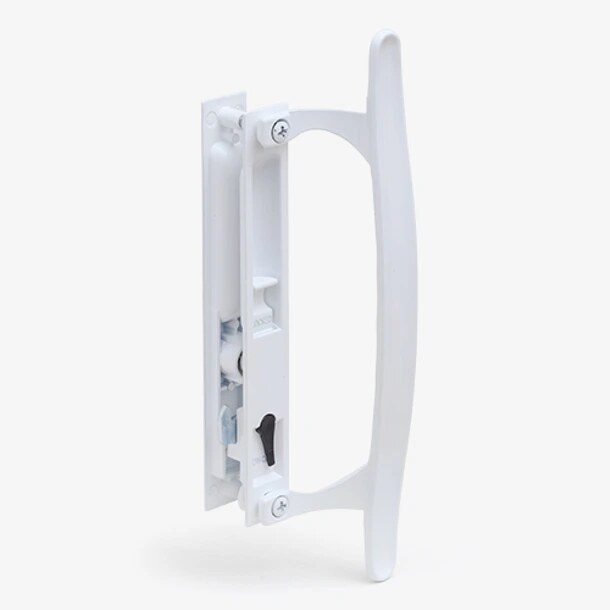
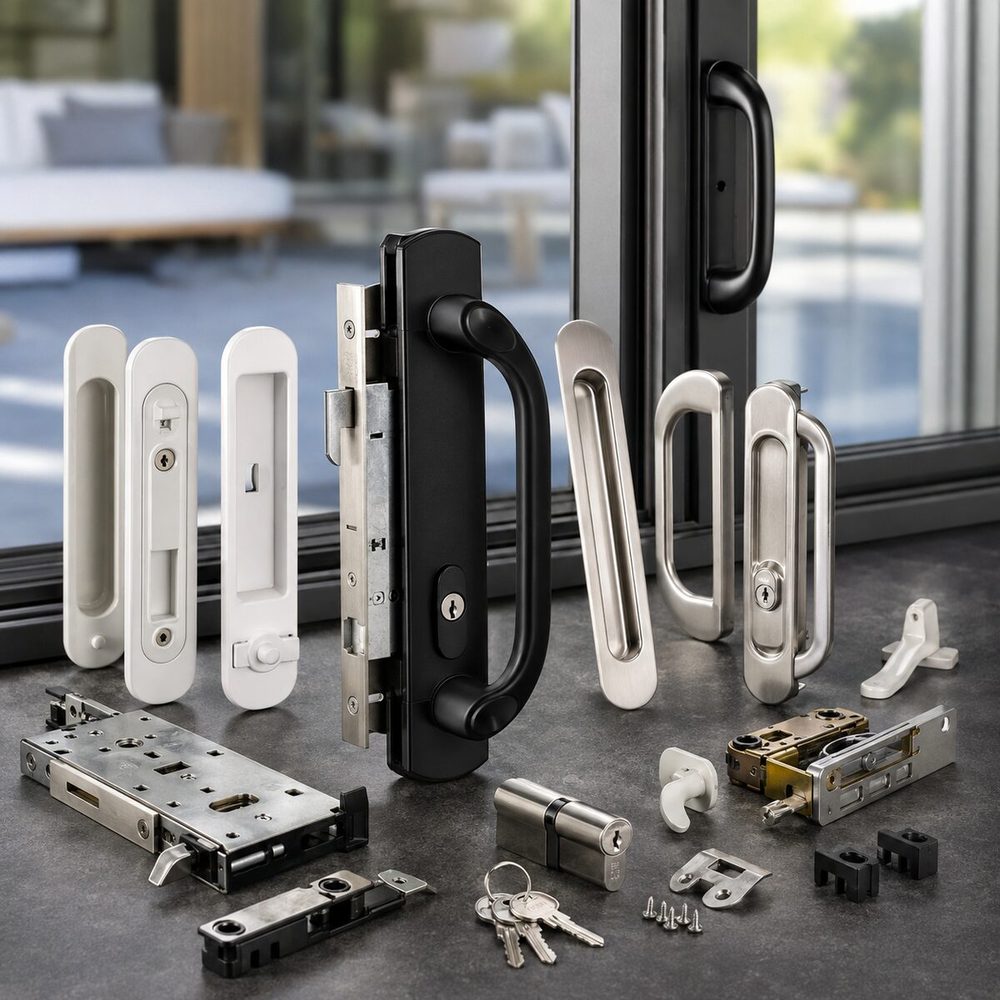
A new pull may project into an adjacent path. Show where the handles pass and whether there was recent hardware work.
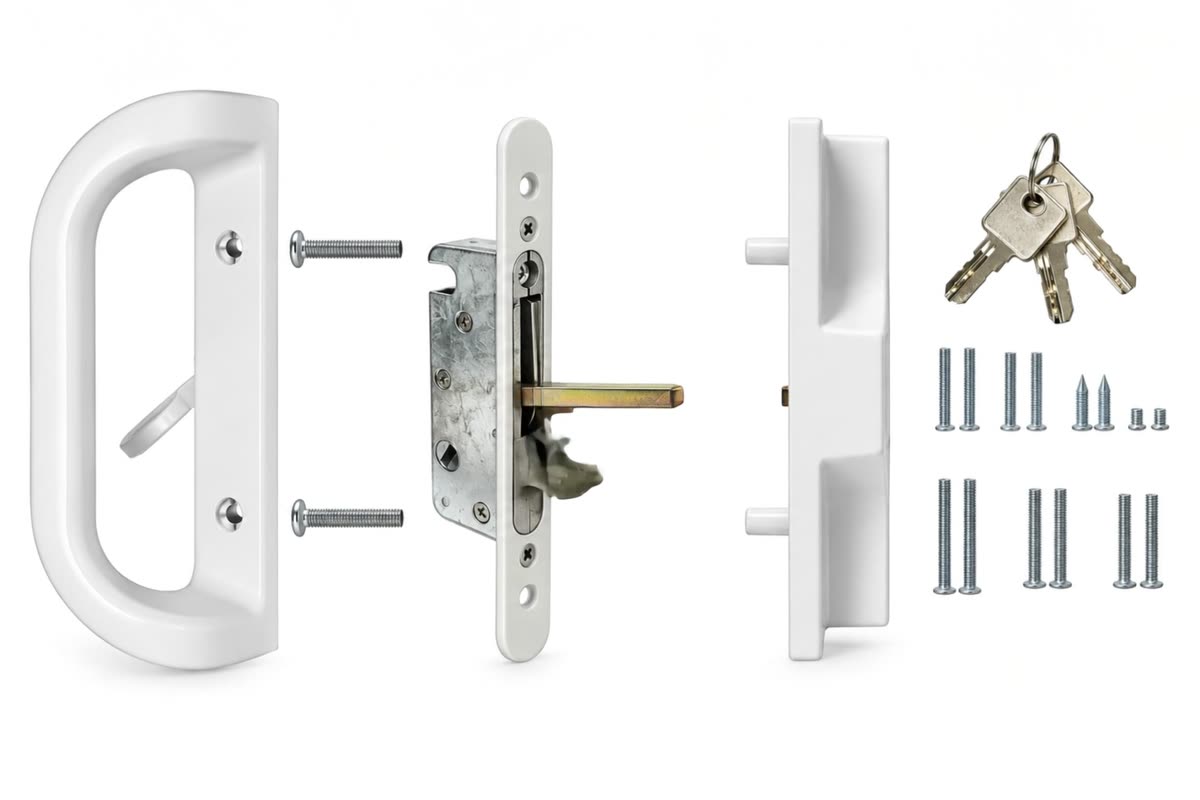
The handle transfers force from your hand to the panel or to the lock mechanism. A loose pull may be the result of repeated hard opening after the panel became difficult to roll. The mounting face and holes can wear as the pull moves, so a visually similar replacement needs a sound attachment point. Lever length and clearance can also matter beside a screen or neighboring frame. If the new pull is intended to operate a lock, its connection to the lock must match. Describe both the condition of the pull and how the door moved before the handle loosened, so the repair addresses the load the new handle will see.
Check the glass panel's height
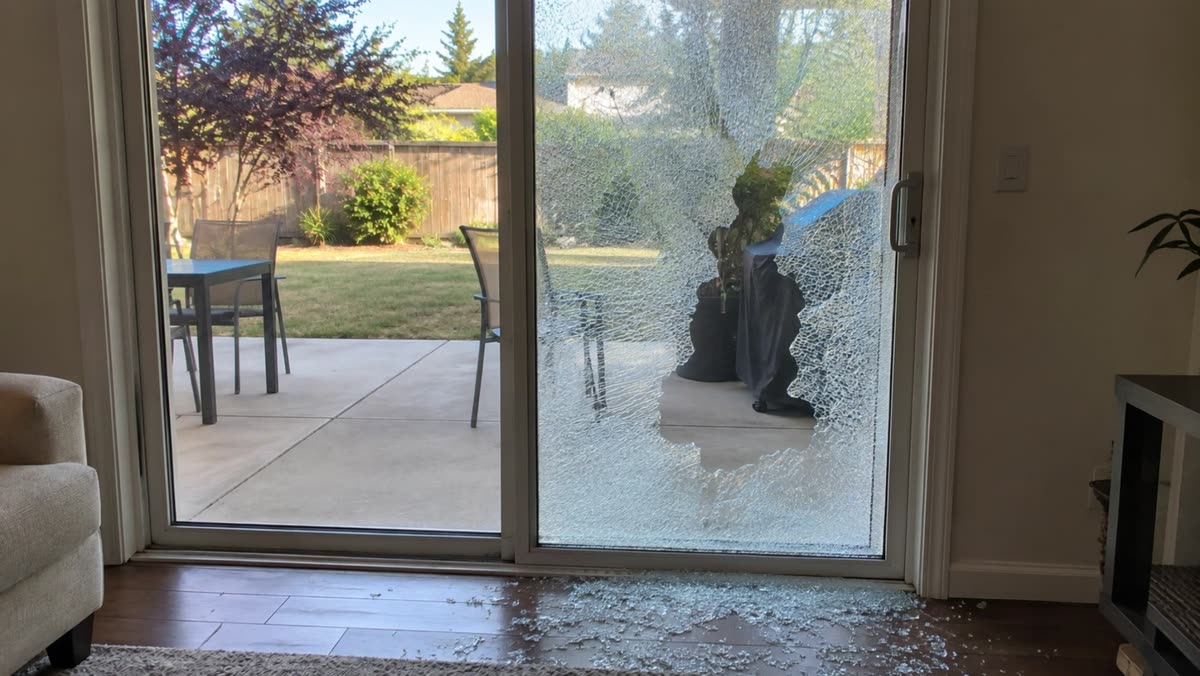
A panel sitting low can rub or approach the screen frame differently. Note whether latching or closing fit also changed.
Read the closed panel from both sides of the opening rather than using the handle as a guide. A vertical edge that arrives high at one corner or leaves a small triangular space can be a sign that the panel is sitting unevenly. The inspection should show whether the wheels can be adjusted and hold the position. The actual support and frame condition also matter. Write down what a normal close requires today, such as a lift at the end or additional pressure at one spot. After any adjustment, check the screen clearance and the lock as well as how freely the panel rolls.
Inspect visible debris by channel
Separate grit on the screen's track from material on the glass door's running edge. Note whether each symptom remains afterward.
Loose grit can make a door sound rough without changing its geometry. The evidence is strongest when the panel moves normally once loose material is removed from the accessible track, then behaves poorly again after debris has visibly returned. Take care to identify the surface that carries the wheel. Sand next to a screen track can be conspicuous while the glass panel is actually running on a different strip. If a clear, stable rail produces a bump at exactly the same point, describe that remaining pattern. It gives the technician a more useful starting point than the amount of dirt on the sill alone.
Find the actual glass door's rough spot
If the glass door rumbles with the screen still and clear, tell the technician which end and how far it travels. Report a prior adjustment.
The way a door behaves under load can reveal a roller problem that is hard to see when the panel is still. A wheel may be able to turn with very little force on it but feel rough once it carries the glazed panel. A bearing, wheel tread and housing can each change the outcome. Ask the technician to show which end carries the symptom and what the rail looks like at the point of contact. A good part match should account for travel, height and how the assembly attaches. A comparison with a similar moving panel is helpful only when its construction and weight are comparable.
Confirm that the glass slider can secure
A screen may work while the glass door latch misses. Give the current condition of the glass opening and which part of closing is difficult.
Most sliding door locks rely on the panel meeting a keeper at the correct height and depth. A latch that turns normally with the panel open but misses when closed often leads to an alignment check. A lever that spins or feels disconnected leads toward the link between handle and lock or the mechanism itself. Look at the relation of those parts without repeatedly forcing the lever. Ask what changed and which component is actually worn. After service, use ordinary closing force and confirm that engagement is clear. Mention if the latch issue leaves the opening unsecure or the patio route needed by occupants cannot be used.
Use care guidance for each component
The two panels may have different finishes and maintenance directions. Find the product information before applying cleaner or lubricant.
Instructions that apply to one door can be wrong for another. Materials, coatings, wheel designs and drainage paths vary among makers and product generations. Search for the instructions that match the label or original paperwork and look for care of the exact part. A cleaning recommendation for glass may differ from one for a sill or lock. The maker may also give special instructions for a screen or exposed metal finish. If the product cannot be identified, keep to basic observation and light care of accessible surfaces, and ask for guidance before using chemicals, abrasives or lubricant. Preserve the original label or photograph it for the next visit.
Describe the repair request by component
Ask which part was evaluated and which one is affected. Keep movement, handle clearance and locking checks tied to the glass door.
Keep the question about cause separate from the question about work. Ask the technician to show the affected surface, mechanism or opening first. Then have the proposal describe what will be adjusted, repaired or ordered and how the result will be verified. That allows a household or property manager to review the same problem even when two providers propose different paths. If availability or conditions around the frame could change the plan, ask how the decision will be made. A short follow-up note identifying the part, relevant contact and next visit can be useful when the solution cannot be completed that day.
Check the paths separately afterward
Use normal pressure on the glass slider and confirm it closes. Check whether there is still contact with the neighboring screen as the panels pass.
The most useful final check repeats the ordinary action that was difficult before the visit. Open the panel gently, move through the original problem area and close it fully. Then check the latch, the transition at the threshold and any separate screen. Look for scraping or gaps from a safe position. Ask the technician which care instructions apply and which changes would justify calling again. It is easier to describe a remaining issue while everyone is still looking at the same opening. A property with several users can benefit from a short note about normal operation so the next person understands how to confirm it is secure.
Local examples in Oceanside and Pacific Beach
In Oceanside, a homeowner might hear a rattle after the screen crosses a sandy corner. In Pacific Beach, a condo slider might bind only when both panels are near the jamb. An Encinitas door with a replacement pull might have less clearance beside the screen. Identify which panel moves first and where the two approach each other.
Questions to ask
Can the screen make the glass panel seem hard to move?
Contact between panels or hardware can affect movement. Observe their paths individually if safe and describe the point where they meet.
Do both panels use the same rollers?
Many openings use separate tracks and hardware. Identify the actual assembly before deciding which parts are involved.
What if only the glass slider will not lock?
Give the latch and keeper position and whether the panel reaches the jamb. The screen may be working independently.
Local service and related pages
Explore Sliding Glass Door Repair, Sliding Door Track Repair, Sliding Door Handle Repair. Service-area details are available for Oceanside, Pacific Beach, Encinitas. Call 619-389-3123 or send a service request to describe the opening at your property.