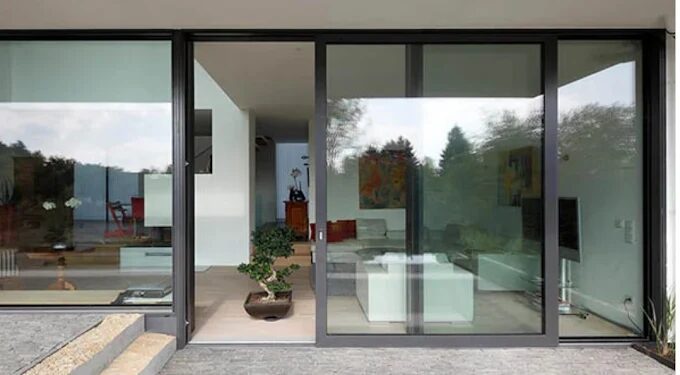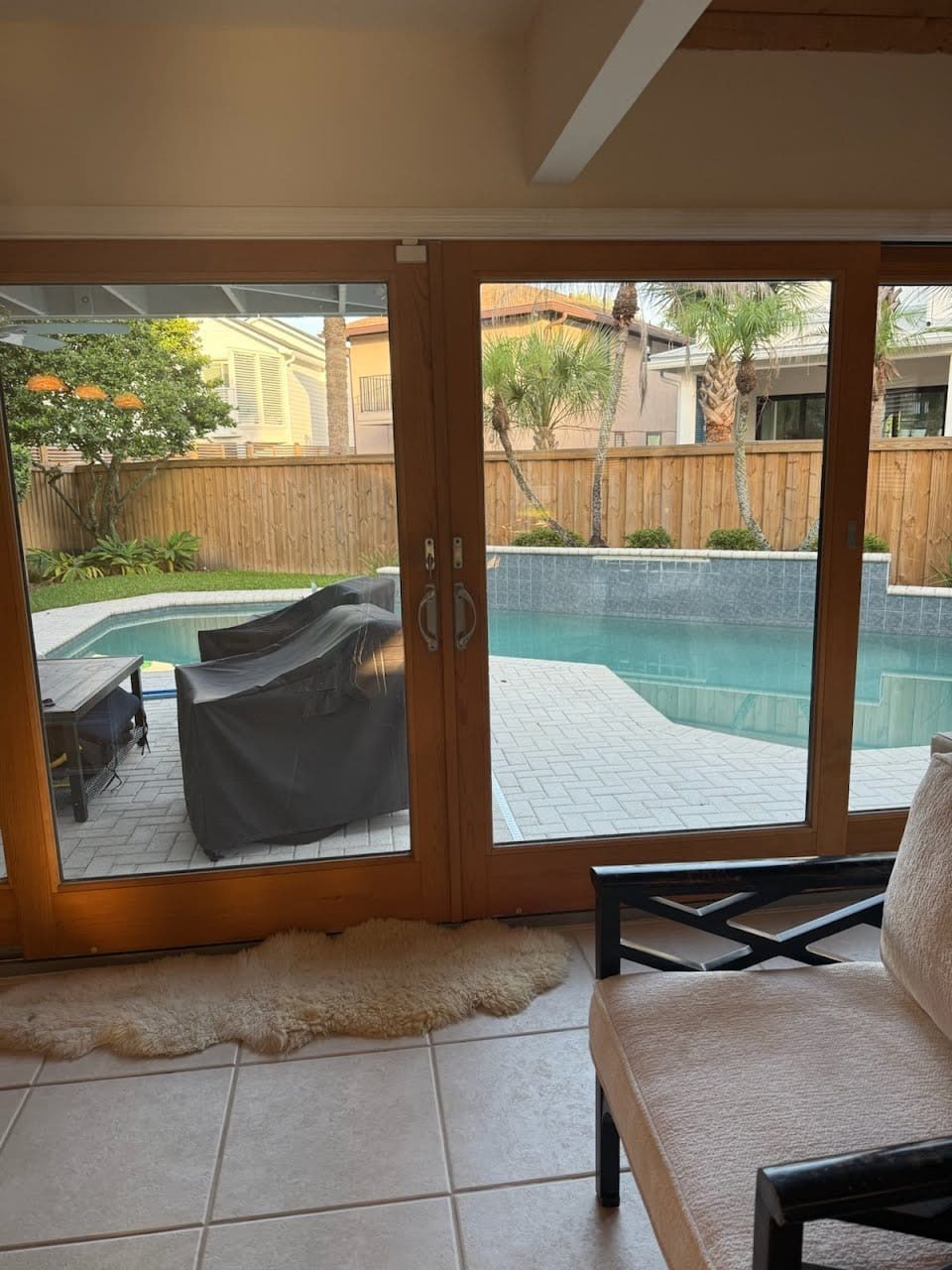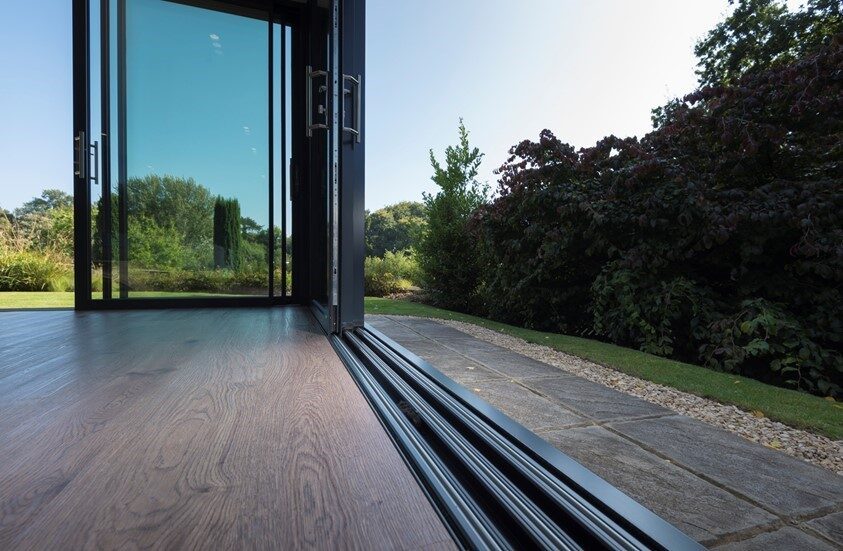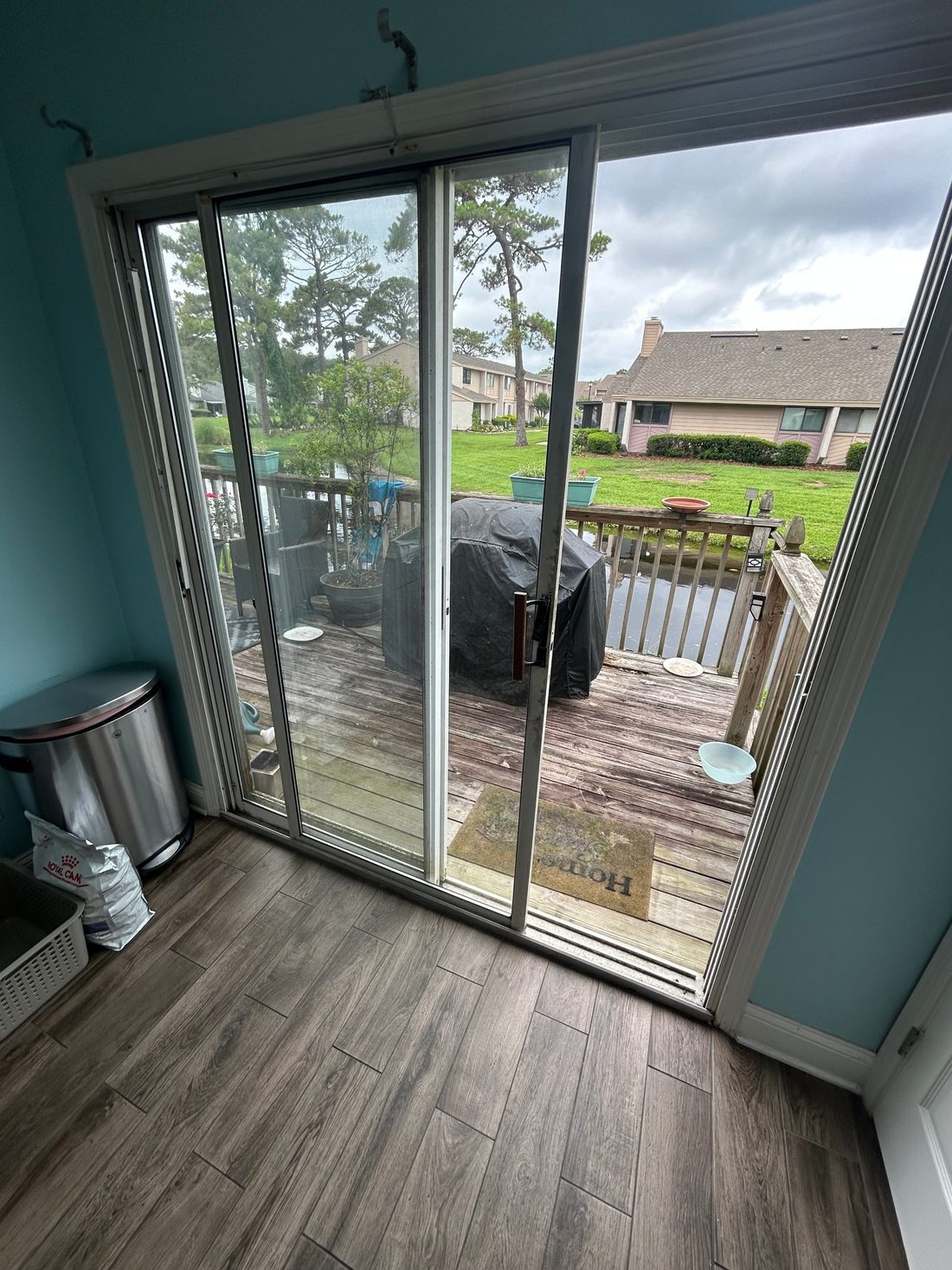

An inland patio door can feel different after a windy day, after yard work or when the room is in direct afternoon sun. Start with the condition of the individual opening and where the symptom remains on a clear day. A dated comparison gives you and the technician something more useful than a general report that the slider gets stiff in warm weather.
Find where material reaches the opening
Identify the patio, driveway or yard surface near the sill. Compare which part of the track receives grit after the conditions change.
An inland yard can deliver different material to the door on different days. Think about the surface next to the opening and the last change around it. Wind from a bare patch, landscaping, and a construction project can each leave debris on an otherwise usable rail. Direct afternoon sun can make another symptom more noticeable without identifying its cause. Record which side of the door is affected and whether it feels different on a shaded part of the day. A repeat rub on a clear track gives a stronger mechanical clue than the broad fact that the door receives a lot of sun.
Use visible debris as one clue
Follow product guidance for accessible loose material. Observe whether the panel returns to normal or a rough spot remains.
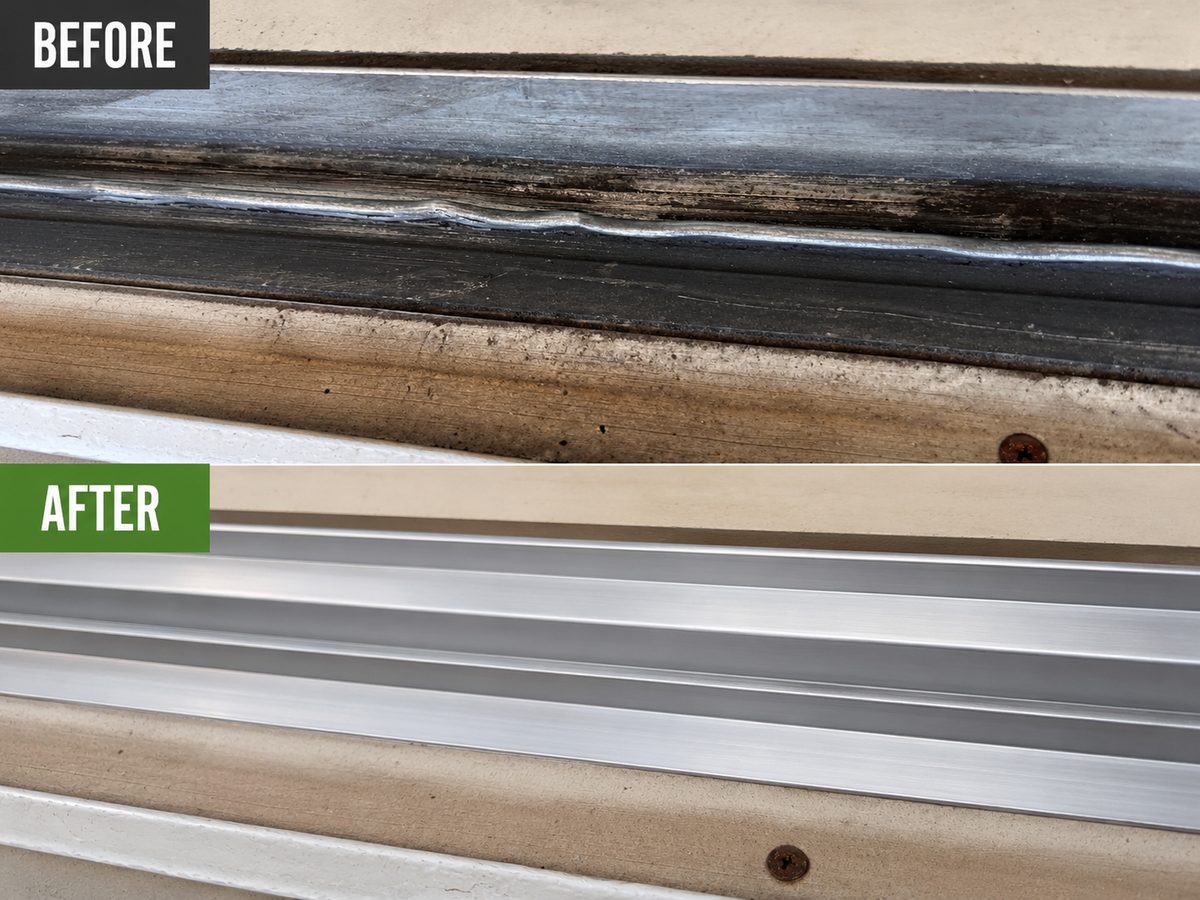
The useful comparison is between material that can move and a feature that stays put. Loose particles may gather in a corner after a day outside. A visible ding, raised repair seam or flattened running edge should remain in the same location. On a stable opening, take one image that shows the material and another that shows the running surface after manufacturer-approved care. Keep the timestamp if the debris returns after a regular event such as wind or yard work. When describing the result, mention the effort at the handle and whether the panel moved through the once-dirty spot. The next inspection can focus on any change that remains.
Record when direct sun reaches the opening
Describe the hours of sun and how the door feels at another time. Separate indoor comfort from panel drag.
A bright room and a hot room can overlap, but glare, daylight and solar heat are distinct observations. The orientation of the opening, time of day, exterior shading and the room's use all affect the trade-off. A patio door used for reading or television may need a different balance from one whose main role is a view. Compare product ratings and glass appearance in the actual configuration you want. If the room already has intact glass and the only issue is air at the closing edge, diagnose the seal and fit separately. Photograph the opening in the light that causes the concern if you are comparing choices.
Compare the same opening on different days
Choose a clear day and a problem day, if available. Use ordinary operation on a stable door and record where the change begins.
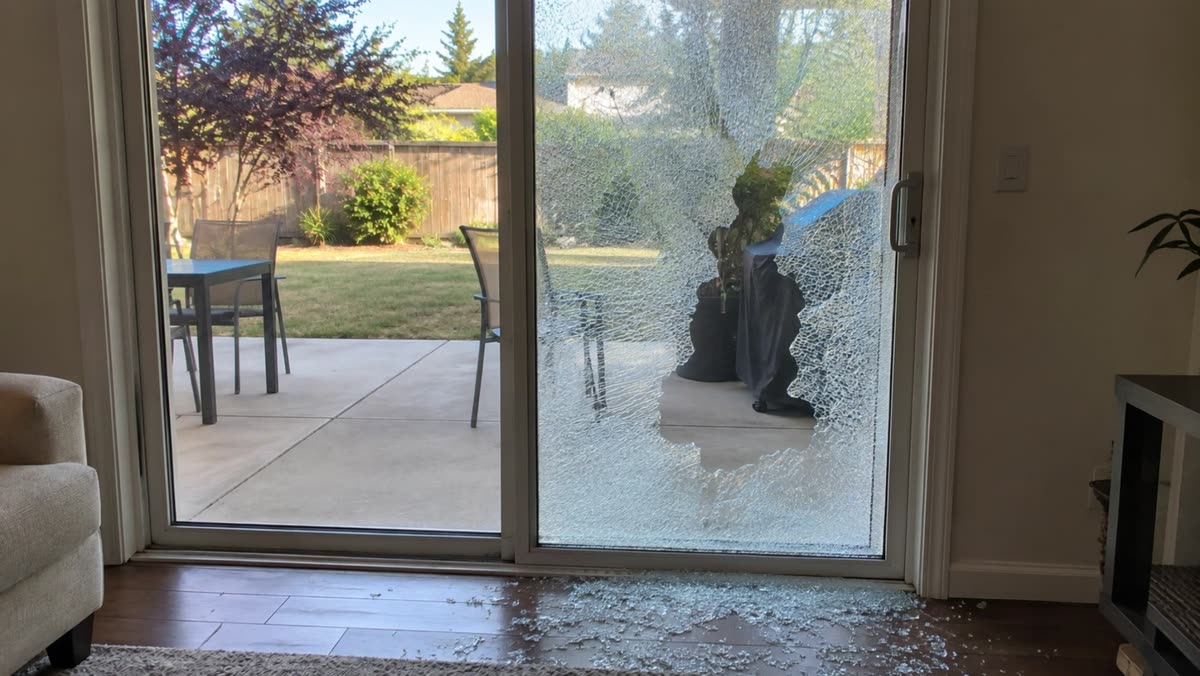
Observe the stable opening during the way you normally use it. A few notes can capture the direction, amount of travel and where any sound or drag begins. If there was a recent change in weather, compare the same location on a day when the issue is absent, if possible. Avoid forcing a door to recreate the problem. An image of the full opening or a clear room label may be enough for the first call. If the panel seems loose or the glass is damaged, leave it in place. Report the current condition separately from earlier observations so a technician can plan the right approach.
Notice whether the track itself is worn
A bump that returns at one position can point toward the running edge even if dust drew your attention there first.
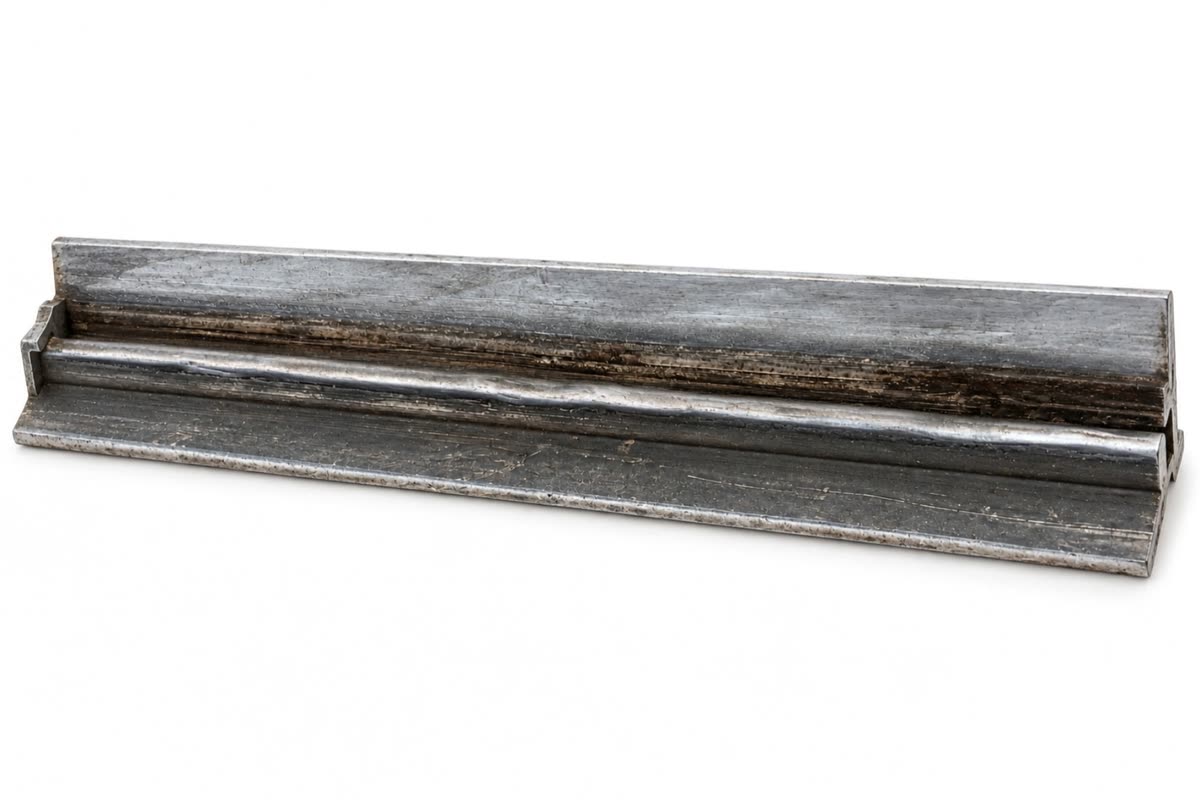
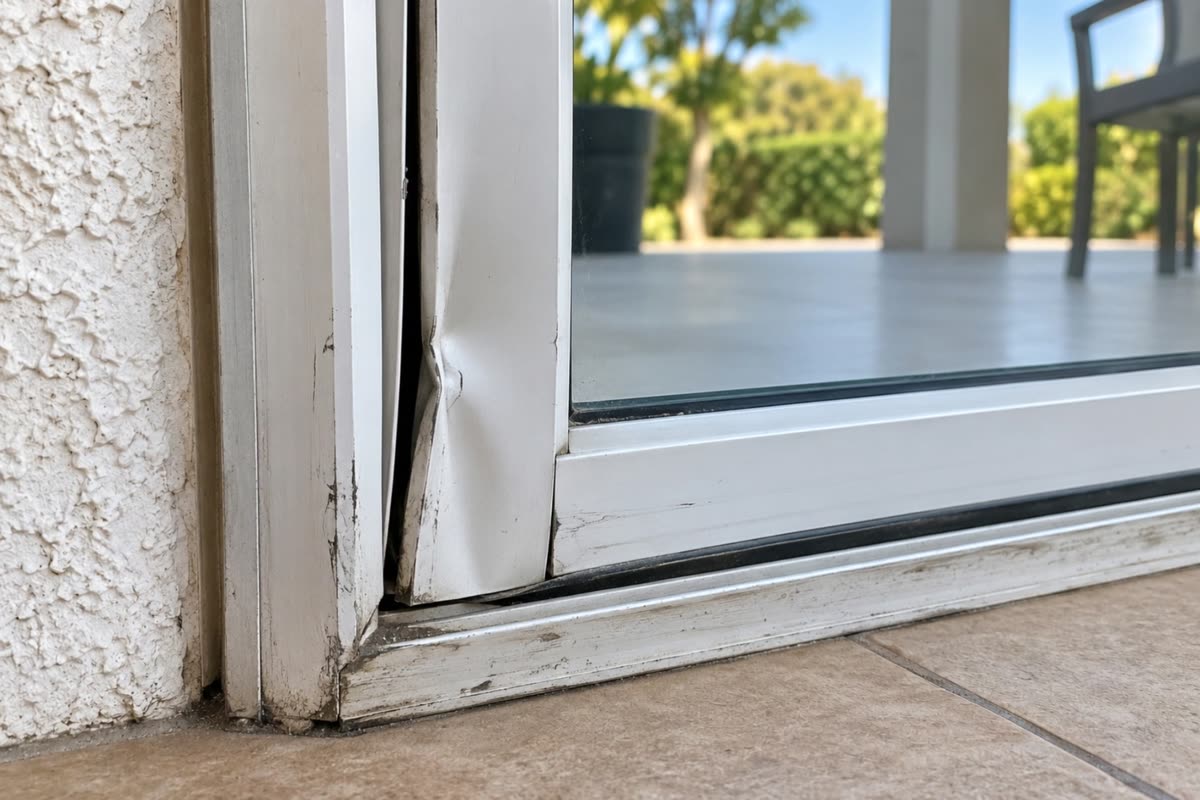
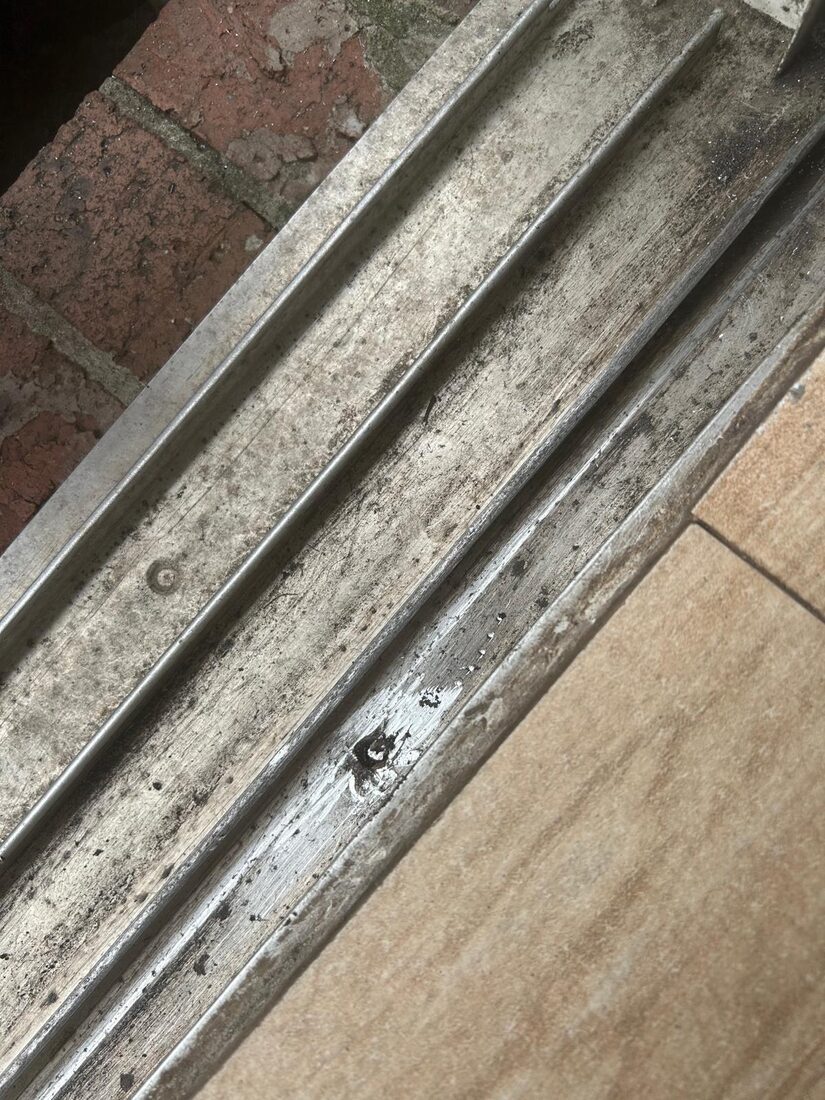
A rail supports weight on a narrow running edge. When the edge is worn flat, dented or interrupted at a joint, it can move the wheel slightly up, down or sideways as it passes. The rest of the sill might still be sound. A helpful examination looks at the length of affected rail, whether it has stable support, and whether its shape matches the wheel. Note the spot from the closed end of the opening, since the position of the handle changes according to which wheel is crossing the mark. Give the whole sill in a photo so the repair team can orient itself.
Check whether the wheel stays rough on a clean rail
Report any pulse or grinding that follows the panel through a clear section. Include whether one end sits lower.
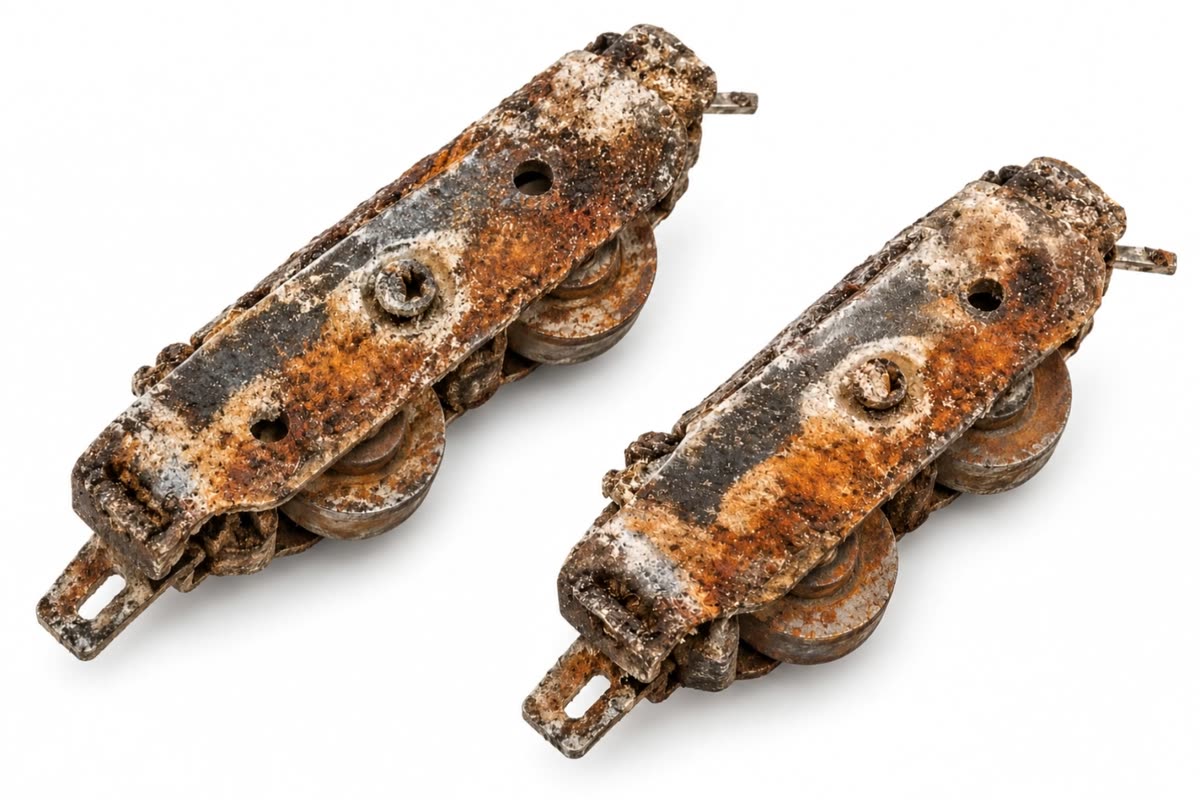
The way a door behaves under load can reveal a roller problem that is hard to see when the panel is still. A wheel may be able to turn with very little force on it but feel rough once it carries the glazed panel. A bearing, wheel tread and housing can each change the outcome. Ask the technician to show which end carries the symptom and what the rail looks like at the point of contact. A good part match should account for travel, height and how the assembly attaches. A comparison with a similar moving panel is helpful only when its construction and weight are comparable.
Watch for the latch changing with the fit
If you lift the pull at the end of travel, mention it. The panel's fit may be part of the reason the symptom persists.
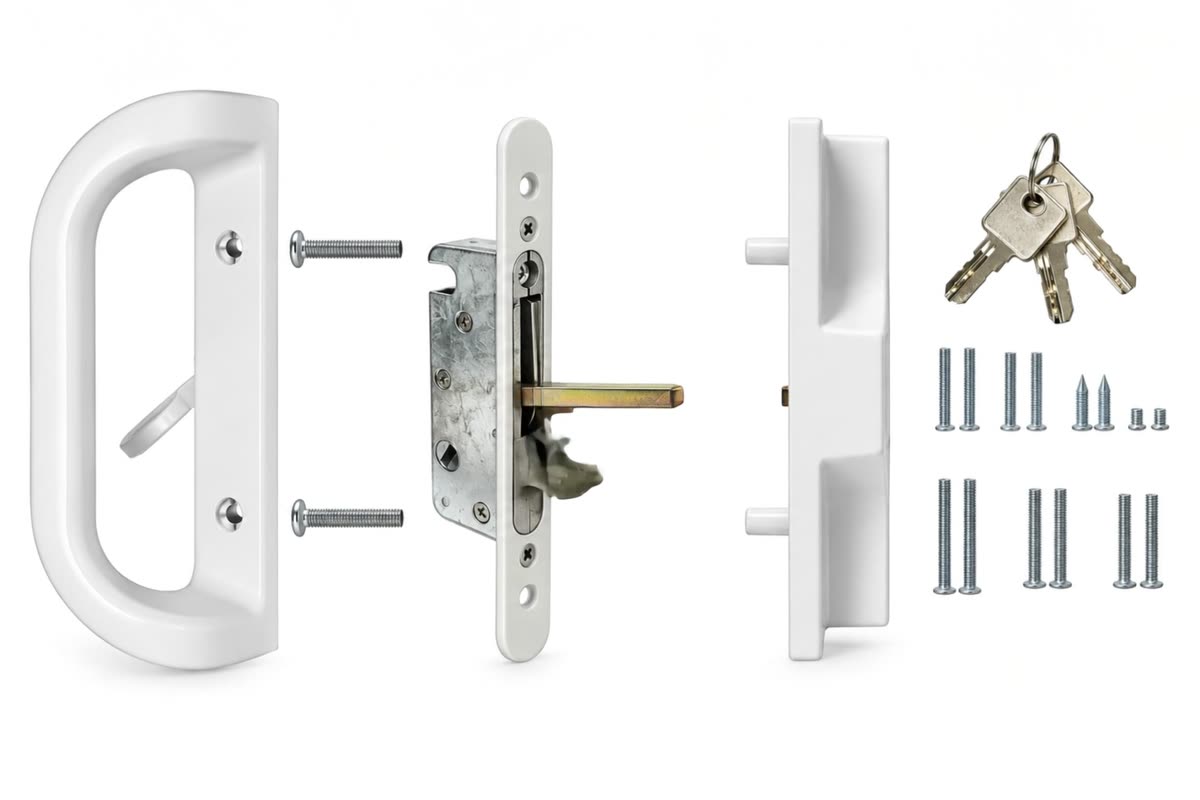
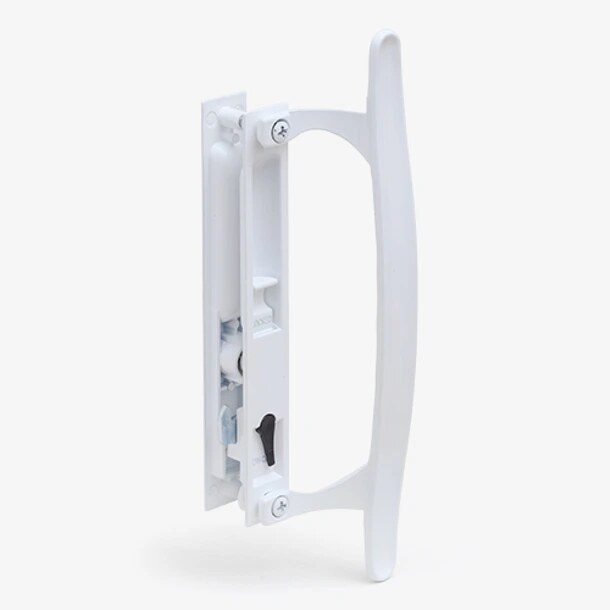
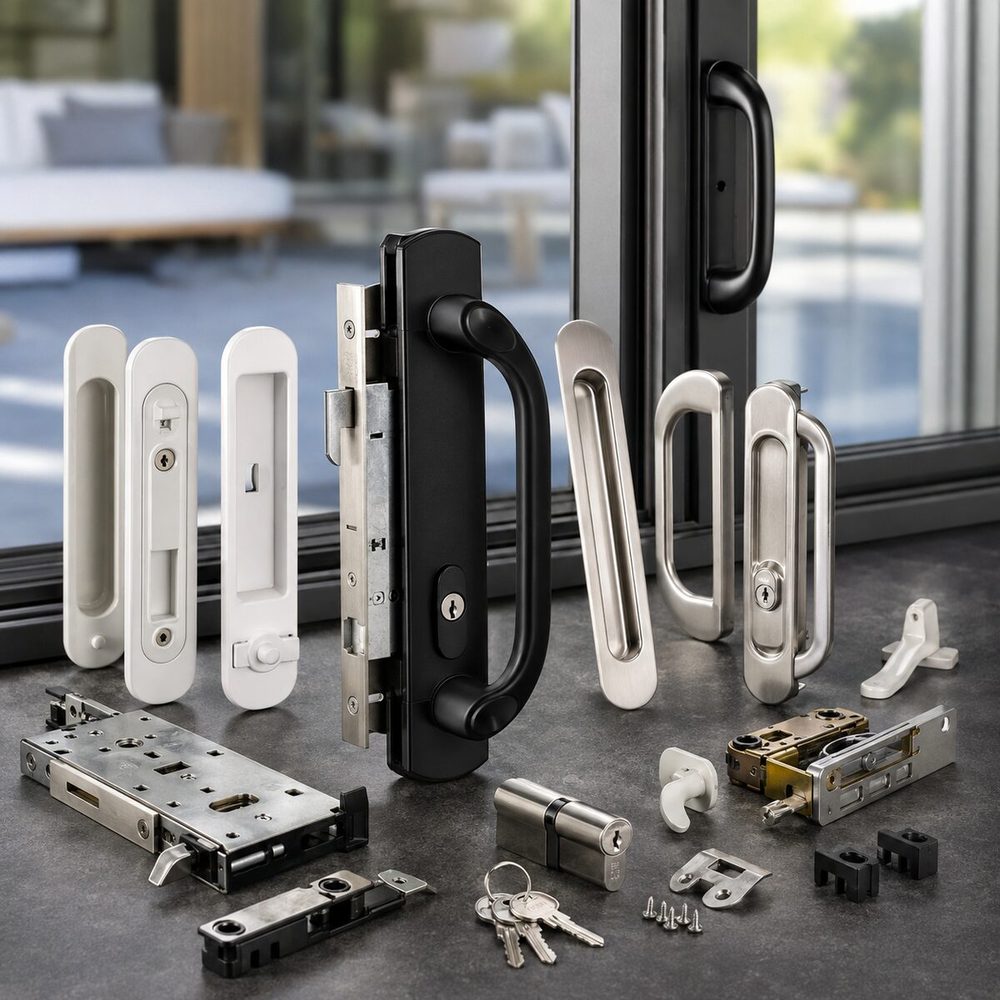
Panel height affects more than the bottom of the opening. A door held a little lower at one end can touch the jamb early, leave a wedge-shaped gap and miss the keeper. That explains why the effort at the handle, the closing fit and the lock often change together. A technician can compare clearances at both ends and establish whether the change is a supported adjustment or evidence of a component that will no longer hold its position. An adjustment that moves the panel away from one contact point should also be checked across the full travel and at the latch. Share any earlier adjustment and how long it held.
Tell the technician about recent outdoor work
Mention a patio, floor or landscape change close to the opening. Give the first date when the symptom appeared.
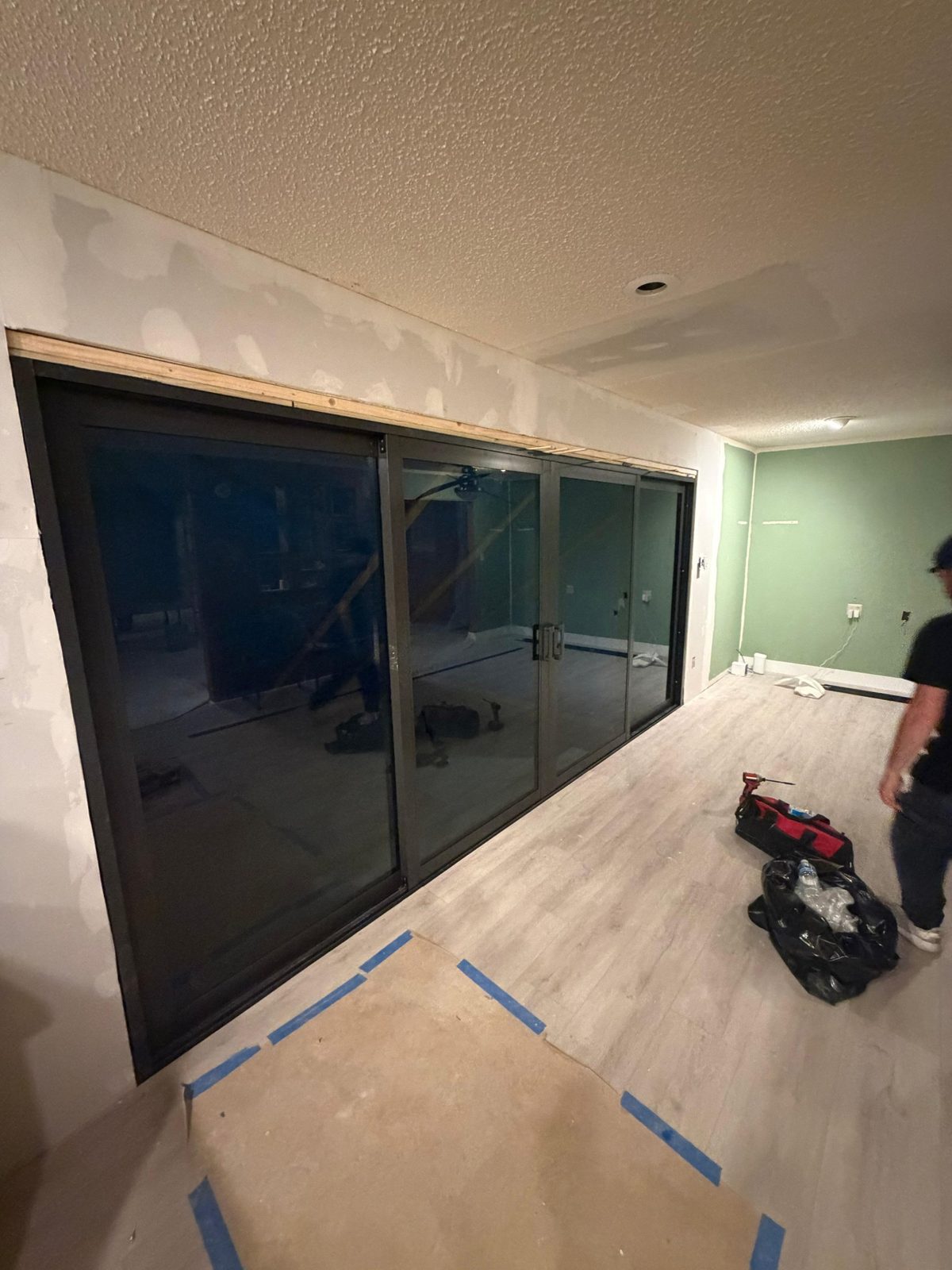
Conditions at the edge of an opening can affect the work that is possible on the door itself. A new floor can change the clearance around a sill, and a patio surface or exterior trim can affect how water approaches it. Document changes to the surrounding area and show the full opening. A door technician can identify visible signs at the unit. The assessment can also explain when framing, wall or patio work needs a separate evaluation. Agree on who will handle related work and how the finished transition will be checked. It is easier to coordinate while the parts and access requirements are still being planned.
Keep routine care specific to the installed unit
Find the maker and product guidance if available. Use it to choose care for the finish and accessible rail.
Manufacturers publish care guidance for particular systems and finishes. An instruction about a lock, sill coating or roller mechanism may refer to a different part from the one that has the symptom. Match the guide to the unit and find the section that deals with the affected component. If you do not have the original papers, use the label and a wide photo to identify it. Keep the instructions for any newly fitted part with the unit. A simple care record can show whether a result changed after a compatible cleaning routine or whether a mechanical symptom continued despite the surface being clear.
Set a realistic care schedule
Check the opening after the events that usually deliver debris to it. Keep a record of repeat symptoms and the condition of the visible sill.
A useful care routine is small enough to repeat and specific to the product. At an exposed opening, note when debris appears and care for the accessible track and drain areas according to the manufacturer's instructions. At a busy door, use ordinary operation to notice increasing effort or a lock that changes position. Keep a short history of what was cleaned and when a persistent symptom first appeared. If a repair is needed, this history helps distinguish a recurring exposure condition from wear or a part that needs attention. Keep the care instructions for any replacement rail or hardware with the service record.
Describe what needs to improve
Ask which part needs assessment and how normal travel and latching will be checked. Share the difference between windy, hot and ordinary days.
A good scope names the opening, explains the observed problem and lists the parts or work that address it. It can also identify which sound components will stay and what condition could lead to a separate quote. That makes it possible to compare a minor adjustment, a component repair and a larger replacement on the same terms. Ask how the completed work will be tested and who will approve any additional work once the opening can be fully inspected. If access or a needed part could require a return visit, discuss that before work begins. Keep those details with the address and the affected room or entrance.
Local examples in Poway and Escondido
A Poway patio by a dry yard might pick up dust after work outside. In Escondido, a homeowner might first notice drag when the panel sits in direct afternoon sun. A Ramona door might stay rough after a windy day and after its accessible rail is clear. Compare the time and exact position at each opening. Those details help guide a service visit without assuming the cause is always weather.
Questions to ask
Does a warm door prove heat is causing the problem?
Temperature can be useful context. Also report the point of contact, whether the rail is clear and whether the latch or gap changes.
What if the same rough spot appears in every condition?
Describe its exact position and whether it occurs in both directions. A repeated location is useful evidence for a rail or fit check.
Can I use one cleaner on the whole door?
Check the instructions for each surface. Glass, coated frame and running rail can need different care.
Local service and related pages
Explore Sliding Door Track Repair, Sliding Door Roller Replacement, Sliding Door Panel Adjustment. Service-area details are available for Poway, Escondido, Ramona. Call 619-389-3123 or send a service request to describe the opening at your property.