A patio door can look cloudy on a cool morning and perfectly clear that afternoon. The same kind of haze can also remain in one pane for weeks. The useful first step is to find which surface carries the moisture or mark. A film that is trapped between panes raises a different question from droplets on the room or patio side of intact glass.
Check which surface you can safely see
Look from the room and take a photo in the light where the haze shows best. Say whether the accessible surfaces were dry at the time.
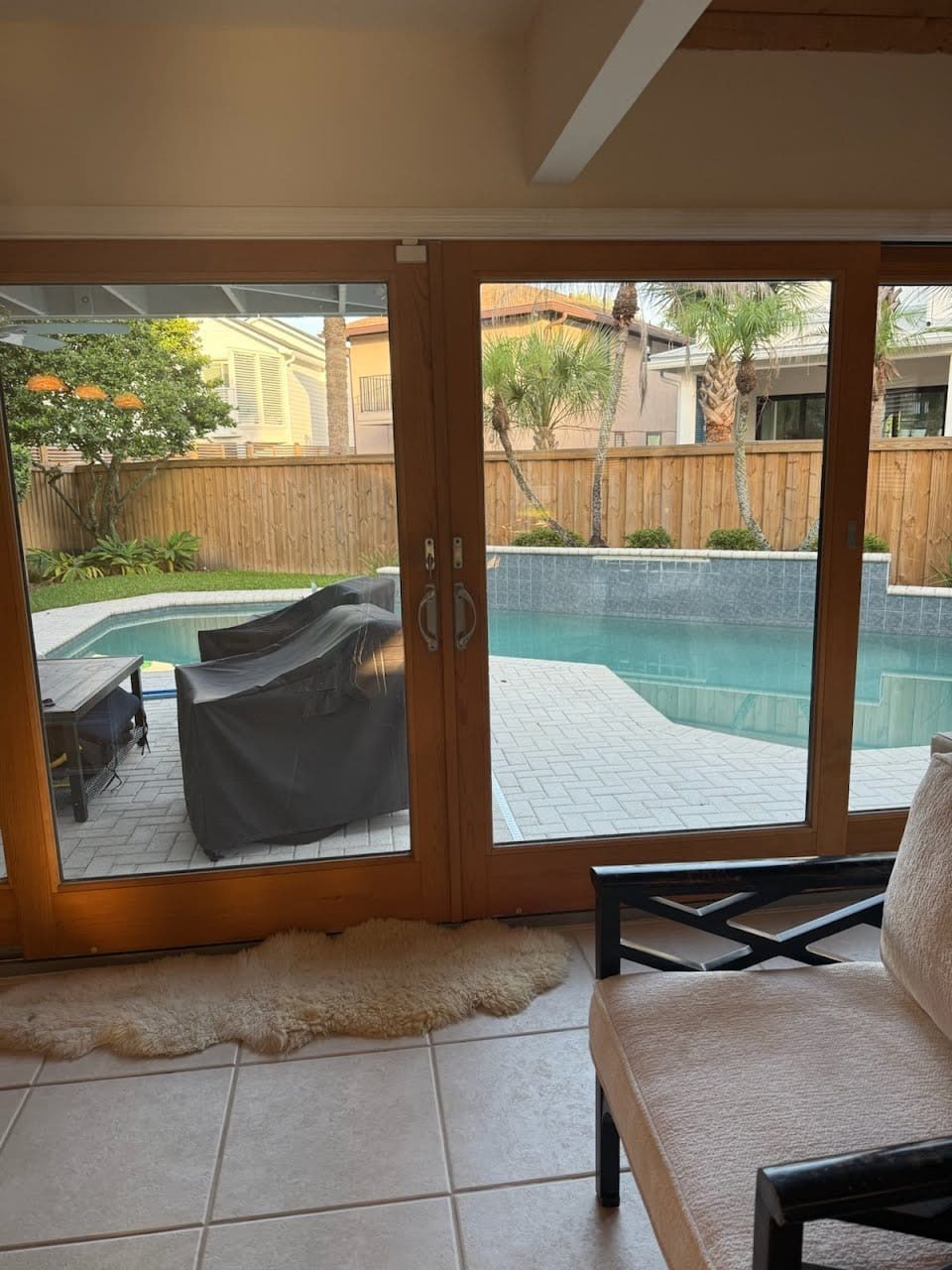
Haze on a door has several possible locations. Moisture or residue on an accessible surface may change as the glass warms or after suitable surface cleaning. Moisture that appears to be between panes of an insulated unit persists when the surfaces that can be safely reached are dry. Compare the affected panel with neighboring glass at the same time, since one may face different sunlight or outdoor conditions. Report when the pattern is visible and whether it moves, clears or leaves a mark. An assessment can identify whether there is a glass-unit problem and whether the surrounding panel is sound enough to reuse.
Record the indoor conditions when droplets appear
Note cooking, showering or a cool morning if it coincides with room-side droplets. Give the time when the glass usually clears and whether the pattern returns.
Condensation depends on moisture in the air and the temperature of the surface. Identify the side where droplets form and whether the pattern changes as the room or outside surface warms. Note nearby sources of moisture such as cooking or showering if they coincide with indoor droplets. A film that appears between insulated panes is a different clue. Avoid leaning out of an elevated opening to test the exterior. Record what can be observed from a safe position and tell the technician which surface could be reached. Condensation by itself can occur on a functioning window. A persistent pattern and the affected location guide the next check.
Consider the exposed side of the opening
On an accessible patio, exterior dew or residue may change during the day. Use the product guidance for a safe surface check and report the change.
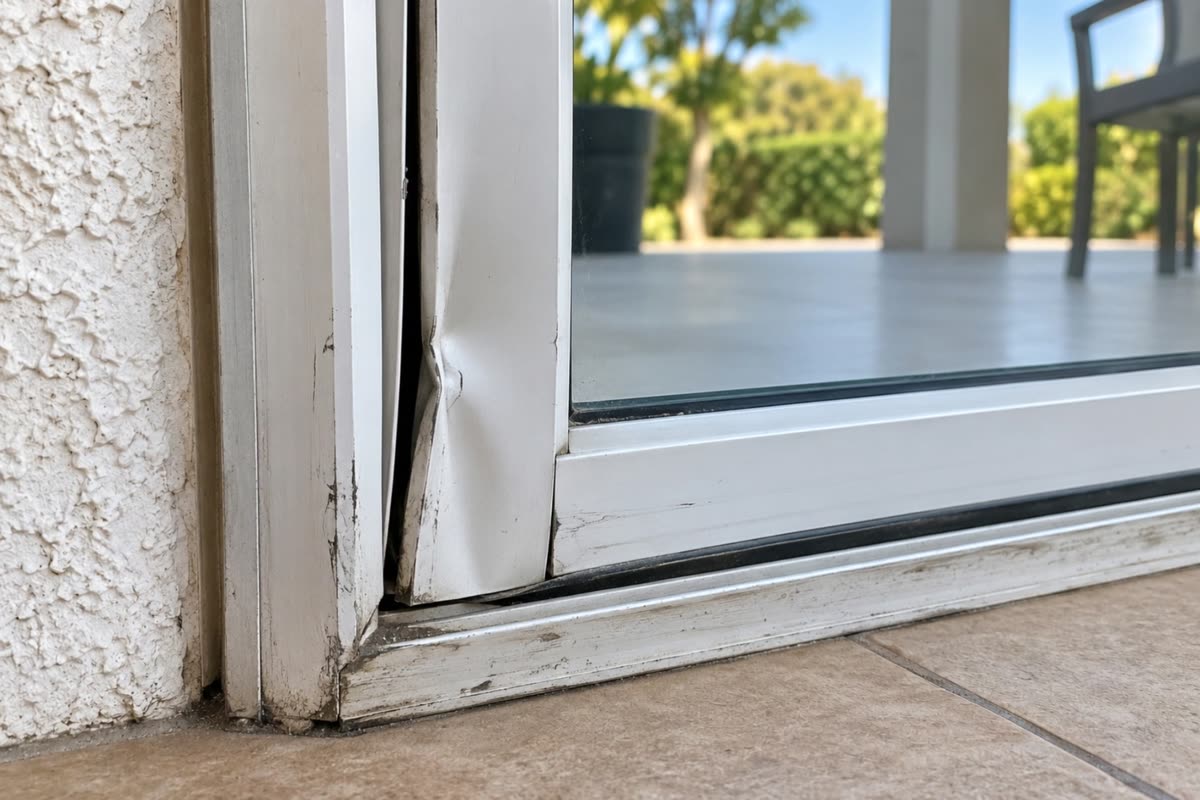
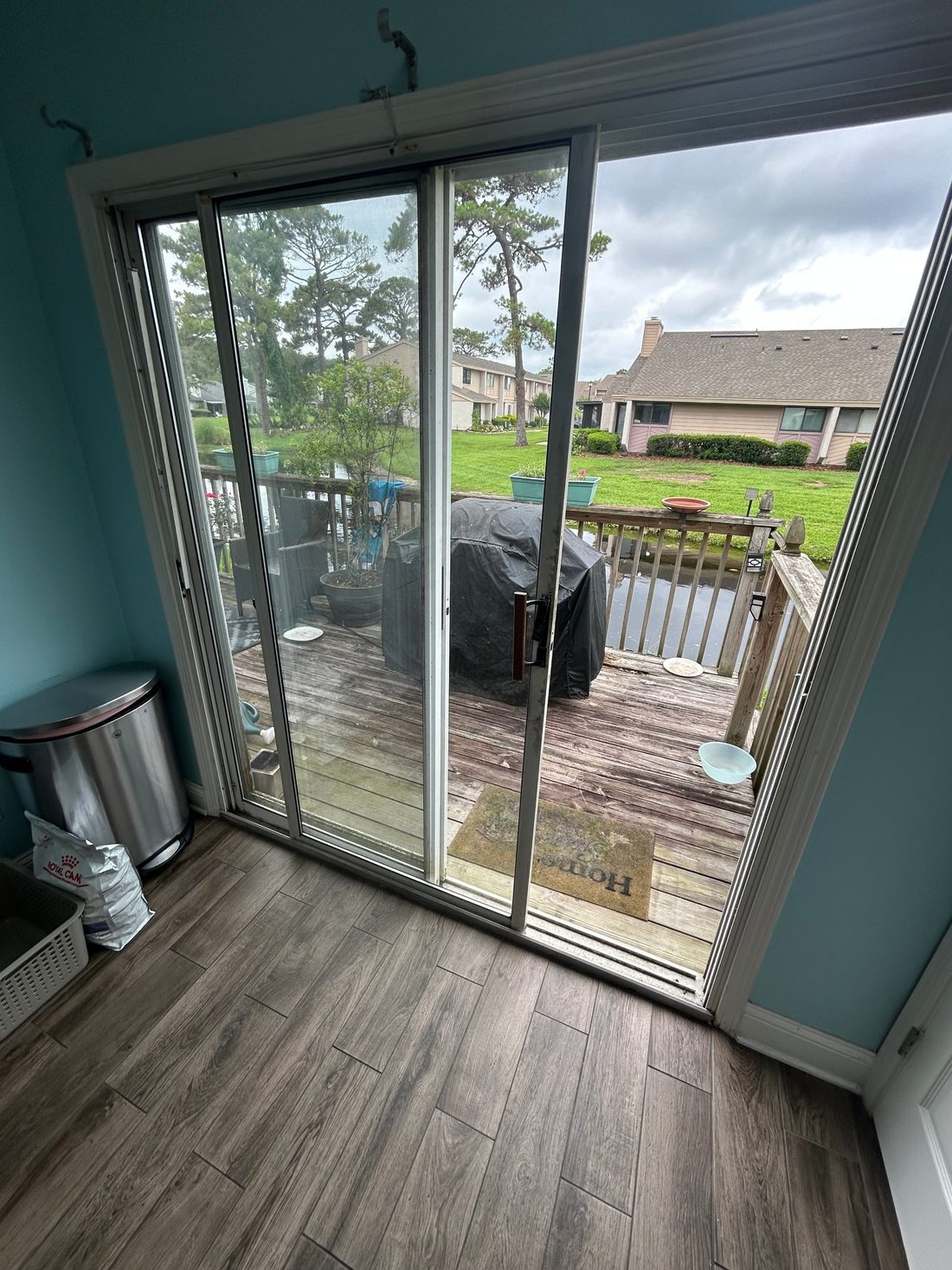
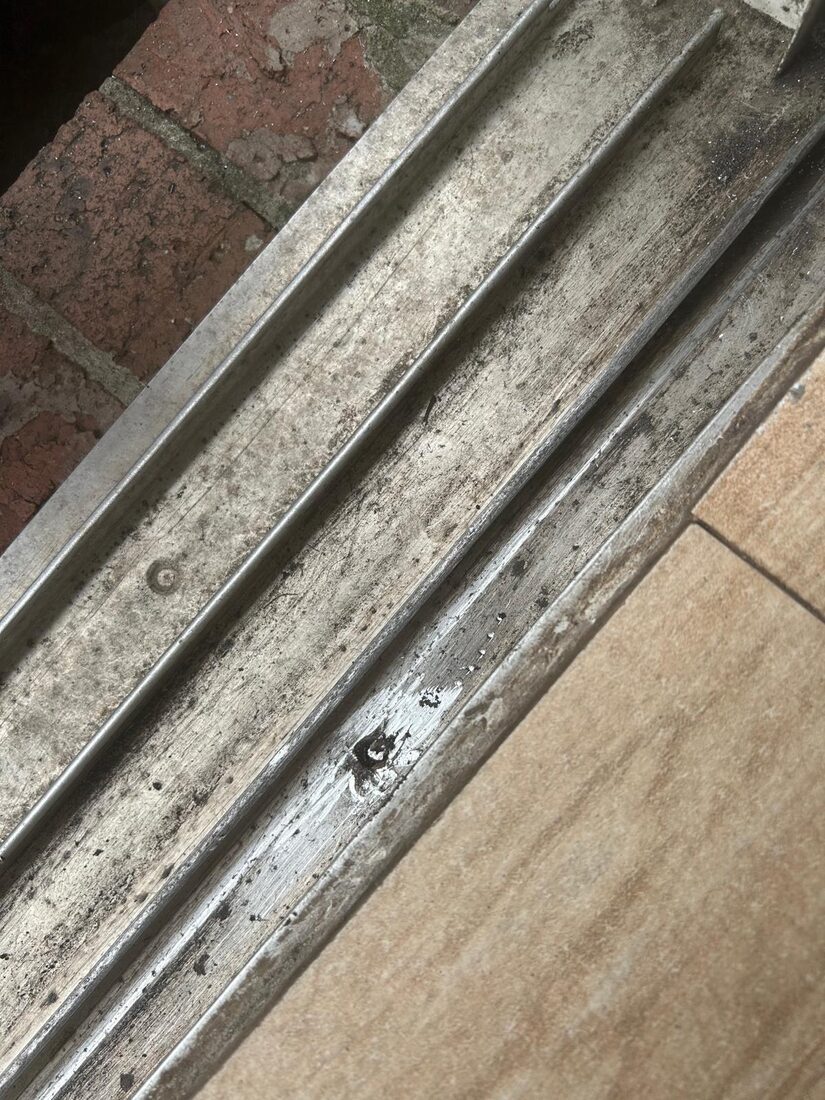
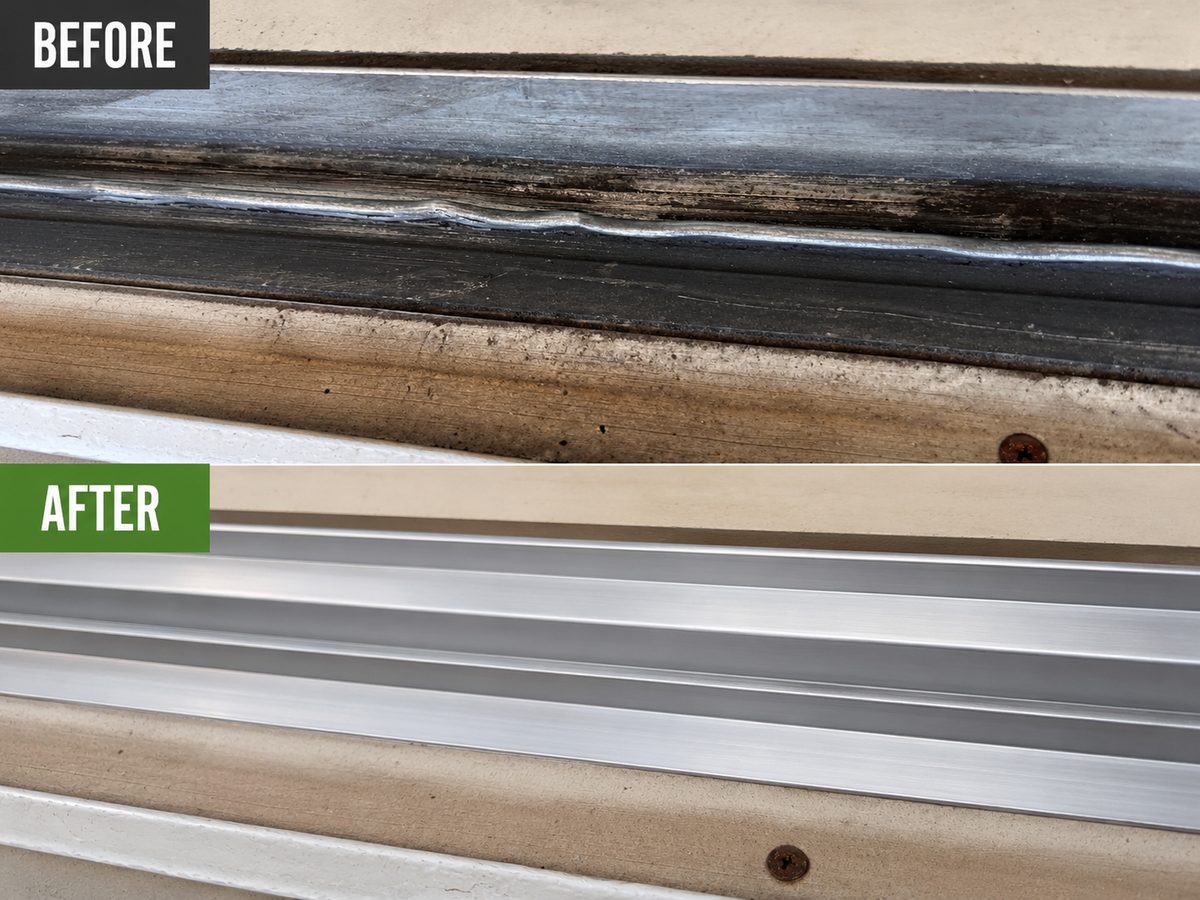
At an exposed coastal opening, light deposits can collect on exterior surfaces and in sheltered corners of a sill. Inspect the surfaces you can see safely from the room. How the panel actually travels is a separate piece of evidence. White or dull residue might be present on a door that still moves freely, while a worn part can feel rough without an obvious deposit. If the opening is elevated or beyond a narrow landing, plan any exterior care or service access with the building. Follow product guidance for materials and cleaning so attention to exposure helps preserve the finish as well as the movement.
Choose care suitable for the actual glass
Use the manufacturer instructions when cleaning an accessible surface. Take a picture of a mark that remains and avoid applying stronger products simply to see if the haze moves.
Different exterior finishes require compatible care. A painted frame, metal running strip and coated glazing can look as if they need the same cleaner when their instructions differ. Use the maker's guide for the surface involved. Avoid forcing grit across a finish with a hard tool. If a patch remains after normal care, document it before applying a stronger product. A picture of how far the mark extends can help distinguish surface residue from damage or material wear. Keep the rail and latch symptoms separate from appearance so the person inspecting the door can discuss which conditions affect operation and which affect finish.
Compare the other glass in the same opening
Describe whether the haze affects a fixed pane, moving panel or several units. Compare them at the same hour if one side receives sun earlier than another.
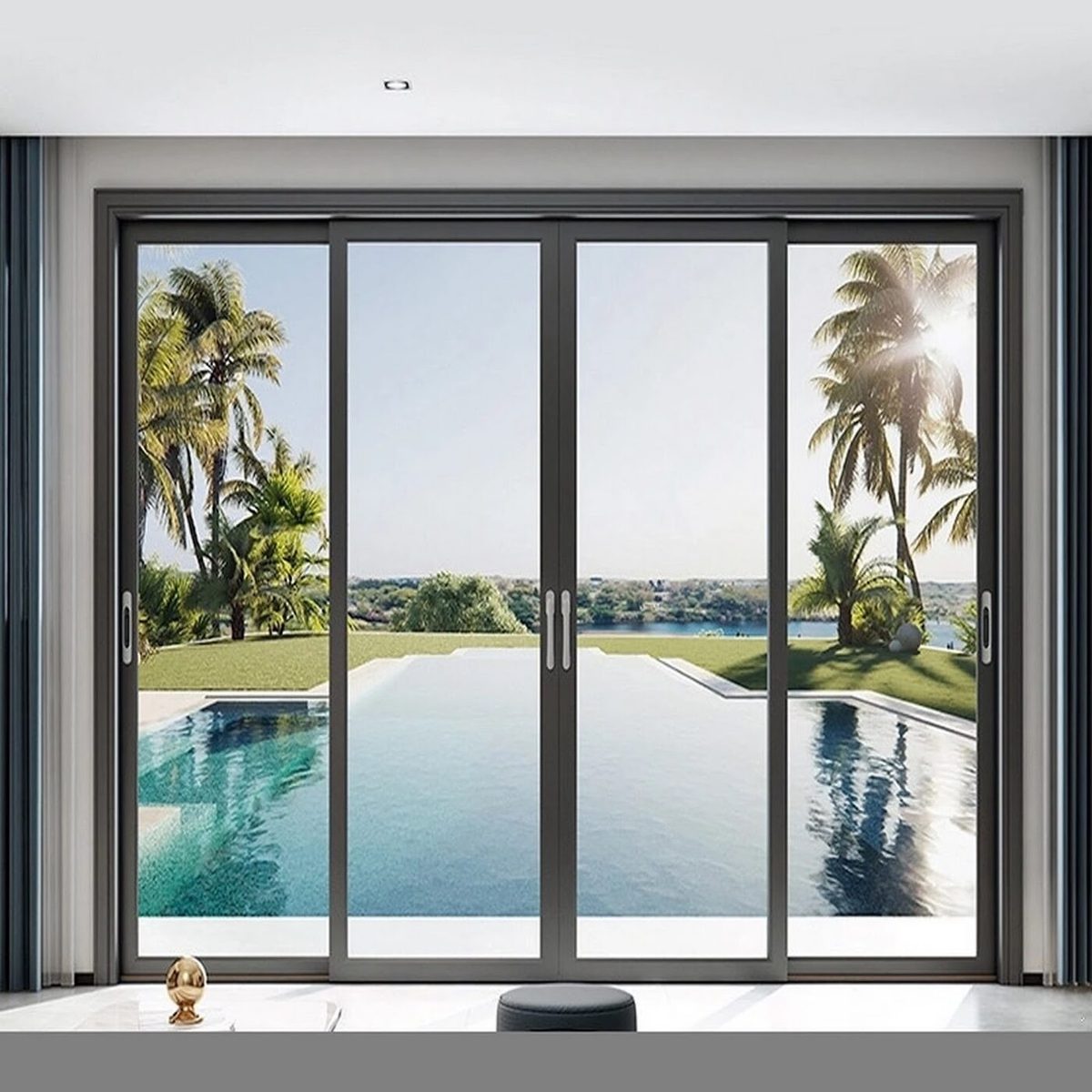
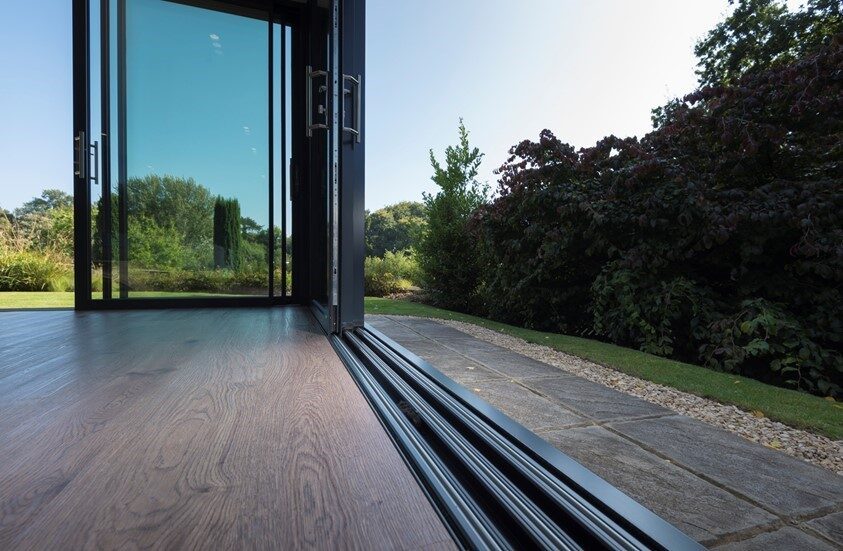
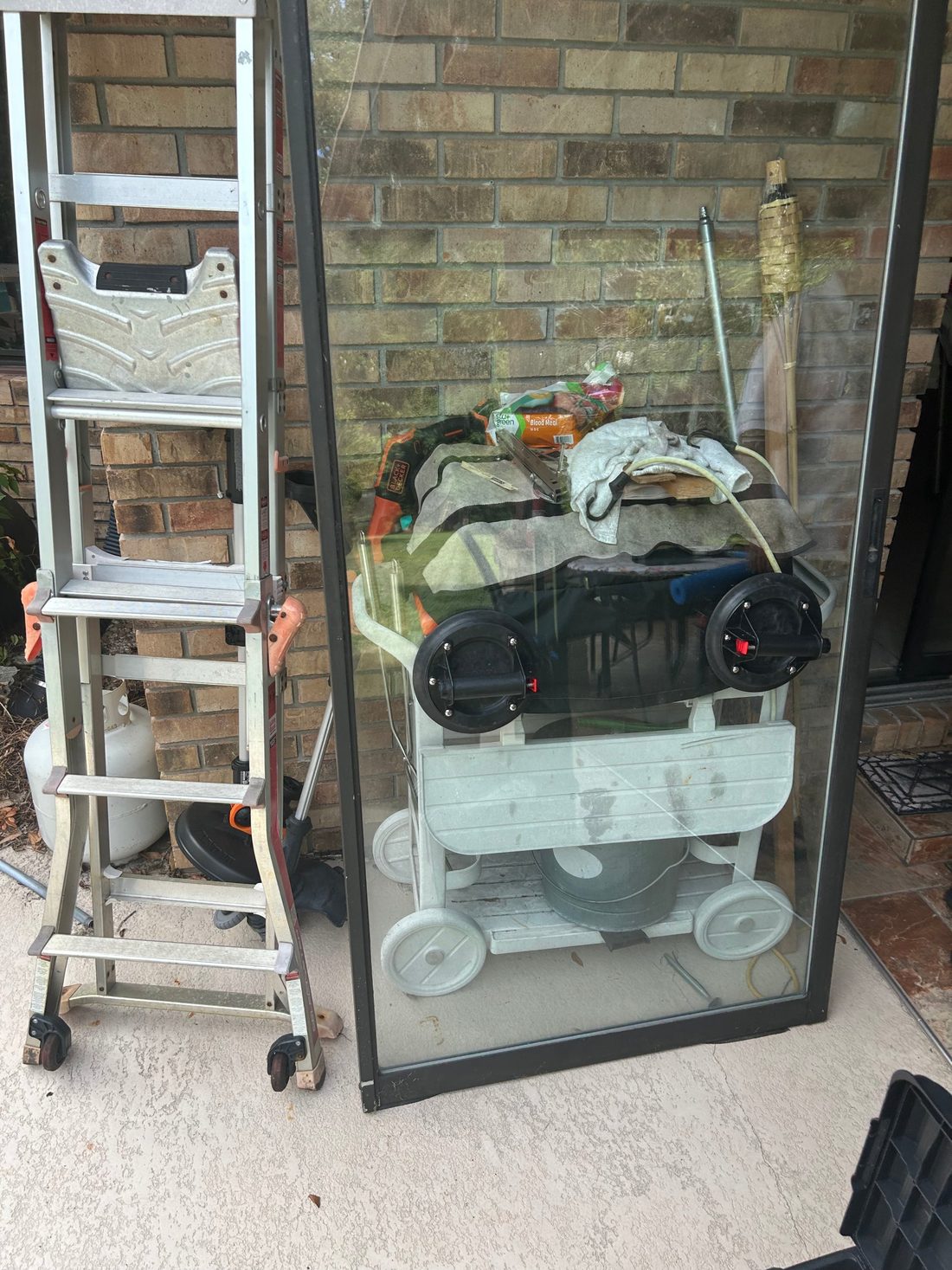
Identify which pieces of a sliding system actually move. Some openings have one active panel, some have more than one, and a stationary panel can look almost identical from inside. Use a room name and describe the affected panel from a fixed viewpoint, such as looking out from the living room. If two panels share a sill, note whether both feel rough over the same section. If the concern is glass, specify the exact pane or panel. This information helps distinguish a common track or frame problem from a defect limited to one moving unit and avoids assuming the wrong panel needs to be ordered or serviced.
Collect the product details before ordering
Look for a readable mark or paperwork while leaving the door intact. Say what year or series is actually printed rather than guessing from the frame color.
A visible brand mark can help identify a product family. An invoice, installer record or a legible label may include the model and age. Record the details exactly instead of guessing the version. Similar products can use different glass thicknesses, rollers and hardware at different times. An exterior photo shows the layout but may not reveal a hidden part or adjustment geometry. Bring together a wide shot and the identifying detail if it can be reached safely. Save the old parts or paperwork if available. This information can narrow choices before a visit while leaving the final match to an inspection of the actual opening.
Understand what a replacement glass unit needs
If the moisture is trapped, ask how thickness, safety requirements and adjacent glass appearance will be matched. Share any tint or grid expectation before the estimate.
Glass in patio doors is a product selected for the application, not simply for appearance. A replacement needs the dimensions, safety requirements, thickness and type of unit that the panel can support. Nearby panes may have particular tint, coatings or grids. A visible mark can help identify the existing glass, while the installer still needs to confirm the specification for the opening. Ask for the planned glass type in writing and how it was selected. If an association controls the outside appearance, verify that requirement before ordering. Think about how the panel will hold the replacement as well as how the new glass will look from the room.
Look at the frame that will hold the new unit
A fogged insulated unit can sit in a usable panel. Ask whether the existing retainers, support and frame remain suitable and whether the door also has a movement issue.
The part of the frame that captures the glass has its own dimensions, support and retainers. A pane ordered only from the visible size may not fit into that pocket. The thickness and edge of a replacement insulated unit also need to work with the existing sash or door panel. A warped panel or damaged retainer can change whether glass-only work is practical. Ask which components will be reused and what the technician found at the support points. On a door that also drags, check the running hardware separately. Replacing the glass addresses a glass problem while the panel still needs to travel and close correctly.
Set priorities around comfort and use
Haze that affects a view may be a different priority from a draft or afternoon heat. Tell the technician which of those concerns you notice in the room.
A bright room and a hot room can overlap, but glare, daylight and solar heat are distinct observations. The orientation of the opening, time of day, exterior shading and the room's use all affect the trade-off. A patio door used for reading or television may need a different balance from one whose main role is a view. Compare product ratings and glass appearance in the actual configuration you want. If the room already has intact glass and the only issue is air at the closing edge, diagnose the seal and fit separately. Photograph the opening in the light that causes the concern if you are comparing choices.
Plan any building approval
For a shared facade, ask whether the association wants a glass description or finish sample. Give the floor and available access before someone orders a wide unit.
Make a two-part plan for a condo opening. First, identify the defect and the exact pane, panel or hardware involved. Second, ask management how a visit and any visible change can be handled. Explain whether the service provider would need the balcony side, a loading entrance or a clear interior path. A building can approve the appearance and still need a separate reservation for access. Keep the proposal with photos of the whole opening and the information about what will remain. When service is complete, pass along the actual installed description so the property contact has a record of the exterior and the repair.
Local examples in Carlsbad and San Marcos
A Carlsbad slider may show exterior droplets in the morning and clear as its surface warms. In San Marcos, an owner might see a persistent patch in one fixed panel while adjacent glass is clear. Record each pane and the time you observed it. A La Jolla condo owner can also bring the property contact into the conversation early if a replacement affects how the balcony glazing looks from outside.
Questions to ask
Can a cloudy insulated unit be diagnosed from one photo?
A photo helps when it shows the panel and timing. An evaluation can confirm where the haze lies and whether the surrounding frame can support a glass-only repair.
Does room-side condensation mean the glass needs replacement?
Identify the surface, temperature pattern and indoor moisture conditions first. The appropriate response depends on what is causing water to form in that location.
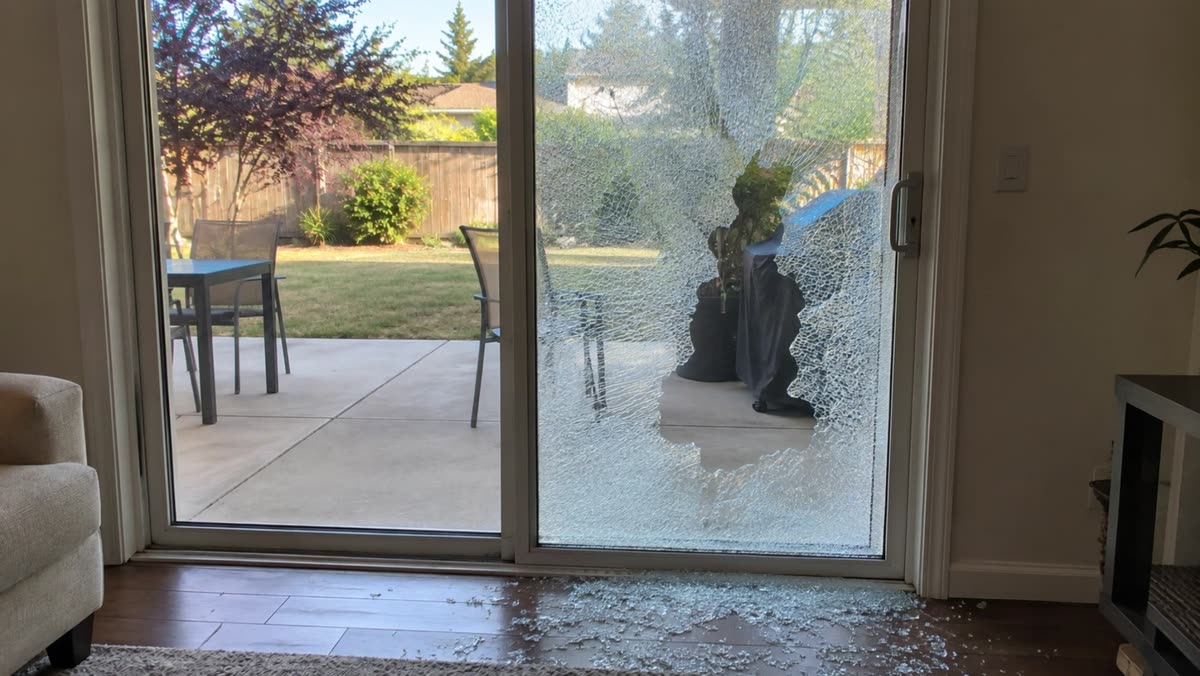
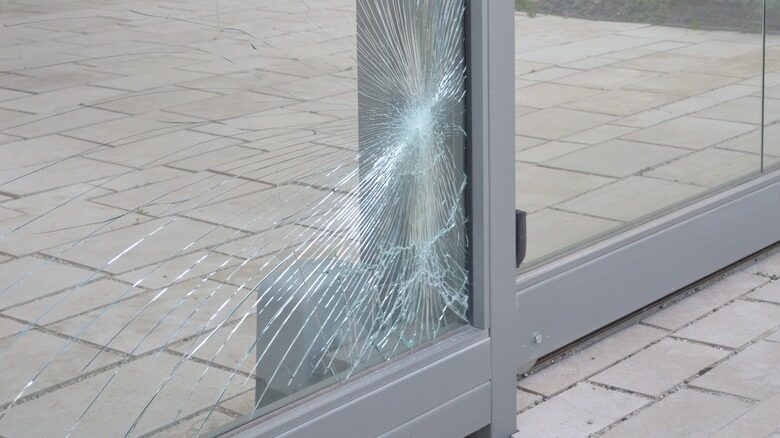
What if haze appears with a crack?
Keep the door still and give the damaged pane space. Report both conditions and arrange an assessment from a safe position.
Local service and related pages
Explore Sliding Door Glass Replacement, Sliding Door Panel Replacement. Service-area details are available for Carlsbad, San Marcos, La Jolla. Call 619-389-3123 or send a service request to describe the opening at your property.