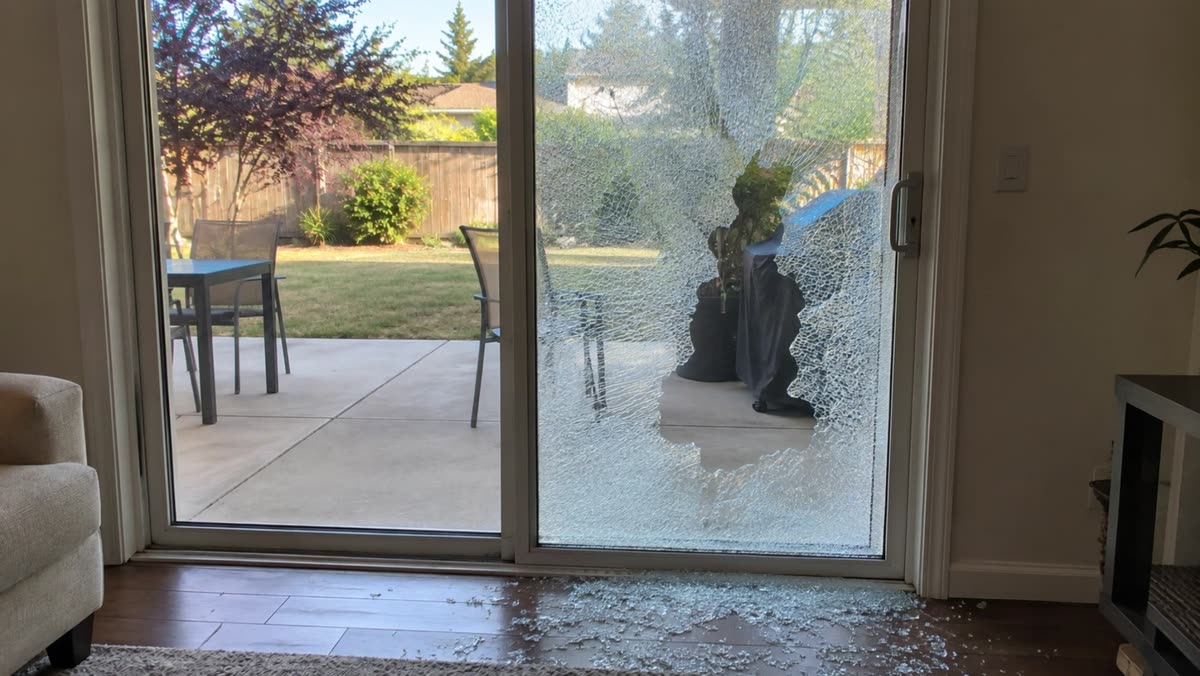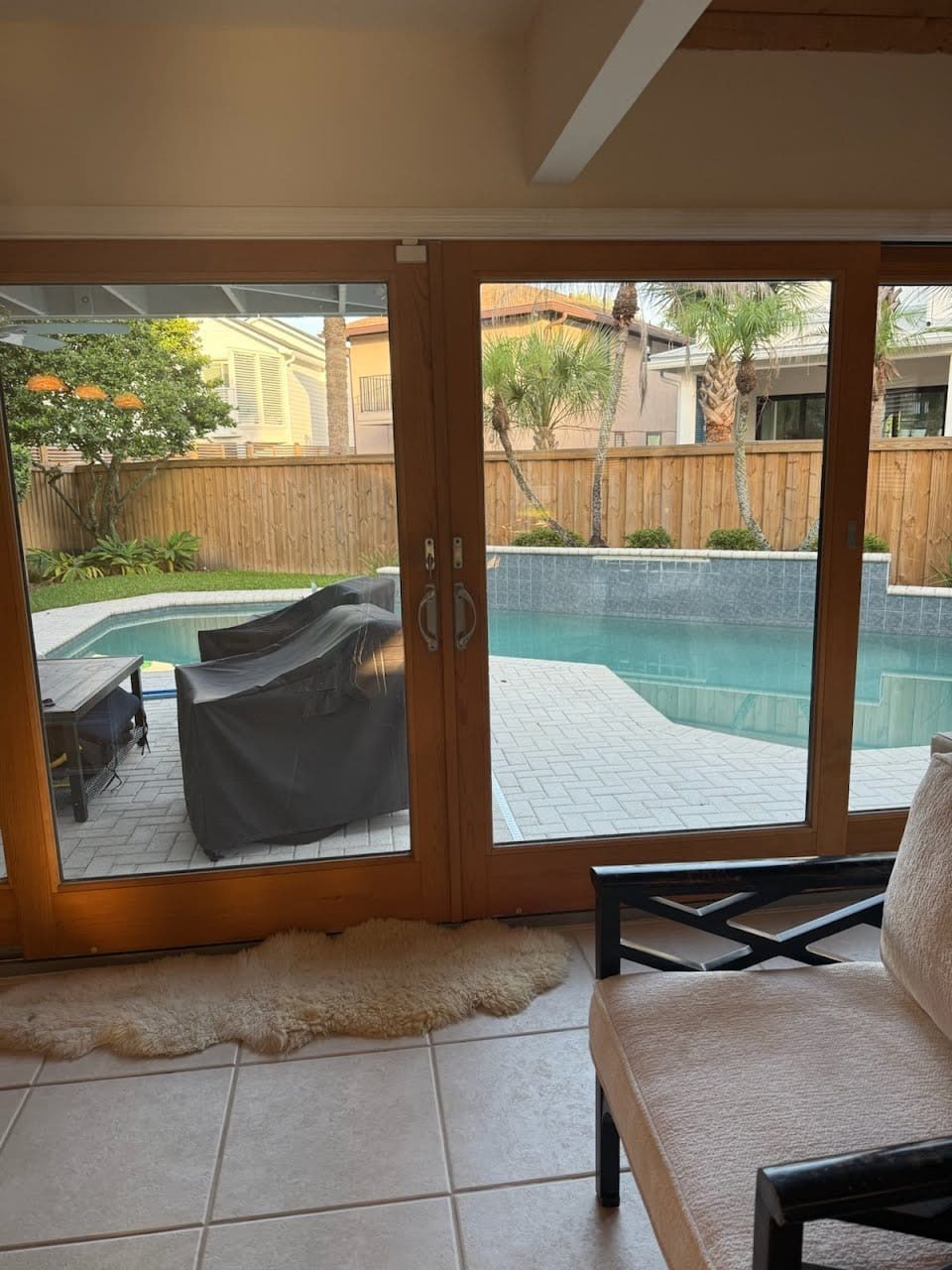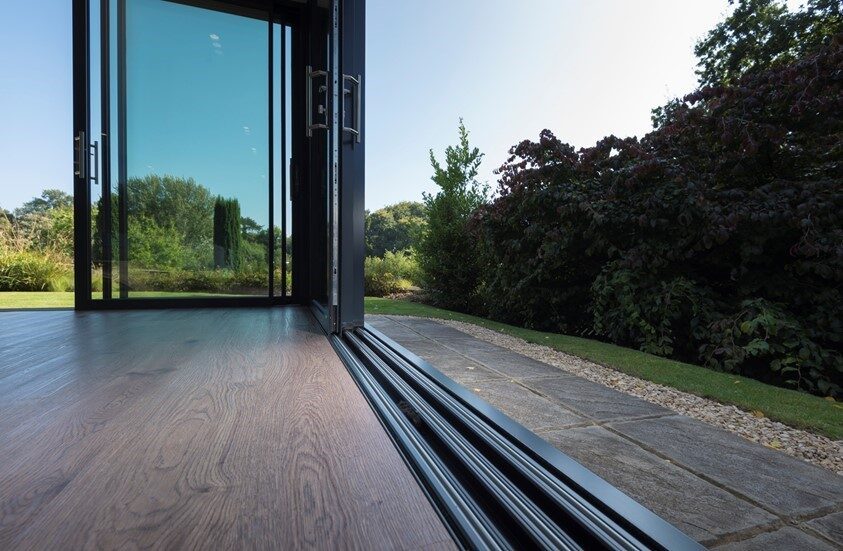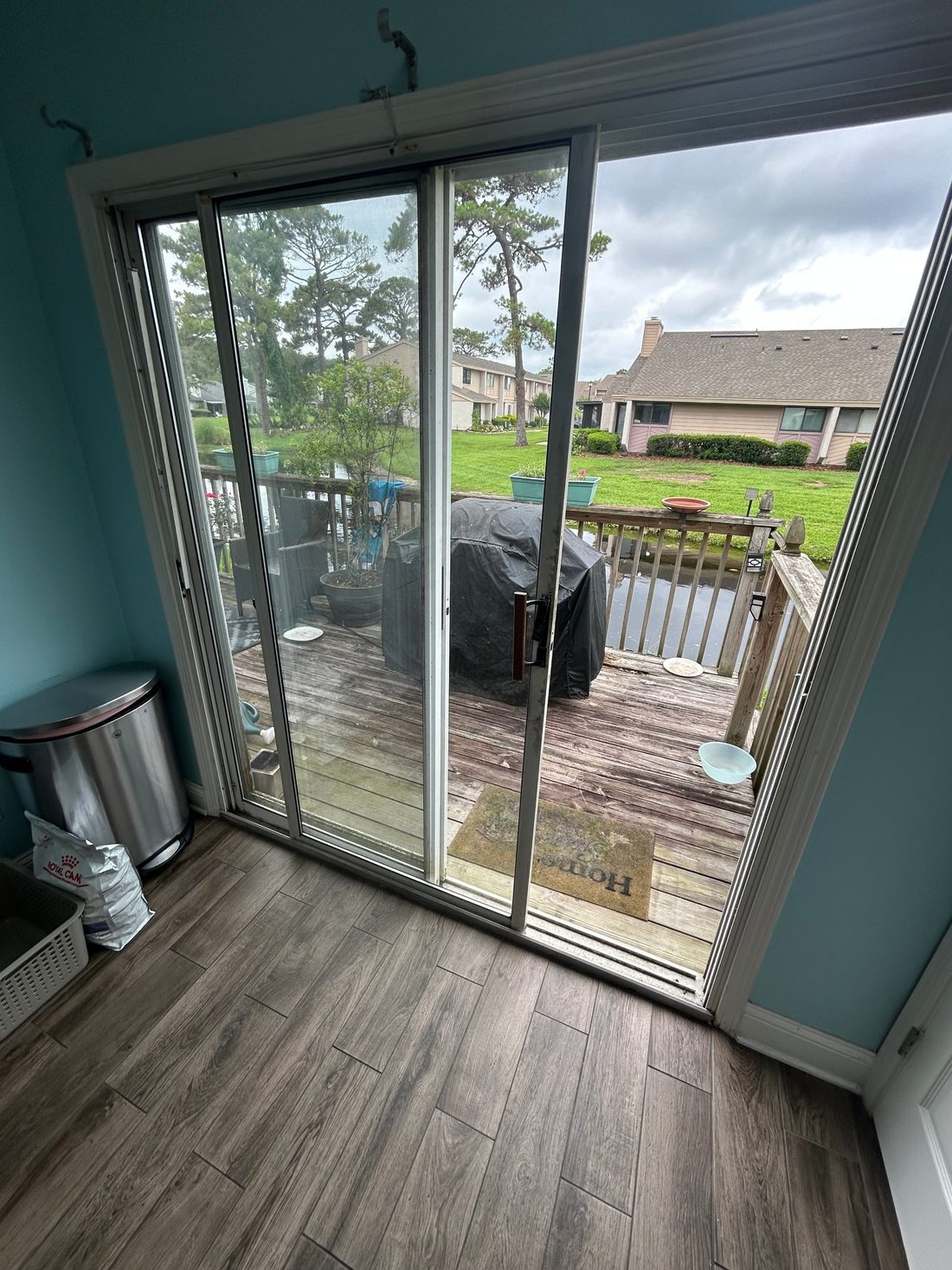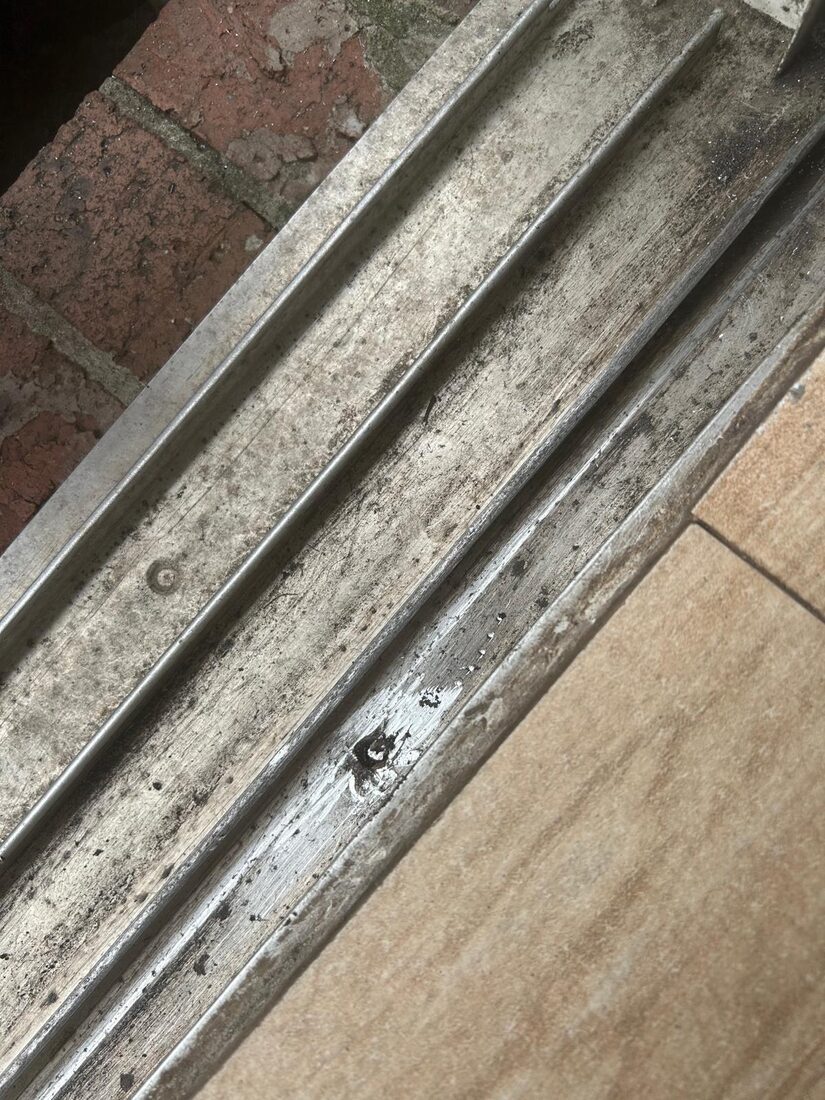
Start with what the room feels like and when. A sunny afternoon can be uncomfortable for a different reason than a draft at the closing edge on a cool evening. Energy labels help compare proposed units on the same terms. The existing opening, its shading and how it seals still matter when you decide whether to repair a door or change it.
Read U-factor and solar heat gain separately
Ask for the NFRC ratings of the actual quoted door. A lower U-factor indicates less heat transfer, while a lower SHGC admits less solar heat.
Whole-product performance ratings help compare doors and windows that you are considering. U-factor is about heat transfer, while solar heat gain coefficient describes the fraction of solar heat transmitted through a product. The numbers answer different questions. A label may also include visible transmittance or air leakage information. Use the rating for the configuration being quoted and consider which side of the home the opening faces. Installation and closing fit still affect real comfort. A door that admits air around its edge can be uncomfortable even if the glass was selected to reduce solar heat. Ask to see the rating for the complete product where it applies.
Distinguish daylight from afternoon heat
Write down the problem hour and the room activity. A screen, shade, glass selection and closing fit address different kinds of discomfort.
A bright room and a hot room can overlap, but glare, daylight and solar heat are distinct observations. The orientation of the opening, time of day, exterior shading and the room's use all affect the trade-off. A patio door used for reading or television may need a different balance from one whose main role is a view. Compare product ratings and glass appearance in the actual configuration you want. If the room already has intact glass and the only issue is air at the closing edge, diagnose the seal and fit separately. Photograph the opening in the light that causes the concern if you are comparing choices.
Record the exposure of the actual opening
Note compass direction, shelter and when direct sun reaches the glass. The conditions at one opening can vary within the same ZIP.
San Diego County has substantial differences between the coast, inland valleys and higher areas. A single zip code or a regional forecast gives a rough setting for the opening. The details that matter at the door are the direction it faces, whether it sits under cover, the water or debris that can reach it and how often it is operated. When a symptom occurs only in certain weather, record both a problem day and a normal day. A dated comparison helps distinguish a condition tied to exposure from a wheel, latch or frame problem that gradually worsened and happened to be noticed after a storm.
Check where air can reach the room
If you feel a draft along one edge, identify the panel position and seal contact. A correctly specified glass unit still needs a properly closed opening.
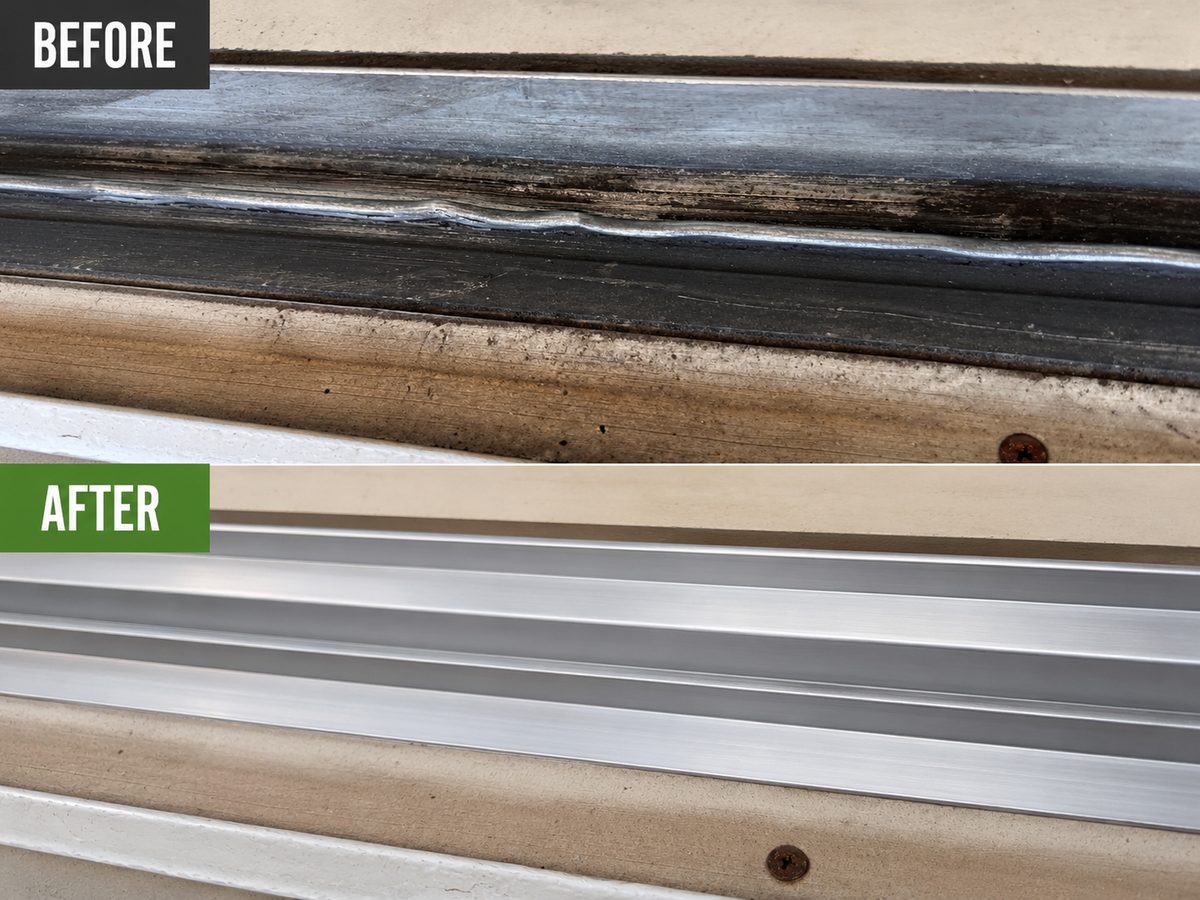
Some of the pressure at closing comes from the materials intended to seal where the panel meets the frame. A loose or compressed strip may leave a gap. A displaced strip can contact the moving panel too early or change the effort needed for the latch. Seals and wheels solve different conditions. Ask the technician to show whether the panel sits properly against its intended contact surfaces before specifying a new seal. A generic strip that looks similar can have a different profile or thickness. The right part should allow normal movement and closing while working with the existing drainage and hardware arrangement.
Look at the center and the closing side
Check where the panels overlap and where the latch seats. Air along the meeting edge and air at the jamb may have different causes.
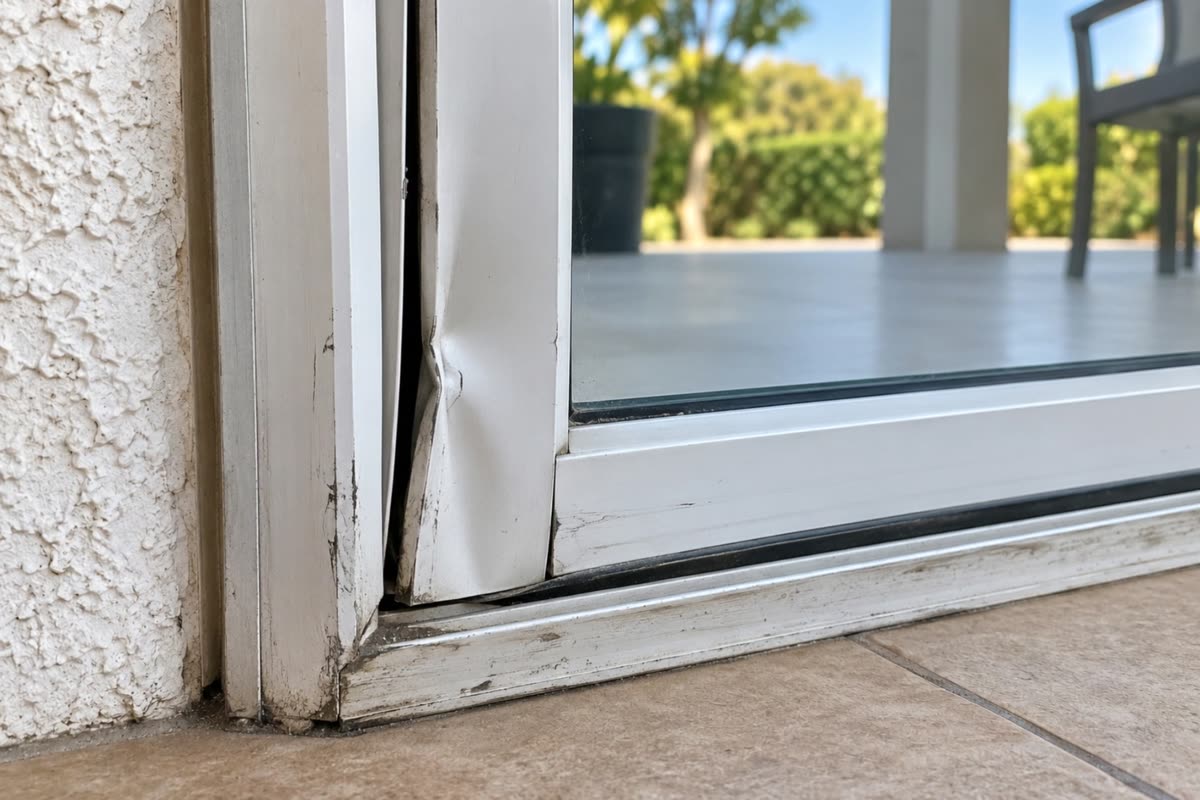
At the middle of many sliders, the moving and fixed panels meet at shaped vertical edges. The profiles may overlap and can have seals intended to contact when the door is closed. A gap here is different from one along the outer closing jamb. Look from indoors at whether the space is even along the height or changes near one corner. A dropped panel, damaged profile or missing seal can affect the overlap. Record whether the panel reaches the latch and whether the meeting edge rubs during travel. A repair should restore the intended engagement of both the middle and the closing side.
Compare the door as installed
Discuss how the proposed unit will meet the actual opening and threshold. A performance rating does not describe what happens at a poorly fitted perimeter.
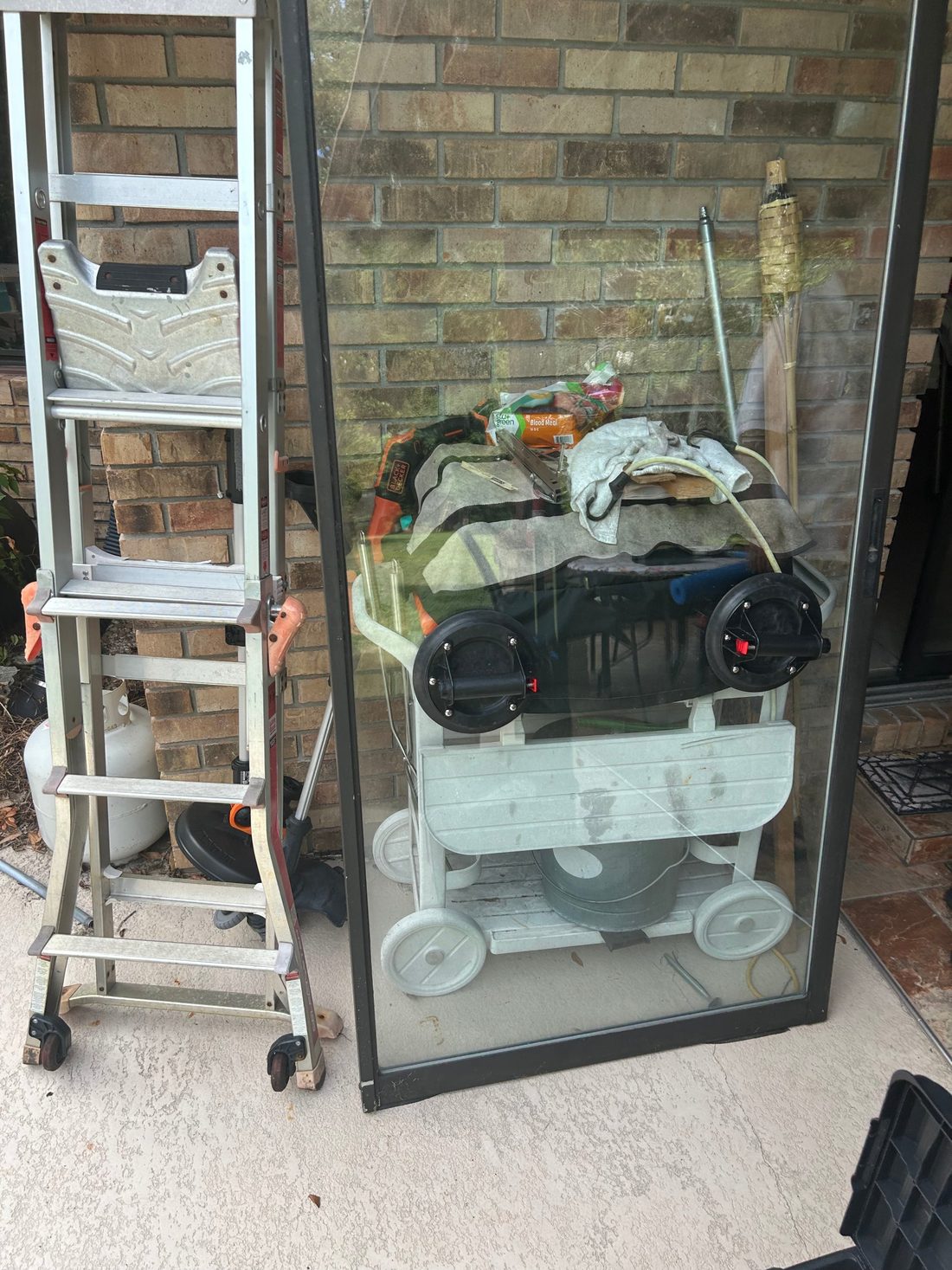
A panel can appear centered in a distant photo even though one corner touches too early. Have the technician identify the first contact and show how it relates to the surrounding frame. A gap along a full edge, a wedge shape and a rub near one point tell different stories. The support under the sill and the condition of the jamb can affect how a panel stays aligned. If a new floor, seal or hardware preceded the change, say so early. Ask which parts can be adjusted and which require repair. The goal is stable clearance through travel and an even fit at closing.
Consider the user's clear passage
The rated configuration should also meet the room's layout and use. Ask which panel moves and the real clear passage at the opening.
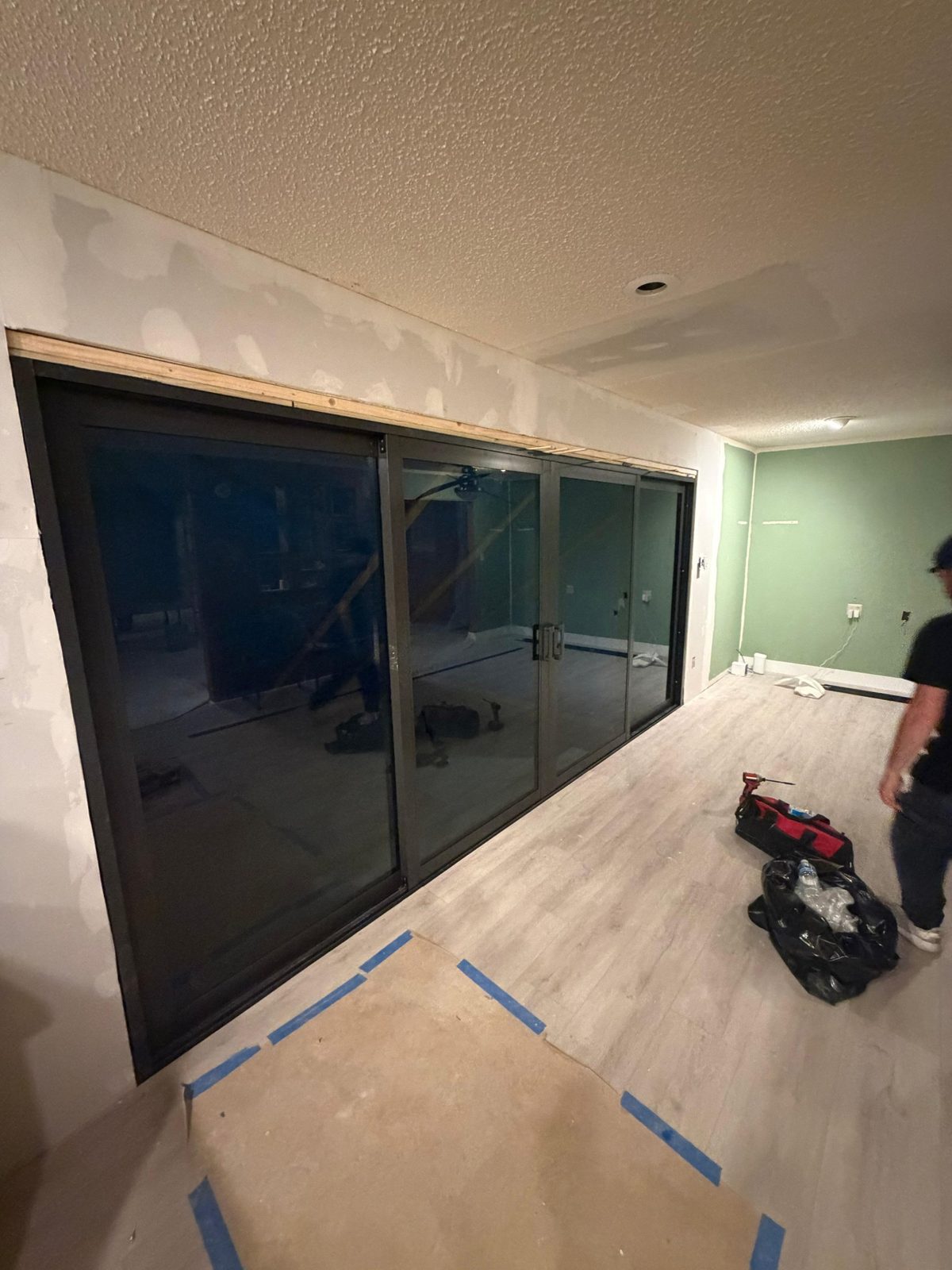
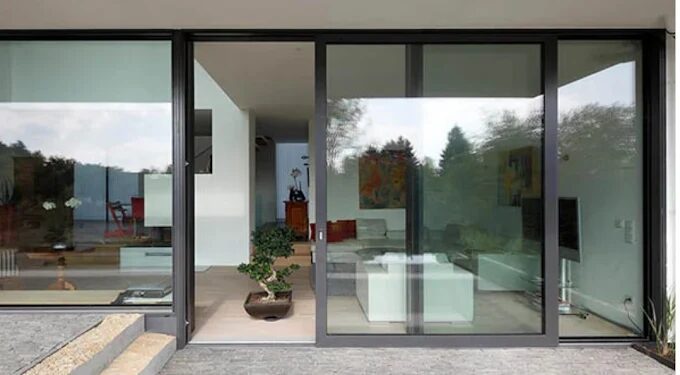
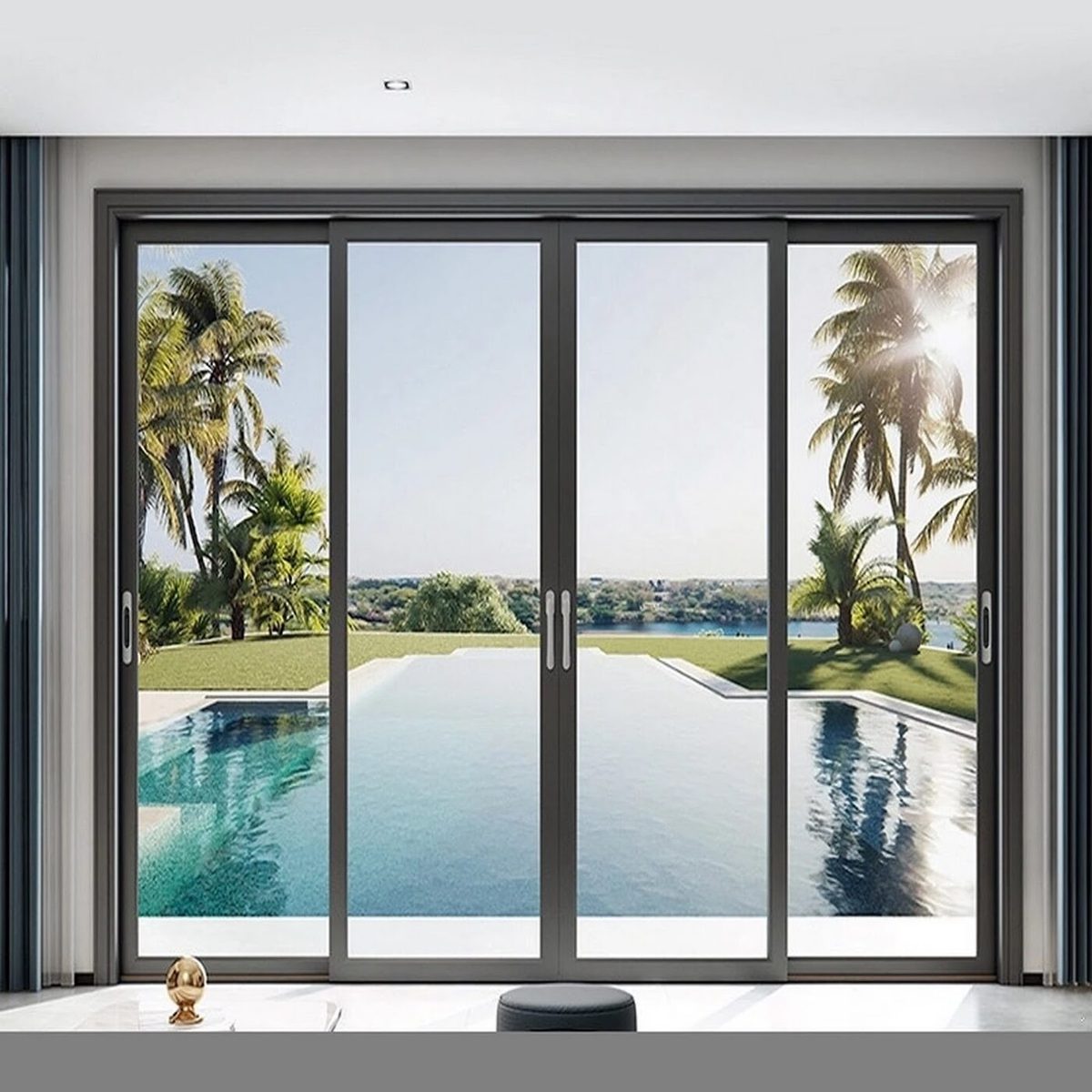
Different door layouts use the same opening in different ways. A two-panel slider often has one stationary side and one active side, while more complex configurations can allow more than one panel to move or stack. Compare usable passage with the room as furnished and the outside landing as it is built. A larger overall unit does not automatically give the passage you expect. Ask the supplier for the opening direction, active panel width, frame depth and clear passage of the specific configuration. That lets you see whether the chosen layout serves daily use as well as fitting the wall and patio.
Confirm California requirements at the address
The California Energy Commission climate zone tool helps identify the location. Have the relevant office or professional confirm requirements for the actual project.
Approval rules depend on the jurisdiction, use of the building and scope. A City of San Diego property and an address in another city or unincorporated county area can be handled by different offices. Explain whether the work is component repair, replacement in an unchanged rough opening or a change to the opening and wall. Ask the relevant building office which documentation applies. An association can have a separate process for exterior appearance or access. Give the contractor any written requirement before a unit is ordered. That way measurements, the planned product and the approval description can all refer to the same scope.
Ask what part repair could improve
If the panel has a distinct gap, fit and sealing work may be worth assessing. Compare those effects with what a new complete unit would change.
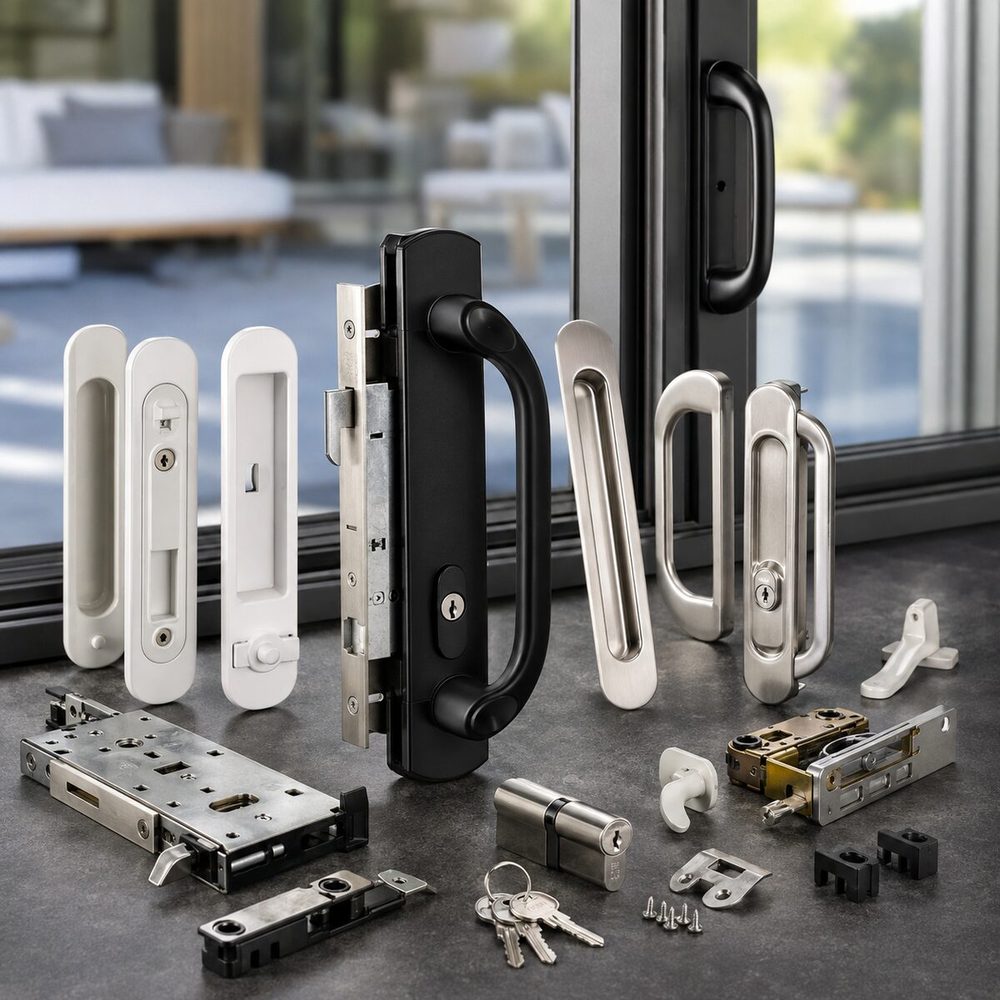
Consider the job at three levels. A compatible component can restore a sound door. A panel replacement can make sense if the frame and hardware support an available match. A complete unit can address an opening whose frame or layout needs to change. Ask the technician to explain which level deals with the issue and what evidence supports it. Include the clearance, appearance and threshold you expect when finished. If a past part is discontinued or concealed damage is found, request a new description of the available scope. A proposal should help you compare actual outcomes instead of choosing by the size of the part alone.
Make sure the quote identifies the exact product
Compare written specifications and include installation at the opening. Check the rating and configuration for what will actually be ordered.
Compare proposals by the work they actually cover. Mark the door, the observed condition, the part or assembly and the test at the end. If one proposal assumes the frame can be reused and another includes a new unit, ask both providers what they observed about the frame. Confirm how approvals, access and a possible second visit are handled. Check whether the price includes the finishing work relevant to your opening. A useful comparison makes the assumptions visible and gives you an opportunity to decide what matters. Keep the written scope with the product data and any separate requirements from the property.
Keep the product data after the work
Save the label, scope and care information. Note what you expected to improve and any issue still present at the time of the final check.
Before the service provider leaves, make a record that will be useful without the people who were there. Use the room or entrance name and describe the observed issue, work completed and parts that remained. If a damaged component still needs a decision or order, give the next action and approval contact. Keep photos and paperwork together. For a homeowner, this can make a future call clearer. For a manager, it helps staff hand responsibility from one person to another and distinguish one doorway from another. Capture ordinary closing, travel or other outcome that mattered in the original request.
Local examples in San Diego and Del Mar
A Del Mar slider with a sheltered orientation and a Poway room that receives direct afternoon sun may call for different comfort priorities. In both places, mark the hour and location of the concern. A hot patch near the glass during sunshine and a cold current at the latch in the evening are different clues. At a San Diego address, confirm the actual climate zone and applicable requirements when a new unit is being specified.
Questions to ask
Does a lower SHGC mean every room will be more comfortable?
It means the product admits less solar heat under the rating conditions. Consider shading, daylight, orientation and when the room needs comfort.
Can a draft be fixed without changing the glass?
Yes, if the cause is a repairable gap or seal. The door's fit and condition help determine whether that scope is practical.
Where should I find the rating?
Ask for the manufacturer's NFRC information for the exact product and configuration being quoted. Keep a copy with the order.
Local service and related pages
Explore Sliding Door Installation, Sliding Door Weatherstripping, Sliding Door Gap Repair. Service-area details are available for San Diego, Del Mar, Poway. Call 619-389-3123 or send a service request to describe the opening at your property.