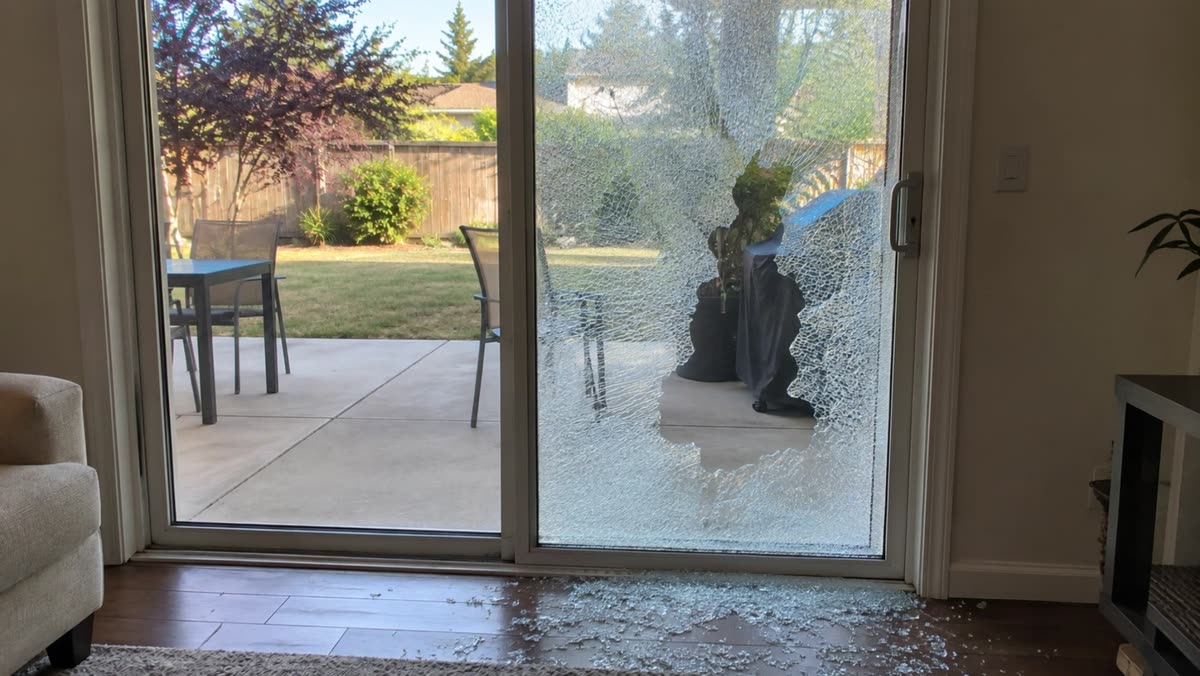
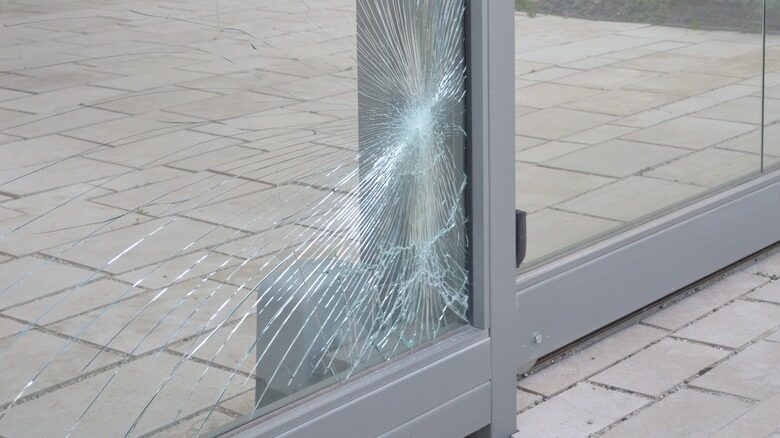
A cracked patio pane can change a family's plans for the day, especially when the door faces an outdoor area or is part of a frequently used route. The first useful details are which glass is damaged, where the panel sits and who has access to either side of it. Keep the area clear and gather information from a safe position while arranging service.
Give the damaged opening space
Keep people and pets away from the door and tell the service provider if glass has fallen inside or outside. Leave the panel in the position where you found it.
Give the location of the break and the rest of the opening's condition. A fracture contained in the glass and pieces on the floor present different handling needs. Describe the panel as viewed from a safe distance and keep people away from both reachable sides. If an exterior walkway or common area is affected, inform the property contact so access can be managed. The professional can identify the safety glazing and how it was retained before selecting a replacement. Tell us if the door can be left in its current position and whether anyone uses it as a necessary route. Those details help plan the visit.
Say whether the panel itself shifted
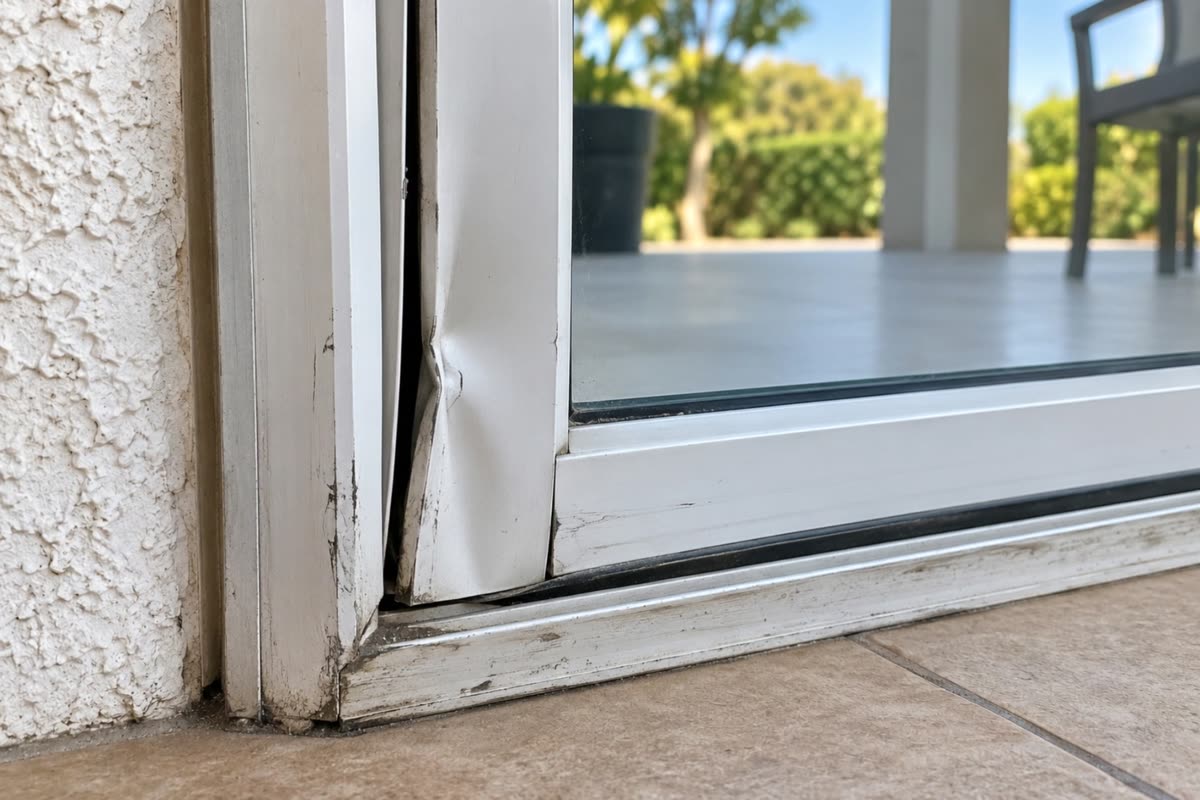
Mention whether the door is tilted, loose in its normal path or separated from a frame component. Stable access and glass handling need to be planned for the actual condition.
A glass panel that leans, lifts unexpectedly, sits partly off its normal path or appears loose is no longer a routine cleaning problem. Clear the immediate area and keep the panel where it is if you can do so without approaching the opening. Describe what changed and how the area is being kept clear. A wide picture from a safe position may show which corner or part of the opening is involved. A heavy panel can become less stable when someone tries to pull it back into position or asks another person to hold it. The repair plan needs the right support and access before anyone attempts to move it.
Identify moving or fixed glass
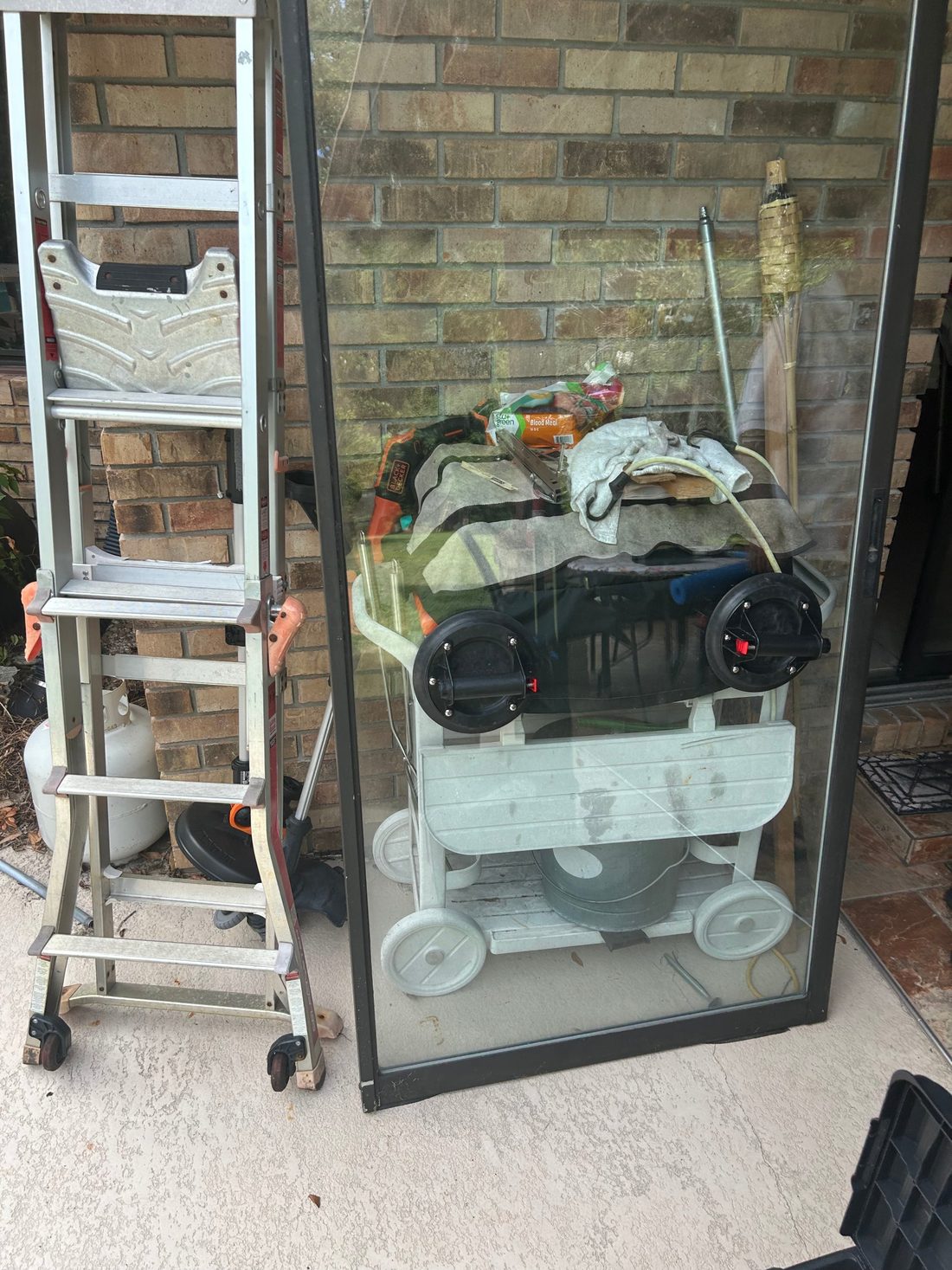
A wide photo can show whether the crack is in the active panel or an adjacent fixed section. Label the view as looking out from indoors.
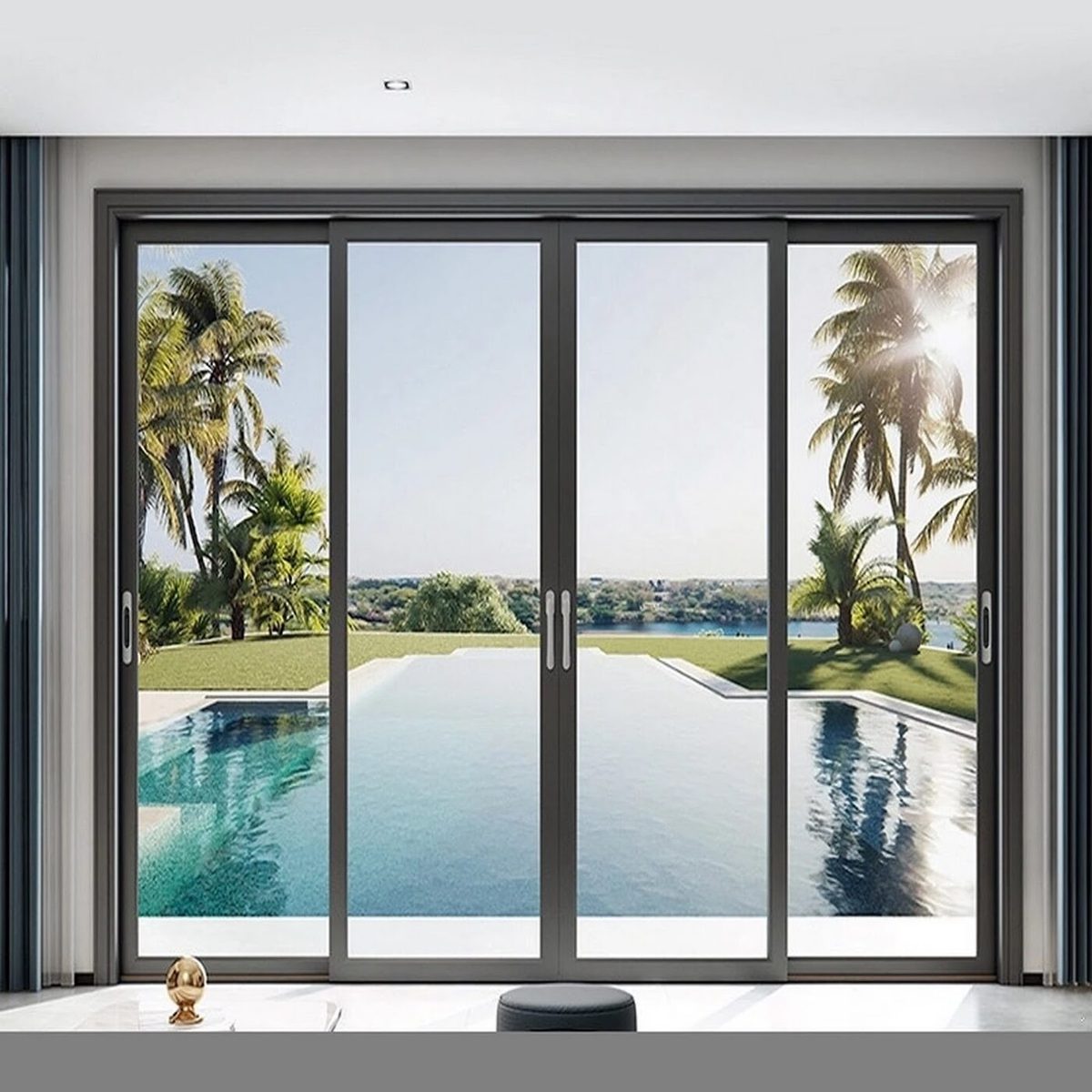
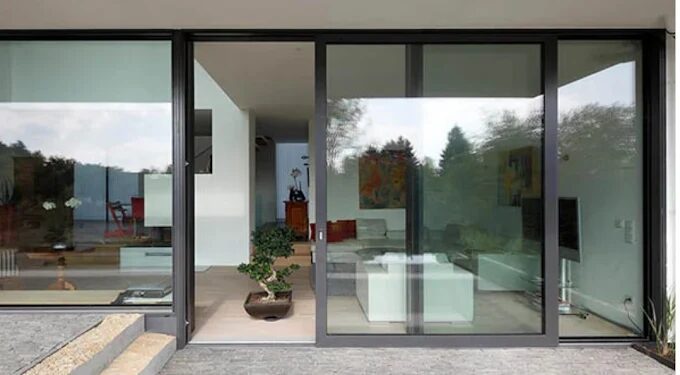
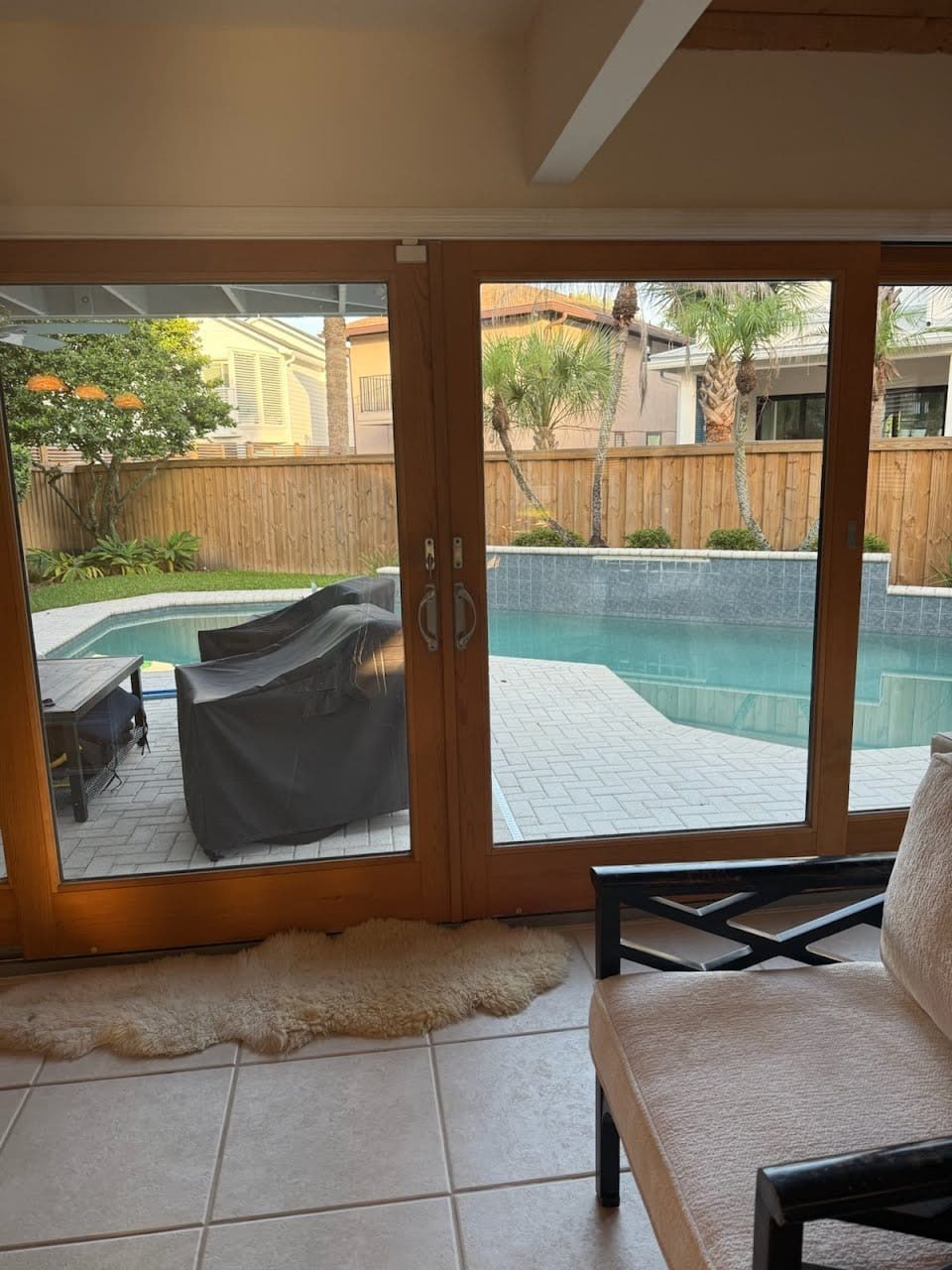
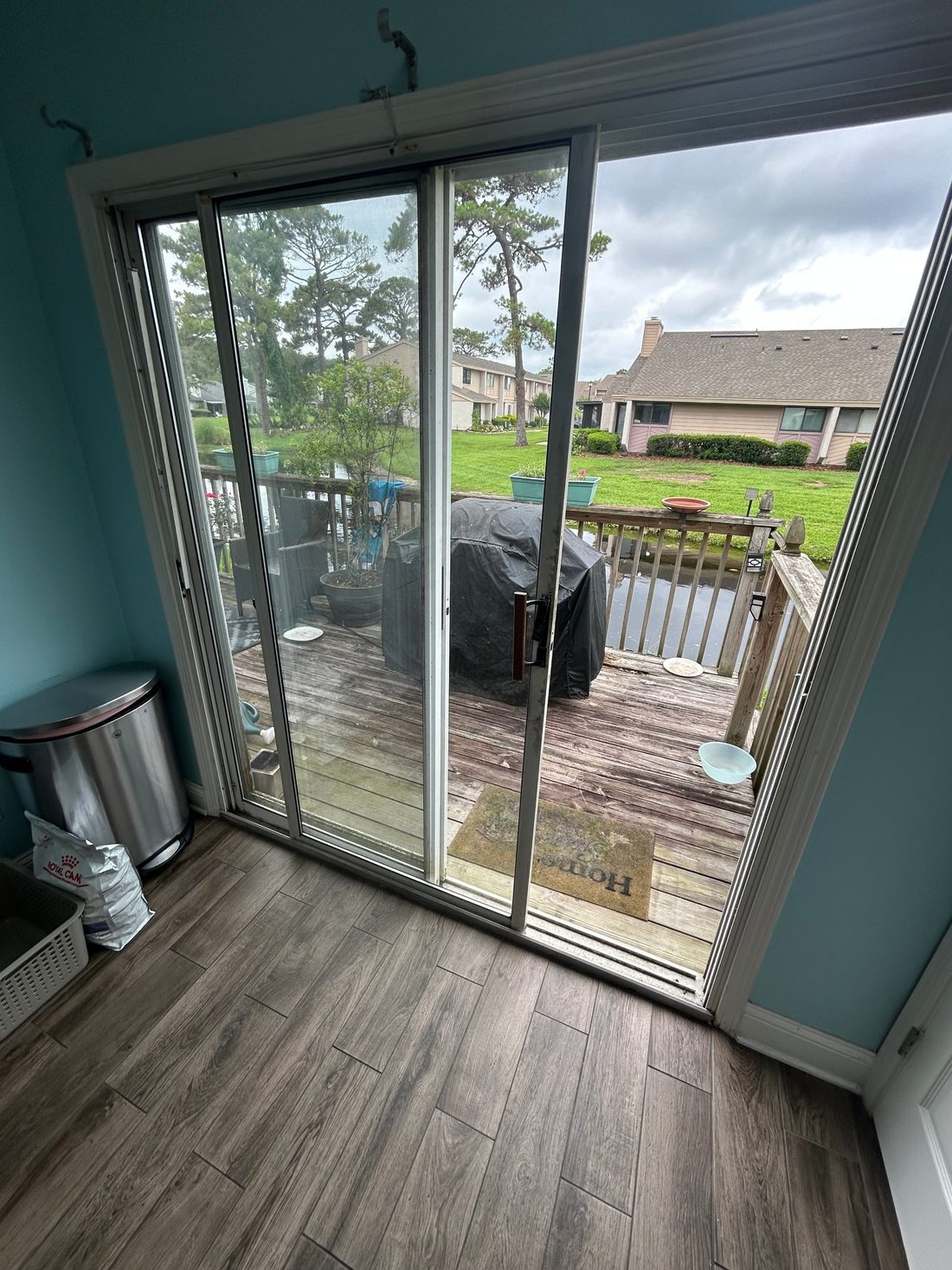
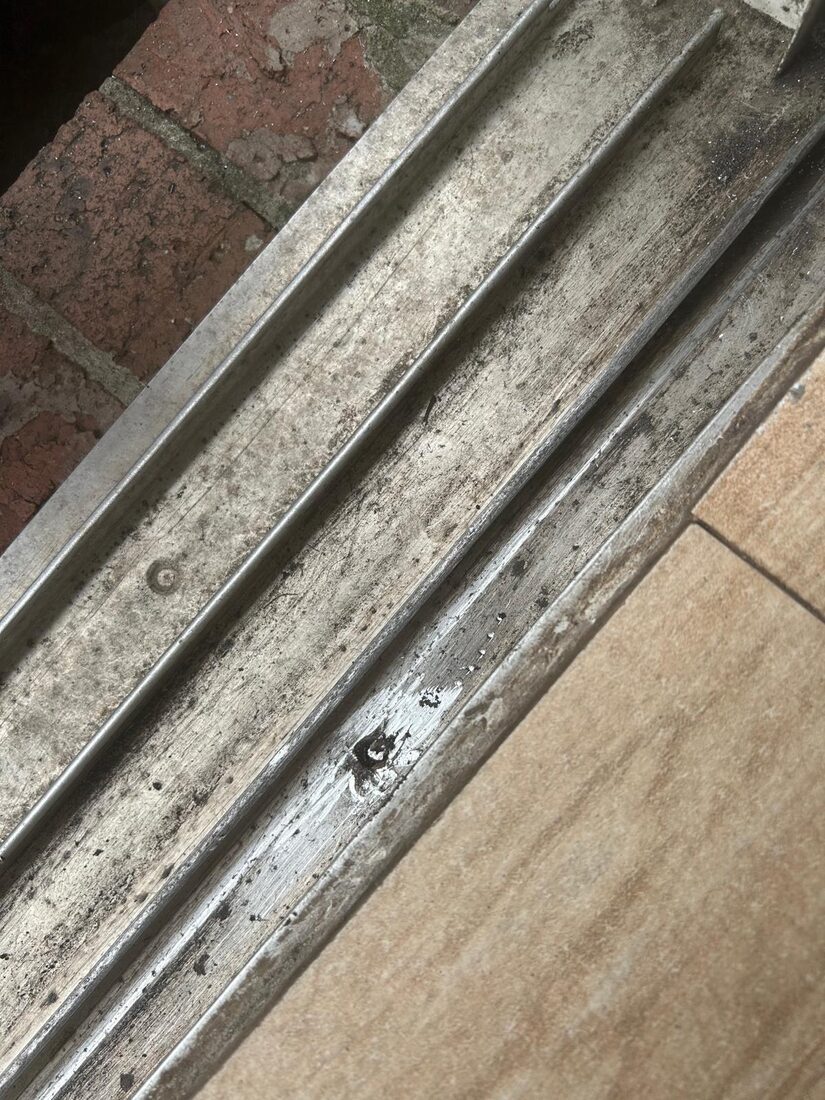
Name the opening as a person facing it from the room would see it. Identify the active panel, the fixed panel and any screen without relying on left or right alone. If there is more than one active panel, give each one a short label and note the part of the sill it uses. A service provider can use that description to find the affected glass, hardware or movement. For a comparison, give the other panel's condition separately. A sound fixed panel can share the same frame with a moving panel that sits low. A wide photo can show that relationship without requiring removal.
Describe the timing and the first sign
An impact, the moment a line appeared, or damage found after an event is helpful information. Give the time and what you saw without pressing against the pane.
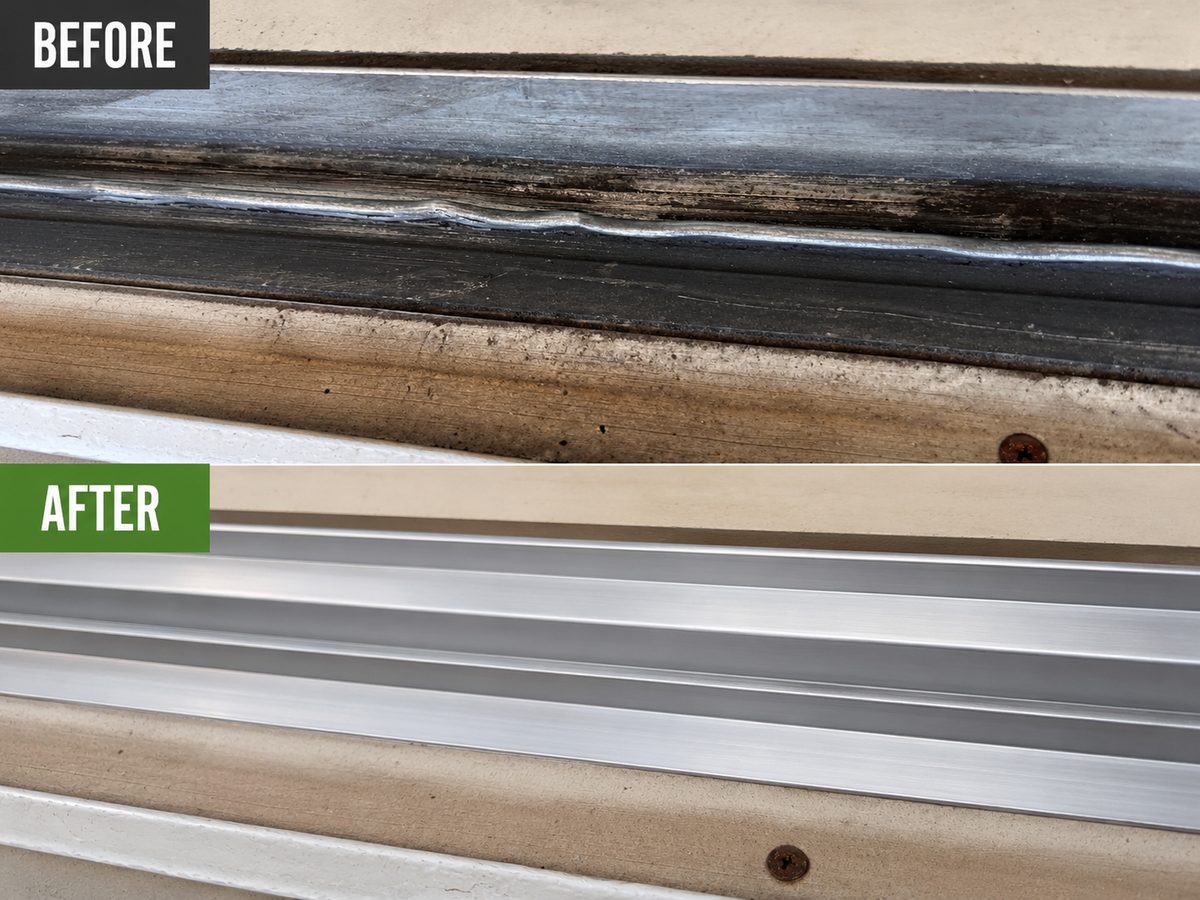
Keep the last normal use and the first problem as two entries. Add any event between them, such as a service visit, new flooring, an outdoor project or visible impact. It is useful to know if the symptom improved briefly and then returned. If someone already installed a track cover or changed wheels, bring the original scope if you can. Describe the current closing and travel independently of the history, because a new issue can develop elsewhere in the same door. A short timeline makes it possible to evaluate whether the earlier work addressed the part that is failing now.
Explain the condition of the route and lock
If the opening faces a common path, public area or a yard that residents use, share that with the property contact. Give the current condition of the latch.
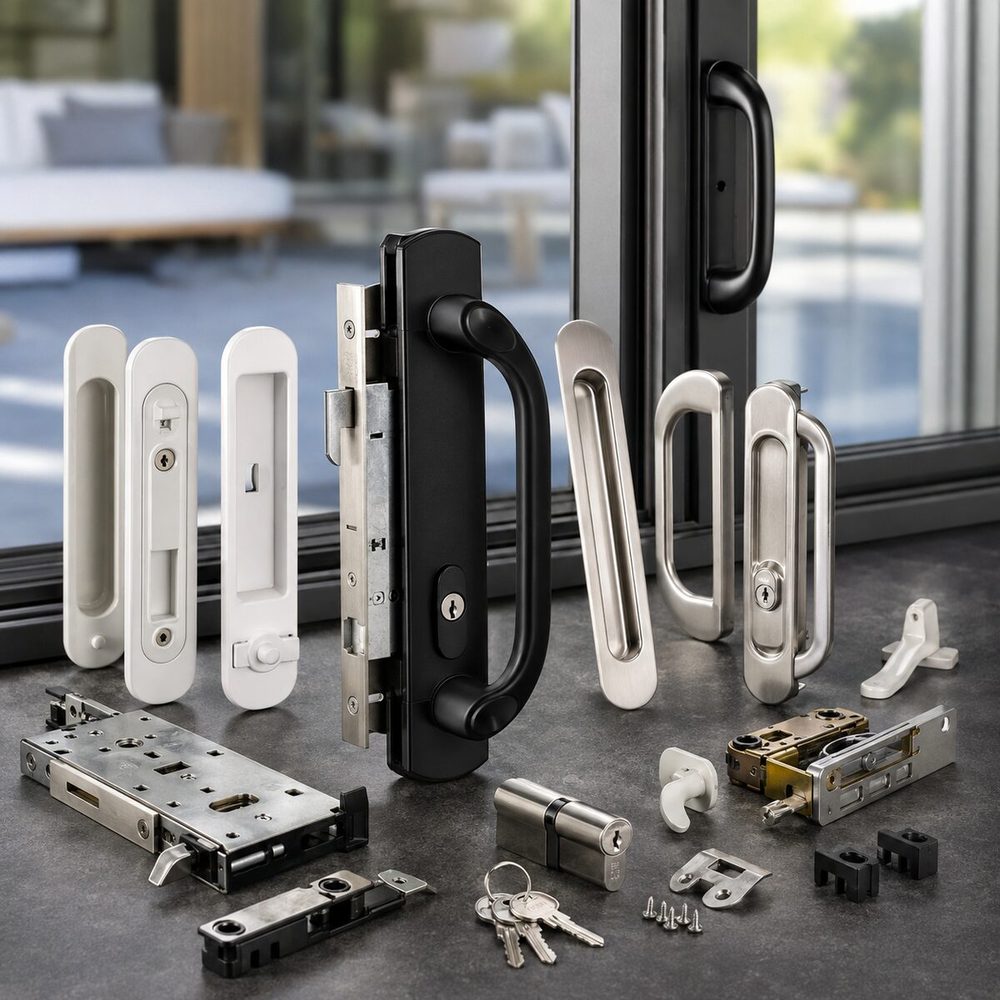
The opening may serve someone who depends on it even if it is only one of several doors in the building. Tell the property contact who uses the route and under what conditions. Ask how access will be managed if the opening cannot be used while service is pending. Before adding hardware, discuss how normal entry and exit will work and whether the change affects a designated route. At a business, the responsible site contact should apply its procedures and accessibility requirements. At a home, include the needs of the people who use the patio so the plan works after the visit as well.
Confirm the glass specification for the opening
Share any existing product information or safety mark visible from a distance. Ask which safety glazing specification, thickness and appearance are relevant to the replacement.
The goal is a glass description that a supplier and installer can use for the same opening. It should identify the relevant safety requirements, dimensions, thickness, construction and any appearance details. Ask which part of the existing panel or sash will retain the unit and whether the proposed product affects its weight. If you are preserving the exterior look, include a photo or original record of tint and grids. A product name on a generic estimate cannot answer all of those questions. Get the exact specification for the quoted configuration before ordering and keep it for later repair or maintenance.
Find out whether the surrounding panel can stay
The panel may be reusable if its retainers and support are sound. Ask what the inspection found and what would make broader replacement necessary.
The part of the frame that captures the glass has its own dimensions, support and retainers. A pane ordered only from the visible size may not fit into that pocket. The thickness and edge of a replacement insulated unit also need to work with the existing sash or door panel. A warped panel or damaged retainer can change whether glass-only work is practical. Ask which components will be reused and what the technician found at the support points. On a door that also drags, check the running hardware separately. Replacing the glass addresses a glass problem while the panel still needs to travel and close correctly.
Arrange safe access before glass arrives
For a balcony or tall panel, give the floor, loading and elevator details. Ask who will coordinate building access and when an opening that cannot be moved can be assessed.
Large components need to reach the property in the condition required for installation. Tell the repair team whether the path includes stairs, a landing, a building elevator or a narrow turn. Verify when access is available and who will arrange it. If the unit must be ordered, ask how the existing door will be left between visits and whether the building can accommodate delivery and staging. Avoid relying on a listing photo to describe the actual approach. A clear access plan and site contact help protect the glass and frame, and let the provider choose a practical sequence for removing and fitting parts.
Clarify who approves the work
If the door is part of a managed exterior, tell management what changed and ask about the repair and staging process. Keep the glass requirements with the request.
A condo's opening may be visible on a shared exterior elevation and reached through a private unit. Ask management about approval and access for the actual scope before ordering a panel, changing visible hardware or bringing glass through a building. Some visits need a contractor reservation, loading instructions or a particular elevator. Document where the opening is and the route from the entrance so the technician can see if exterior and interior access are available. A narrow balcony may affect how the work can be staged. An inspection can often clarify what stays in place and which changes a board or property contact needs to review.
Get the expected result in writing
Ask what will be replaced, what will stay and how the door will be checked when finished. Clarify if service involves a first evaluation and later fitted glass.
A good scope names the opening, explains the observed problem and lists the parts or work that address it. It can also identify which sound components will stay and what condition could lead to a separate quote. That makes it possible to compare a minor adjustment, a component repair and a larger replacement on the same terms. Ask how the completed work will be tested and who will approve any additional work once the opening can be fully inspected. If access or a needed part could require a return visit, discuss that before work begins. Keep those details with the address and the affected room or entrance.
Local examples in Coronado and Del Mar
A Coronado resident may have a ground-floor door facing a shared outdoor path. Give that access detail so others can be kept away. For a Del Mar or downtown San Diego balcony opening, describe the unit and floor and ask whether the building controls outside appearance. Include the panel position in both cases. A moving glass door and a stationary pane beside it can require different handling.
Questions to ask
Should I open the slider to show the damage?
Keep the damaged panel still. Tell the technician whether it was open or closed when you found it and send a wide image only if you can take one safely.
Can the glass be replaced without the whole door?
The answer depends on the glazing pocket and the condition of the panel and frame. Ask for the scope after those parts are evaluated.
What do I say on the first call?
Give the address, which pane is affected, whether pieces are loose, and whether the opening can be left safely secured. Include building access and floor.
Local service and related pages
Explore Sliding Door Glass Replacement, Sliding Door Frame Repair and Alignment, Sliding Glass Door Repair. Service-area details are available for Coronado, Del Mar, Downtown San Diego. Call 619-389-3123 or send a service request to describe the opening at your property.