Condo door service can involve an opening in a private unit and decisions about a shared exterior. The fastest route to a clear scope is to describe the actual problem, identify the decision maker and confirm the building's access process. The technician and property manager need the same description of what will change and which parts will stay.
Separate the assessment from work that needs approval
Ask whether a first visit can document the opening and proposed scope. Get the association's current requirements for visible changes and access.
Written building procedures help answer practical questions before a visit. Ask who may approve parts, whether a visible finish requires review, when work can occur and how equipment enters the site. Apply the procedure to the actual scope. A small interior component change and a full replacement may have different consequences for exterior appearance or common access. Keep the response with the request so the technician and property contact are working from the same information. If approval remains pending, the scope of the first visit can be an assessment that documents the opening and proposed options for the decision maker.
Identify what can be seen from the exterior
Document tint, frame color, grid pattern and exterior hardware before choosing a part. Use a view you can obtain safely.
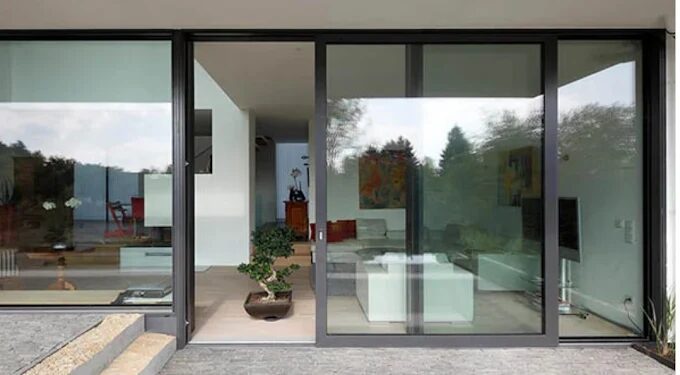
Look at the affected door alongside the visible surfaces it should match. Check what is controlled by the property, such as frame color, grid layout or exterior glass reflection. Write down which part actually needs work and ask whether it changes the visible surface. If an outside finish is retained, include that in the scope. A finish sample can support a discussion with management while the repair provider verifies compatible hardware and glass. Those are different checks and both can matter for the finished opening. A simple daylight photo can help everyone refer to the same appearance without reaching an unsafe exterior side.
Give the unit and balcony access details
Share floor and elevator rules, any required reservation, and whether a safe exterior approach exists. Include who controls each access point.
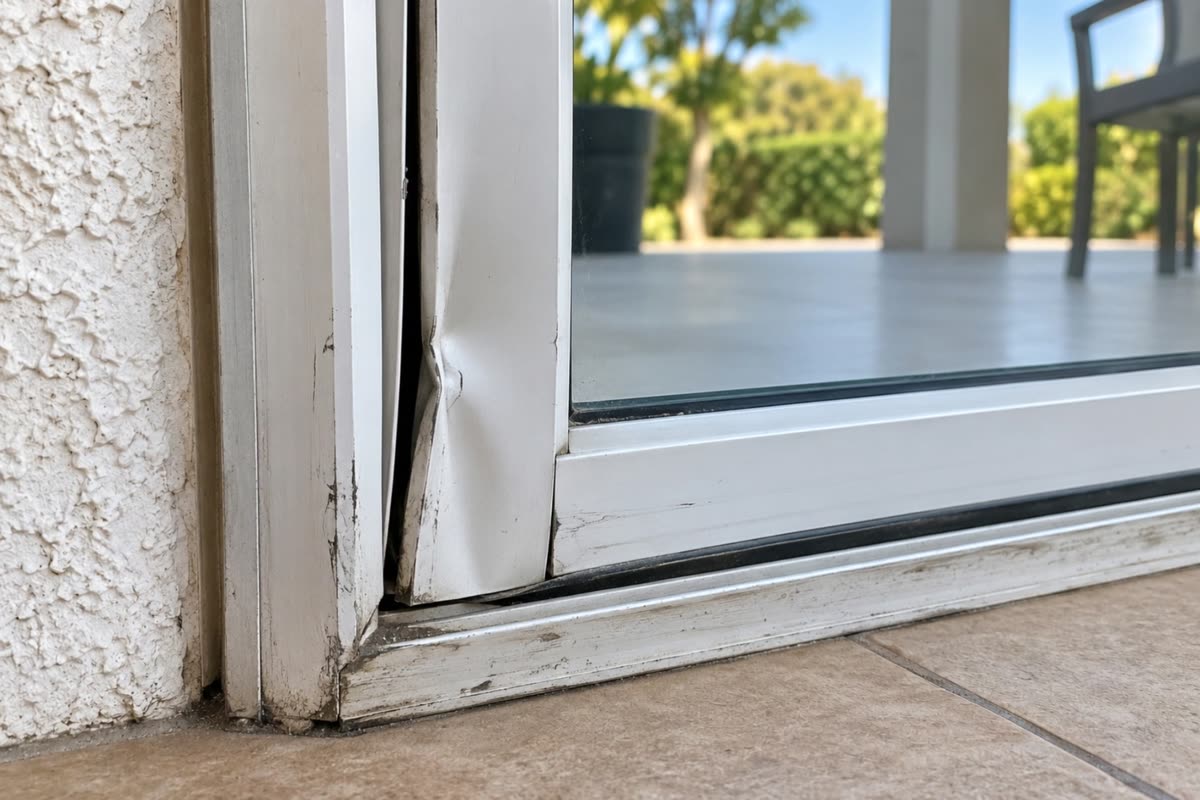
Make a two-part plan for a condo opening. First, identify the defect and the exact pane, panel or hardware involved. Second, ask management how a visit and any visible change can be handled. Explain whether the service provider would need the balcony side, a loading entrance or a clear interior path. A building can approve the appearance and still need a separate reservation for access. Keep the proposal with photos of the whole opening and the information about what will remain. When service is complete, pass along the actual installed description so the property contact has a record of the exterior and the repair.
Describe a glass concern by panel
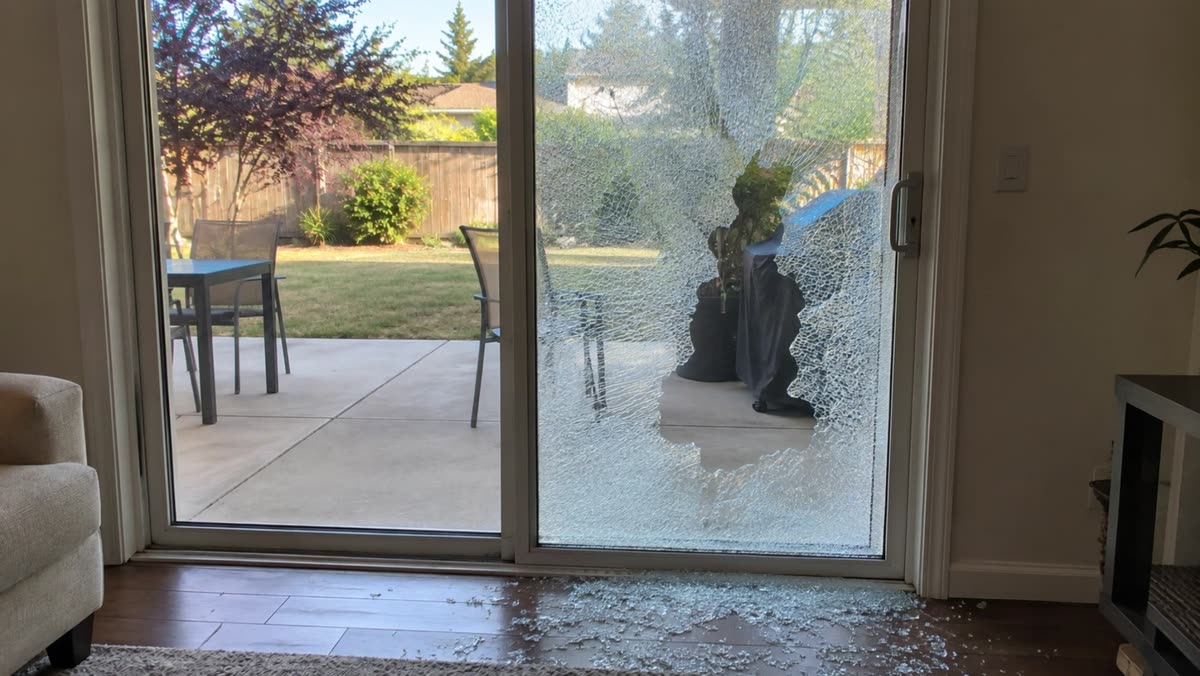
Identify whether the visible mark is in moving or fixed glass. A wide photo of the full opening helps tie the estimate to the unit.
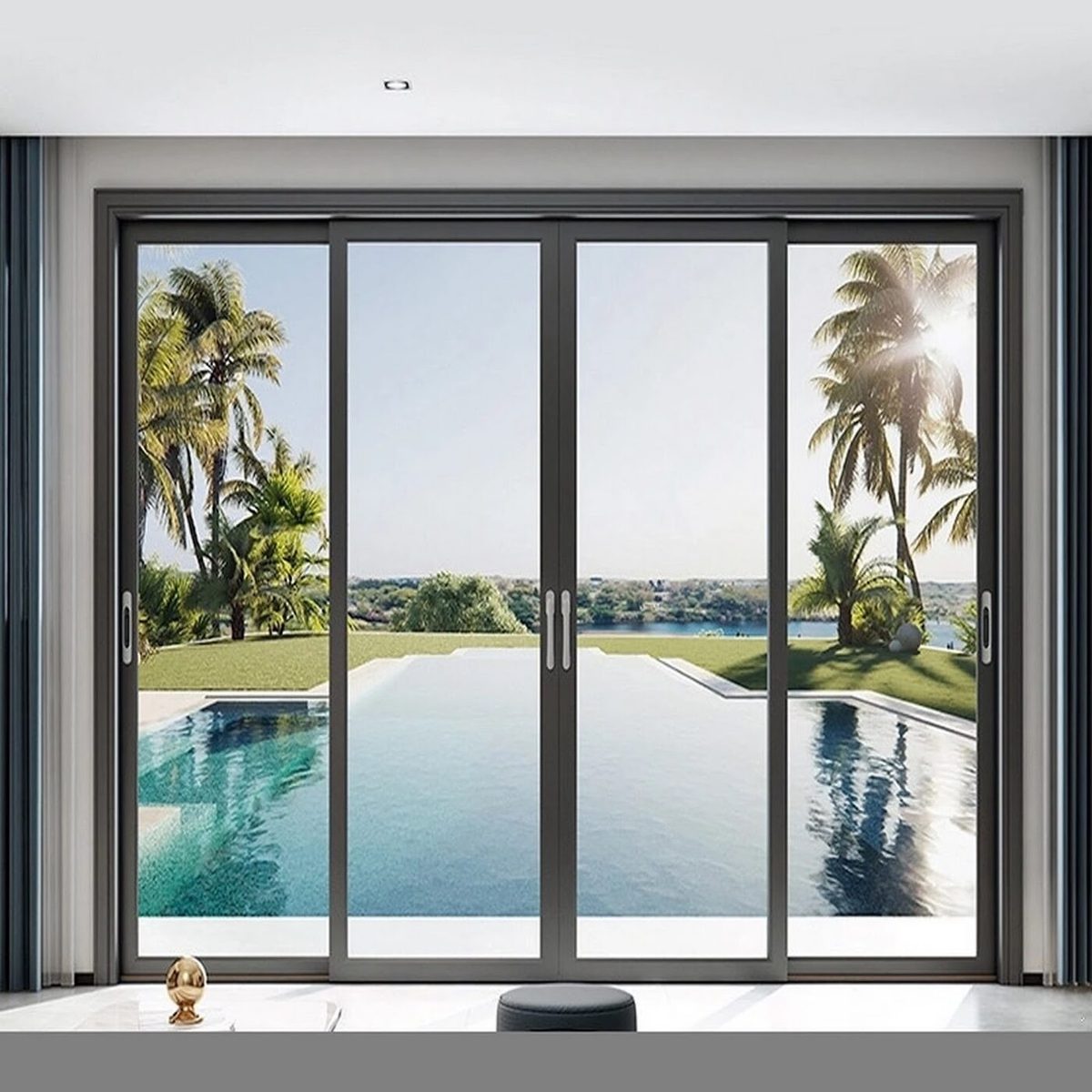
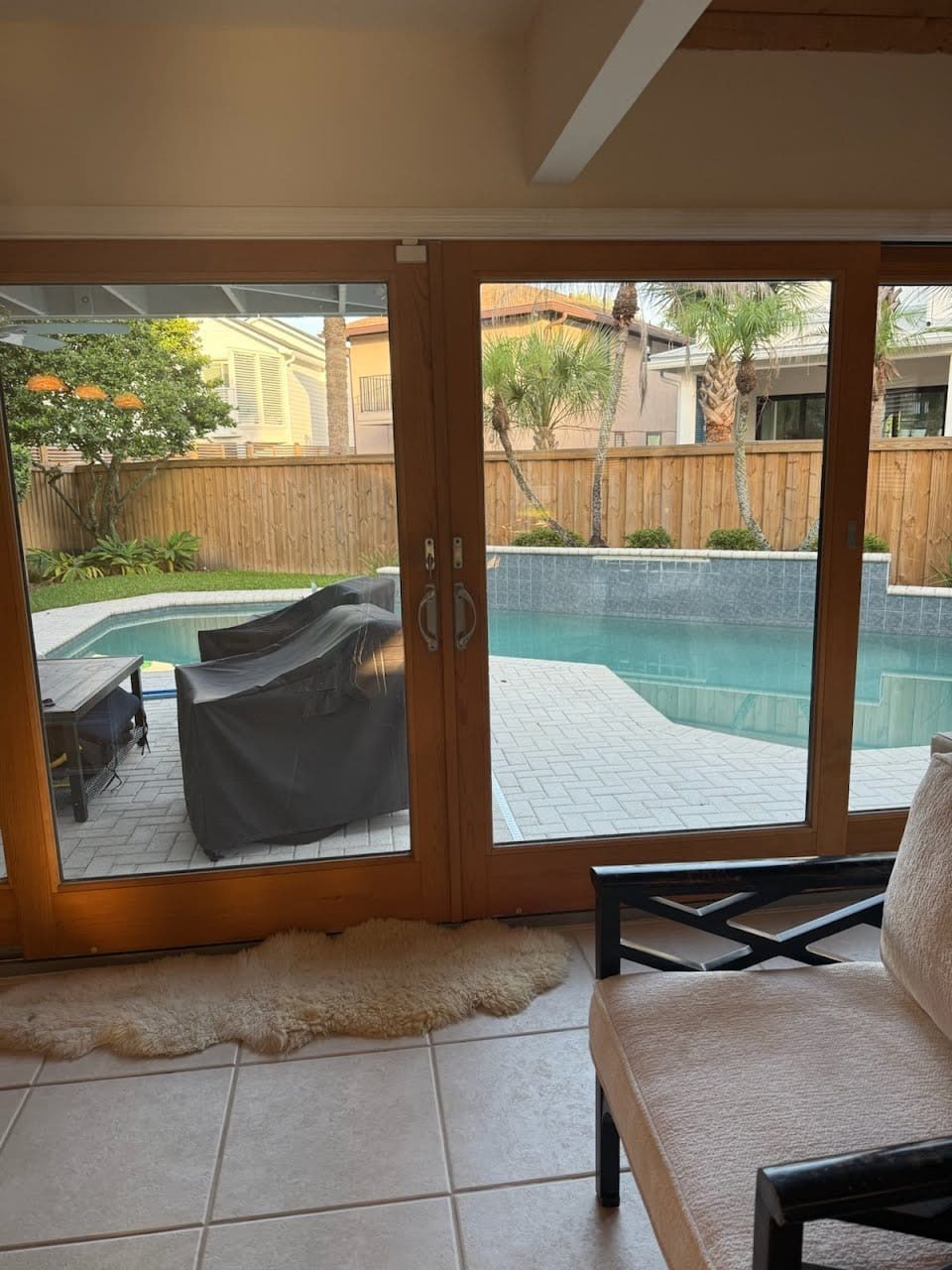
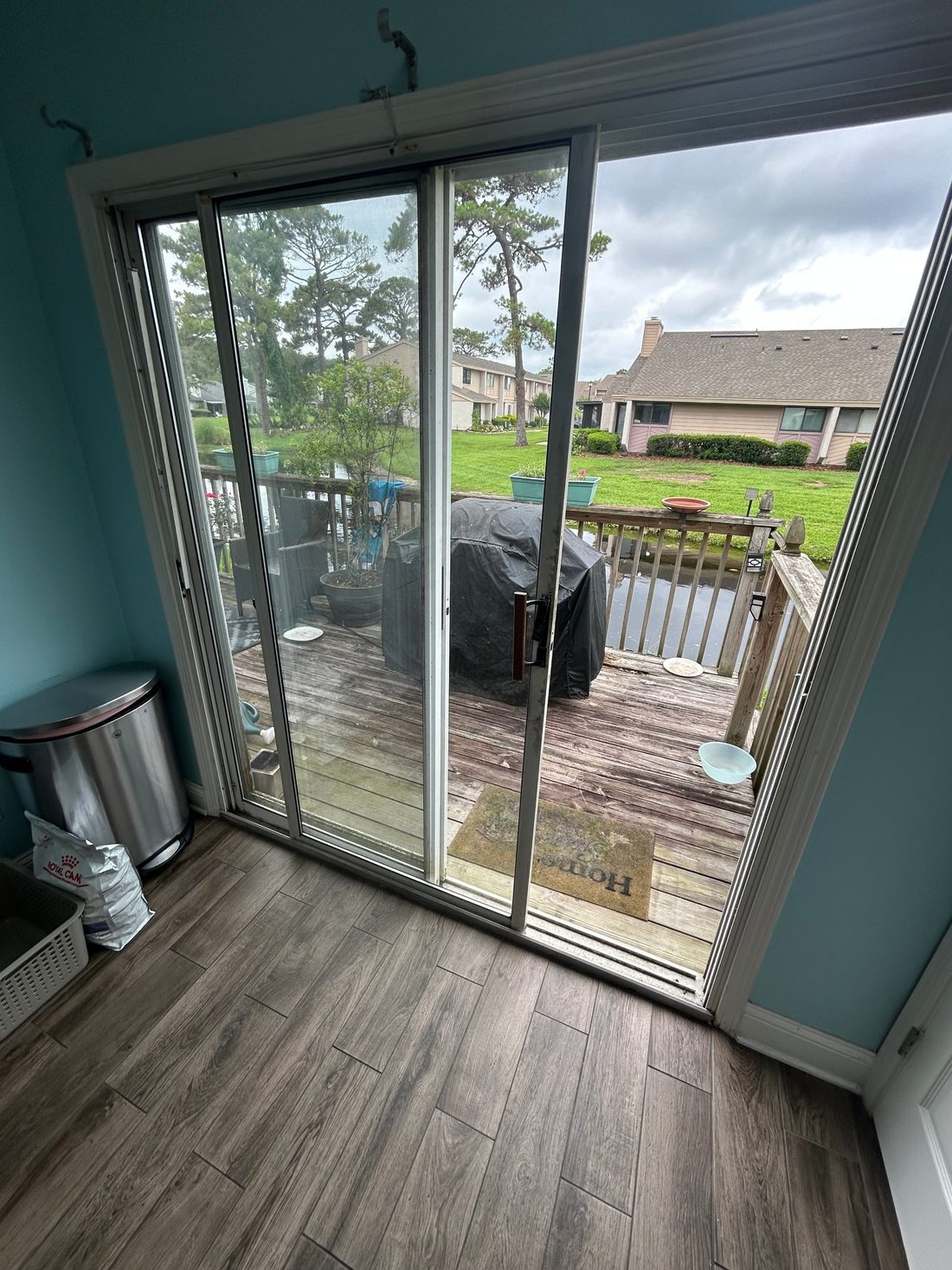
Name the opening as a person facing it from the room would see it. Identify the active panel, the fixed panel and any screen without relying on left or right alone. If there is more than one active panel, give each one a short label and note the part of the sill it uses. A service provider can use that description to find the affected glass, hardware or movement. For a comparison, give the other panel's condition separately. A sound fixed panel can share the same frame with a moving panel that sits low. A wide photo can show that relationship without requiring removal.
Confirm the glass or panel specification
Share the appearance requirement with the person specifying the glass. Have fit and safety glazing requirements checked as part of the same scope.
The goal is a glass description that a supplier and installer can use for the same opening. It should identify the relevant safety requirements, dimensions, thickness, construction and any appearance details. Ask which part of the existing panel or sash will retain the unit and whether the proposed product affects its weight. If you are preserving the exterior look, include a photo or original record of tint and grids. A product name on a generic estimate cannot answer all of those questions. Get the exact specification for the quoted configuration before ordering and keep it for later repair or maintenance.
Check how a large unit reaches the property
Ask the building about loading, elevator and allowed staging. Confirm the route before ordering a wide or heavy panel.
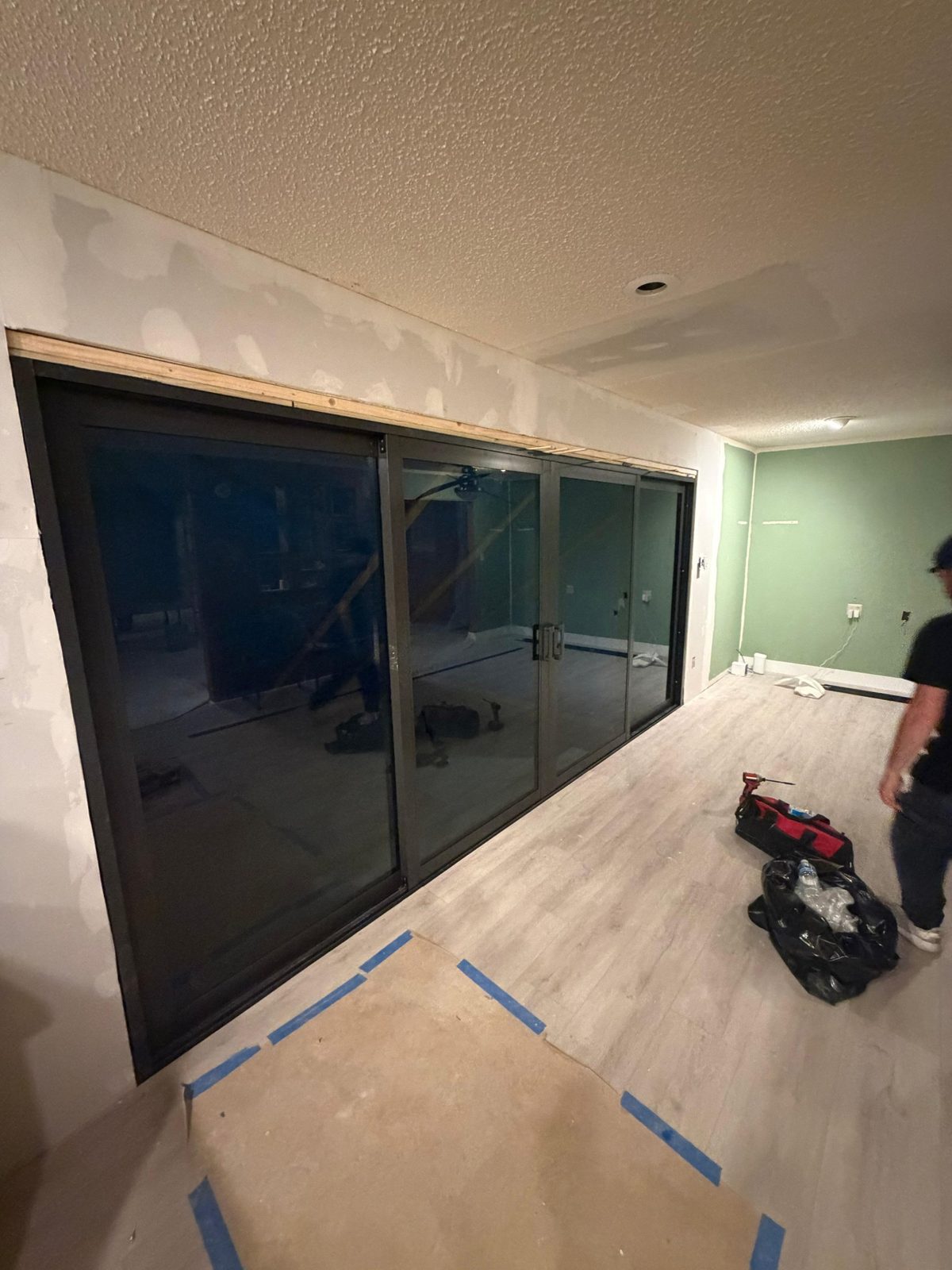
Large components need to reach the property in the condition required for installation. Tell the repair team whether the path includes stairs, a landing, a building elevator or a narrow turn. Verify when access is available and who will arrange it. If the unit must be ordered, ask how the existing door will be left between visits and whether the building can accommodate delivery and staging. Avoid relying on a listing photo to describe the actual approach. A clear access plan and site contact help protect the glass and frame, and let the provider choose a practical sequence for removing and fitting parts.
Decide who can authorize the actual repair
If the occupant is a tenant, identify the owner or manager who can approve the scope. Keep the occupant's symptom notes with the request.
A tenant can describe the symptom well even when the owner has to approve the repair. Ask the occupant which opening, what has changed and whether it can be left secure. Then identify the person who can authorize the visit and parts, plus any property management rules. It helps to give the tenant and technician the same label for the unit and opening. Someone who writes “back slider” may mean a different door from the person arranging access. Keep the work order, approved scope and follow-up notes in one place. When several tenants report a problem, distinguish their doors rather than combining everything into one diagnosis.
Check local building requirements for broader work
Explain whether you are replacing a component or changing the whole frame or rough opening. Verify requirements for the property and project.
Give the local office a description that is specific enough to evaluate. Include the address, type of property, the existing opening and whether the wall, threshold or frame will change. A door repair, a replacement in the original opening and a project to widen that opening can have different requirements. A separate property association may review visible work even when the building department handles the project differently. Keep the reply with the estimate and confirm who is responsible for documentation. Use the applicable jurisdiction for the address rather than a rule from another part of San Diego County or Southern California.
Share when the patio route matters to residents
Describe how the door is used and whether it needs to remain secure between visits. Give the property contact a clear plan for the affected area.
Arrange the visit around the room as people use it. Confirm which occupant can point out the affected opening and which route should remain available. If the household or tenant relies on the patio door, discuss what happens while it is being inspected and who will be on-site. Give notice of any access steps required by management. The technician should know whether there is room to work on either side and if the panel is unstable before arrival. When repairs are finished, have the occupant verify ordinary use if practical and pass along the result to the person who approved the work.
Get a written scope for the building
Ask for a description of parts, unchanged elements and any separate approval. Use the same scope when speaking to management and the installer.
Keep the question about cause separate from the question about work. Ask the technician to show the affected surface, mechanism or opening first. Then have the proposal describe what will be adjusted, repaired or ordered and how the result will be verified. That allows a household or property manager to review the same problem even when two providers propose different paths. If availability or conditions around the frame could change the plan, ask how the decision will be made. A short follow-up note identifying the part, relevant contact and next visit can be useful when the solution cannot be completed that day.
Keep a record for the next resident or manager
Save model details, final check and any follow-up needs. Include which opening was serviced so the notes are useful later.
Close the service record with three concrete facts. Identify the door that was worked on, describe what changed and record how the original condition was checked. Give the note to the household, owner or building contact who needs to use it. Include any part information and product-specific care guidance, and identify who will arrange a follow-up if one remains. At a site with several entrances, make the result easy to match to the correct one. That gives the next resident, shift or technician a usable account of the repair and a baseline for noticing what has changed since then.
Local examples in Downtown San Diego and La Jolla
A downtown condo may require a loading reservation and a specific elevator. A La Jolla unit might have exterior glass appearance rules and limited balcony space. A University City rental could need both the occupant and management to coordinate access. Give each party the same door label, symptom and plan. Even a small component repair can be easier when the technician knows the building procedure.
Questions to ask
Does every repair need board approval?
Ask the association about the specific scope. A change to a visible frame, pane or finish may be treated differently from work inside the panel.
What should I send the HOA?
Use the exact opening, photos, proposed parts and what stays in place. Include contractor access and glass appearance details if they apply.
What if the door is unstable and approval takes time?
Keep people clear and report the current condition to the property contact and repair service. Plan access and handling before attempting to move the panel.
Local service and related pages
Explore Sliding Door Glass Replacement, Sliding Door Panel Replacement, Sliding Door Installation. Service-area details are available for Downtown San Diego, La Jolla, University City. Call 619-389-3123 or send a service request to describe the opening at your property.