
A planned visit and an entrance that fails during business hours both create a route problem. Visitors need to know where to enter, staff need consistent instructions, and the technician needs access to the actual door. Start by deciding who owns the access plan and how changes will be communicated. The service scope can then fit the way the building is used.
Assign a site contact for the visit
Give one person responsibility for meeting the technician, coordinating traffic and calling the decision maker. Record the backup for a shift change.
Before service begins, agree who handles visitors, who meets the technician, and who can make a decision if the scope changes. The time when the door has least public use may be different from the time when a building contact is available. Keep those constraints visible. If the site is open while one door is unavailable, give staff a route they can describe from parking and from inside. Plan for the case where a needed part requires a return visit. Write the responsibility and alternate arrangements into the service request so they remain clear at a change of shift.
Check the route from both directions
Walk the approved route from the usual arrival point and from inside the building. Give staff directions they can use consistently.
If an entrance is being kept out of public use, give visitors instructions before they reach the closed area. Make the path from parking and from inside clear and ask the building contact to confirm suitability for the people who normally use the door. Share the arrangement with the people who answer calls or greet visitors. A repair appointment can be planned around that route if the technician is told where to enter and where work will be staged. Recheck the signs and staff directions if another visit is required. Keep the contact responsible for opening and closing the temporary arrangement in the service notes.
Notify people before they reach the affected door
Use the door name people recognize. Tell staff and occupants which route works and whether it changes during the visit.
Make the alternate entrance identifiable from the point where people normally arrive. A sign at the stopped door helps someone already there, while advance directions can help someone plan a route without doubling back. Notify the front desk, tenants or departments whose customers use the door, according to site policy. Use the actual door name and building address in the note. If the available route changes during the day, update the people who give directions. Confirm the route is suitable for the people who need it and involve the property contact if there is a limitation that staff cannot address.
Account for people who rely on that entrance
Ask the responsible site contact which entrances and exits the building needs to maintain. Include the accessible approach and the people it serves.
The opening may serve someone who depends on it even if it is only one of several doors in the building. Tell the property contact who uses the route and under what conditions. Ask how access will be managed if the opening cannot be used while service is pending. Before adding hardware, discuss how normal entry and exit will work and whether the change affects a designated route. At a business, the responsible site contact should apply its procedures and accessibility requirements. At a home, include the needs of the people who use the patio so the plan works after the visit as well.
Choose a work time with both access and support
Compare public traffic with staff availability. A quieter period can still need a manager present to authorize a scope change.
The job of the door affects what should be tested at the end. A household may need a panel that can be moved with ordinary effort by the people living there. A business may need predictable entrance operation through different traffic conditions, with a site representative who can confirm the return to use. Identify the user, direction of travel and goal before approving work. For a public entrance, apply the operating, accessibility and safety procedures for the building. A service scope can then describe both the parts that were worked on and the normal use the finished opening should support.
Identify what the technician will be working on
Share the entrance identifier, operator information and the original symptom. Say whether the door is taken out of use and who can reach it.
An automatic sliding entrance has a powered operator, moving panels, guides, detection and control equipment. A building contact should report the behavior, position and timing instead of trying to make changes to the controls. Record the product label or visible status indication from a safe place if available. The name of the entrance and its normal operating mode help the technician identify the system. If the door is behaving unpredictably, arrange for people to use the property's approved alternate route while it is evaluated. Keep the service report available so future staff can identify the opening and any agreed actions without repeating troubleshooting.
Keep approvals in the building's process
Ask who can approve parts, changes or a return visit. Write down required credentials, access and contacts as they actually apply to the site.
Written building procedures help answer practical questions before a visit. Ask who may approve parts, whether a visible finish requires review, when work can occur and how equipment enters the site. Apply the procedure to the actual scope. A small interior component change and a full replacement may have different consequences for exterior appearance or common access. Keep the response with the request so the technician and property contact are working from the same information. If approval remains pending, the scope of the first visit can be an assessment that documents the opening and proposed options for the decision maker.
Agree how staff record unexpected changes
Use one log if an additional fault appears or an entrance is restricted for longer. Include the person contacted and the active route.
A daily check only helps if people know which instructions apply to the actual equipment. Keep the door identifier, the maker's operating and care information, and the applicable AAADM owner guidance in the same place. Give staff one way to escalate a failed check or an incident. A useful entry includes the time, what was observed, what traffic arrangement was made and who was notified. Keep service and return-to-use notes in the same log. If another department takes over after hours, tell it which entrance is restricted and how visitors should get to the site while the work is pending.
Prepare for parts that take another visit
Confirm where any panel or equipment can be staged. If repair continues another day, keep the alternative route and access contacts current.
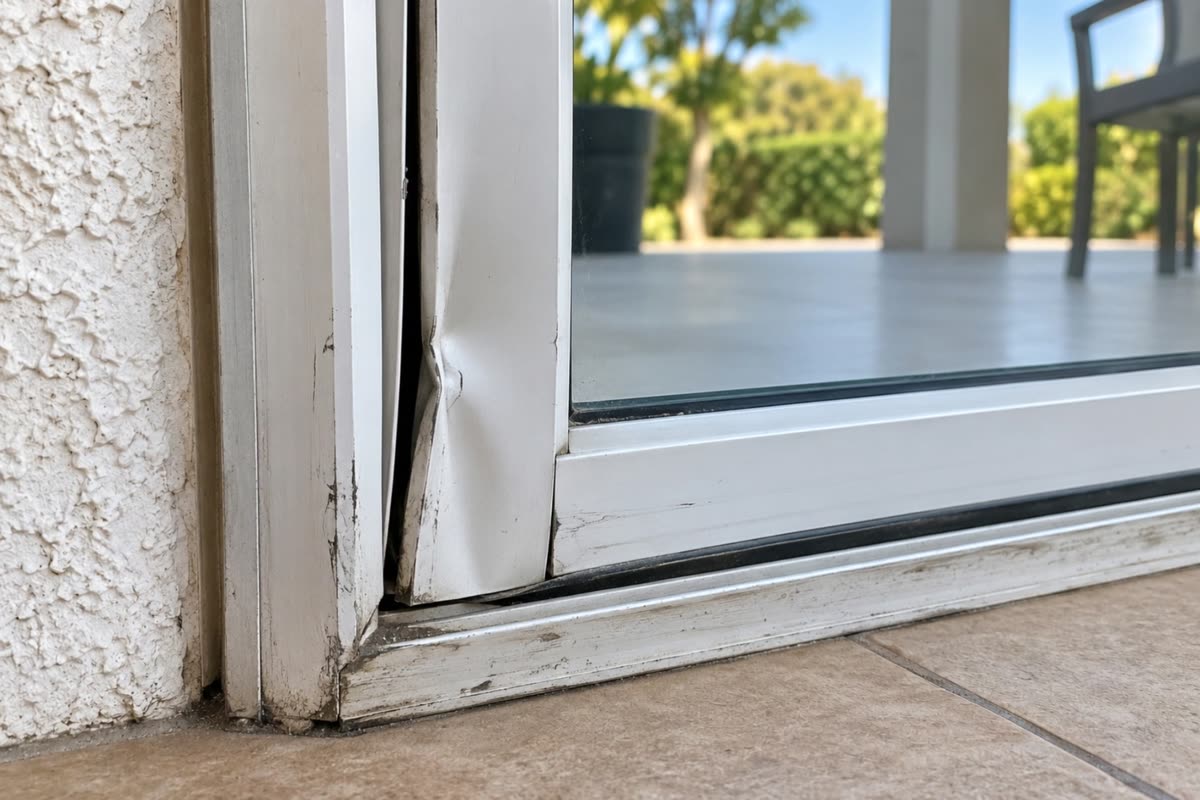
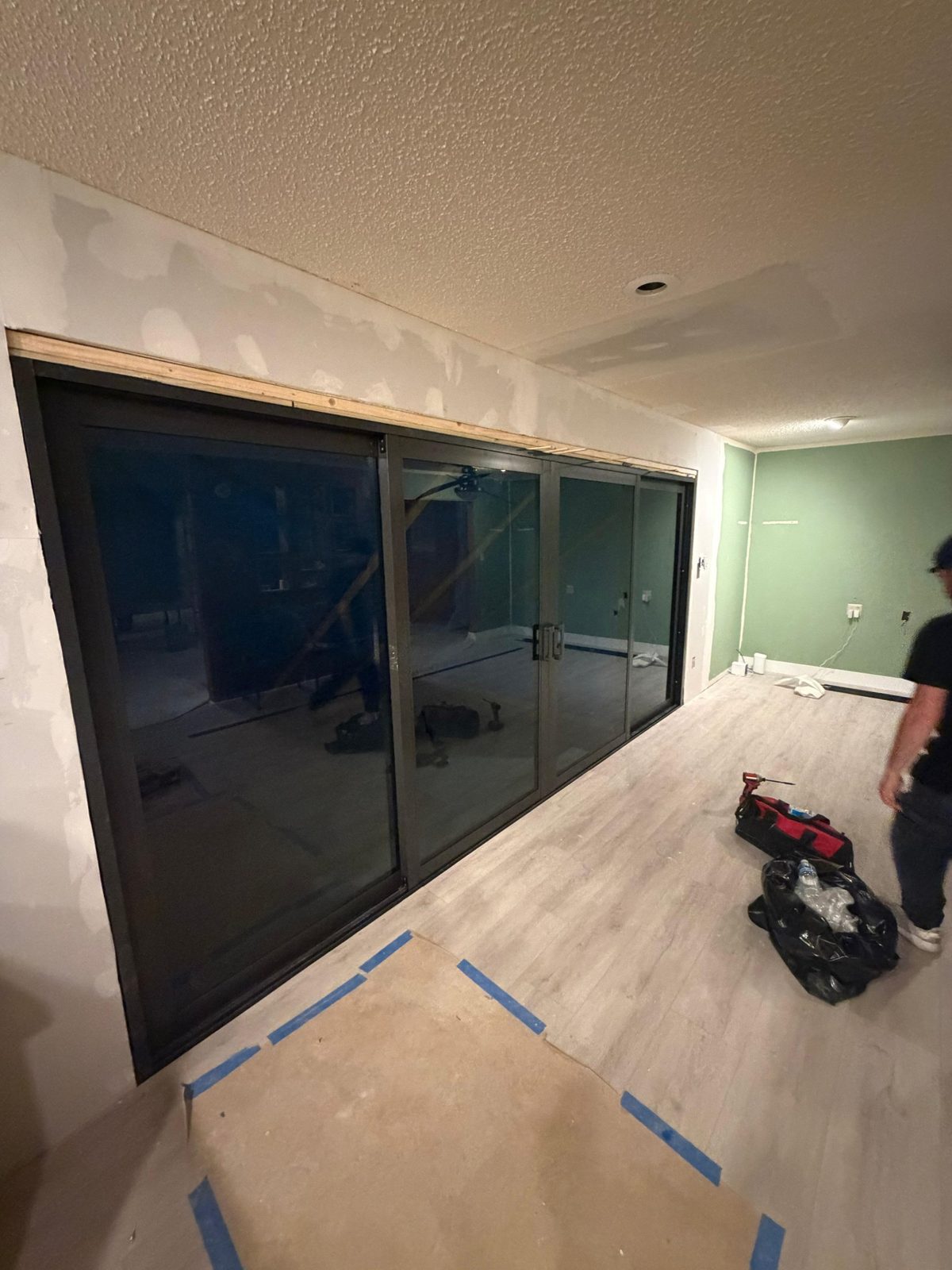
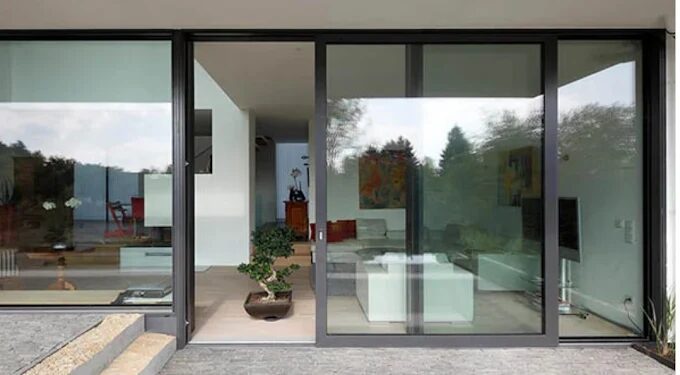
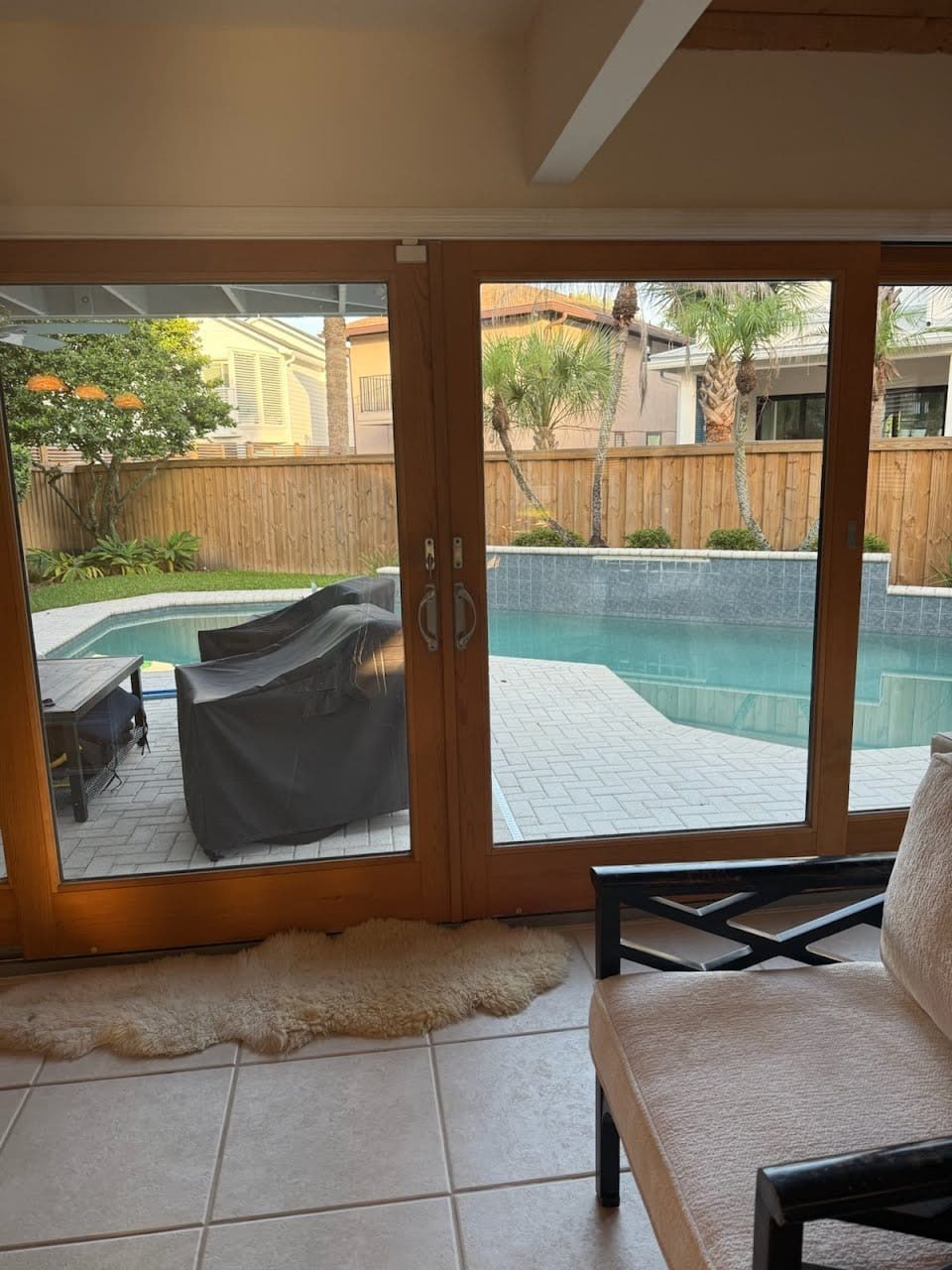
A wide panel affects how work gets to the opening as well as what fits in it. For a multi-story unit, ask about the loading area, elevator and landing size. For a home, account for stairs, tight turns and the safe approach to the patio. Someone who knows the building can confirm the usable access before the visit. Identify the fixed and moving panels and whether the existing unit can be left closed or needs assessment sooner. When a part must be ordered, ask what remains in place and who will coordinate the next visit. Timing and site access can be important even when the repair part itself is small.
Give the technician and property owner the same scope
Name the door, work, expected checks and any separate authorization. Include the operation the site needs after service.
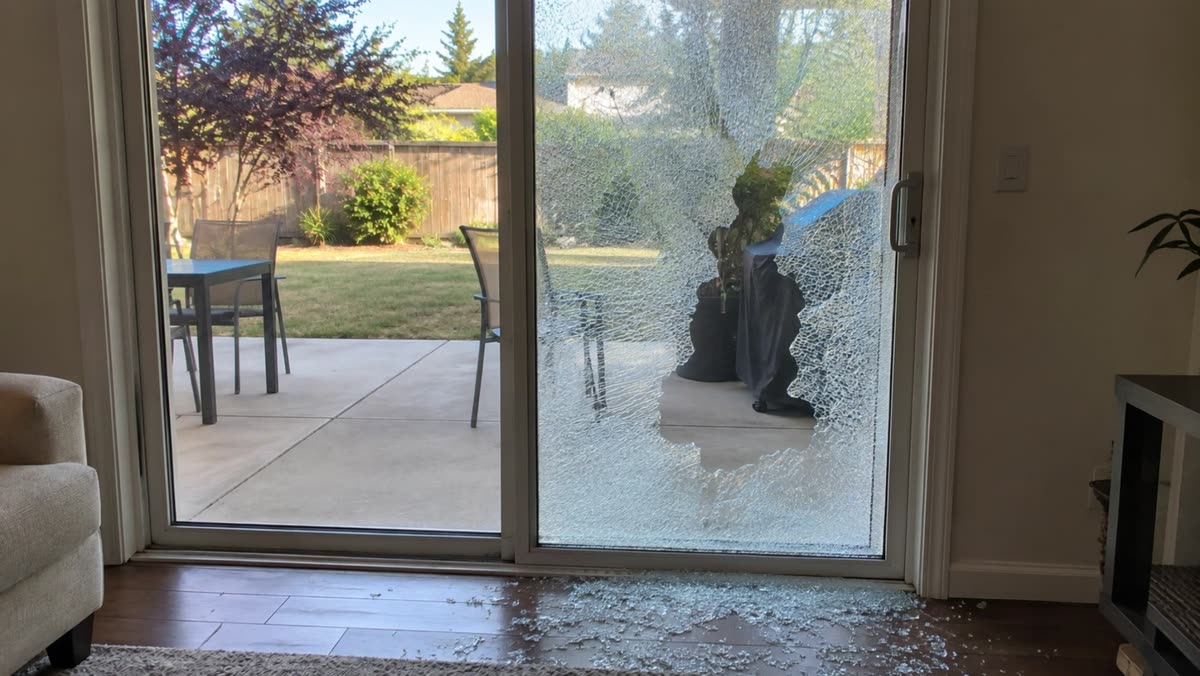
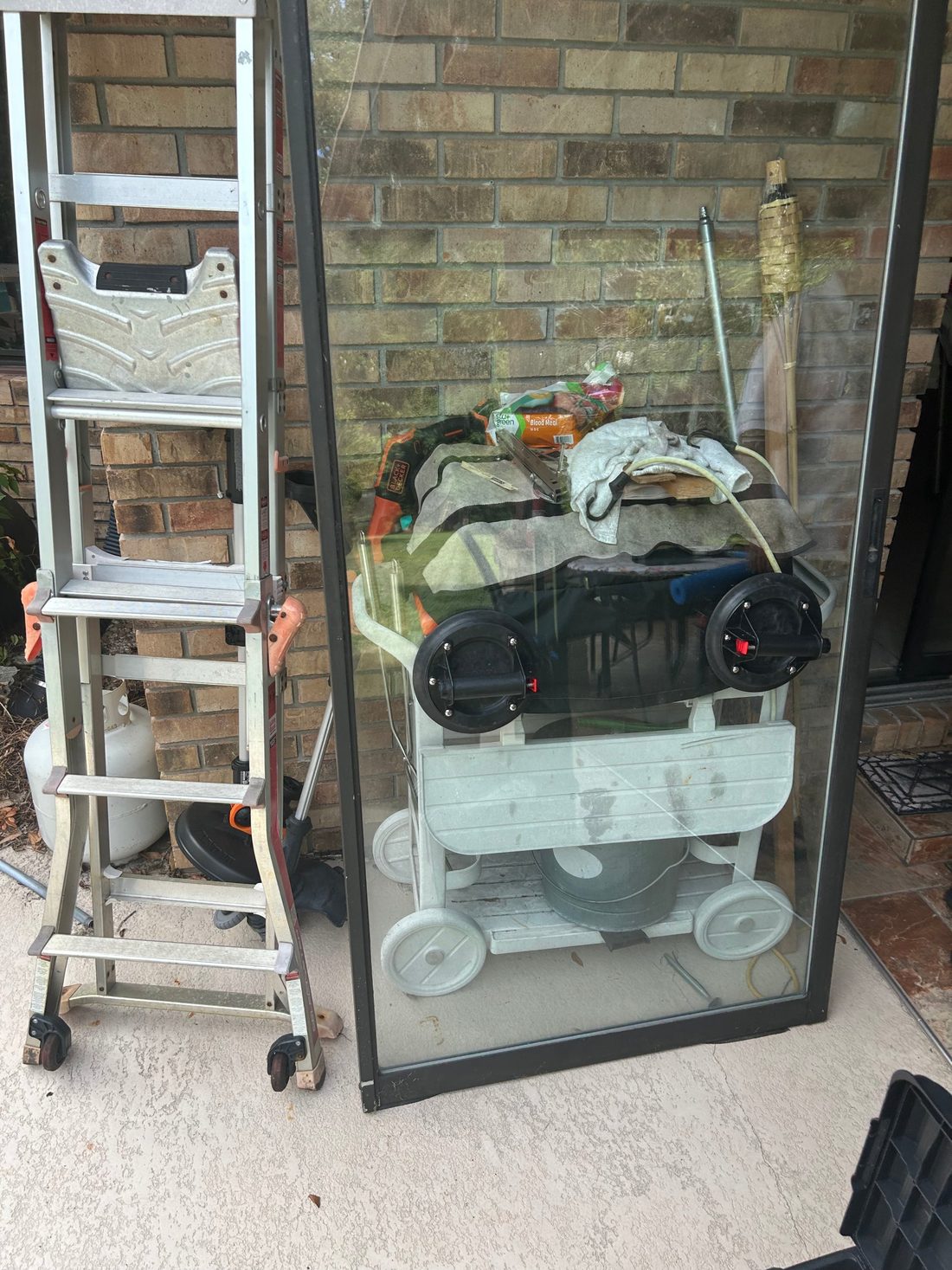
Write the desired outcome next to the symptom before approving work. For a door that catches, it could be normal effort over the original trouble spot and a latch that engages without lifting. For a glass job, it could be a specified replacement unit in a sound frame and a panel that closes normally. Ask what parts are covered, what remains in place and what would require a separate decision. For a powered entrance, include the site contact and operating checks. The written scope should let you and the provider agree on which opening and function are being addressed, even if an inspection changes the proposed work.
Hand off the return to normal use
Record the service result and who is responsible for clearing the entrance. Update signs and staff only when the site procedure says the route is ready.
Before the service provider leaves, make a record that will be useful without the people who were there. Use the room or entrance name and describe the observed issue, work completed and parts that remained. If a damaged component still needs a decision or order, give the next action and approval contact. Keep photos and paperwork together. For a homeowner, this can make a future call clearer. For a manager, it helps staff hand responsibility from one person to another and distinguish one doorway from another. Capture ordinary closing, travel or other outcome that mattered in the original request.
Local examples in Otay Mesa and Kearny Mesa
At an Otay Mesa property, the route used by a technician may pass through a gate different from the visitor entrance. A Kearny Mesa office might need the front desk to redirect people from parking. In a downtown building, tenants and loading staff may be separate contacts. Write down the actual door and directions for each group, especially if they will change during service.
Questions to ask
What if the alternate door is far from the usual parking area?
Give people directions before they arrive at the closed opening. Ask the responsible property contact whether the route meets the building's access needs.
Can a work plan change after diagnosis?
Yes. Confirm who authorizes a changed scope and how staff are told if the door needs to stay restricted.
Who should receive the service notes?
Give them to the site contact responsible for the entrance. Use the door name, work performed, checks and any open follow-up.
Local service and related pages
Explore Commercial Automatic Sliding Door Repair. Service-area details are available for Otay Mesa, Kearny Mesa, Downtown San Diego. Call 619-389-3123 or send a service request to describe the opening at your property.