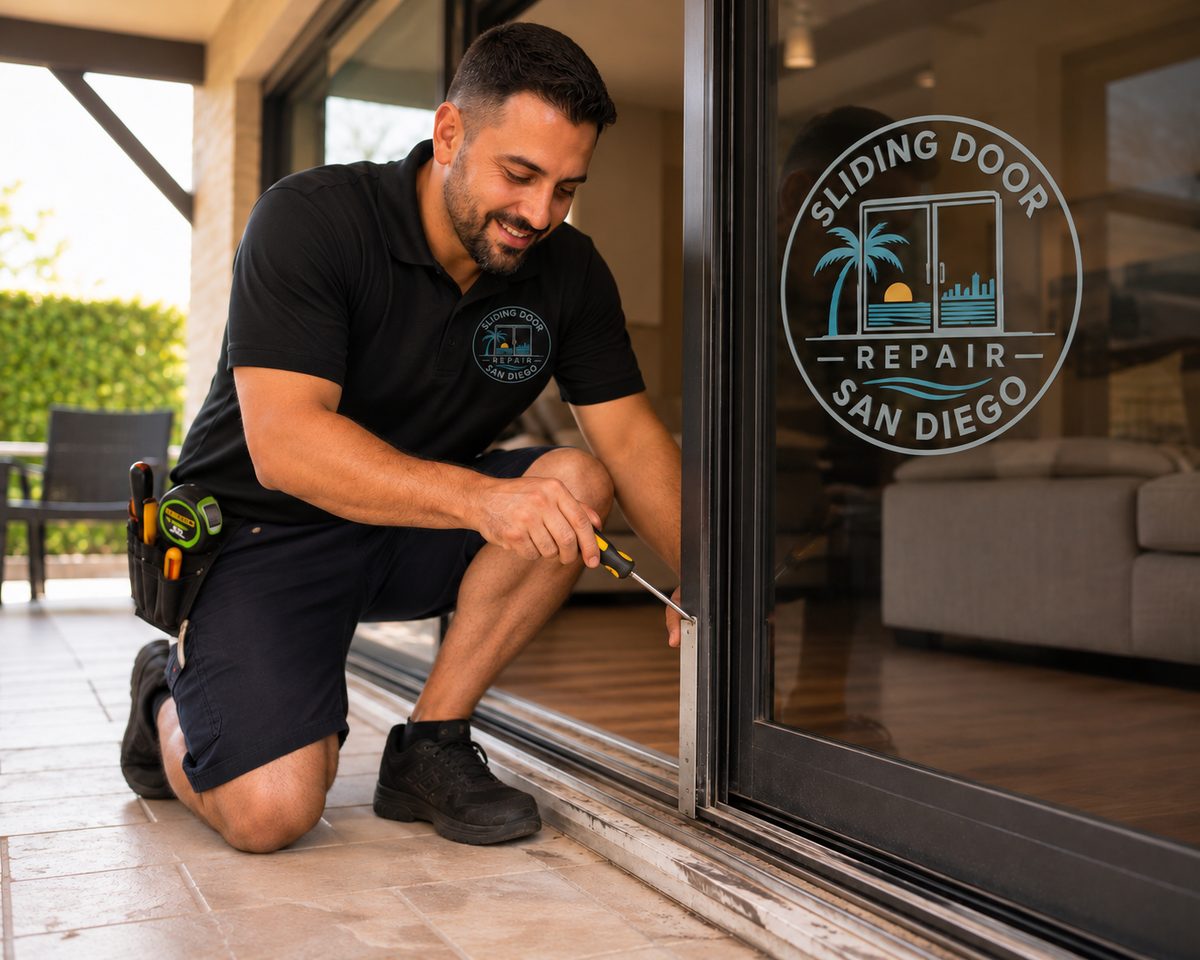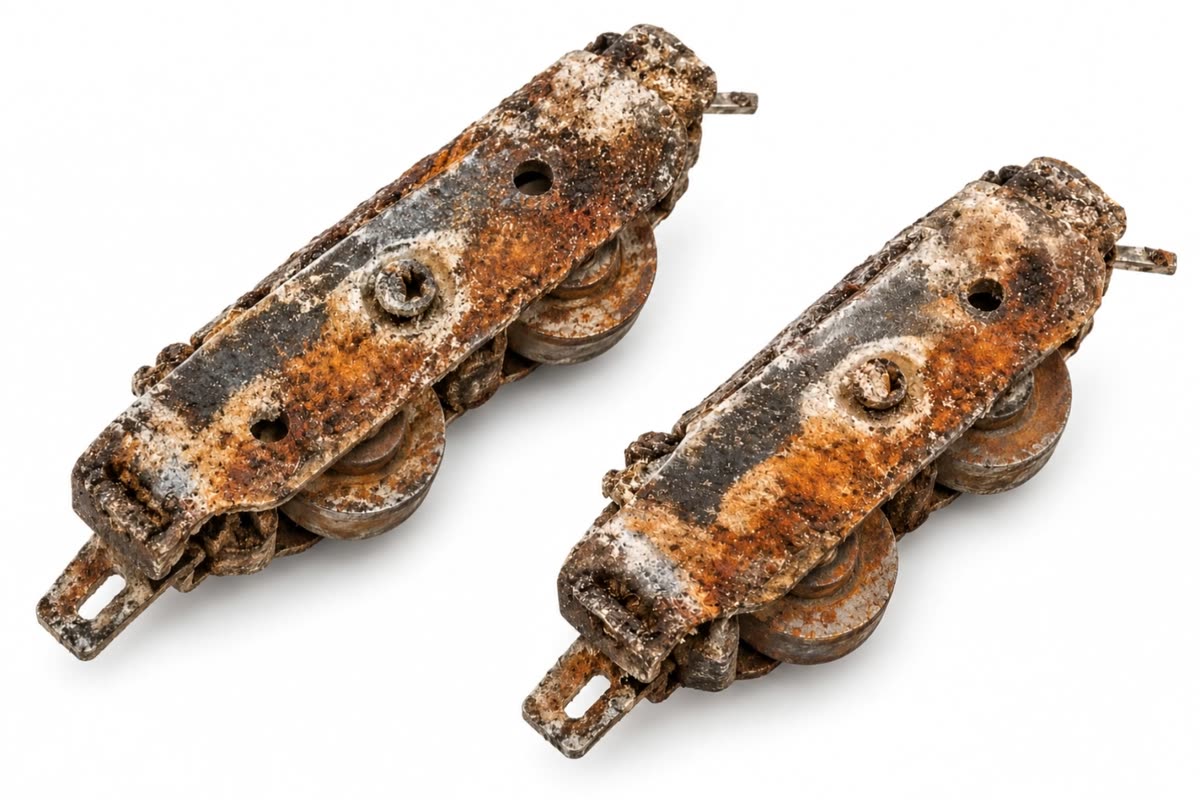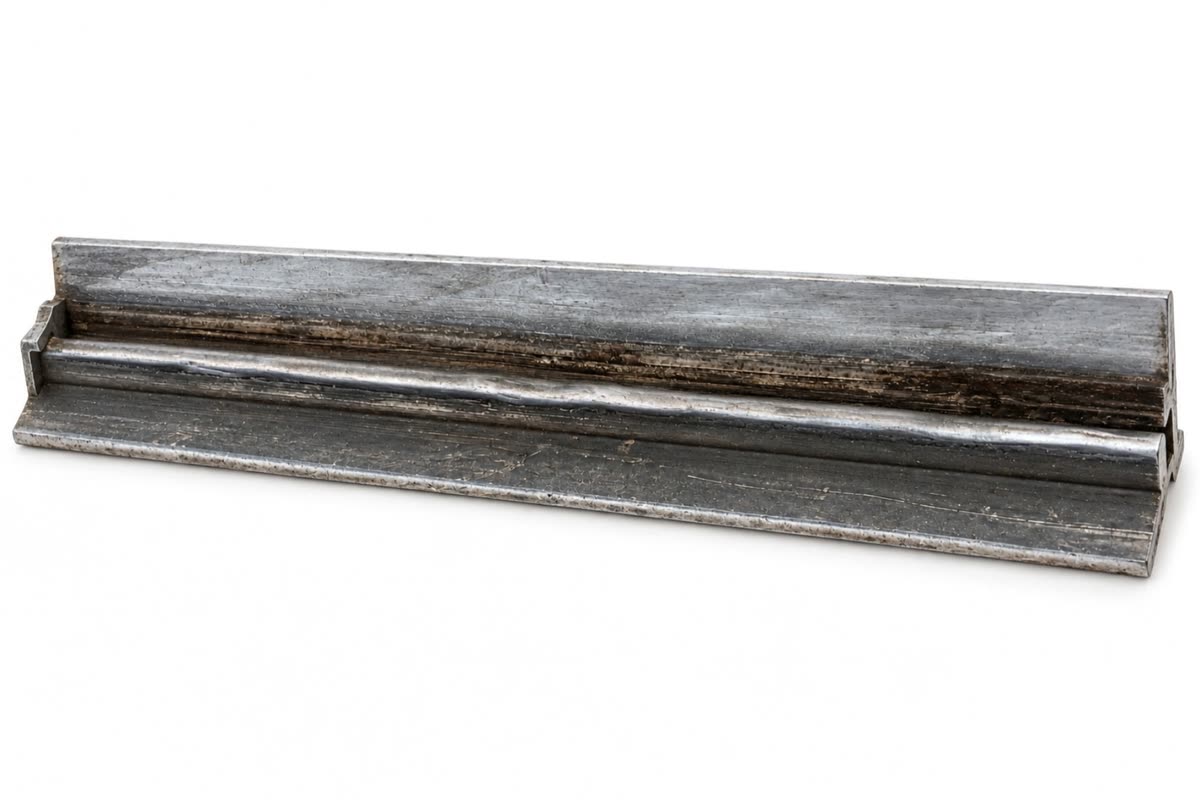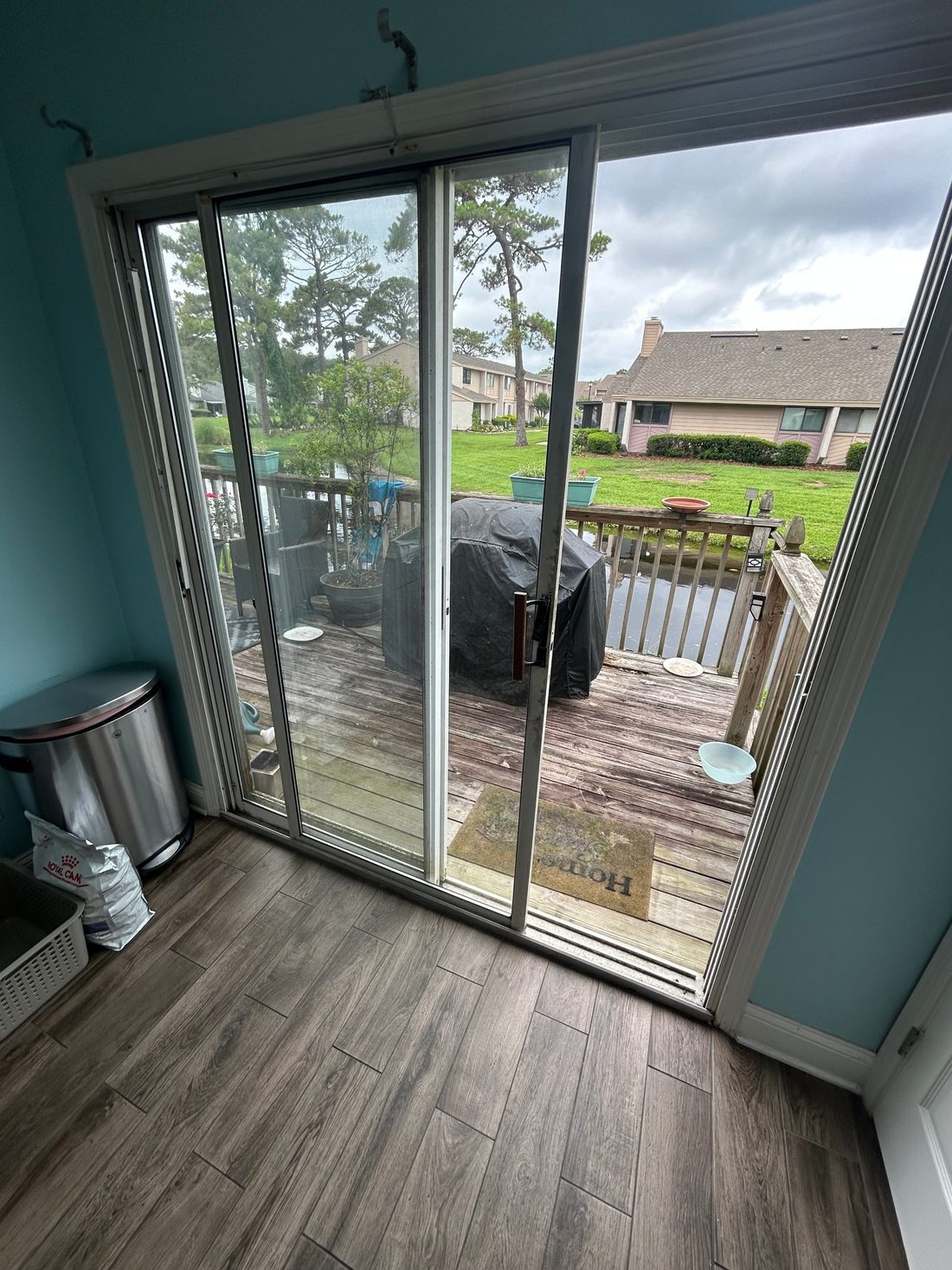
A patio door near San Diego's coast may show a rough rail, visible residue or a squeak long before the homeowner knows what type of wheels are under the panel. Search for replacements and you'll find different materials, wheel shapes and housings that look similar in pictures. The most useful first question is which assembly actually fits your door. The wheel's material is one part of the choice. The rest of the assembly, the running surface it uses and the weight it supports are just as important.
Coastal exposure matters where a door sees damp air or deposits on exposed components. Exposure varies with orientation and shelter. A door that opens onto a patio behind a windbreak can age differently from another door in the same Imperial Beach building. You can make a better repair decision by describing that exposure and asking for a match to the specific assembly.
Start with the wheel's job
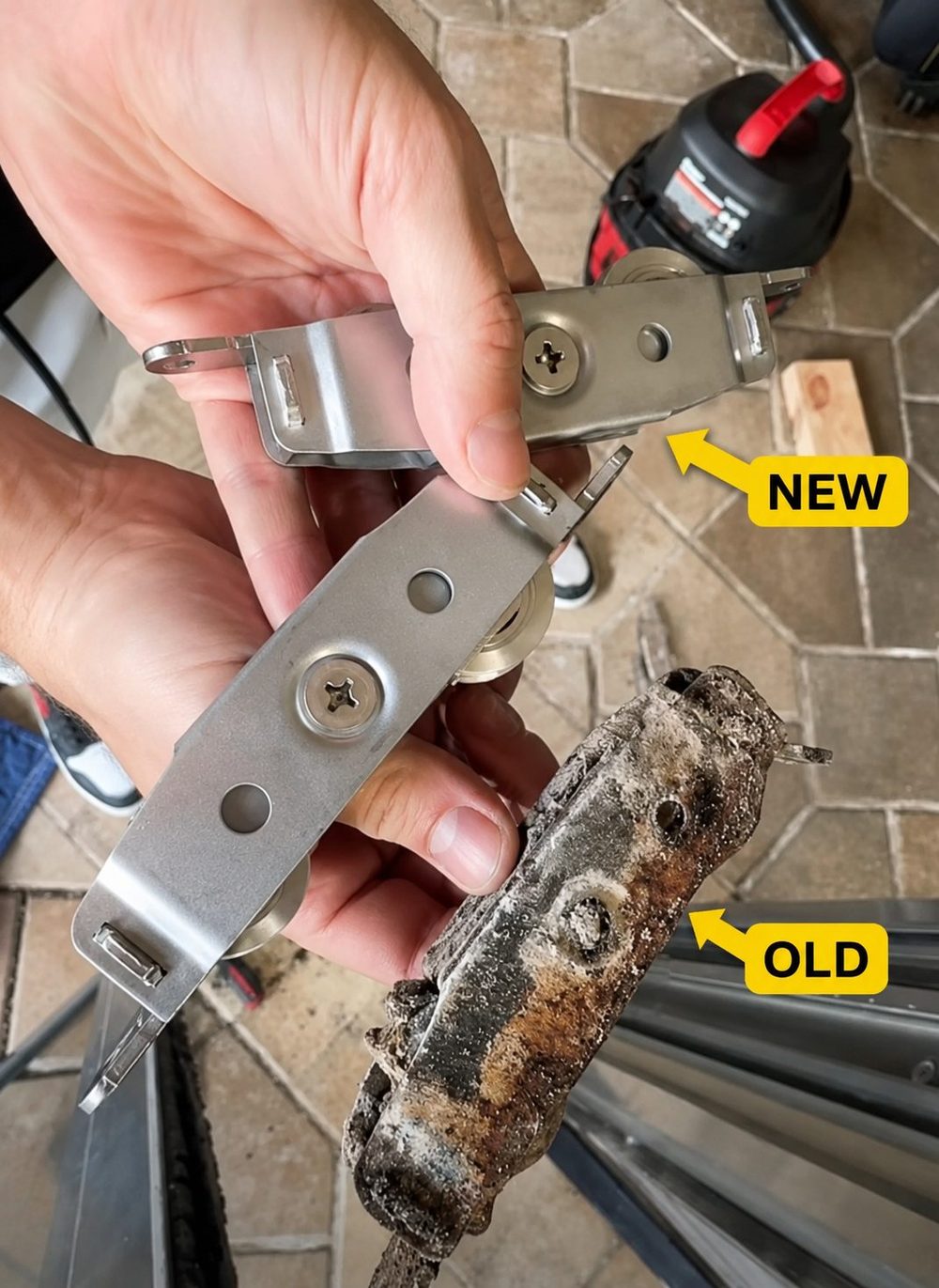
The roller supports a moving panel. Its shape determines where the wheel touches the running surface, and its housing positions the wheel relative to the door. A wheel with the same diameter as the old one can have a different tread, housing depth or adjustment position. Changing the relationship between the wheel and rail can alter travel, panel clearance and lock alignment. A heavy glazed panel also needs a part suited to the expected load and mounting arrangement.
Ask whether the proposed part is a manufacturer replacement or a compatible option and how that match was verified. If the old parts are no longer sold, the technician can explain what was measured and which details had to line up. A part listed as “universal” is a shopping category. It still has to work with the door's housing and rail in use.
Look at the whole assembly
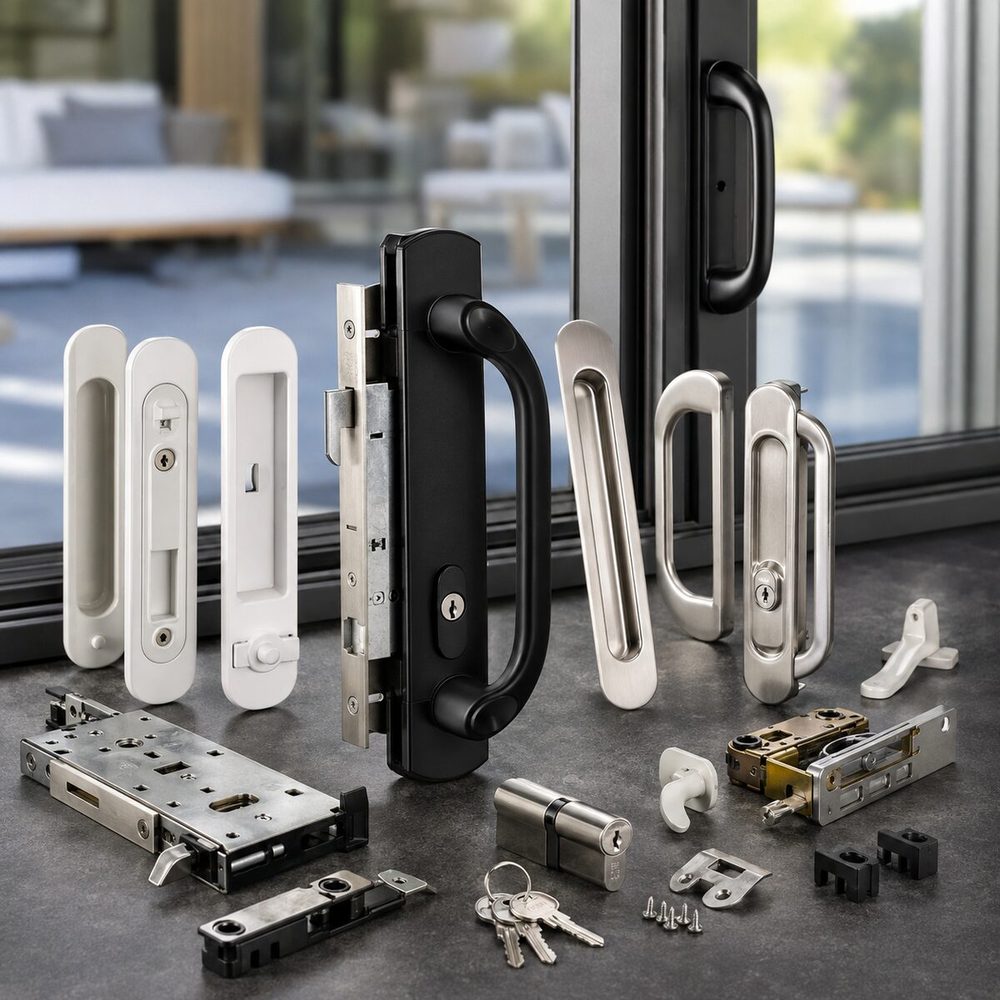
A stainless wheel does not tell you the material or condition of the housing, adjustment hardware and bearing surfaces. A polymer wheel may be offered for certain designs, and a metal wheel may be appropriate for others. Each design has a reason for its profile and how it carries load. If a product page talks only about the visible wheel, ask what the rest of the assembly consists of and whether that exact assembly is intended for the environment and rail it will run on.
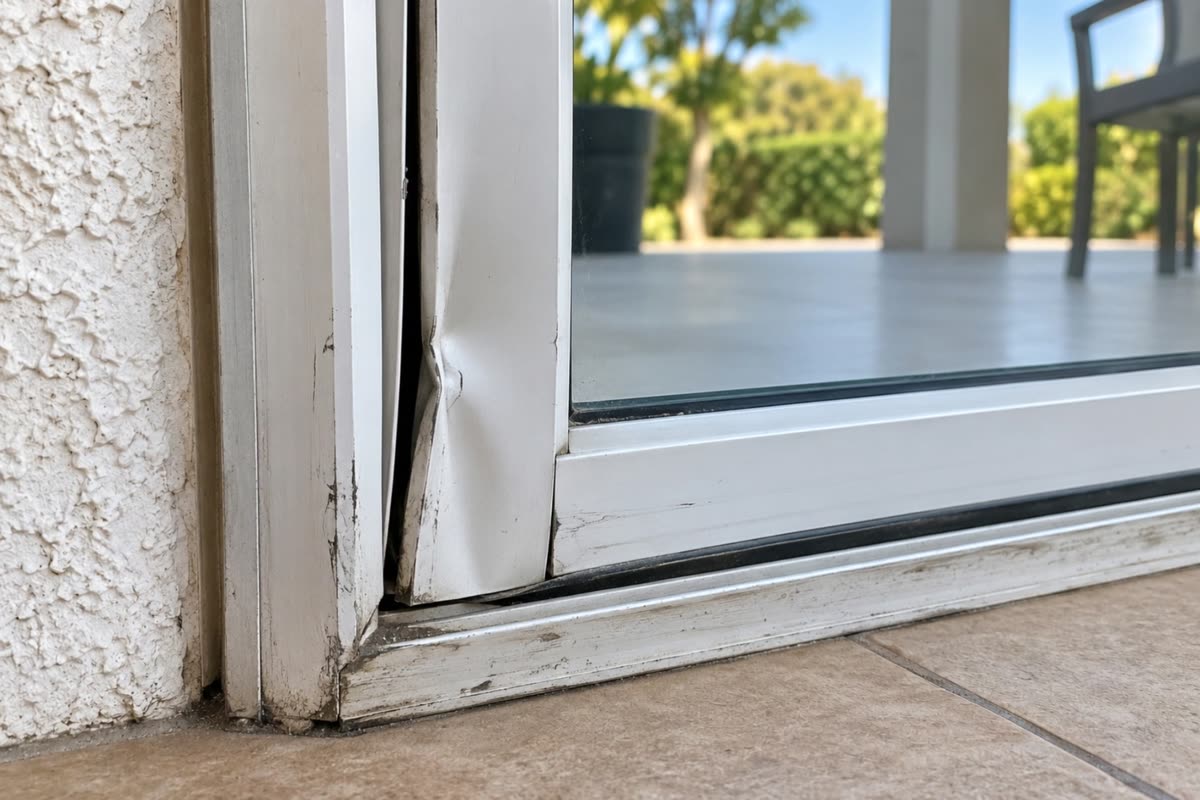
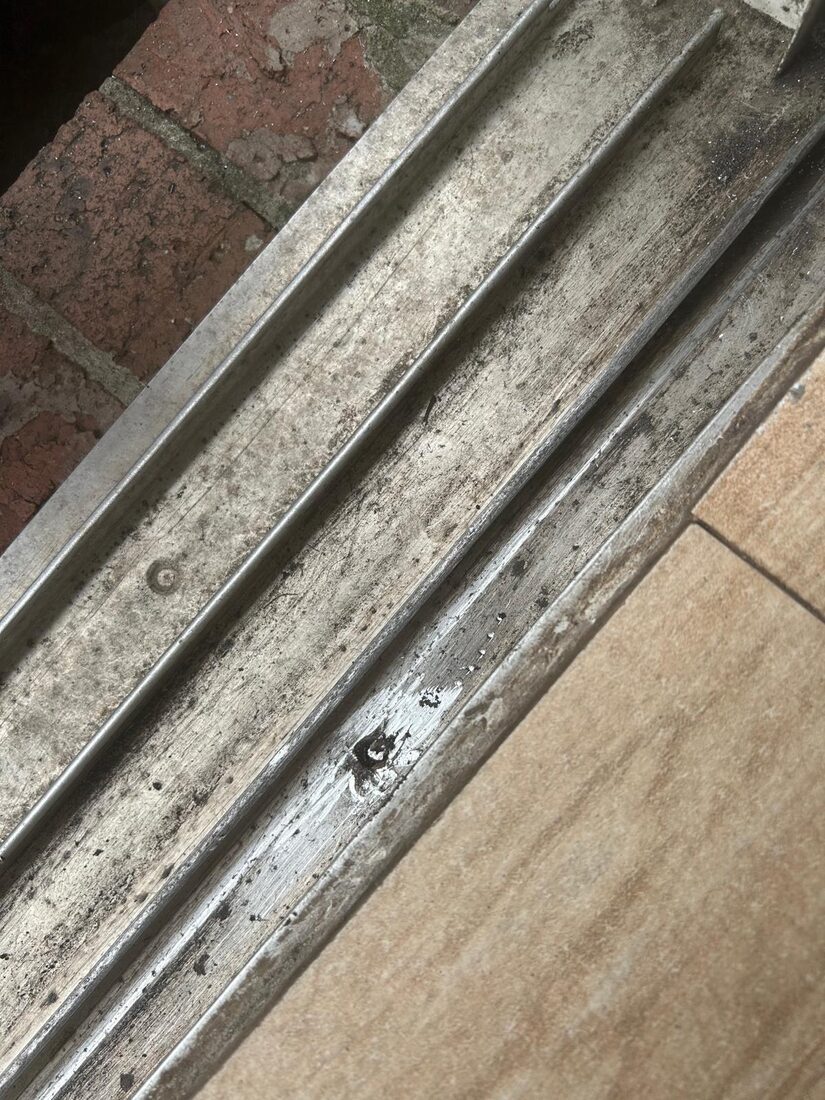
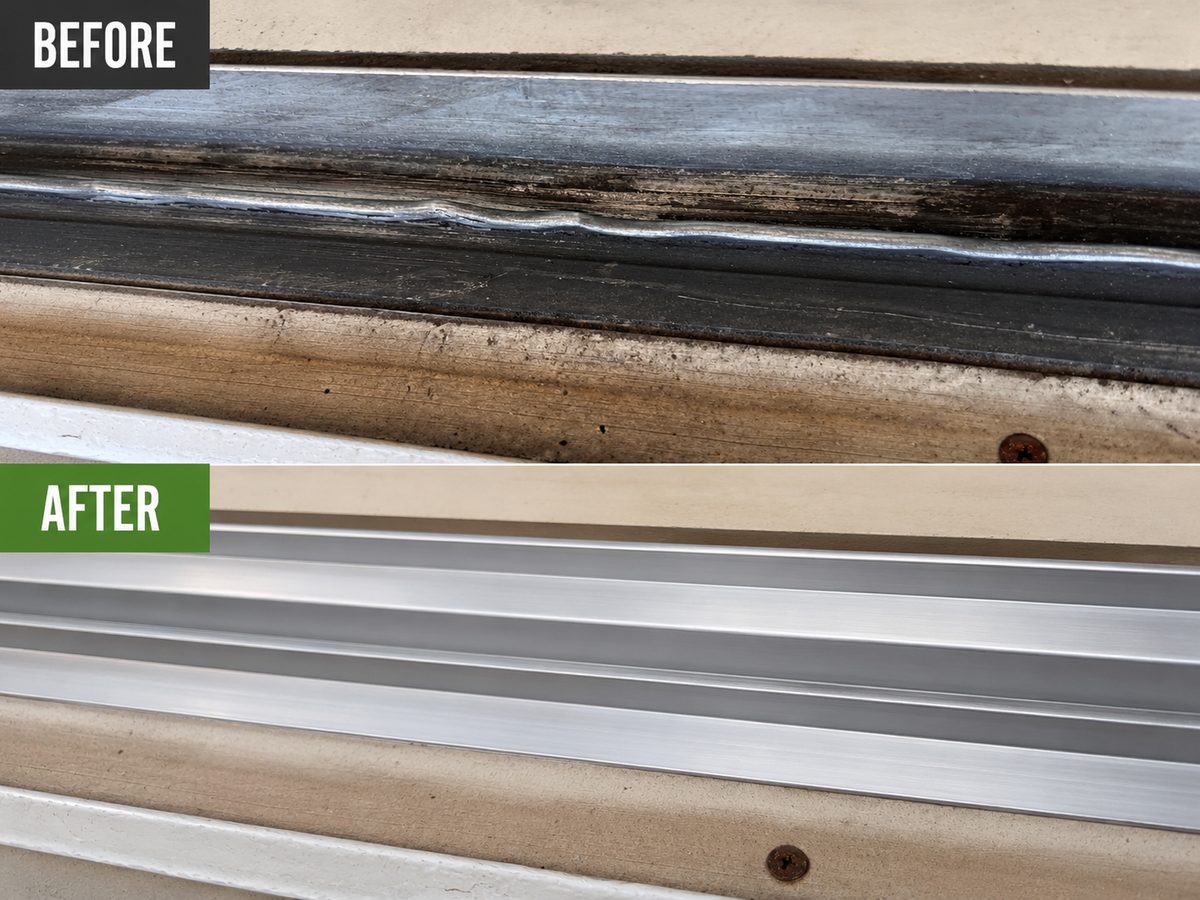
A different material can change the way contact feels or sounds, but it cannot straighten a deformed rail. Wear at one point can still be transmitted through a compatible new assembly. When evaluating the cost, include the running surface and the parts that hold the wheel in place. A technician can identify a deeply worn strip, a raised join or a sill that no longer supports a stable replacement surface before the part is ordered.
Read coastal wear by its location
Salt residue and moisture may show first where wind or spray can reach the opening. Look at which areas have visible deposits from a safe position. A strip on the outer sill, discoloration at a fastener and rough operation of the moving panel are separate observations. One visible symptom does not identify the condition of a bearing tucked inside the panel. A photo of the exposed rail and an account of how the door feels will give a technician more than a guess about hidden corrosion.
Consider a Point Loma home with a slider on an exposed side and a second slider near a protected courtyard. The outside door may need more frequent care of accessible surfaces, while the courtyard panel may be the one used many times a day. The repair choice for either panel should account for its own movement, rail condition and compatible hardware. Location helps explain what to inspect, rather than deciding which part to buy.
What a repair quote can specify
A quote can identify the assembly, how many are being replaced, whether the existing rail will be kept, and how the panel will be aligned after installation. If it mentions stainless, coated steel or a polymer wheel, ask what component the material description refers to and which product information supports that choice. Also ask whether the rail and wheel contact were inspected. A new part should be appropriate for the rail shape and load, even if the door has received a repair cover in the past.
A Solana Beach condo owner may need one additional detail before approving the quote. If the repair involves visible exterior components, check whether the association wants to see the proposed finish or scope. Wheel work usually concerns parts inside the panel, but work at the sill or exterior frame can be visible. Get the scope in writing before submitting an approval request.
Choose a maintenance habit that matches the hardware
Follow the instructions for the installed system. Keep accessible loose debris from collecting at the wheel path and look for drainage outlets as identified in the product information. Use a soft method appropriate to the material. A lubricant that works for one mechanism can be unnecessary or inappropriate for a different rail, wheel or finish. Ask which part, if any, should be lubricated and what product is recommended. Note what kind of maintenance is reasonable for a door that sits above a balcony or cannot be reached from outside.
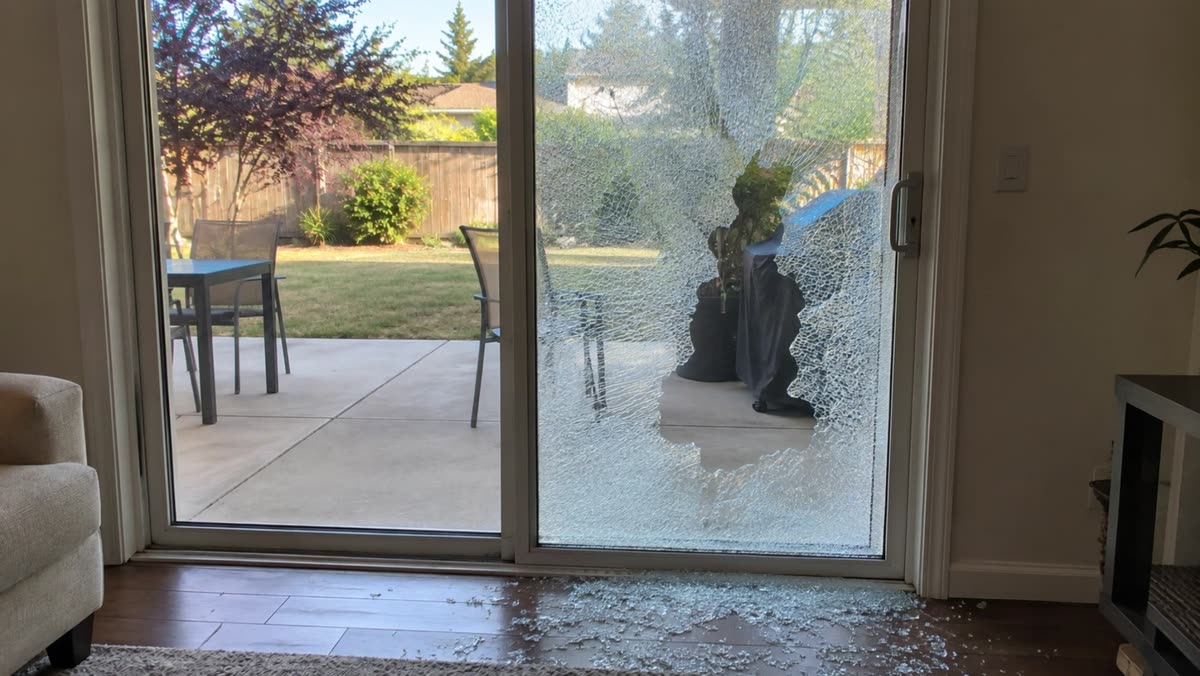
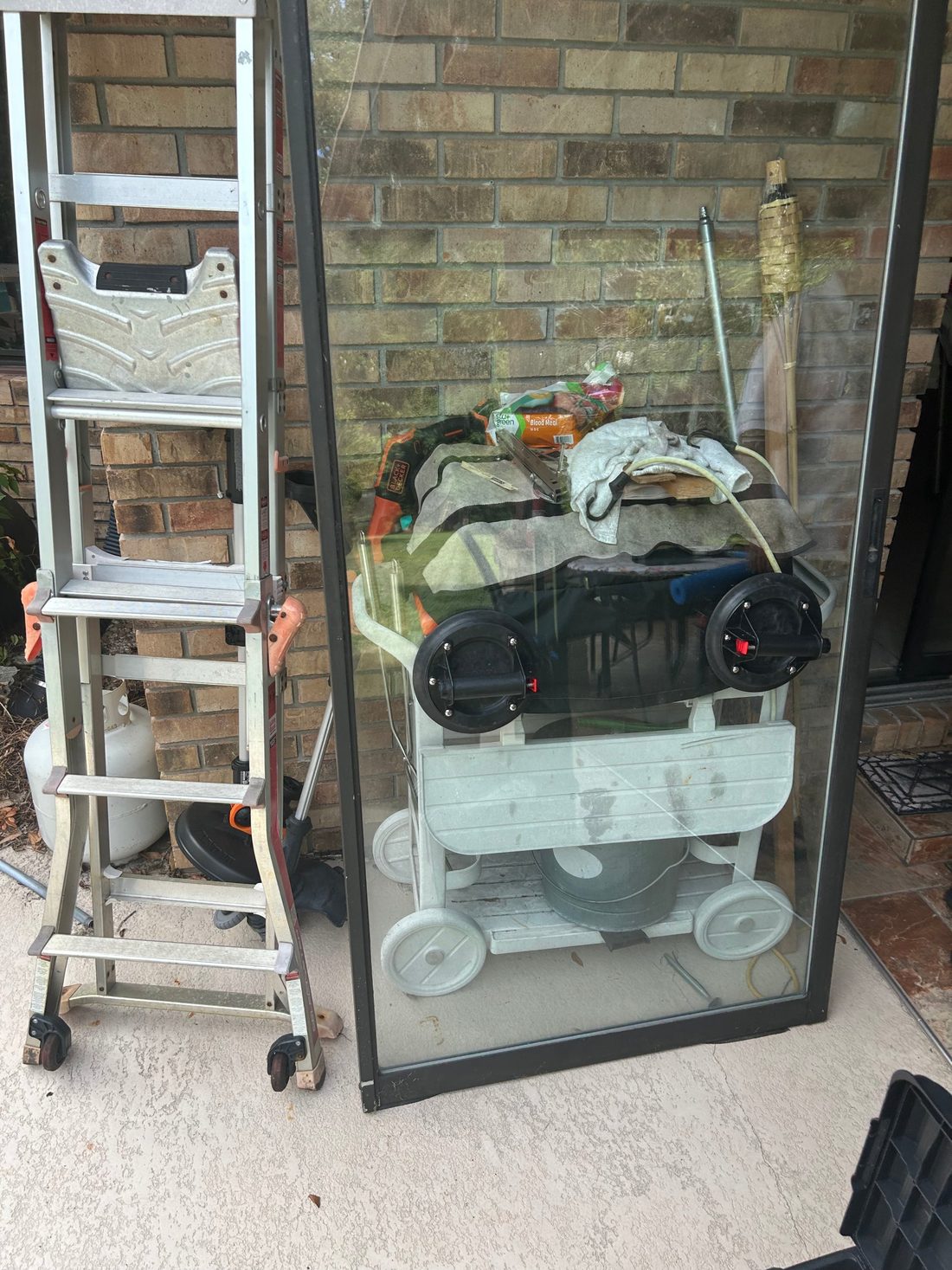
A practical check is to notice changes through ordinary use. A new squeak, increasing effort, or a closing edge that no longer meets evenly is worth recording. If those symptoms are accompanied by broken glass, a loose panel or a door that cannot be secured, report them as part of the request. Do not try to expose the internal wheel assembly by lifting the panel yourself.
Compare two decisions without choosing by price alone
Imagine you have two quotes for a patio door near the coast. One specifies an assembly that matches the existing housing and rail and includes a check of panel fit. The other lists corrosion-resistant wheels and gives no information about housing, rail shape or finish work. Ask the second provider for those details. A meaningful comparison covers the same work and the same conditions. You may learn that both parts fit and that the main difference is how the damaged rail will be handled.
Also compare what the work is expected to change. A properly fitted assembly should improve travel on a serviceable track. If the panel also binds at the jamb, ask whether alignment is included. If the sill is unstable, find out what needs attention before a roller change will last. That comparison can save a homeowner from treating a visible material description as a promise about all the other components.
A homeowner's decision checklist
1. Confirm which panel needs the work. Label the opening and moving side from indoors. If there are multiple units, describe the symptom at each one separately. 2. Show the available product details. A brand mark, label, old invoice or installer name may help narrow the candidate parts. A close photo of the rail can help explain earlier modifications. 3. Discuss load and rail compatibility. Ask what supports the panel and how the new wheel profile will meet the running surface. Raise any known changes to the door or glazing. 4. Talk about exposure. Mention whether the opening faces the coast, is sheltered, or collects residue in one area. State which surfaces can be reached safely for routine care. 5. Confirm the test at the end. Check full travel, closing fit and lock engagement. If there is a screen on an adjacent track, check that it operates independently after the service.
Questions about coastal roller choices
Should I upgrade a door that still moves smoothly?
Inspect and care for the unit according to its instructions, and watch for a change in effort or latch alignment. If there is a specific corrosion or wear concern, a technician can identify the affected parts. Replacing compatible hardware is most useful when it addresses a real condition or a supported product need.
Is the coast the only reason rollers get rough?
Usage, panel weight, debris, wheel wear and the rail's condition can all affect operation. A sheltered door that sees frequent use may develop a mechanical issue even if it looks clean. Likewise, an exposed door can have residue without the wheels being damaged. Record how it actually travels.
What if the supplier can't match the original part?
Ask which verified compatible options are available and what a different assembly would change. If no suitable match can be found, compare repair of a related component, a different supported solution or replacement of the unit. The decision should account for the frame, track and how the door is used.
Keep the service information with the door
After the work, ask for the description of the assembly actually fitted and which rail it is running on. If the visit involved a local rail repair, note where it was and which care applies. A later technician may otherwise see a replaced wheel and assume the sill is still in its original condition. Product information can also make it easier to distinguish a part that needs attention from expected residue on accessible surfaces.
If several residents use a balcony or patio opening, agree on what a normal close feels like and which maintenance surfaces can be reached safely. Write down the time, location and condition if a new rough spot develops. That matters more than the date on the parts receipt alone. For example, a sound that appears at one fixed position after an outdoor project can lead the next inspection to the track. A panel that begins to drag through the full opening may need a broader check. Both reports can make sense without assuming the material choice was the cause.
Local service and related pages
Explore Sliding Door Roller Replacement, Sliding Door Track Repair. Service-area details are available for Imperial Beach, Point Loma, Solana Beach. Call 619-389-3123 or send a service request to describe the opening at your property.