
Coastal door care works best when it follows the specific opening. A sheltered courtyard slider and a balcony panel facing the outside can have different deposits and wear even at the same address. Look at the rail, seals and latch as separate parts of a routine. The goal is to notice changes before the door becomes harder to use or secure.
Map where the exposure reaches the opening
Compare the exterior corners and sill from a safe position. Photograph residue so you can tell whether it returns to the same place.
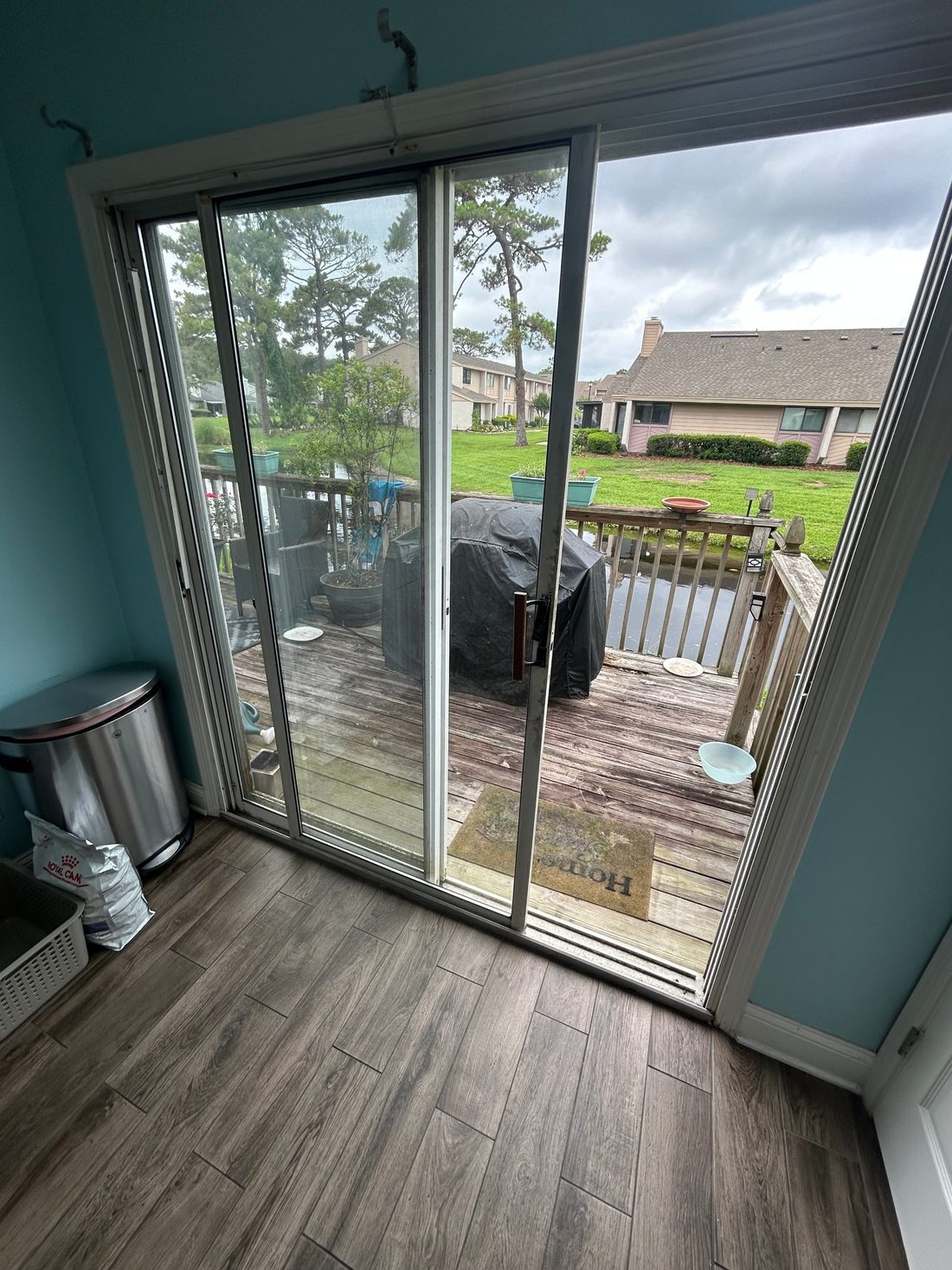
At an exposed coastal opening, light deposits can collect on exterior surfaces and in sheltered corners of a sill. Inspect the surfaces you can see safely from the room. How the panel actually travels is a separate piece of evidence. White or dull residue might be present on a door that still moves freely, while a worn part can feel rough without an obvious deposit. If the opening is elevated or beyond a narrow landing, plan any exterior care or service access with the building. Follow product guidance for materials and cleaning so attention to exposure helps preserve the finish as well as the movement.
Use the care directions for each finish
Treat the visible rail, painted frame and coated glass as different surfaces. Find the relevant directions before applying a cleaner to the whole unit.
Different exterior finishes require compatible care. A painted frame, metal running strip and coated glazing can look as if they need the same cleaner when their instructions differ. Use the maker's guide for the surface involved. Avoid forcing grit across a finish with a hard tool. If a patch remains after normal care, document it before applying a stronger product. A picture of how far the mark extends can help distinguish surface residue from damage or material wear. Keep the rail and latch symptoms separate from appearance so the person inspecting the door can discuss which conditions affect operation and which affect finish.
Keep debris off the wheel path
Identify the channel the glass actually uses. Record whether a gritty feeling clears after light maintenance of accessible areas.
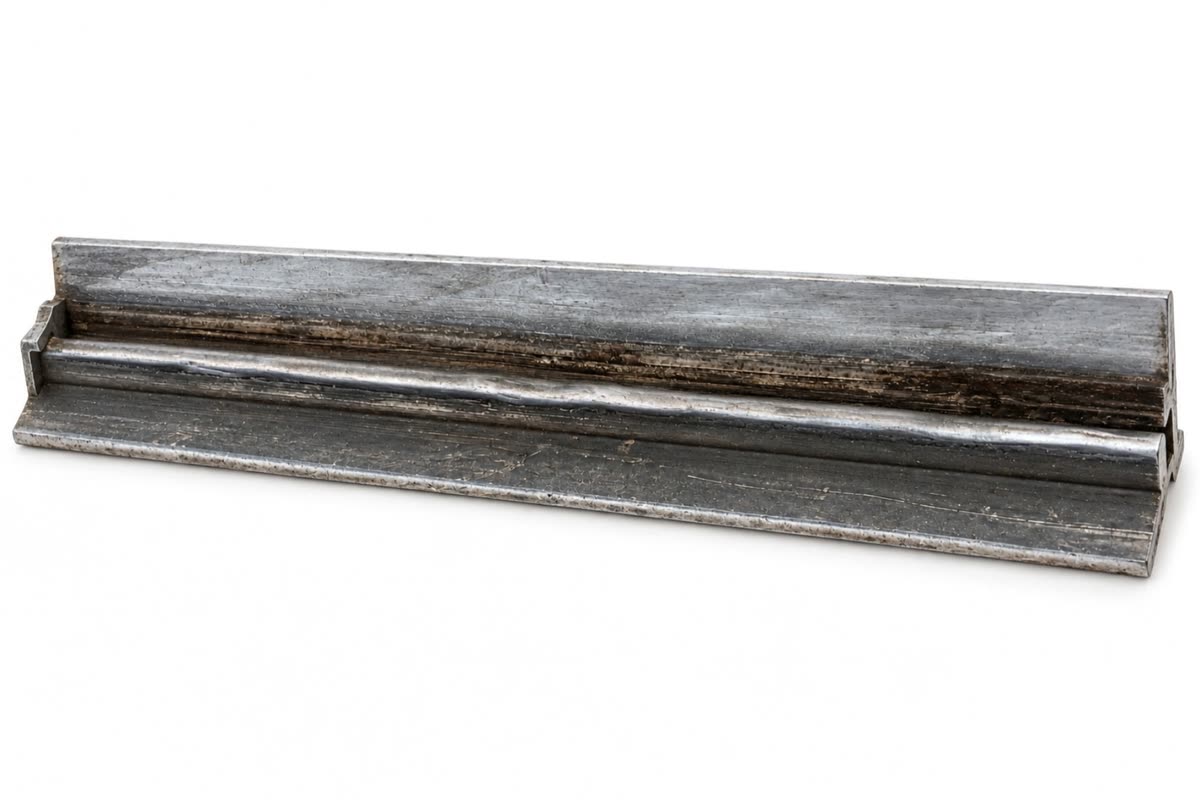
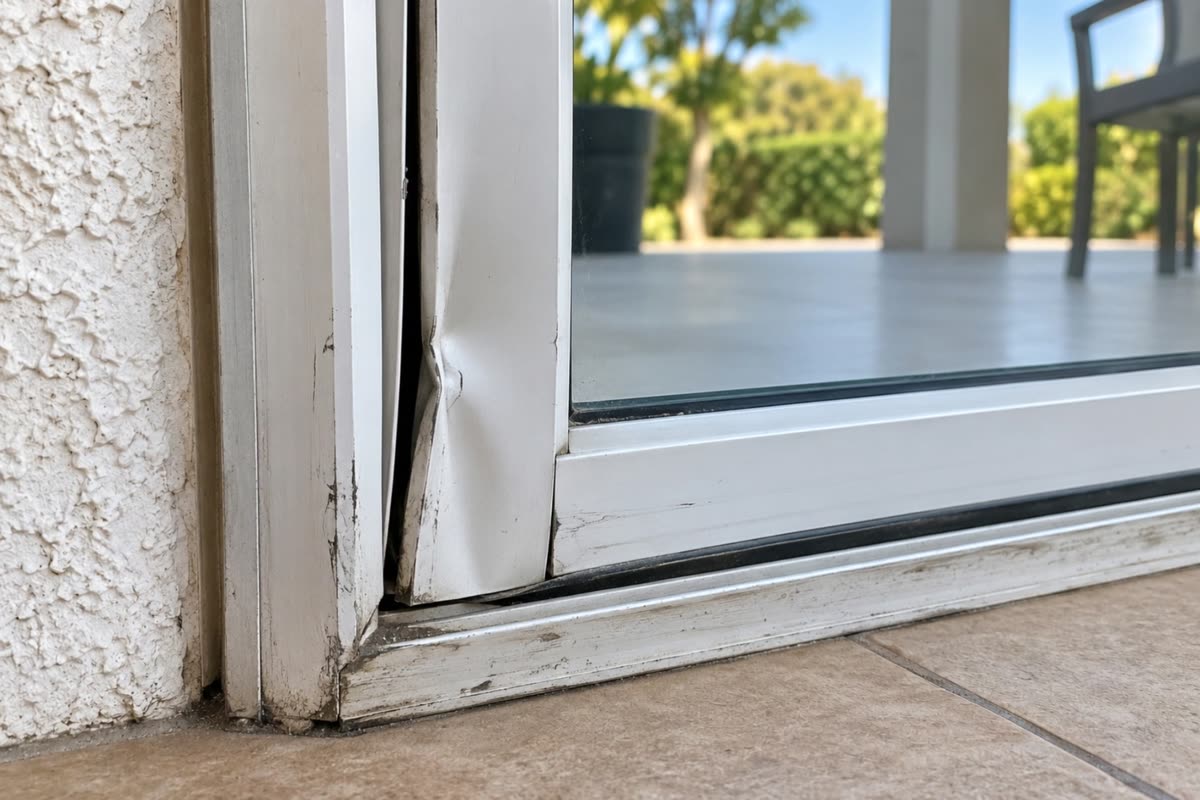
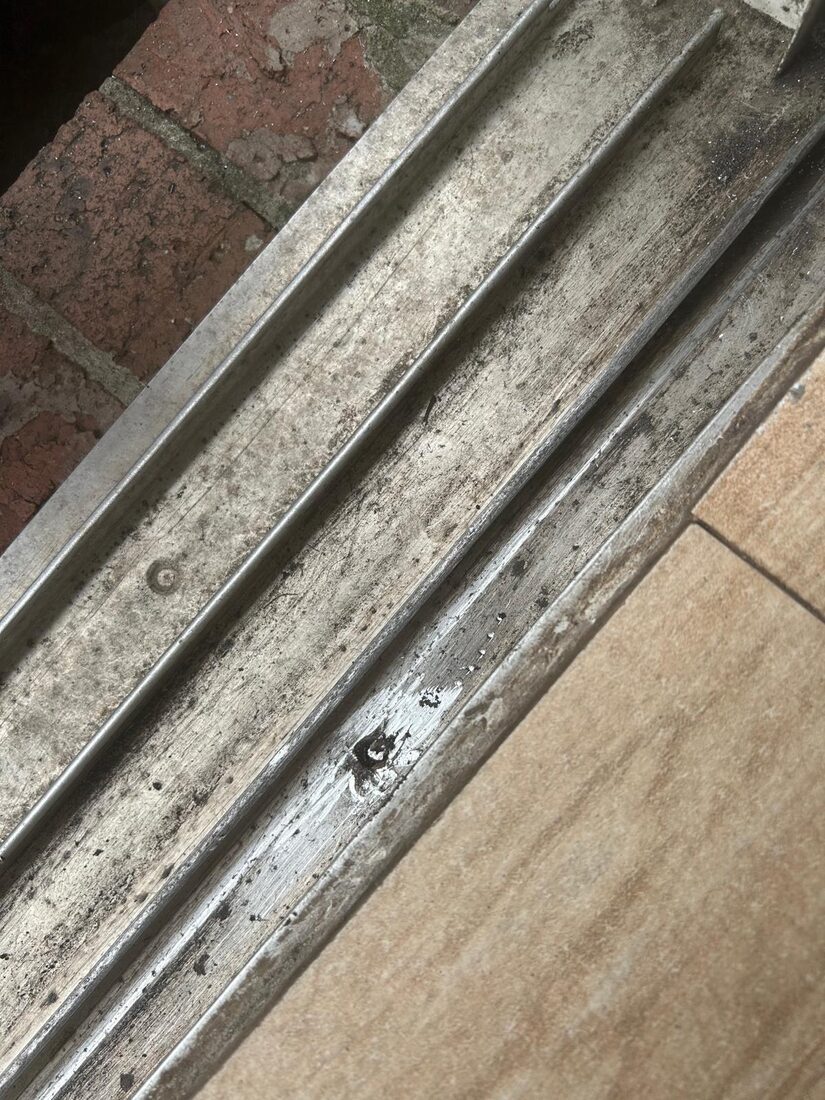
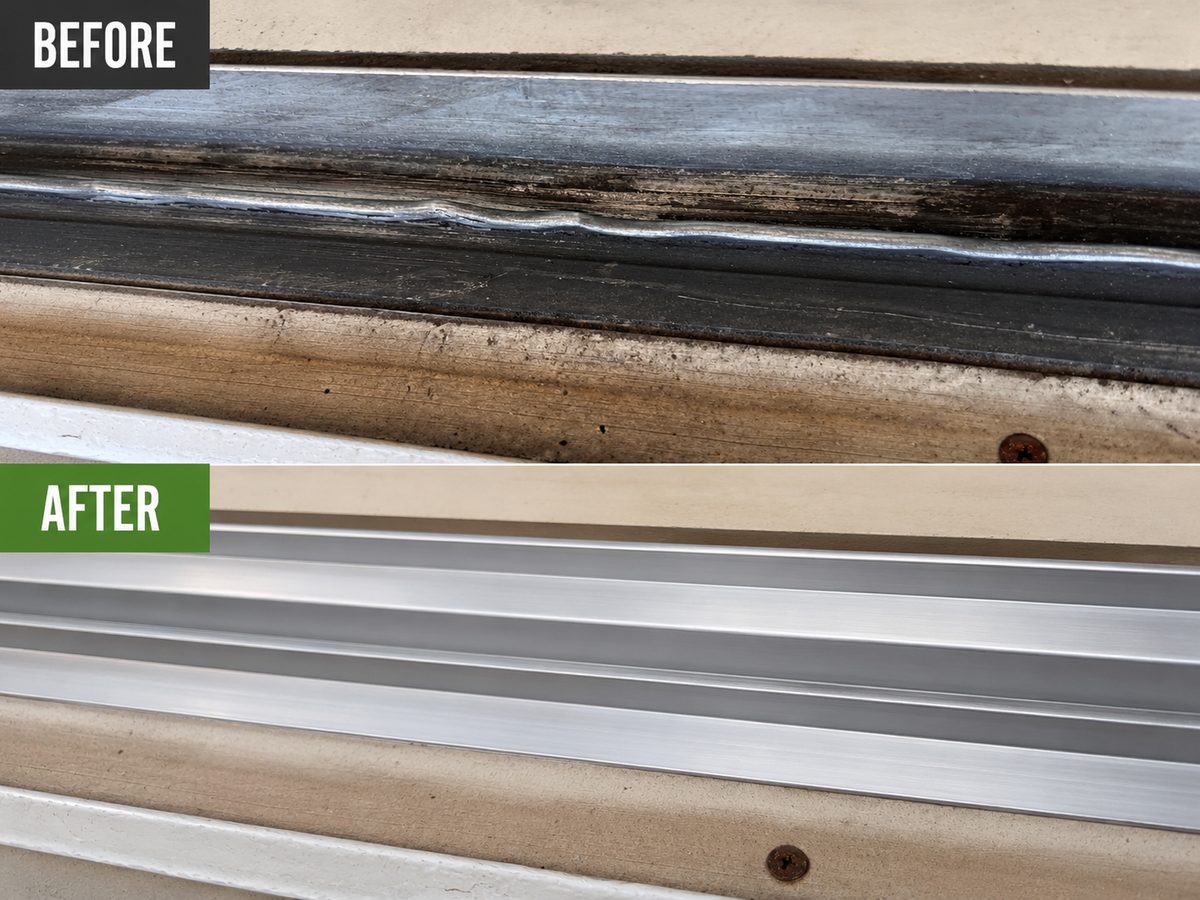
The useful comparison is between material that can move and a feature that stays put. Loose particles may gather in a corner after a day outside. A visible ding, raised repair seam or flattened running edge should remain in the same location. On a stable opening, take one image that shows the material and another that shows the running surface after manufacturer-approved care. Keep the timestamp if the debris returns after a regular event such as wind or yard work. When describing the result, mention the effort at the handle and whether the panel moved through the once-dirty spot. The next inspection can focus on any change that remains.
Keep the drainage path working
Locate the designed outlets using the product information. Pay attention to outdoor corners that collect material without filling or covering openings.
Start with the difference between water the sill is designed to collect and water that crosses the indoor side. The maker's diagram can show where the exterior exit is and which part of the threshold catches water. A past repair, settled patio surface or loose material can alter the observed path. Give the technician a view of the surrounding landing as well as the door. Record any condition after the water has had time to drain, such as a channel that stays full. An assessment can address accessible parts of the door and identify signs that water is reaching the opening from another source.
Watch the seal contact
Check whether a strip has flattened, pulled away or started to rub. Photograph it in its position and report how the door closes.
Some of the pressure at closing comes from the materials intended to seal where the panel meets the frame. A loose or compressed strip may leave a gap. A displaced strip can contact the moving panel too early or change the effort needed for the latch. Seals and wheels solve different conditions. Ask the technician to show whether the panel sits properly against its intended contact surfaces before specifying a new seal. A generic strip that looks similar can have a different profile or thickness. The right part should allow normal movement and closing while working with the existing drainage and hardware arrangement.
Check the latch in ordinary use
A lever that has become harder to move or a door that needs a lift is worth recording. Mention if closing pressure has changed.
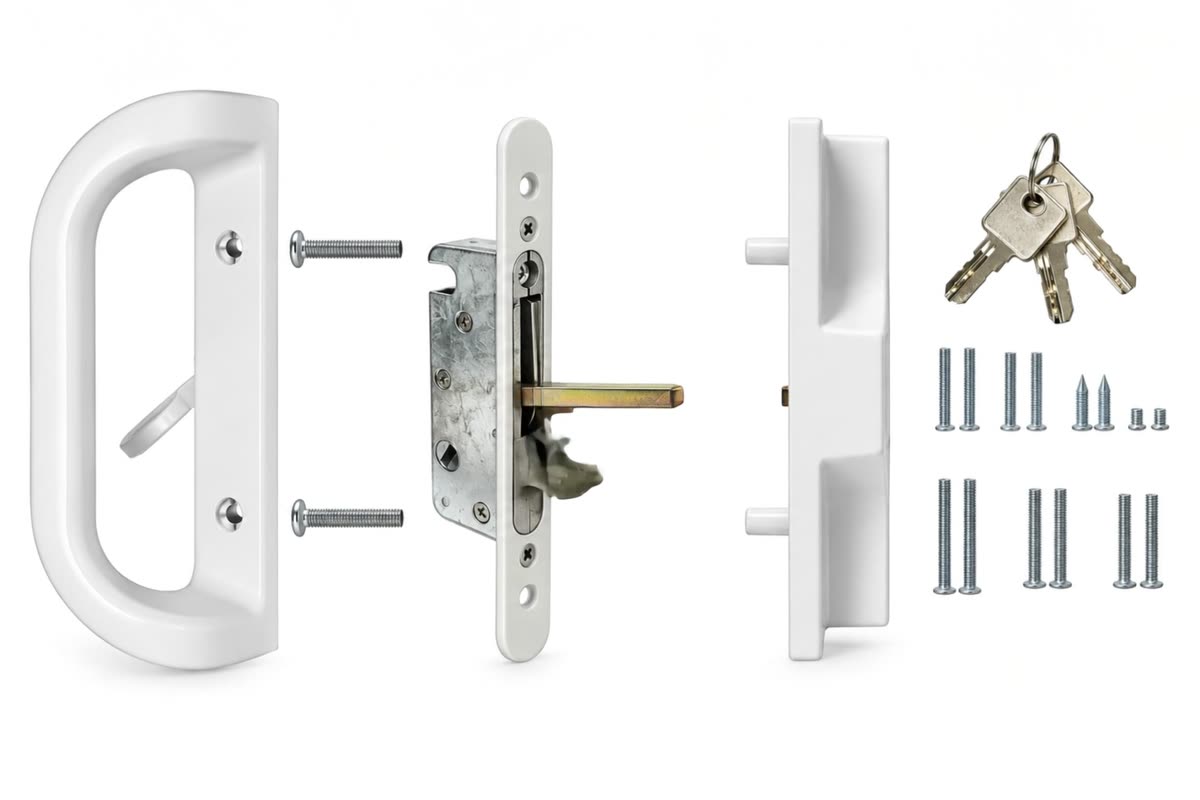
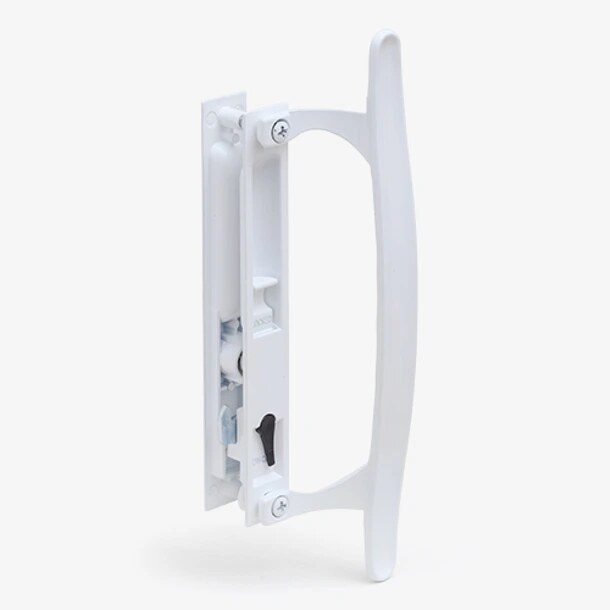
A lock inspection can start with two questions. Can the mechanism operate at all, and can it reach its receiving piece when the panel is fully closed? A worn lever or internal part can fail even with the panel positioned correctly. A jamb, wheel or frame issue can create a similar complaint when the latch never lines up. A report that includes the width of the closing gap in words and the motion of the lever helps separate the two. Ask whether the repair changes the latch, keeper or panel position. Confirm what counts as fully latched for the actual hardware after the work.
Notice symptoms beneath the visible rail
A clear rail can still carry a rough wheel. Describe the remaining effort or noise before deciding the door needs more cleaning.
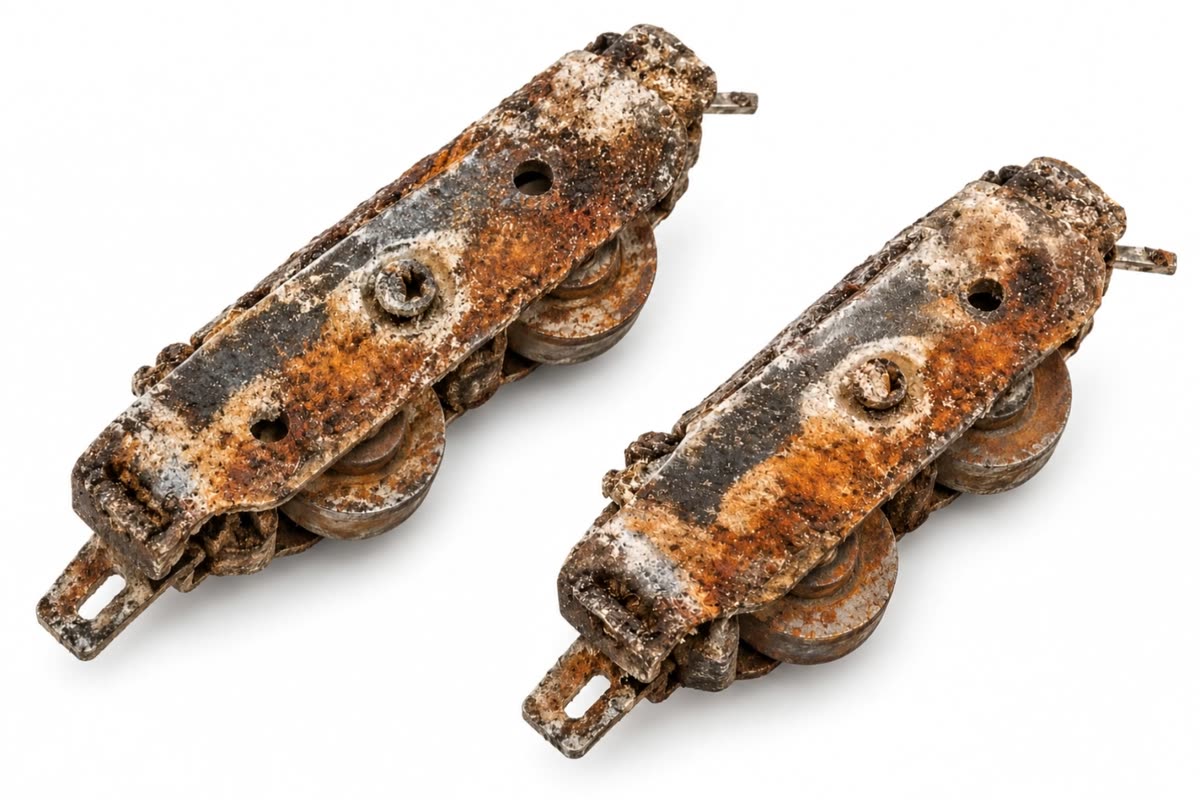
The way a door behaves under load can reveal a roller problem that is hard to see when the panel is still. A wheel may be able to turn with very little force on it but feel rough once it carries the glazed panel. A bearing, wheel tread and housing can each change the outcome. Ask the technician to show which end carries the symptom and what the rail looks like at the point of contact. A good part match should account for travel, height and how the assembly attaches. A comparison with a similar moving panel is helpful only when its construction and weight are comparable.
Set an interval based on what you see
Review the sill after the conditions that usually bring residue to your opening. Use a dated note so you can see whether the interval is working.
A useful care routine is small enough to repeat and specific to the product. At an exposed opening, note when debris appears and care for the accessible track and drain areas according to the manufacturer's instructions. At a busy door, use ordinary operation to notice increasing effort or a lock that changes position. Keep a short history of what was cleaned and when a persistent symptom first appeared. If a repair is needed, this history helps distinguish a recurring exposure condition from wear or a part that needs attention. Keep the care instructions for any replacement rail or hardware with the service record.
Coordinate exterior access in a managed building
If an exposed surface is beyond a railing or on a narrow balcony, ask the property contact what can be reached safely and who arranges service.
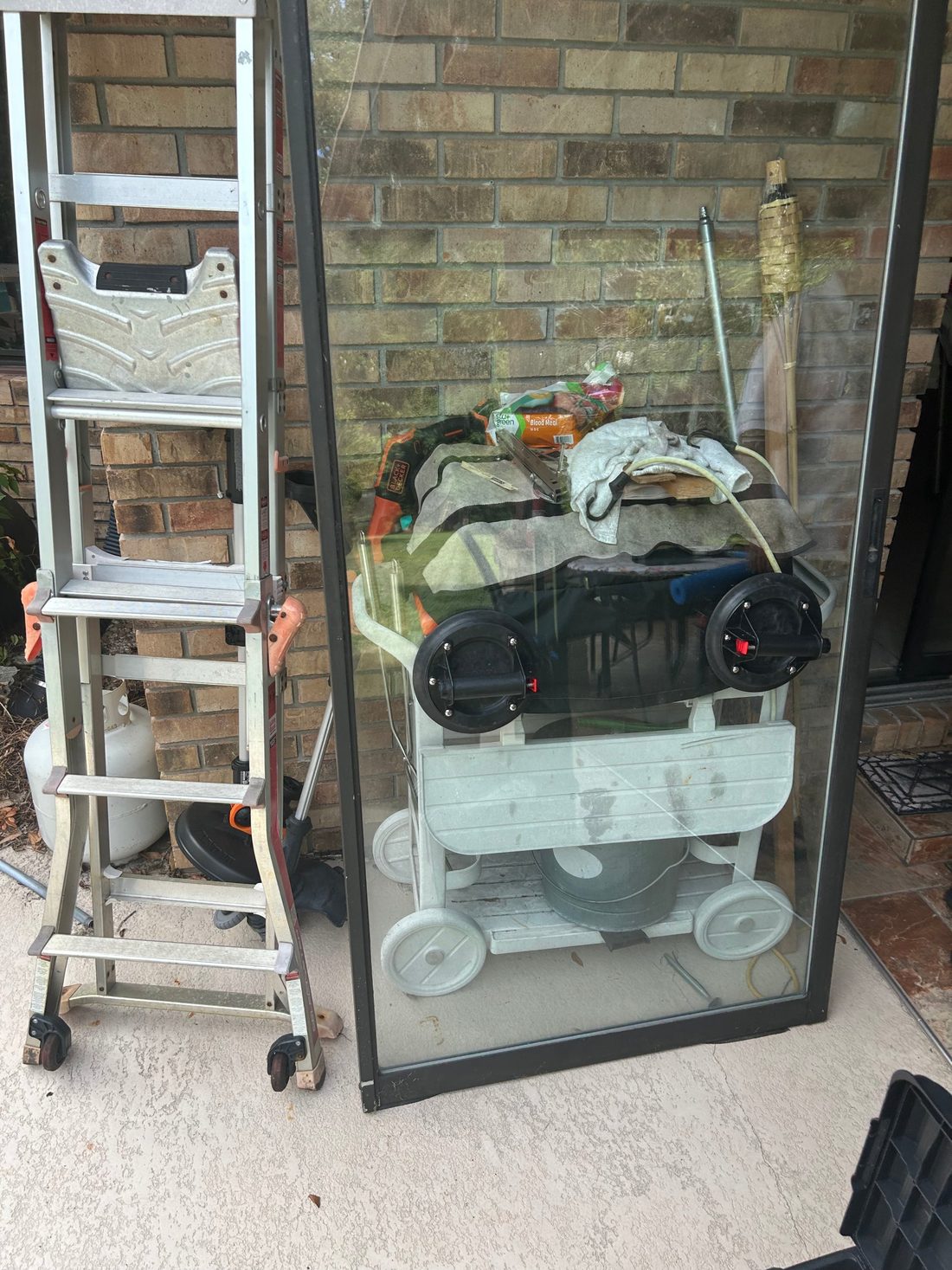
A condo's opening may be visible on a shared exterior elevation and reached through a private unit. Ask management about approval and access for the actual scope before ordering a panel, changing visible hardware or bringing glass through a building. Some visits need a contractor reservation, loading instructions or a particular elevator. Document where the opening is and the route from the entrance so the technician can see if exterior and interior access are available. A narrow balcony may affect how the work can be staged. An inspection can often clarify what stays in place and which changes a board or property contact needs to review.
Keep a model-specific record
Store the original guide and note which parts were repaired or replaced. Follow the guidance for the part and finish actually installed.
Manufacturers publish care guidance for particular systems and finishes. An instruction about a lock, sill coating or roller mechanism may refer to a different part from the one that has the symptom. Match the guide to the unit and find the section that deals with the affected component. If you do not have the original papers, use the label and a wide photo to identify it. Keep the instructions for any newly fitted part with the unit. A simple care record can show whether a result changed after a compatible cleaning routine or whether a mechanical symptom continued despite the surface being clear.
Tell the technician when exposure is only part of the story
Report a past adjustment or a sudden impact separately from gradual deposits. A timeline can help distinguish a mechanical change from a care issue.
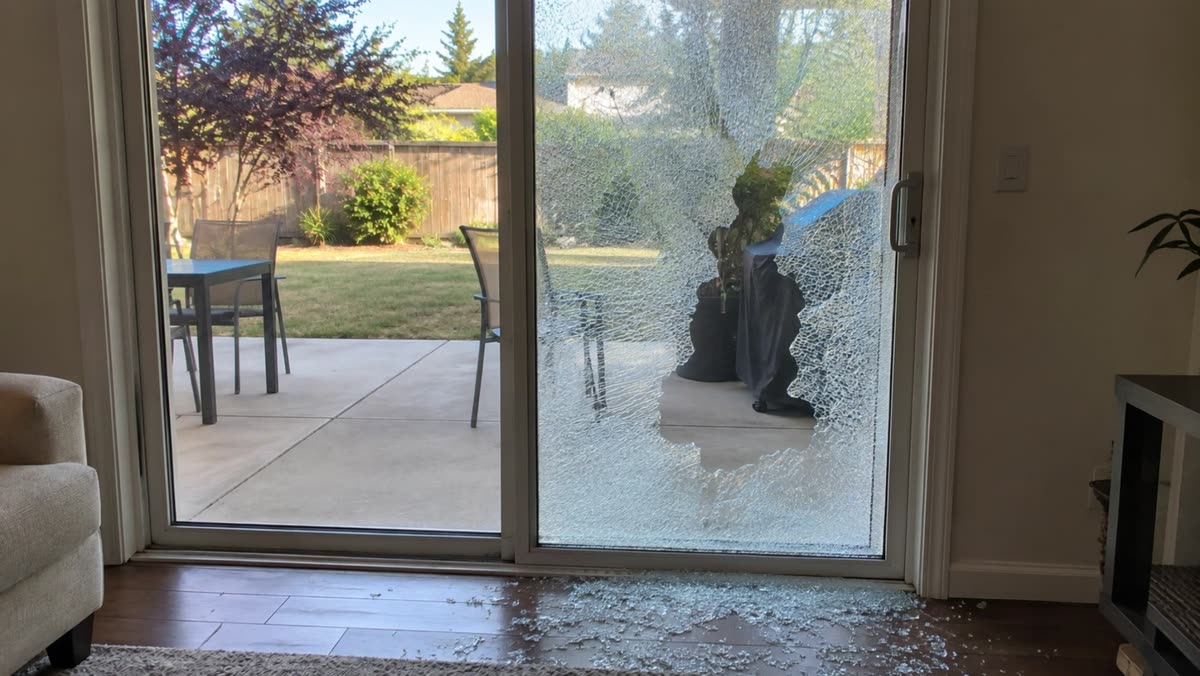
Describe the order in which the problem appeared rather than listing every change to the house. For example, “the rail began to bump on closing, then the latch started needing a lift” provides a useful sequence. A sudden contact mark after a project calls for a different examination from wear that spread gradually. If there are records or pictures, tie them to the affected opening and date. Tell us if a second part still operates normally. The evidence from the actual timeline can help a technician choose whether to check fit, wear, an obstruction or the effect of earlier parts.
Local examples in Point Loma and La Jolla
A Point Loma slider on the open side of a building may collect material where the rail meets the jamb. A sheltered unit in La Jolla may instead develop wear because it is used many times a day. In Encinitas, a ground-floor patio can also pick up grit tracked in from outside. Compare how the panel feels across clear sections and check that it still reaches the lock.
Questions to ask
Do I need stronger cleaner when a mark stays?
Check the actual material and its care guide first. A persistent mark may need a different assessment from removable residue.
What should I note if a latch starts binding?
Record whether the panel seats flush with normal effort, how the lever moves and whether any seal or rail symptom appeared first.
Can I care for a high balcony door myself?
Work only where access is safe and permitted. Arrange help for exterior surfaces or an unstable panel.
Local service and related pages
Explore Sliding Door Weatherstripping, Sliding Door Track Repair, Sliding Door Lock Repair. Service-area details are available for Point Loma, La Jolla, Encinitas. Call 619-389-3123 or send a service request to describe the opening at your property.